
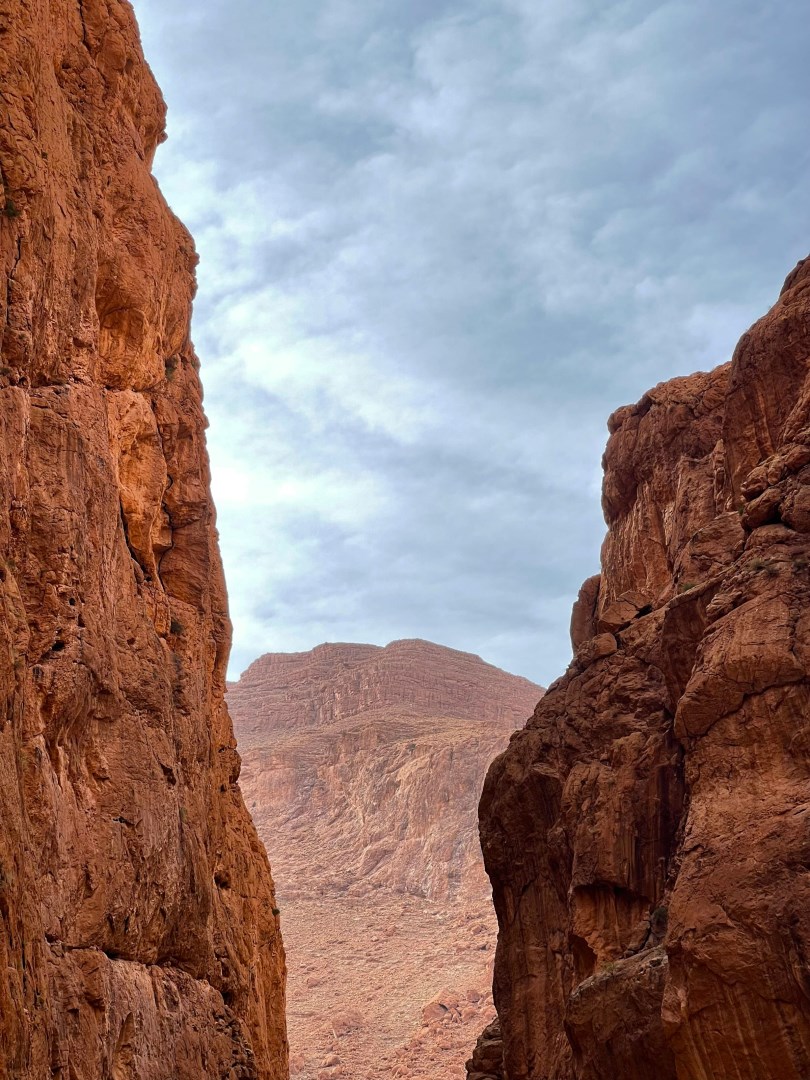
Todgha Gorge
Todgha Gorge is a dramatic limestone canyon in Morocco’s eastern High Atlas Mountains, close to the oasis town of Tinghir. The Todgha River has cut a deep passage through the mountains, leaving towering rock walls that rise to around 300 meters in places. At its narrowest, the gorge contracts to roughly 10 meters across, creating a striking corridor of stone and sky.

St. Maarten
St. Maarten, a dazzling island in the Caribbean, is renowned for its unique blend of Dutch and French cultures, reflecting its dual governance. The capital, Philipsburg, on the Dutch side, invites visitors with its vibrant Front Street, lined with duty-free shops, colorful markets, and charming eateries. The island’s cultural tapestry is further showcased in the Museum of Sint Maarten, where artifacts and exhibits illustrate the island's rich history and heritage.

Manaus
Manaus, capital of Brazil’s Amazonas state, is a city that rises unexpectedly from the rainforest. Once the center of the global rubber boom in the late 1800s, Manaus still holds onto that legacy with surprising elegance. The Teatro Amazonas, an opulent opera house imported piece by piece from Europe, sits at the heart of the city, its pink façade and domed roof tiled in the colors of the Brazilian flag. Today, it hosts concerts, festivals, and curious visitors eager to step back in time.
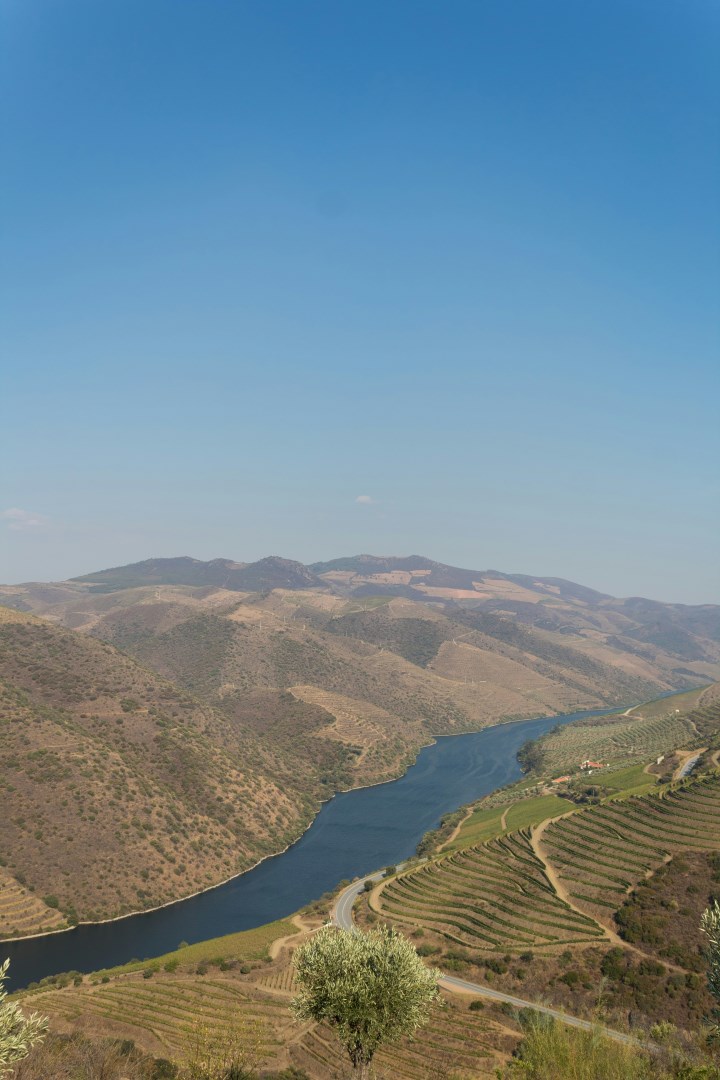
Côa Valley
Coa Valley lies in northeastern Portugal near the Douro River, in a landscape shaped by steep hills, schist cliffs, vineyards, olive groves, and almond trees. The area is best known for its open-air prehistoric rock engravings, spread across the banks of the Coa River and protected as a UNESCO World Heritage Site.
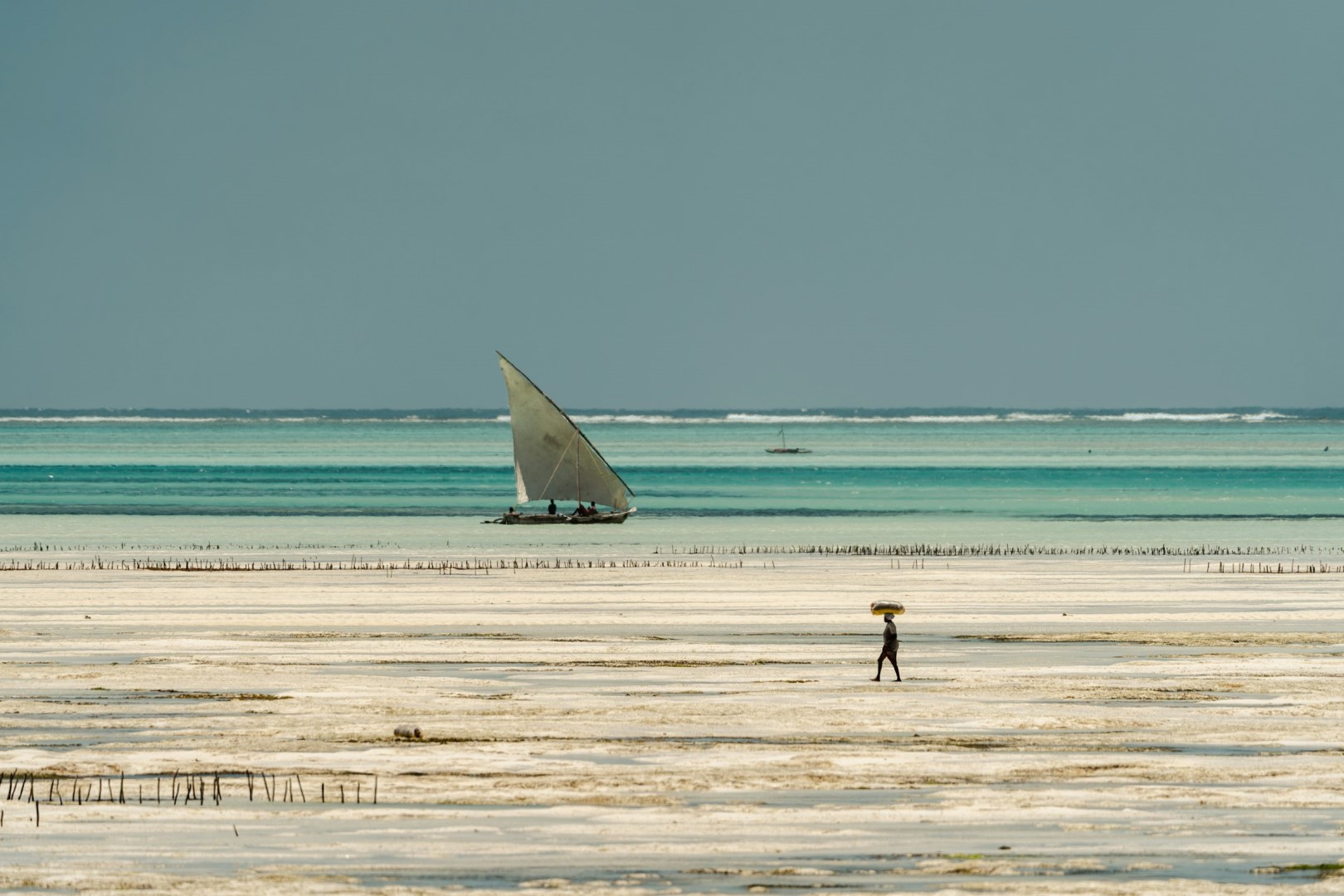
Jambiani
Jambiani is a coastal village on Zanzibar’s southeastern shore, facing the Indian Ocean along a long stretch of white sand and shallow turquoise water. The village extends along the coast between Paje and Makunduchi, with traditional homes, small guesthouses, fishing areas, and local businesses spread between the beach and inland fields.
