

Cres
Cres is a large Adriatic island off Croatia’s northern coast, shaped by a long history of seafaring, pastoral life, and quiet isolation.
Mystic
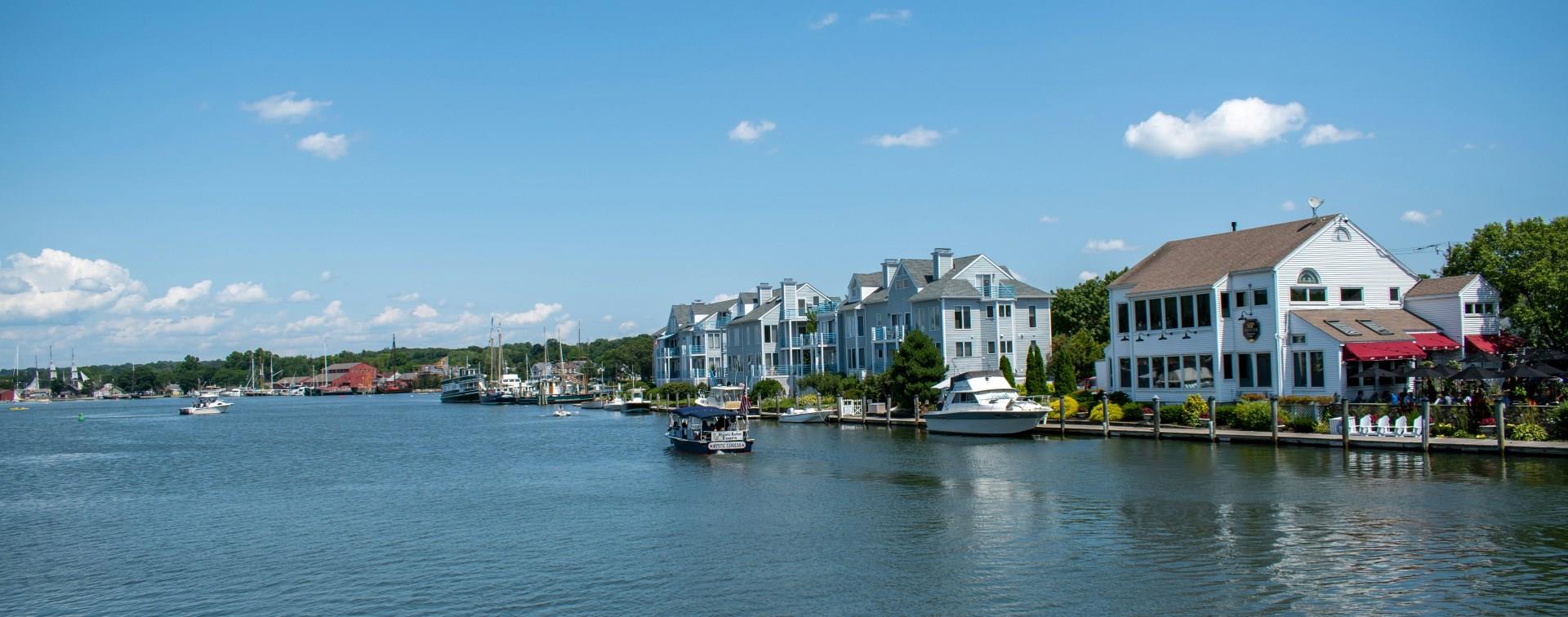
Mystic, Connecticut, is a small town with a big story, one shaped by shipbuilders, sea captains, and centuries of maritime tradition. Once a bustling shipbuilding center during the 18th and 19th centuries, Mystic still carries the soul of a working seaport. Today, visitors can explore its nautical past at the Mystic Seaport Museum, home to America’s last wooden whaleship, the *Charles W. Morgan*.

Innsbruck
Located in western Austria, Innsbruck is a charming European destination on the banks of the Inn River. A popular stop for skiing, Innsbruck is nestled within the Alps and offers a variety of cable cars to whisk you to the mountains for outdoor sports and spectacular views of the Innsbruck below.
Orpheus Island
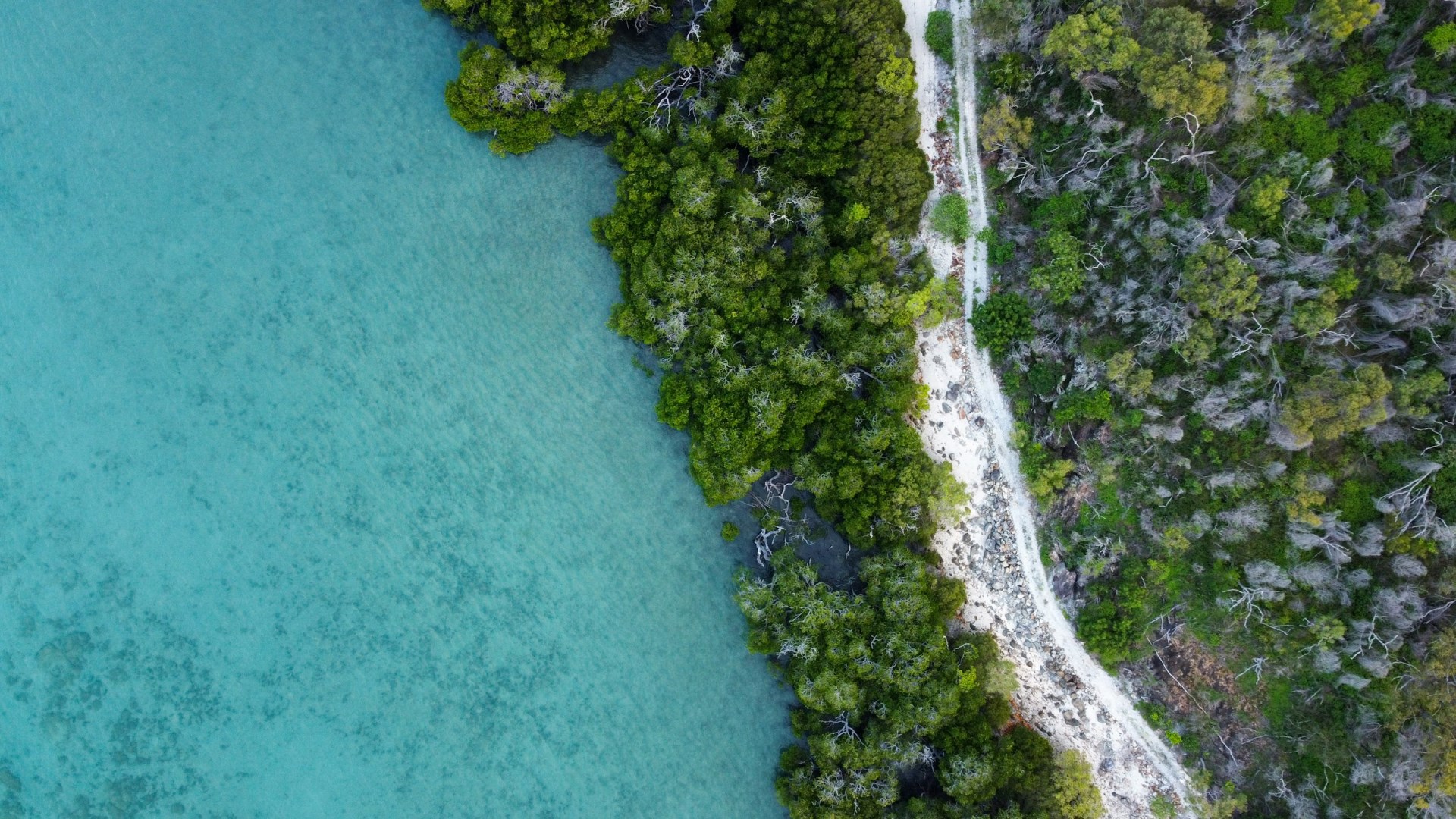
Orpheus Island is totally unspoilt and has its own National Park. Beautiful sunny beaches offer you total seclusion. You can also enjoy sailing, windsurfing, snorkeling and coral viewing. A choice of beach-front bures or studios, along with some of the fines food and wine selections in Australia, make Orpheus a great choice for your island stop over.
Santa Marta
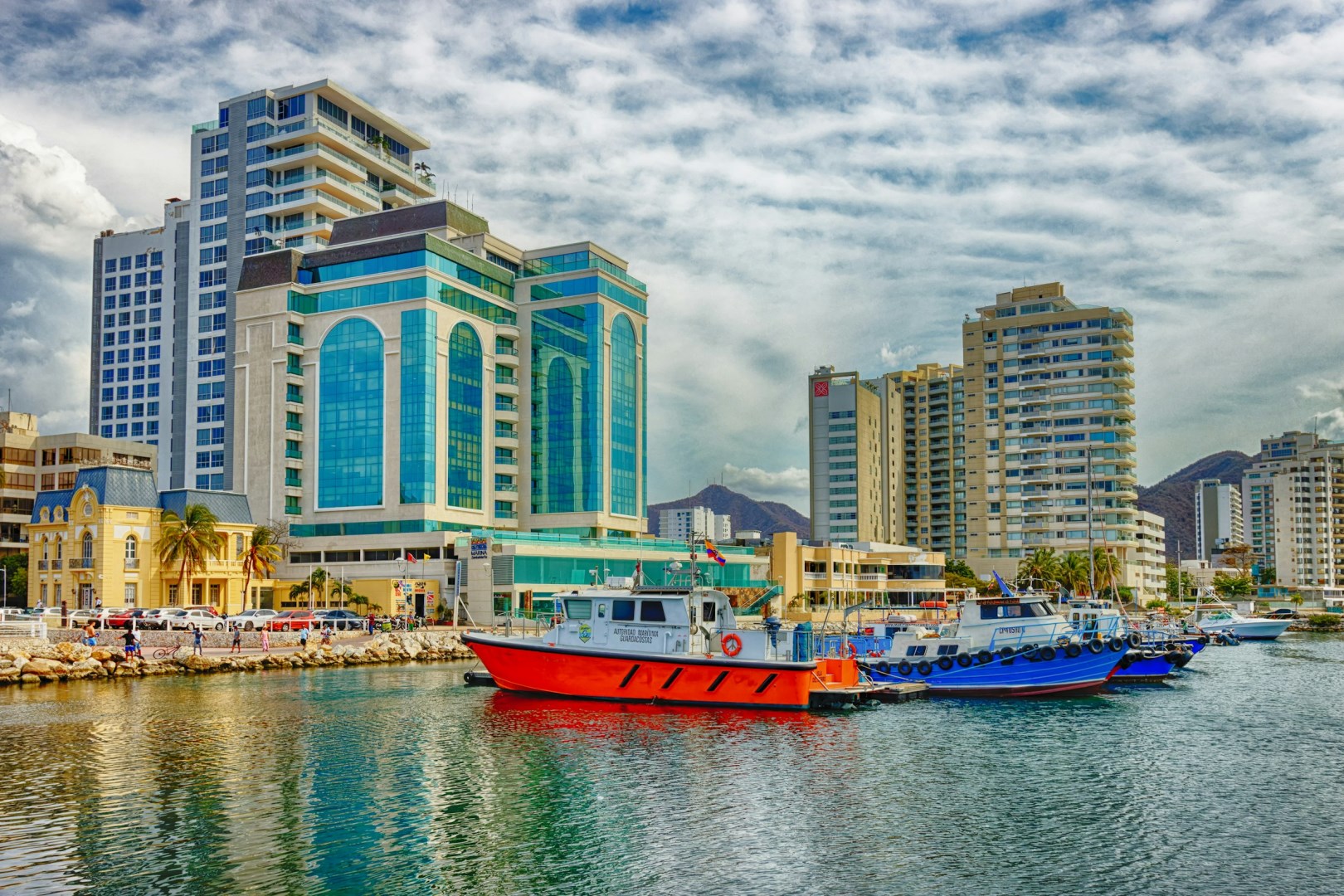
Santa Marta, located on Colombia’s northern Caribbean coast, is one of the country’s oldest cities, founded in 1525. It has long served as a gateway between the coast and the Sierra Nevada de Santa Marta, the world’s highest coastal mountain range.
