

Kampong Cham
Kampong Cham, nestled along the banks of the Mekong River, is a captivating destination that offers a blend of cultural heritage and natural beauty. This charming city is renowned for its picturesque landscapes, including the iconic Ko Paen Bamboo Bridge, which is rebuilt annually after the rainy season. Visitors can stroll through streets lined with French-colonial architecture, giving the city a quaint and historic ambiance.

Seychelles
The Seychelles, an archipelago of 115 islands in the Indian Ocean, is renowned for its turquoise waters, white-sand beaches, and lush tropical landscapes.

Tallinn
From grand castles to resplendent cathedrals, Tallinn’s Old Town neighborhood, a UNESCO World Heritage Site, is the perfect place to begin exploring. Enter through Viru Väravad, or Viru Gate, the former fortress whose remaining two towers beckon you into the heart of the city.

Monterey
Monterey, California, is a coastal gem with a rich maritime history and stunning natural beauty. Located on the rugged Pacific coastline, this charming city is renowned for its world-class aquarium, the Monterey Bay Aquarium, which offers visitors a chance to explore the vibrant marine life of the region. Monterey's historic Cannery Row, once the center of the sardine-packing industry, has been transformed into a lively waterfront area brimming with shops, restaurants, and cultural attractions.
Pontevedra
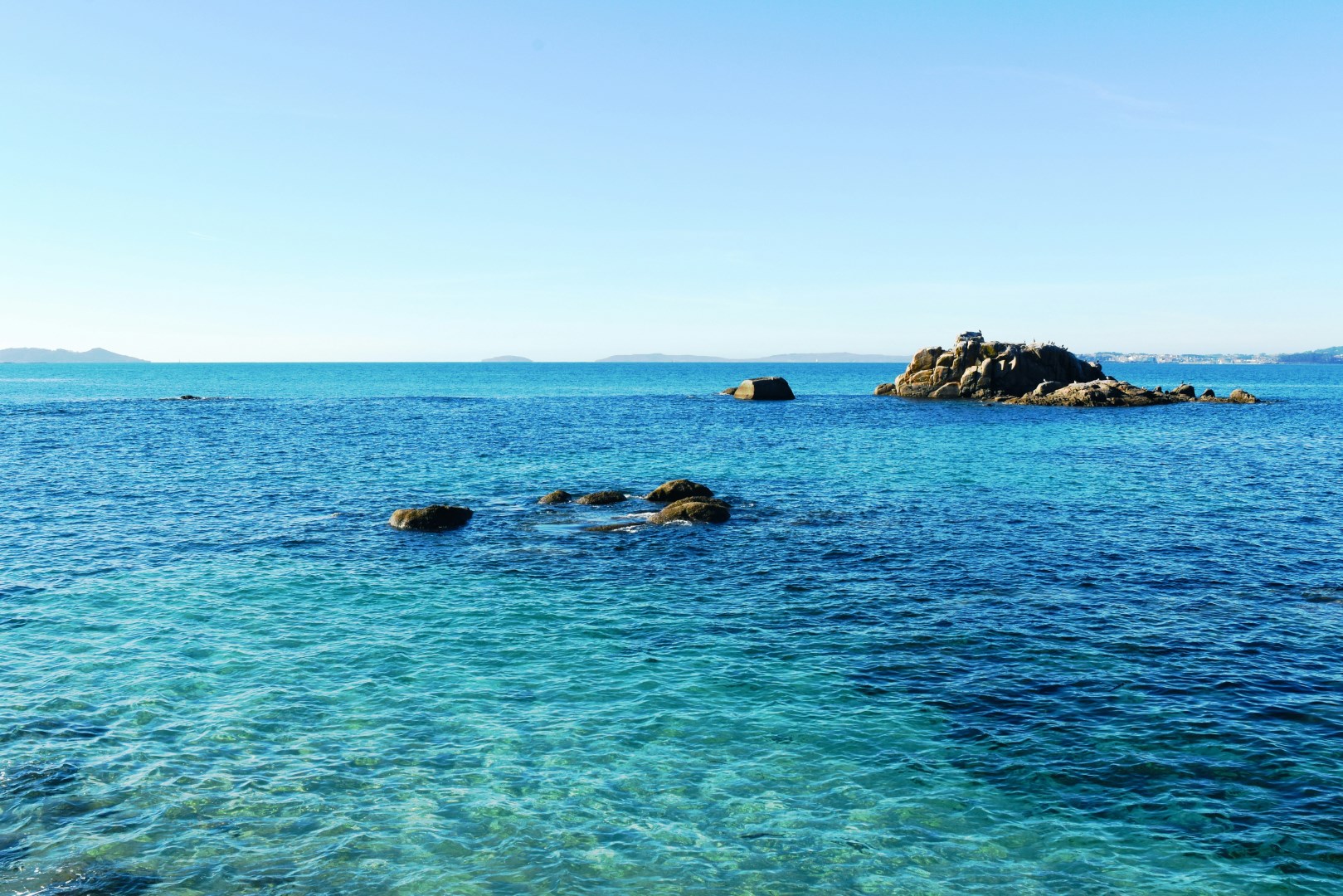
Pontevedra is a historic city in Galicia, in northwestern Spain, set along the Lérez River near the Atlantic coast. It is known for its well-preserved old town and a layout that favors pedestrians, giving the center a calm and accessible feel.
