

Bamberg
Bamberg, located in northern Bavaria, stands out for its remarkably preserved medieval layout, which earned it a spot on the UNESCO World Heritage list. Built on seven hills and often compared to Rome for that reason, the city’s architecture reflects over a thousand years of uninterrupted development. Bamberg is well known for its beer, and not just in the usual Bavarian sense. The city has more breweries per capita than any other town in Germany, and it’s the birthplace of rauchbier.
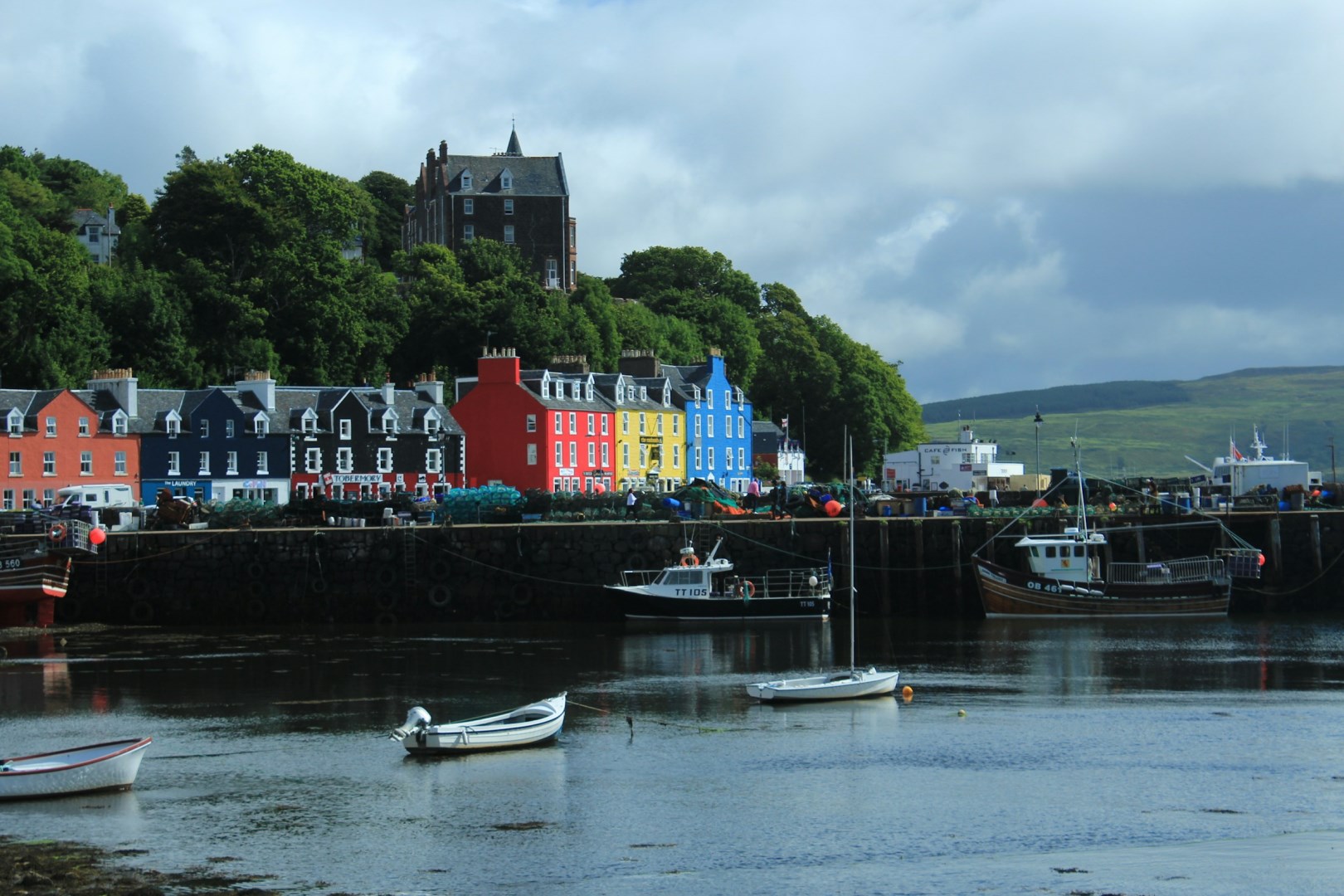
Isle of Mull
A scenic Inner Hebridean island with rugged coasts, mountains, sea lochs, sandy beaches and abundant wildlife.

Pilsen
Pilsen, located in the western part of the Czech Republic, is renowned for its rich history and vibrant cultural scene. The city is best known as the birthplace of Pilsner beer, a name synonymous with the iconic pale lager that has become a global standard.

Beverly Hills
Beverly Hills, California, is synonymous with luxury, glamour, and a unique blend of history and modern sophistication. Nestled within the heart of Los Angeles County, this iconic city is best known for its world-famous shopping district, Rodeo Drive, where upscale boutiques and designer stores, like Gucci, Prada, and Louis Vuitton, line the palm-tree-fringed streets.

Inverness
Inverness, the cultural capital of the Scottish Highlands, is a city where ancient history meets stunning natural beauty. Situated at the mouth of the River Ness, Inverness is often called the "Gateway to the Highlands" and serves as the perfect starting point for exploring Scotland's rugged landscapes and rich heritage. One of the city’s most iconic landmarks is Inverness Castle, perched on a hill overlooking the River Ness.
