

Porto Santo Stefano
Porto Santo Stefano features two main ports which serve as gateways to the nearby Tuscan Archipelago. Visitors can enjoy the crystal-clear waters and pristine beaches, perfect for swimming and snorkeling.

Giurgiu
Giurgiu, a charming city in southern Romania, offers a unique blend of history, culture, and natural beauty, making it a captivating destination for travelers seeking an off-the-beaten-path experience.

Hovden
Hovden is part of Setesdal, a region recognized for its distinctive Norwegian folk traditions and strong rural identity. Music and dance are especially important, with the Setesdal tradition of playing the hardingfele fiddle and munnharpe jaw harp included on UNESCO's Intangible Cultural Heritage list. The area also has a long connection with metalworking. The Hovden Museum of Iron Production presents a reconstructed iron-smelting facility and explains how local ore was processed using charcoal.
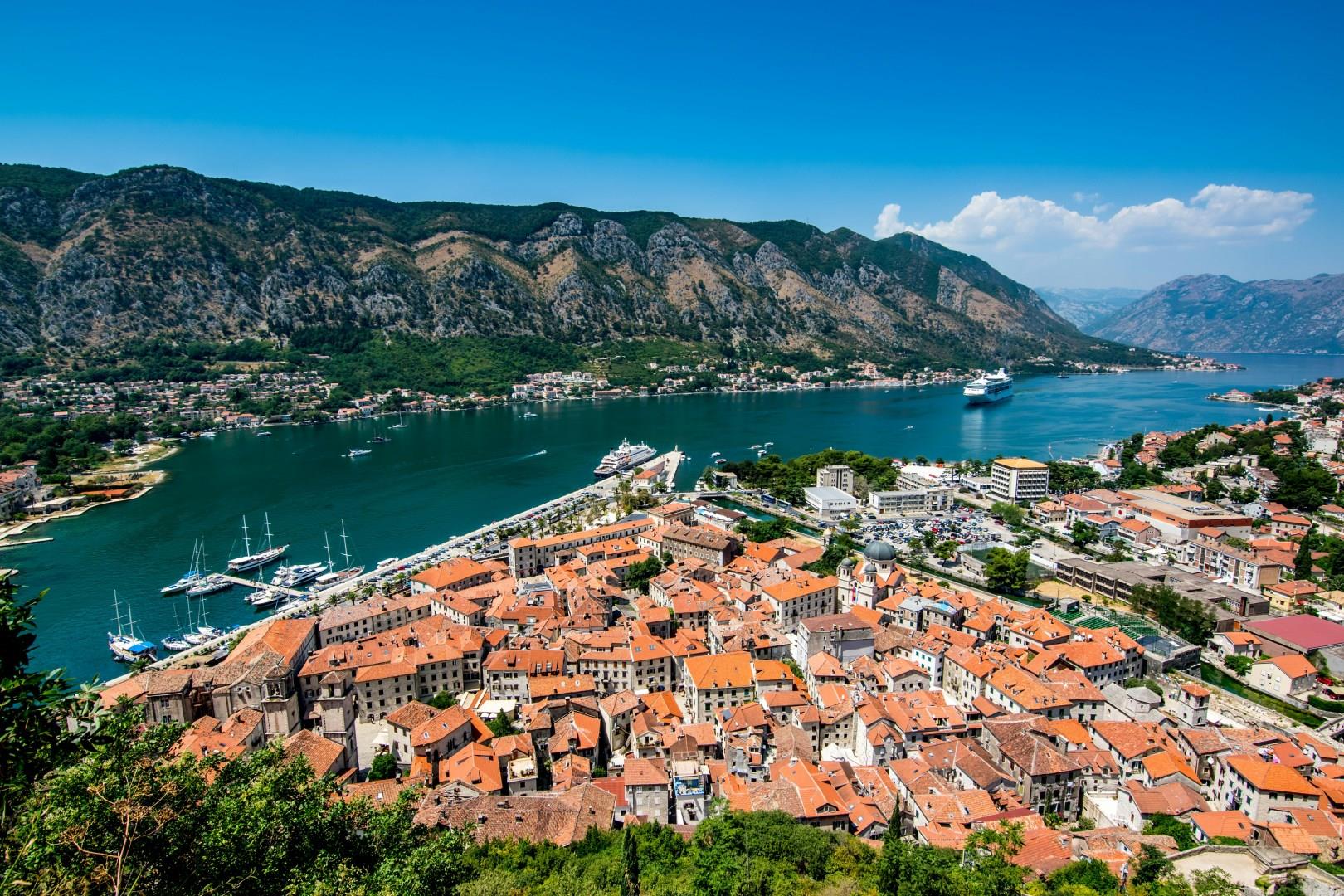
Montenegro
Montenegro, set along the Adriatic Sea, draws travelers with its dramatic landscapes and layered history. The Bay of Kotor, often mistaken for a fjord, is actually a submerged river canyon surrounded by steep cliffs and medieval towns. Kotor itself, a UNESCO World Heritage site, is enclosed by ancient fortifications that visitors can climb for panoramic views stretching from terracotta rooftops to the sea.

Bar
Bar, a coastal town in Montenegro, is known for its scenic beaches and centuries-old landmarks. One of the town’s most significant historical sites is Stari Bar, an ancient fortress settlement set against the dramatic backdrop of Mount Rumija.
