
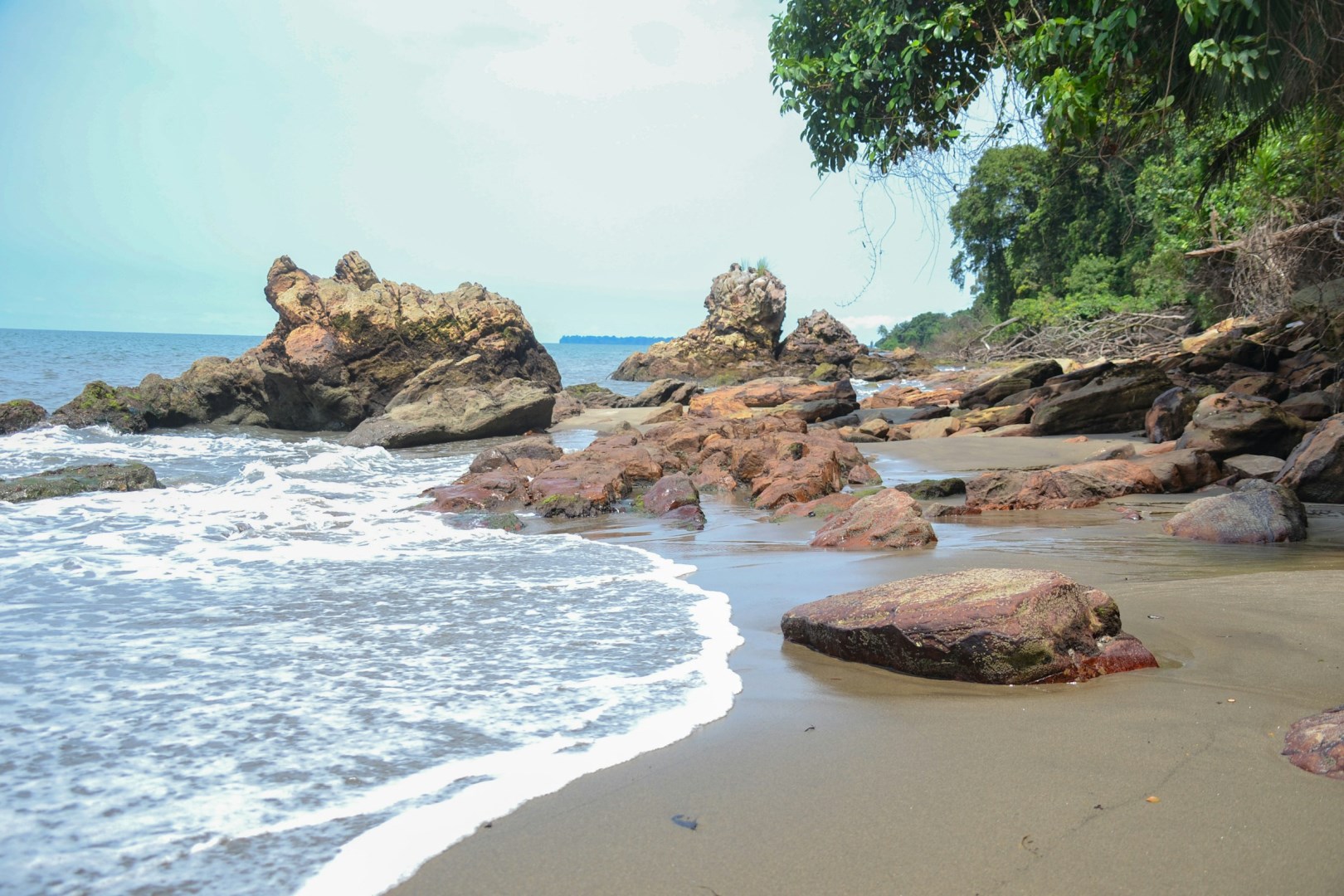
Gabon
Gabon, located on the west coast of Central Africa, is a country of lush rainforests, vast savannas, and a pristine Atlantic coastline. Despite its small population, it is home to remarkable biodiversity, including gorillas, chimpanzees, forest elephants, and countless bird species. National parks such as Loango and Ivindo protect these habitats, offering visitors a chance to experience Africa’s wildlife in relatively untouched landscapes.
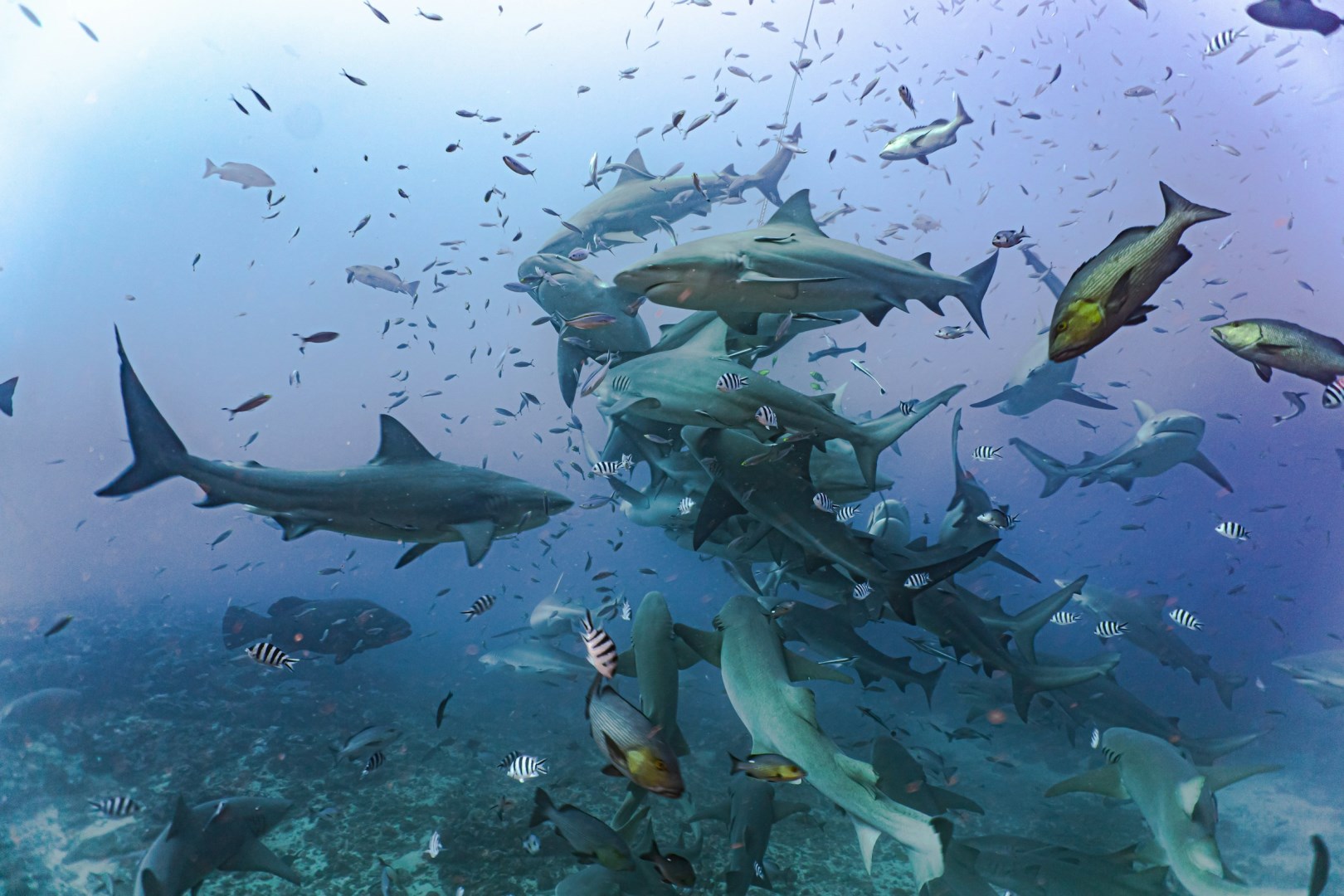
Pacific Harbour
Pacific Harbour, located on the southern coast of Viti Levu in Fiji, is known as the country’s “Adventure Capital.” Once envisioned as a luxury resort community, it has evolved into a dynamic destination that blends tropical relaxation with outdoor excitement.
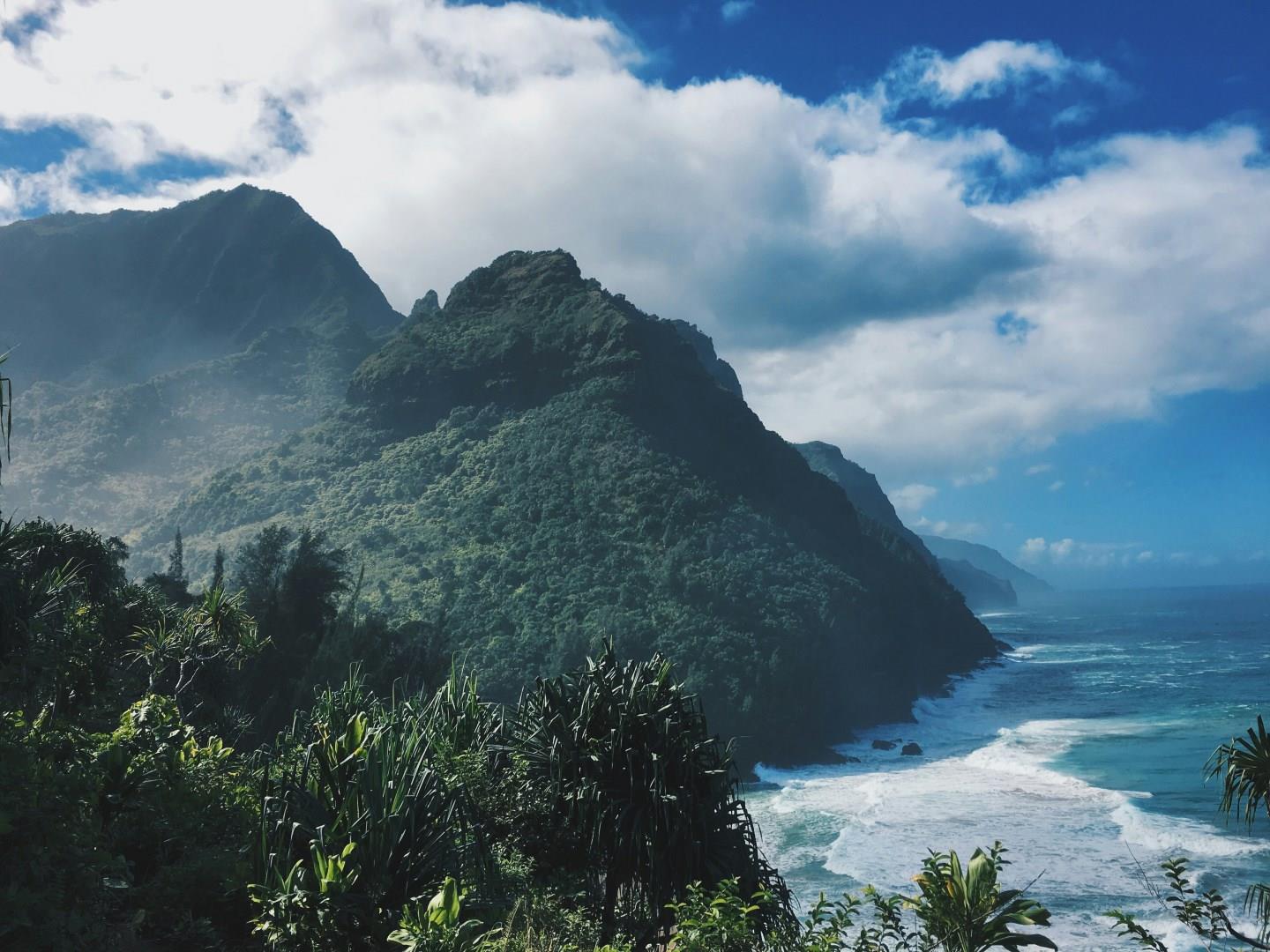
Kapaa, Kauai
Kapaa, a coastal town on the east side of Kauai, offers a laid-back alternative to Hawaii’s more developed resort areas. Despite its small size, Kapaa is one of the most populated towns on the island, making it a central hub for exploring the Coconut Coast, a stretch of shoreline dotted with towering palms and scenic overlooks.

Kamloops
Kamloops, located in the interior of British Columbia, sits at the meeting point of the North and South Thompson Rivers. The name comes from the Secwépemc word “Tk’emlúps,” meaning "where the rivers meet," and the area has been a gathering place for Indigenous communities for thousands of years. Today, visitors can explore this rich cultural heritage at the Secwépemc Museum and Heritage Park, where trails lead through archaeological sites and reconstructed pit houses.

Tangier
Located on the north coast of Morocco near the Strait of Gibraltar, Tangier is a cultural capital replete with historic sites, colorful architecture, and splendid beaches. An essential stop is the Ancien Medina, a walled collection of winding streets and alleys filled with cafes and shops leading to the Kasbah, a former palace and mosque that also houses a museum.
