
Macau
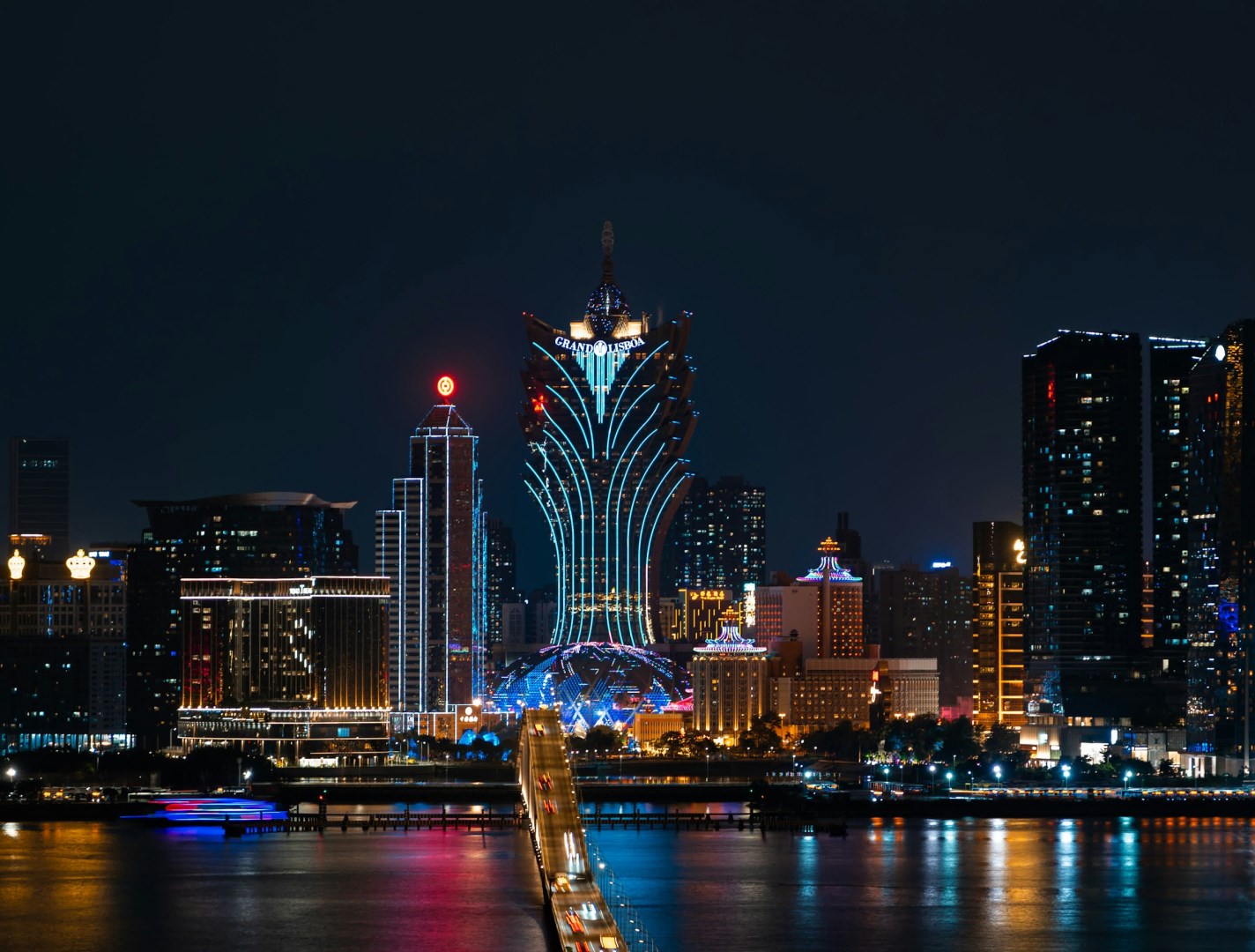
The city of Macau, located on the Pearl River Delta, is a destination where centuries of history meet modern vibrancy. Once a Portuguese colony, its streets still carry the marks of European influence: ornate churches, tiled plazas, and pastel façades sit alongside traditional Chinese temples and narrow alleyways filled with shops and markets.
Addu City
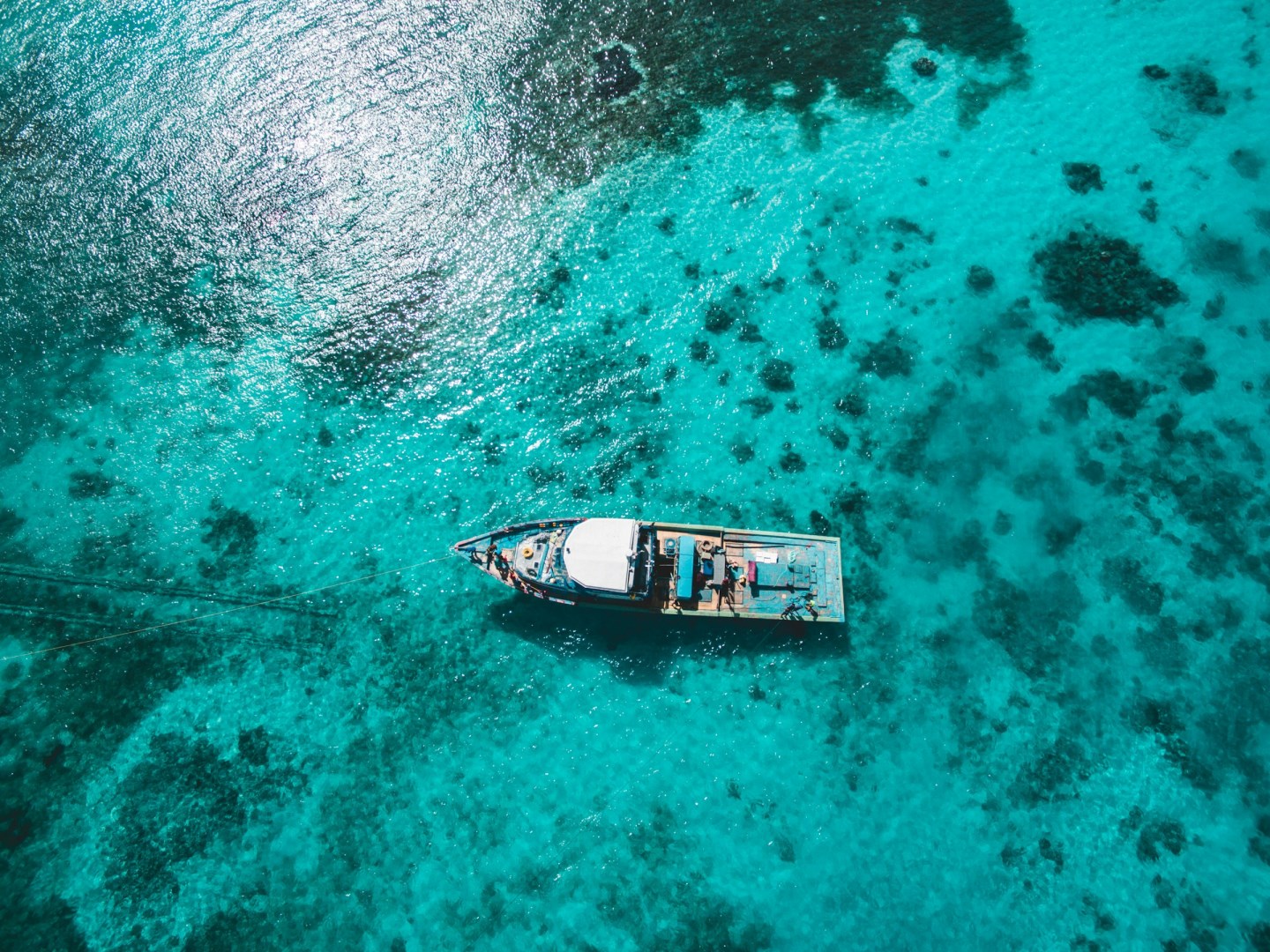
Addu City is the southernmost urban area of the Maldives, spread across six inhabited islands at the southern end of Addu Atoll. Located close to the Equator, it differs from many Maldivian destinations through its larger islands, interconnected roads, local neighborhoods, wetlands, and established communities. Hithadhoo, the largest district, contains much of the city’s population and natural landscape, while Gan is home to Gan International Airport.

Dominica
Dominica, known as the “Nature Island of the Caribbean,” is a haven for eco-tourists and adventure seekers. Nestled between the French islands of Guadeloupe and Martinique, this lush island boasts a remarkable landscape of volcanic mountains, dense rainforests, and stunning waterfalls. Dominica’s most iconic natural wonder is the Boiling Lake, the second-largest hot spring in the world.
León
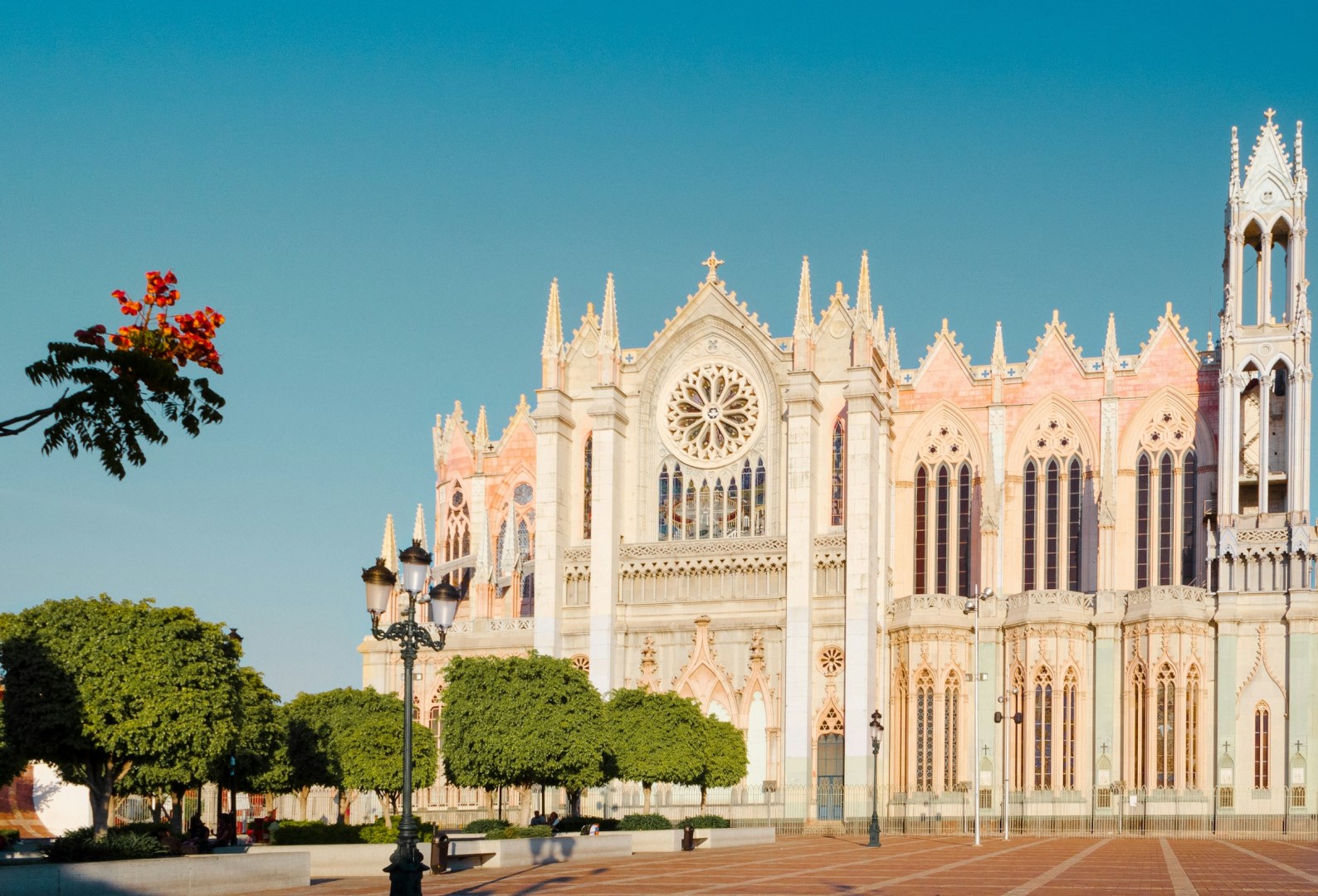
León, central Mexico, in Guanajuato State, in a fertile river valley, at an altitude of about 6000 ft. León is the industrial, commercial, and transportation center for a rich agricultural region and is a shoe-manufacturing center. Founded in 1576, León was a Spanish colonial administrative center.
Vermont
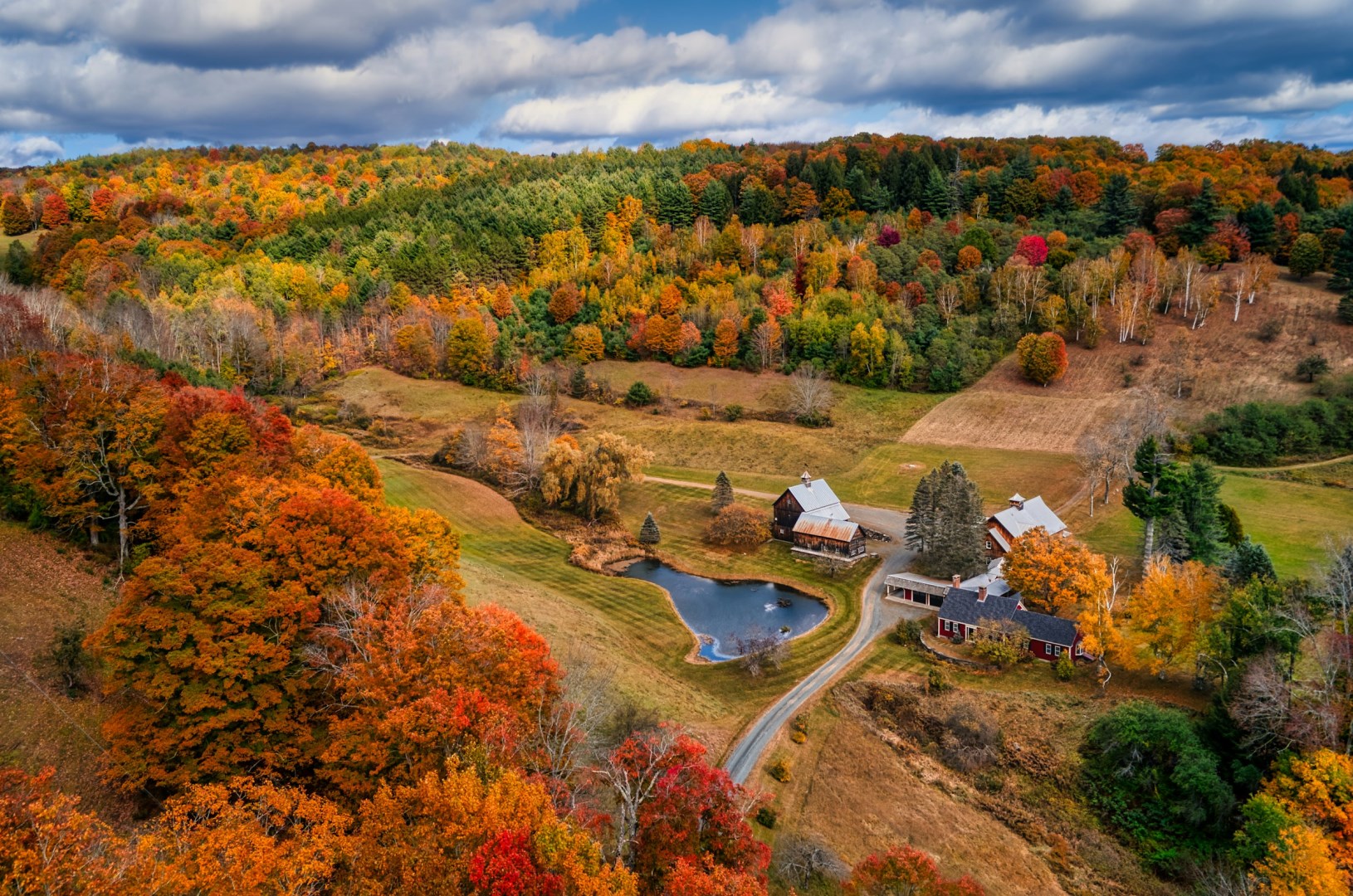
Vermont offers visitors not just postcard-perfect views, but a state shaped by independence, craftsmanship, and deep-rooted community traditions. That independent streak is still felt in small towns like Montpelier, the nation’s smallest state capital, and in villages like Grafton and Woodstock, where restored 19th-century buildings now house general stores, cheese shops, and local galleries.
