
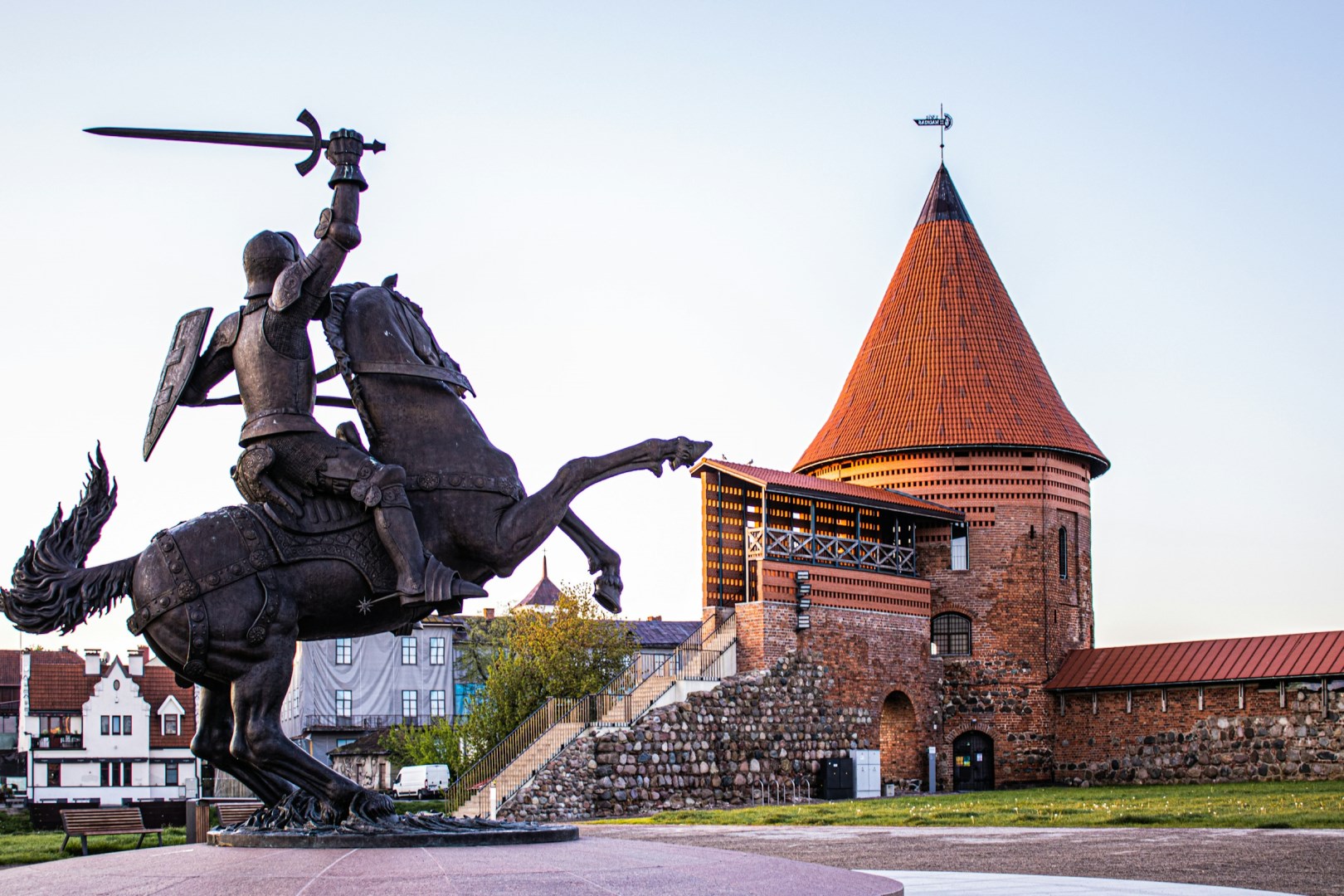
Kaunas
Kaunas is Lithuania’s second-largest city, located at the confluence of the Nemunas and Neris rivers in the country’s central region. Its historic center combines a compact Old Town of Gothic, Renaissance, and Baroque buildings with the broader streets and distinctive architecture of the New Town. Kaunas Castle, standing near the river confluence, is one of the city’s best-known landmarks, while Laisvės Alėja forms a long pedestrian boulevard through the central districts.

Tarragona
The Port of Tarragona is located in one of the most active economic areas of the Spanish Mediterranean, where the main petrochemical complex of the Spanish State is located.
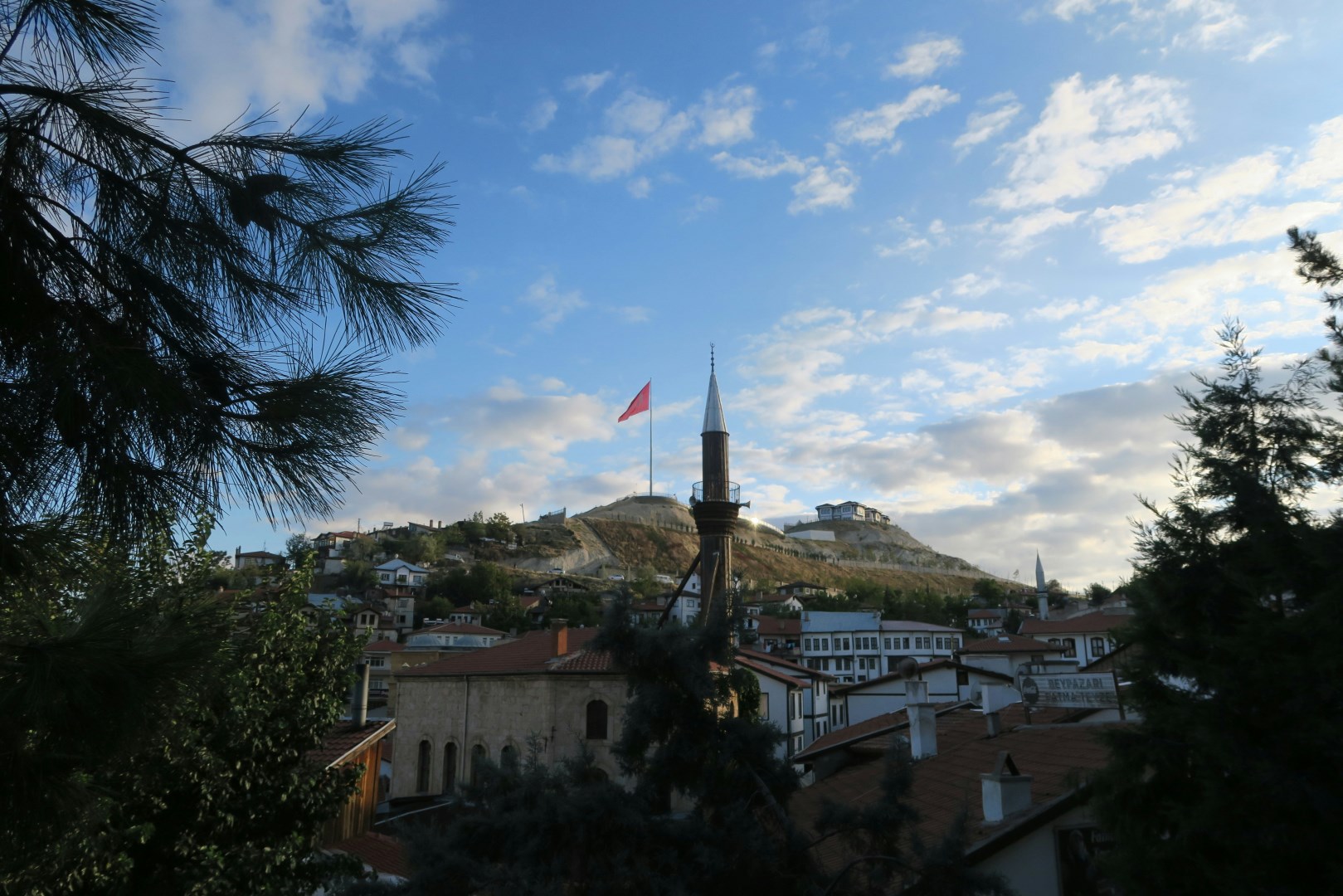
Beypazari
Beypazarı is a historic town in Ankara Province, Turkey, situated on the edge of the Central Anatolian plateau. It is recognized for its well-preserved Ottoman-era houses, narrow streets, and strong connection to traditional crafts. The town serves as both a residential center and a cultural destination, where restored buildings now function as museums, guesthouses, and workshops.
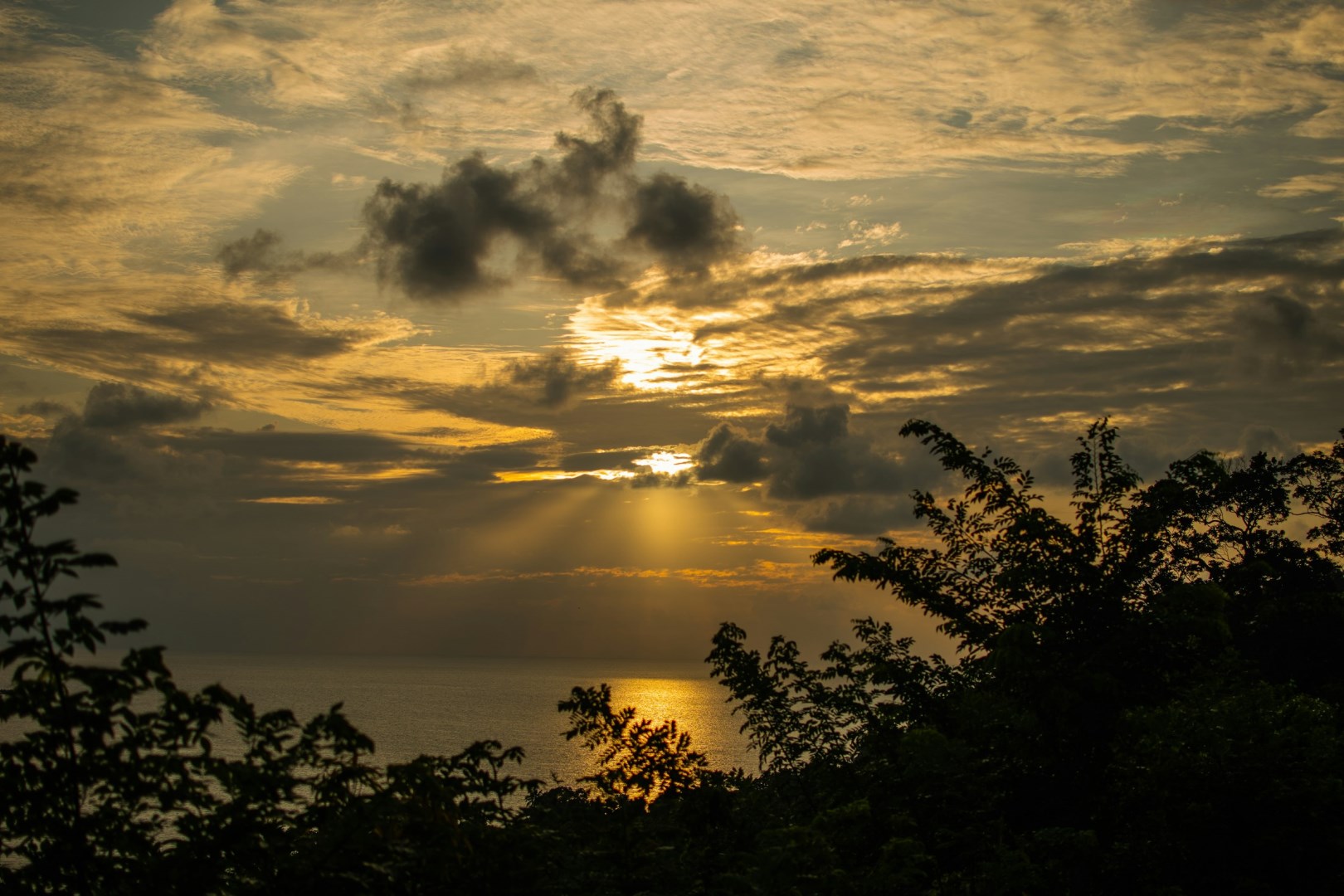
Chiconi
Chiconi is a coastal commune on the western side of Grande-Terre, the main island of Mayotte. It faces the island’s broad lagoon and includes the neighboring village of Sohoa, with the coastline shaped by beaches, mangroves, and sheltered bays. Chiconi has a strong connection to fishing and maritime activity, while its location provides views across the lagoon toward nearby islands.

Seattle
Seattle is a city shaped by water, mountains, and innovation. Its skyline, dominated by the Space Needle, tells only part of the story. Beneath it lies a vibrant mix of neighborhoods, each with its own character. Seattle was the birthplace of grunge music and remains a stronghold for independent arts. The Museum of Pop Culture (MoPOP), located at the Seattle Center, celebrates the city’s creative spirit with exhibits on everything from Nirvana and Jimi Hendrix to science fiction and gaming.
