
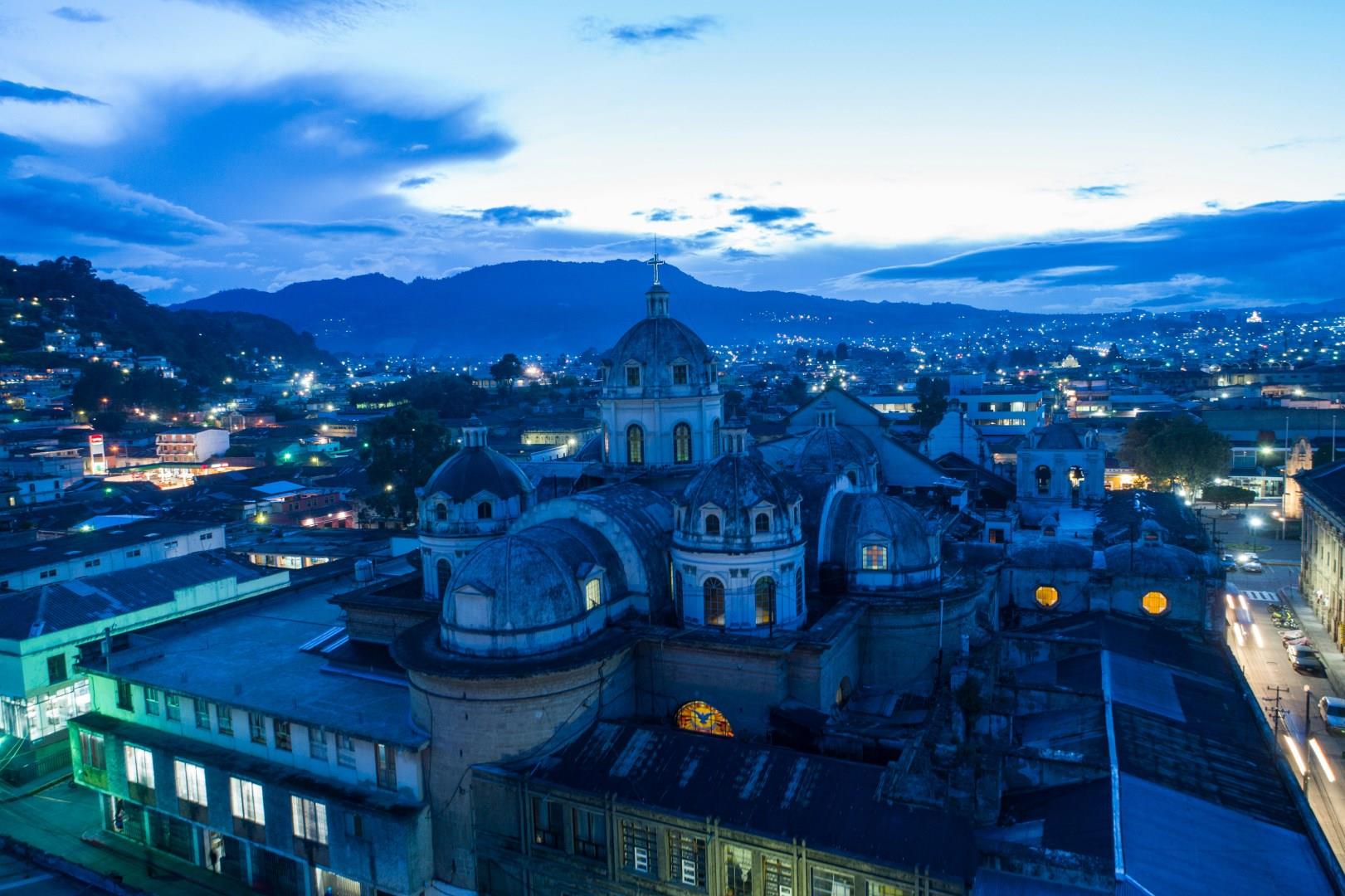
Quetzaltenango
Quetzaltenango, often called Xela by locals, is Guatemala’s second-largest city and a hub of indigenous culture, colonial history, and highland landscapes. Surrounded by volcanoes, including the towering Santa María, the city sits at over 7,600 feet above sea level, giving it a crisp mountain climate that contrasts with the country’s tropical lowlands.
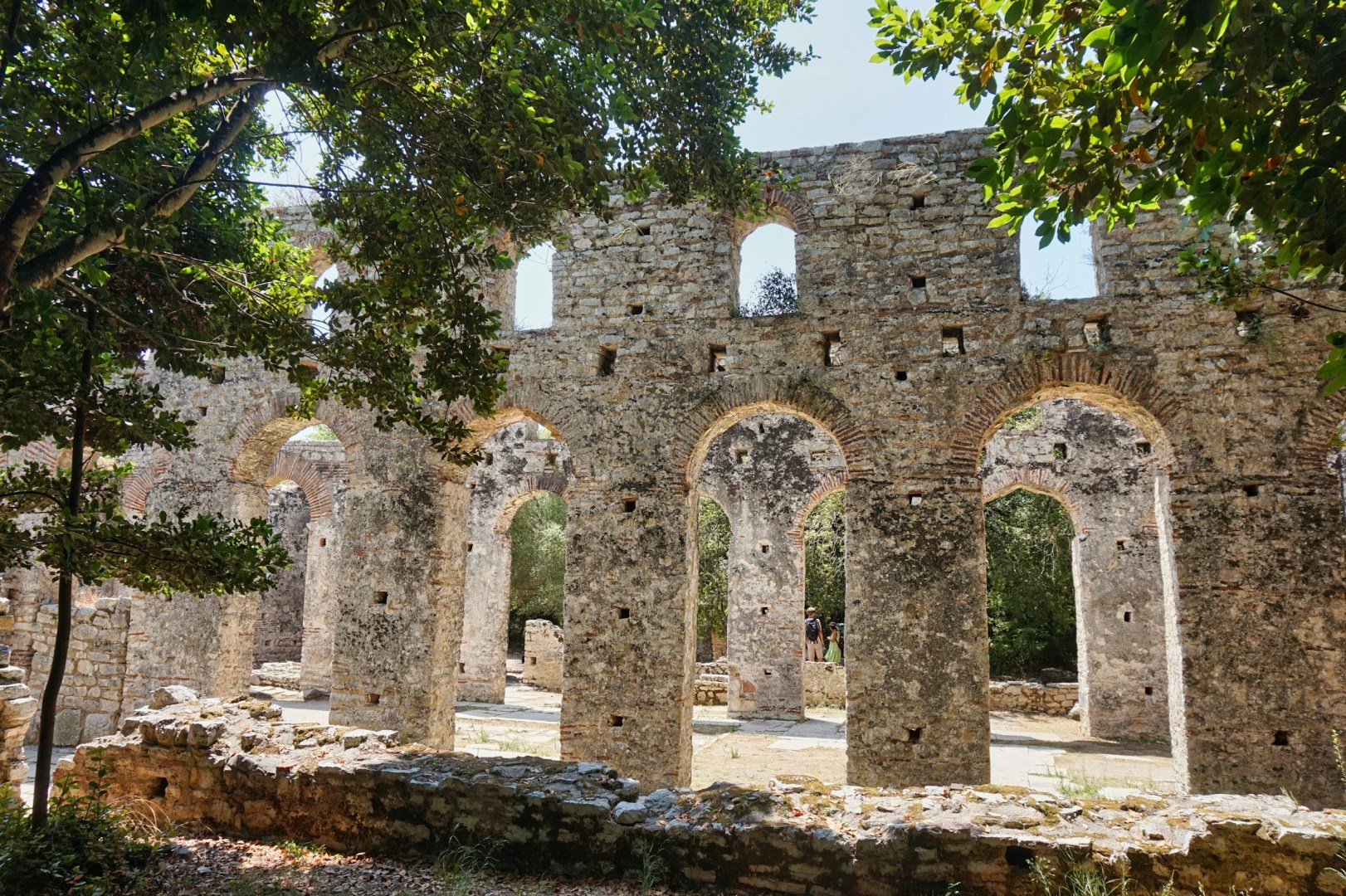
Butrint
According to legend, the ancient Greek city of Butrint was founded by the Trojans. It was later occupied by the Romans, Greeks, and the Byzantine Empire
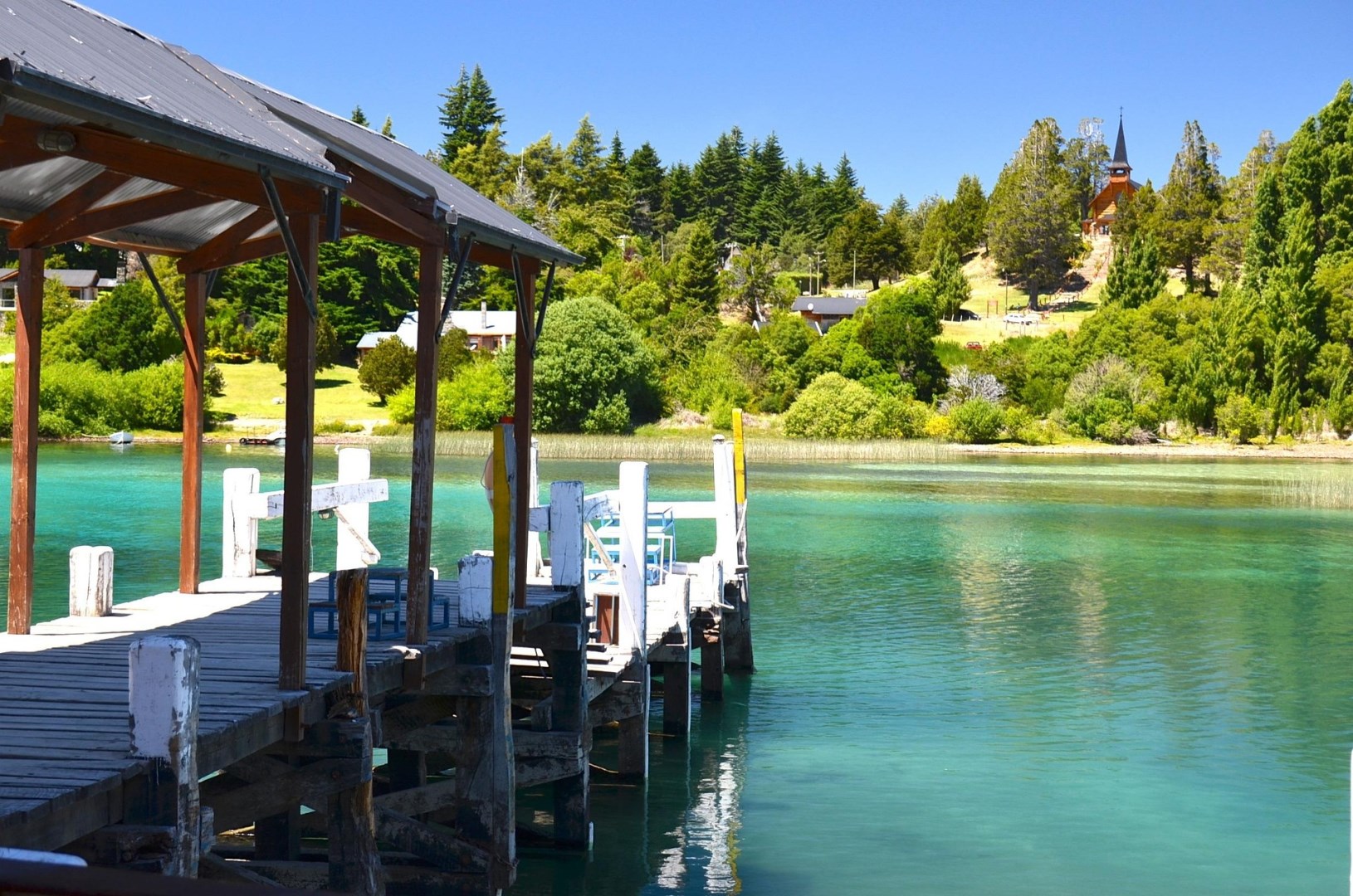
Bariloche
Bariloche, tucked into the foothills of the Andes in Argentina’s Patagonia region, is a town that feels both alpine and uniquely Argentine. With its wooden chalets, Swiss-style architecture, and chocolate shops on every corner, many visitors are surprised to find a lakeside town that resembles parts of Europe. But Bariloche’s identity is all its own, shaped by deep indigenous roots, waves of immigration, and the striking presence of Lake Nahuel Huapi.
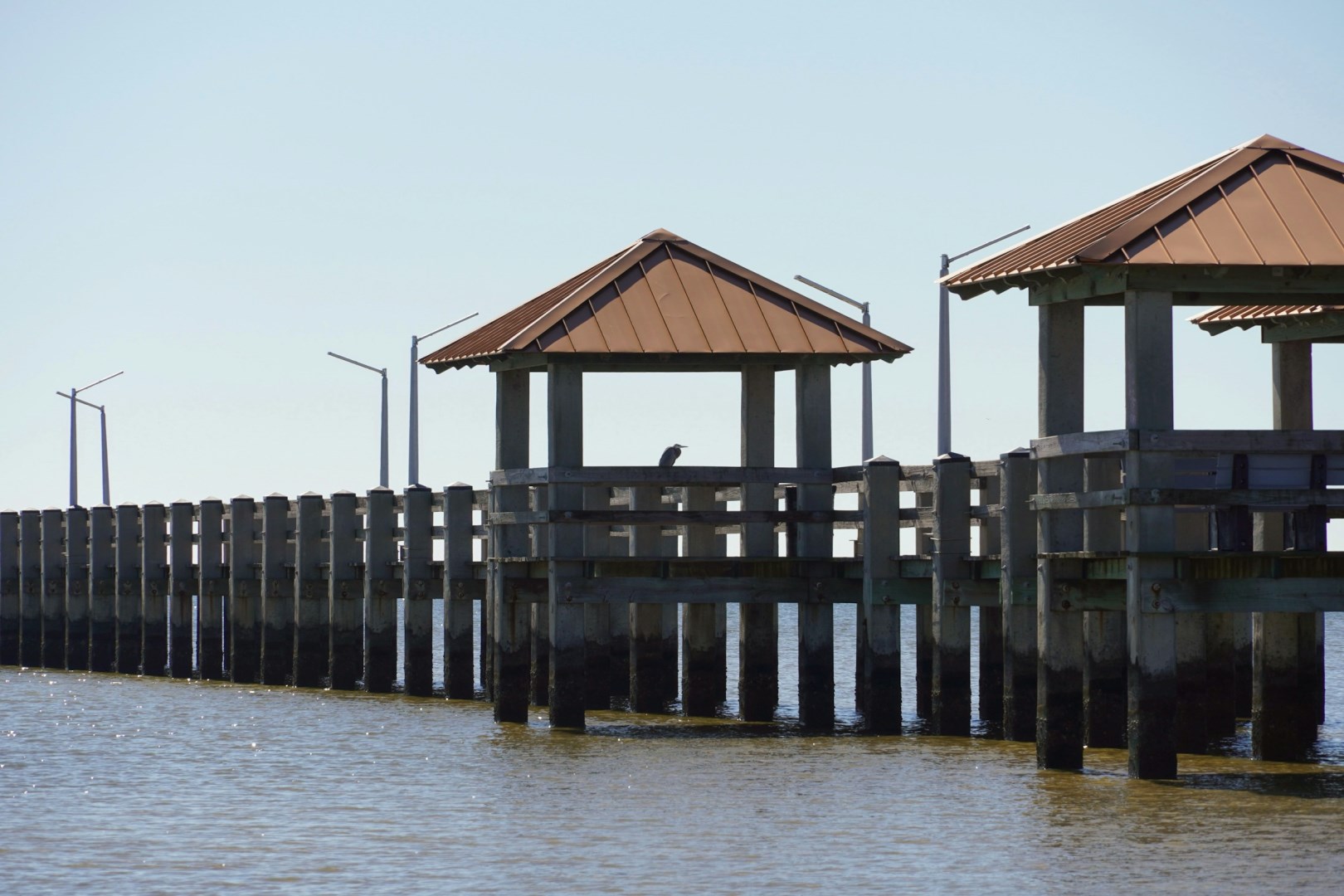
Gulfport
Gulfport, Mississippi, is the largest city on the Mississippi Gulf Coast and an important center for beaches, fishing, shipping, and coastal recreation. The city faces the Mississippi Sound, with barrier islands lying offshore and helping shape its relatively calm coastal waters. Gulfport Beach stretches along the shoreline with wide sandy areas, while the Port of Gulfport serves as a major deep-water shipping facility.
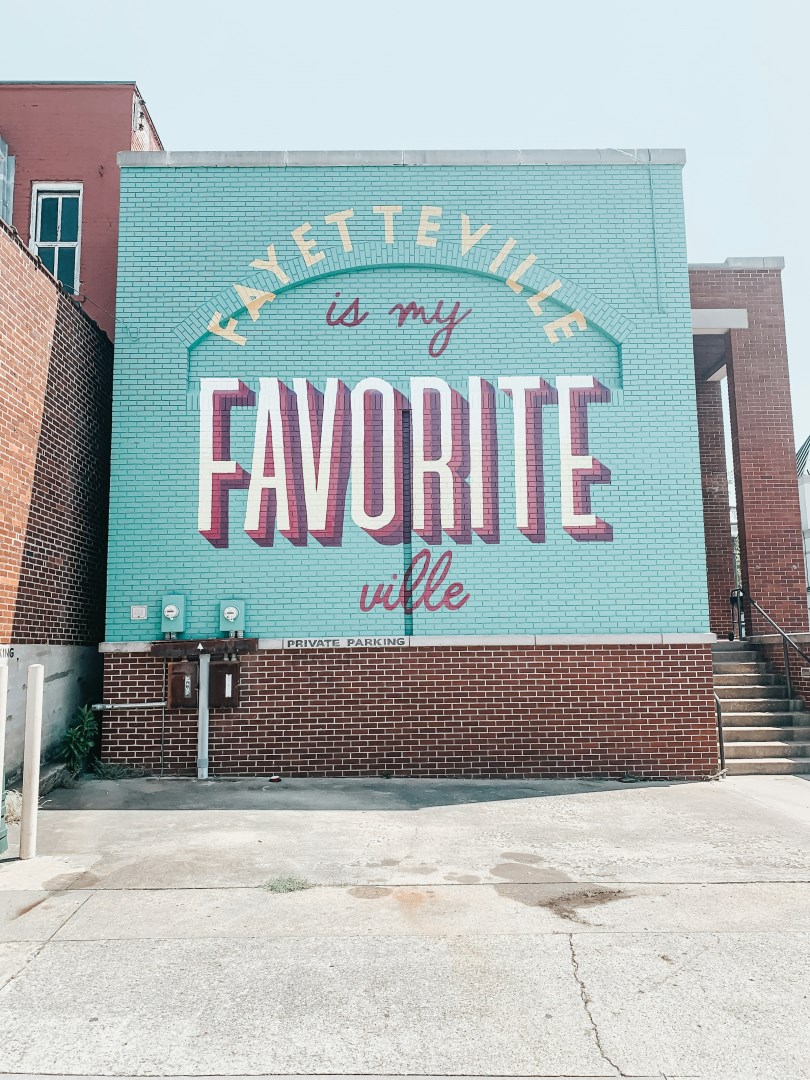
Fayetteville
With a population of 125,000, the All-America City of Fayetteville ranks as the sixth largest municipality in North Carolina. In 1949, Fayetteville adopted the council/manager form of government. Under this form of government, citizens are both stockholders and customers, the elected body represents the board of directors, and the manager is the paid professional responsible for the daily operations of the corporation.
