

Dominica
Dominica, known as the “Nature Island of the Caribbean,” is a haven for eco-tourists and adventure seekers. Nestled between the French islands of Guadeloupe and Martinique, this lush island boasts a remarkable landscape of volcanic mountains, dense rainforests, and stunning waterfalls. Dominica’s most iconic natural wonder is the Boiling Lake, the second-largest hot spring in the world.

Angkor Wat
Angkor Wat, located near Siem Reap in Cambodia, is a mesmerizing testament to the grandeur of the Khmer Empire and one of the world's most remarkable archaeological sites. Built in the early 12th century by King Suryavarman II, Angkor Wat was originally dedicated to the Hindu god Vishnu but later became a Buddhist temple.
St. David's
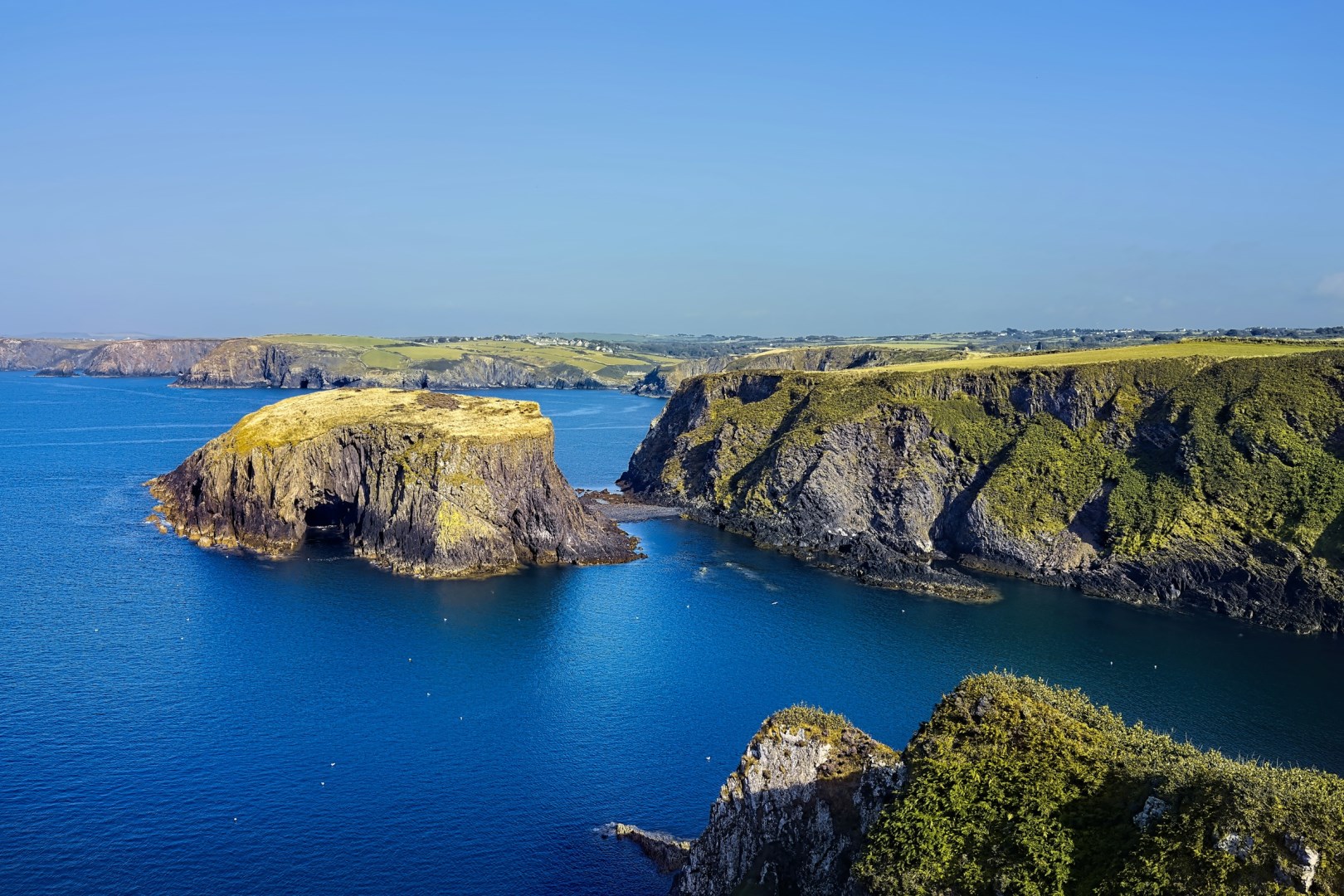
At the heart of this tiny village is the 12th-century St. Davids Cathedral. And, beside it lie the ruins of the bishop's Palace. Walk the coastal path and visit the popular Oceanarium.
Kirkenes
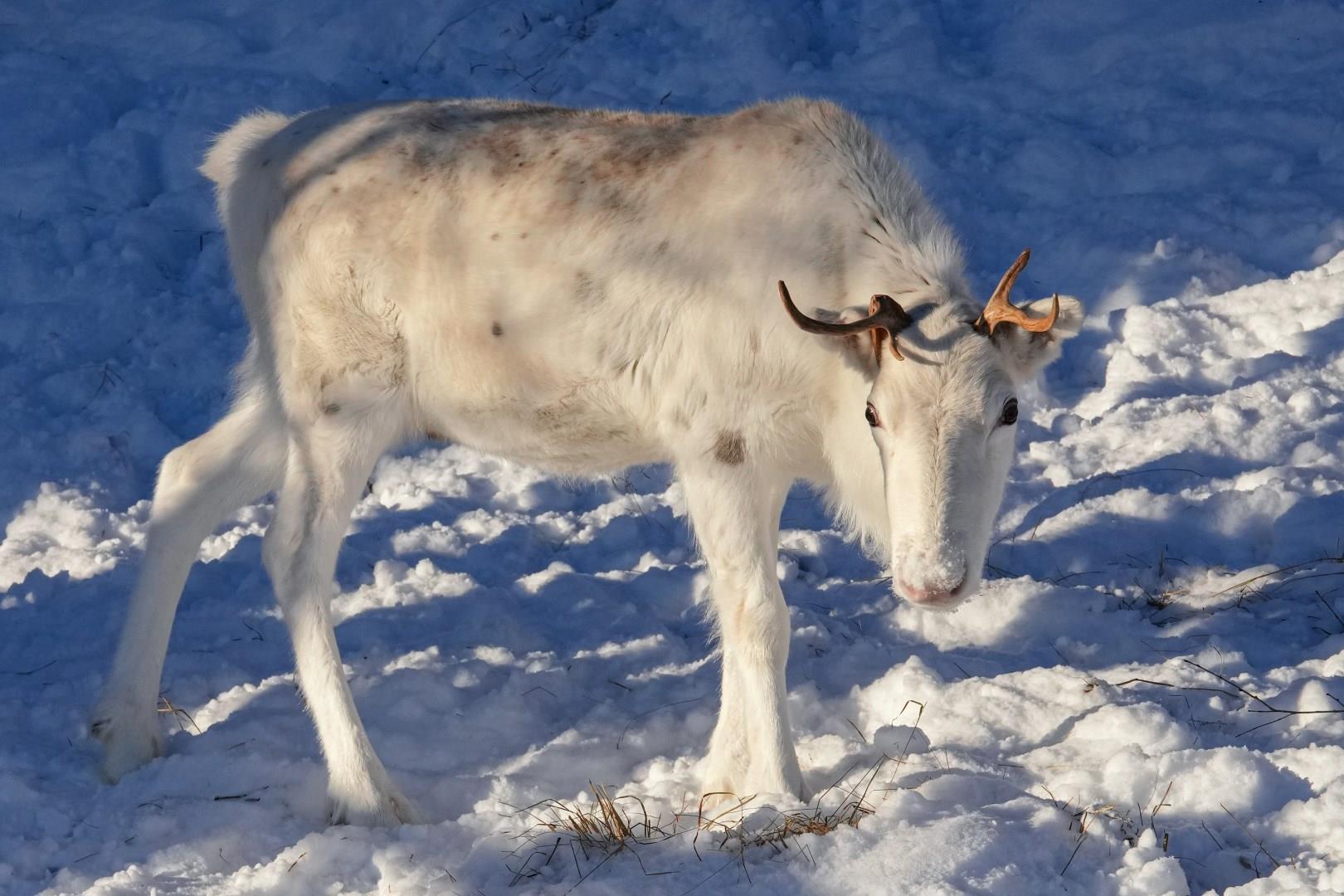
Kirkenes sits at the far northeastern edge of Norway, just a few kilometers from the Russian border and not far from Finland. This Arctic town offers travelers a perspective they won’t find anywhere else in the country. With street signs in both Norwegian and Russian, and a local history shaped by war, trade, and shifting borders, Kirkenes has long stood at the crossroads of cultures.

Marsaxlokk
Nestled along the southeastern coast of Malta, Marsaxlokk is a charming fishing village that offers an authentic glimpse into the island's maritime heritage. Renowned for its picturesque harbor filled with traditional "Luzzu" boats painted in vibrant blues, reds, and yellows, Marsaxlokk is a feast for the senses. These iconic boats, each adorned with the Eye of Osiris for protection, are a symbol of Malta’s deep-rooted cultural ties to the sea.
