
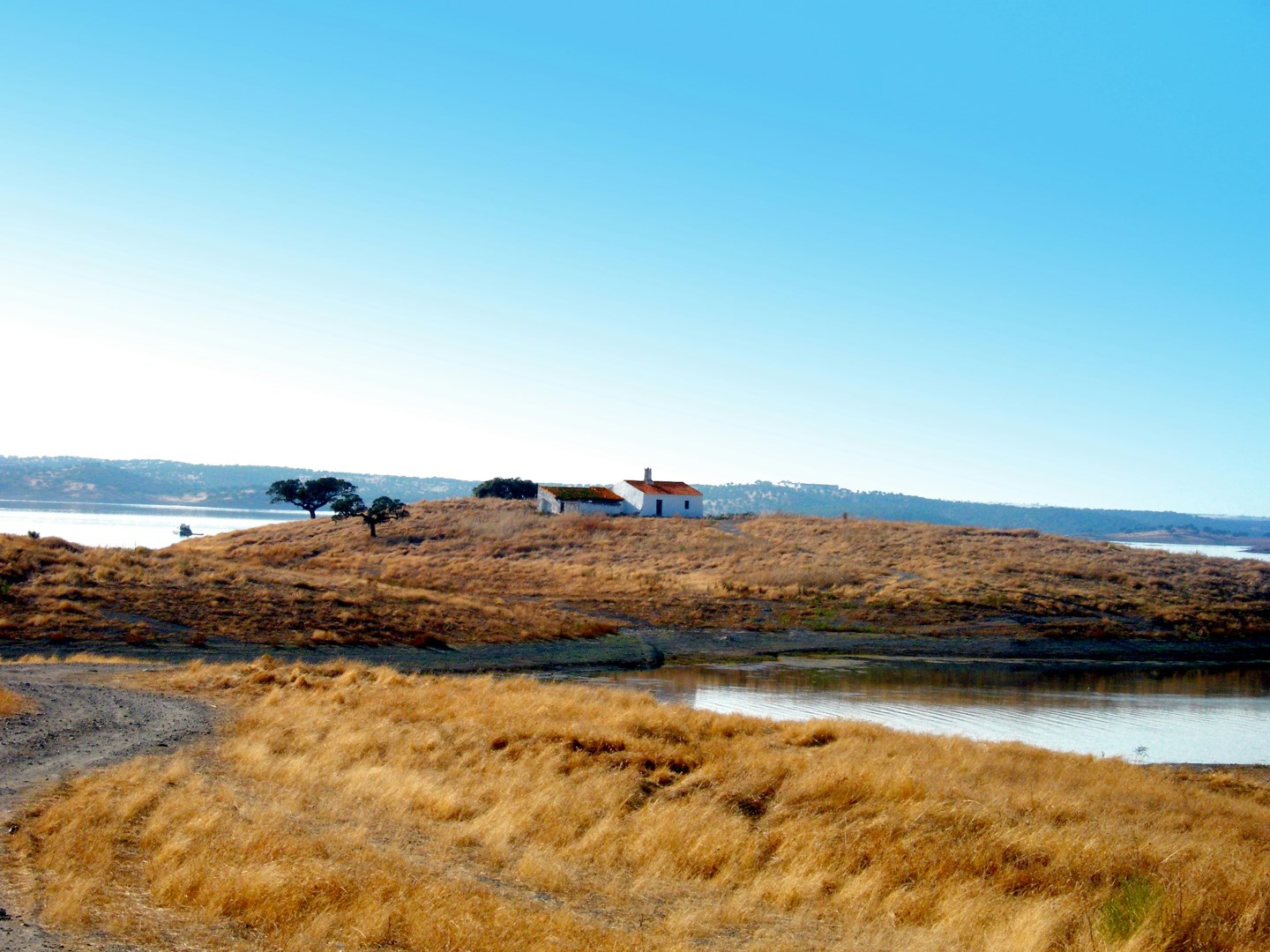
Alentejo
Alentejo is a large region in southern Portugal known for its wide plains, cork oak forests, whitewashed towns, and slower rural pace. Stretching from the Tagus River to the Algarve and from the Atlantic coast to the Spanish border, it covers much of the country’s interior farmland and wine-producing territory.
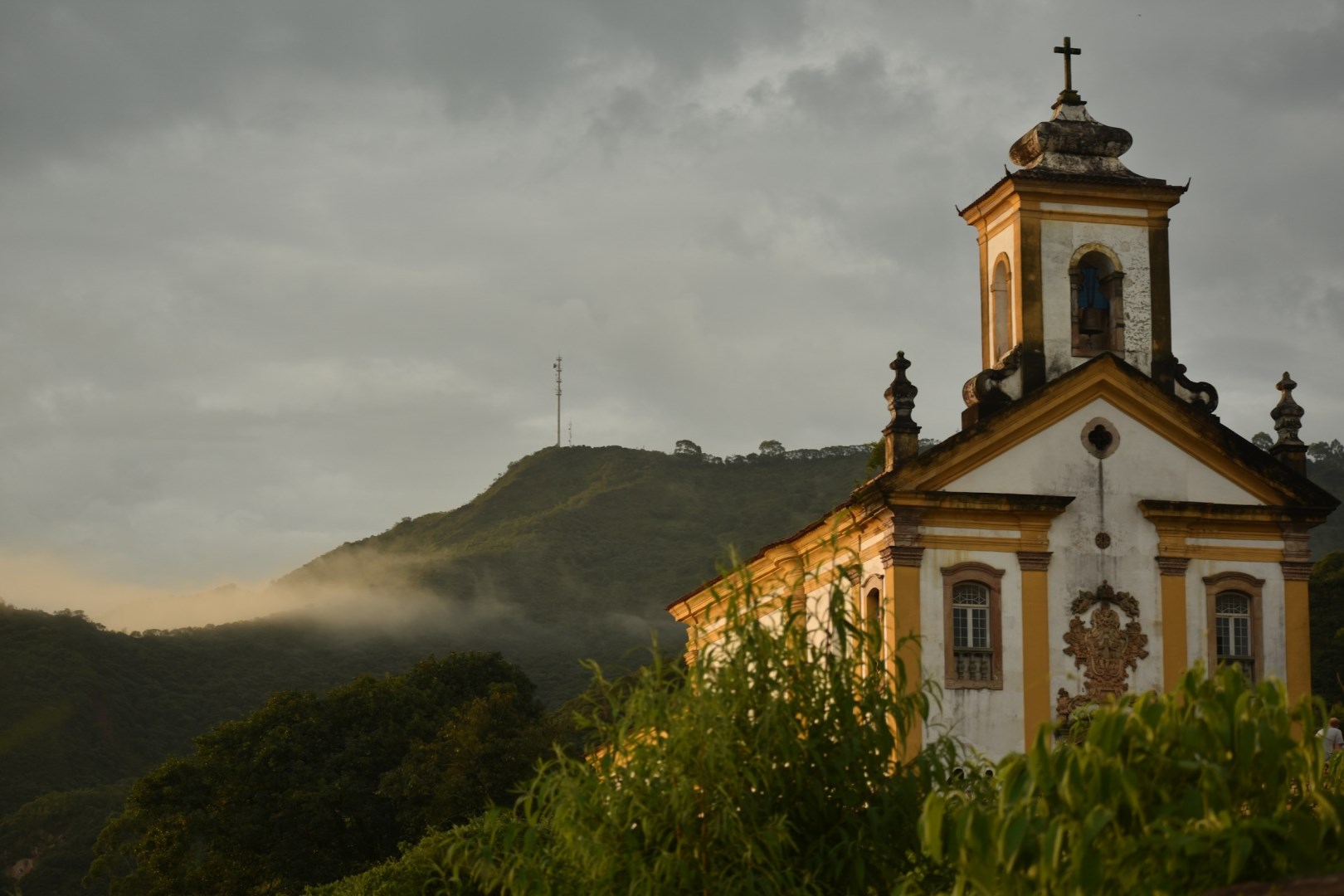
Ouro Preto
In Ouro Preto you will learn about the history of civilization. Walking around on the streets of Ouro Preto is an adventur full of discovery! With just a little time, you can wander freely between a world of history and that of actuality, with limits outlined by colonial architecture that now houses charming inns, restaurants, museums, shops, and more.

Avignon
Located on the Rhône River, Avignon is the city to which the Popes fled when leaving the corruption of Rome in the 14th century. The palace they built, 'Le Palais des Papes,' is a breathtaking must see.
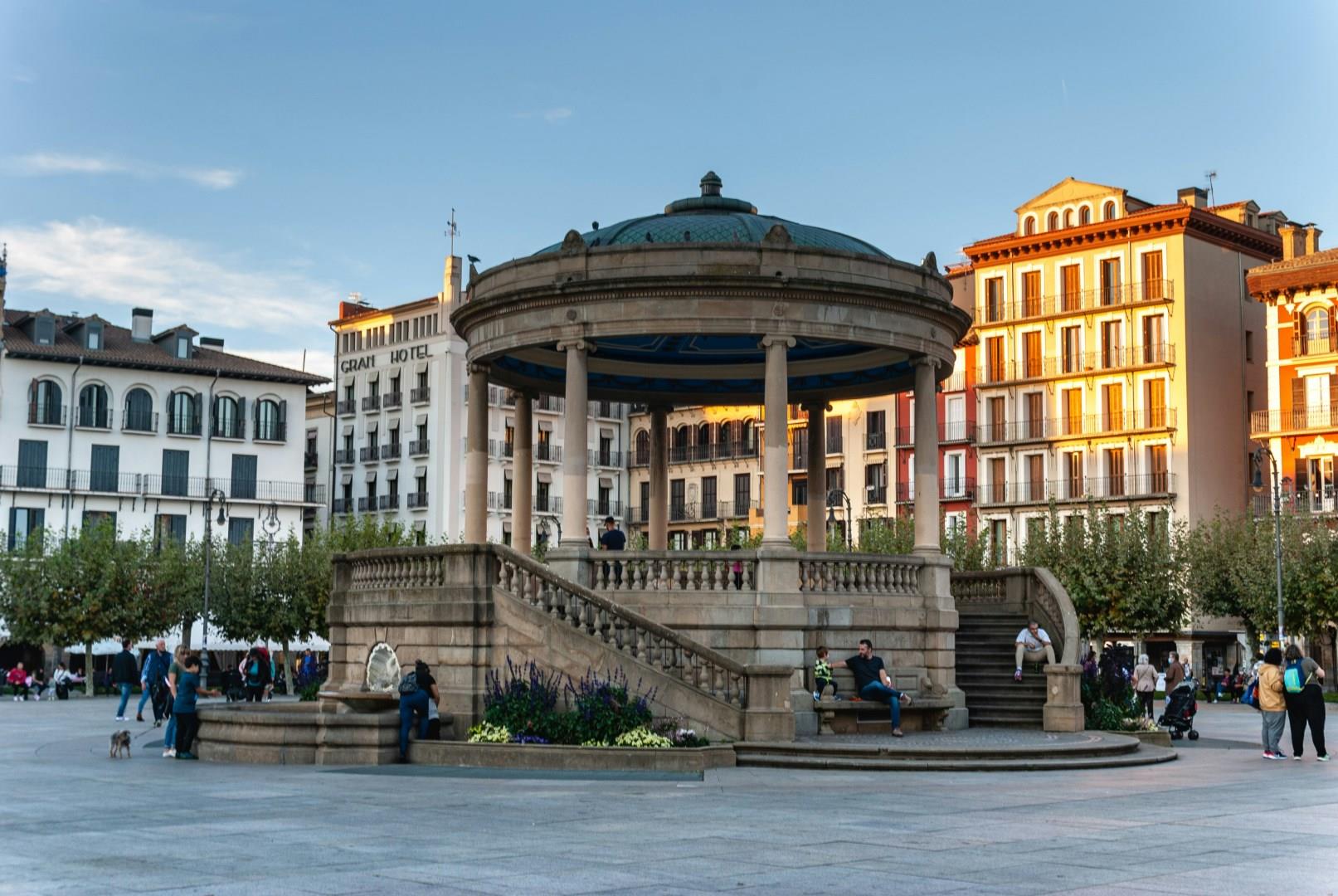
Pamplona
Pamplona, the capital of Spain’s Navarre region, is best known worldwide for the Running of the Bulls during the San Fermín festival each July. But beyond the brief rush of that event lies a city steeped in medieval history, Basque influence, and a slower pace that surprises many visitors. One of the most significant aspects of Pamplona is its place on the Camino de Santiago, the ancient pilgrimage route to Santiago de Compostela.
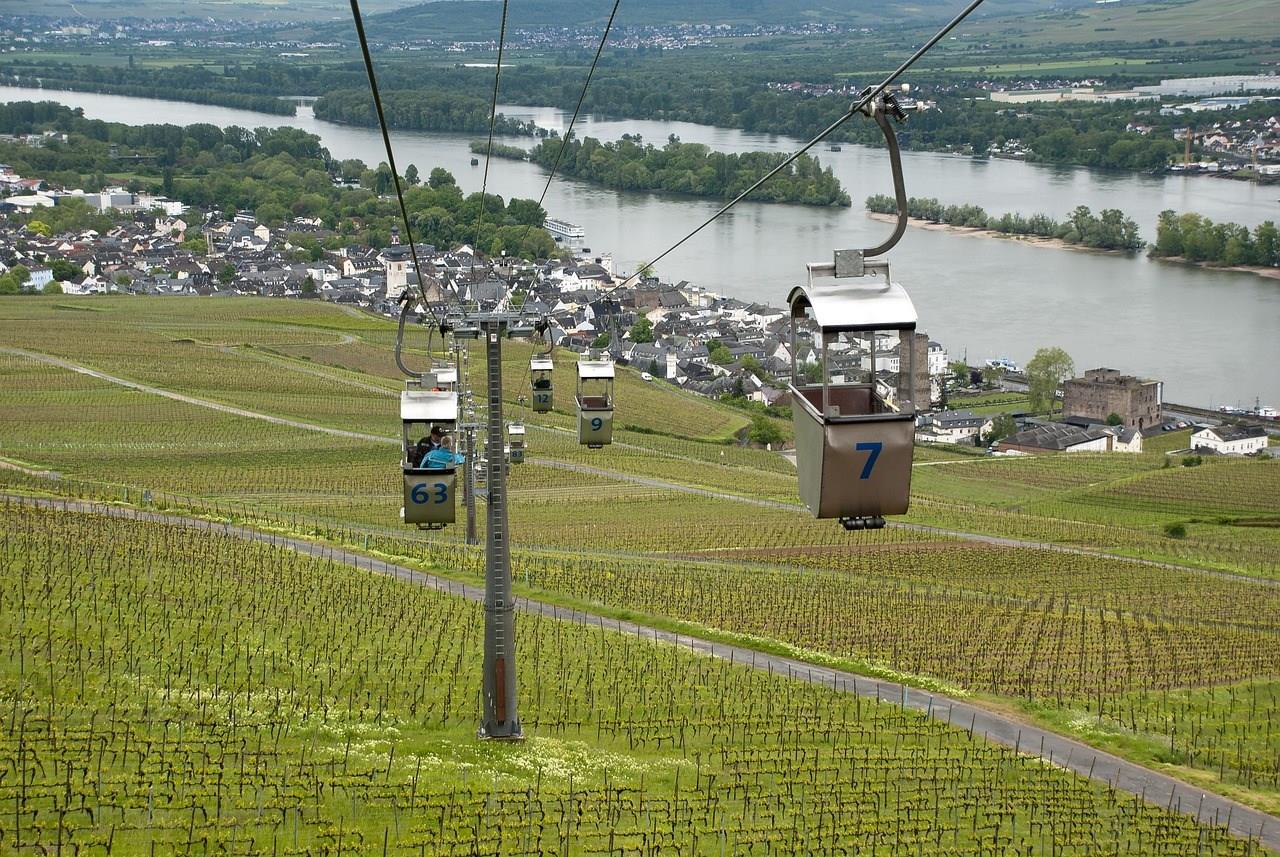
Rüdesheim
This city in the Rhine Gorge is known for its winemaking, dramatic landscapes and 15-minute cable car ride to the Niederwald Monument (celebrating the German victory over France in 1871).
