
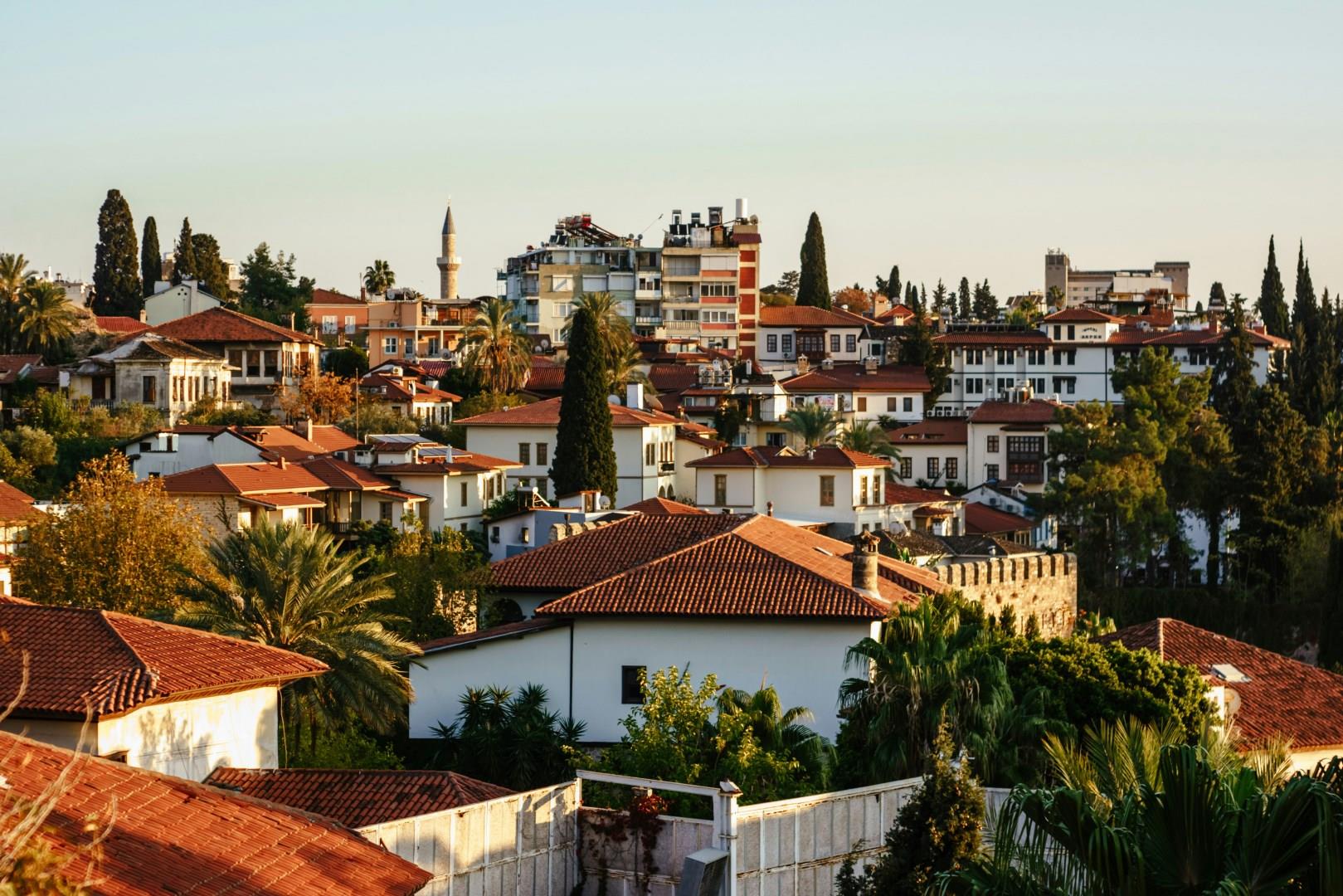
Selçuk
Selcuk, a small town in western Turkey’s İzmir Province, is one of the country’s richest destinations for history lovers. It sits at the foot of the ancient city of Ephesus, once one of the great cities of the classical world and home to the Temple of Artemis, one of the Seven Wonders of the Ancient World.
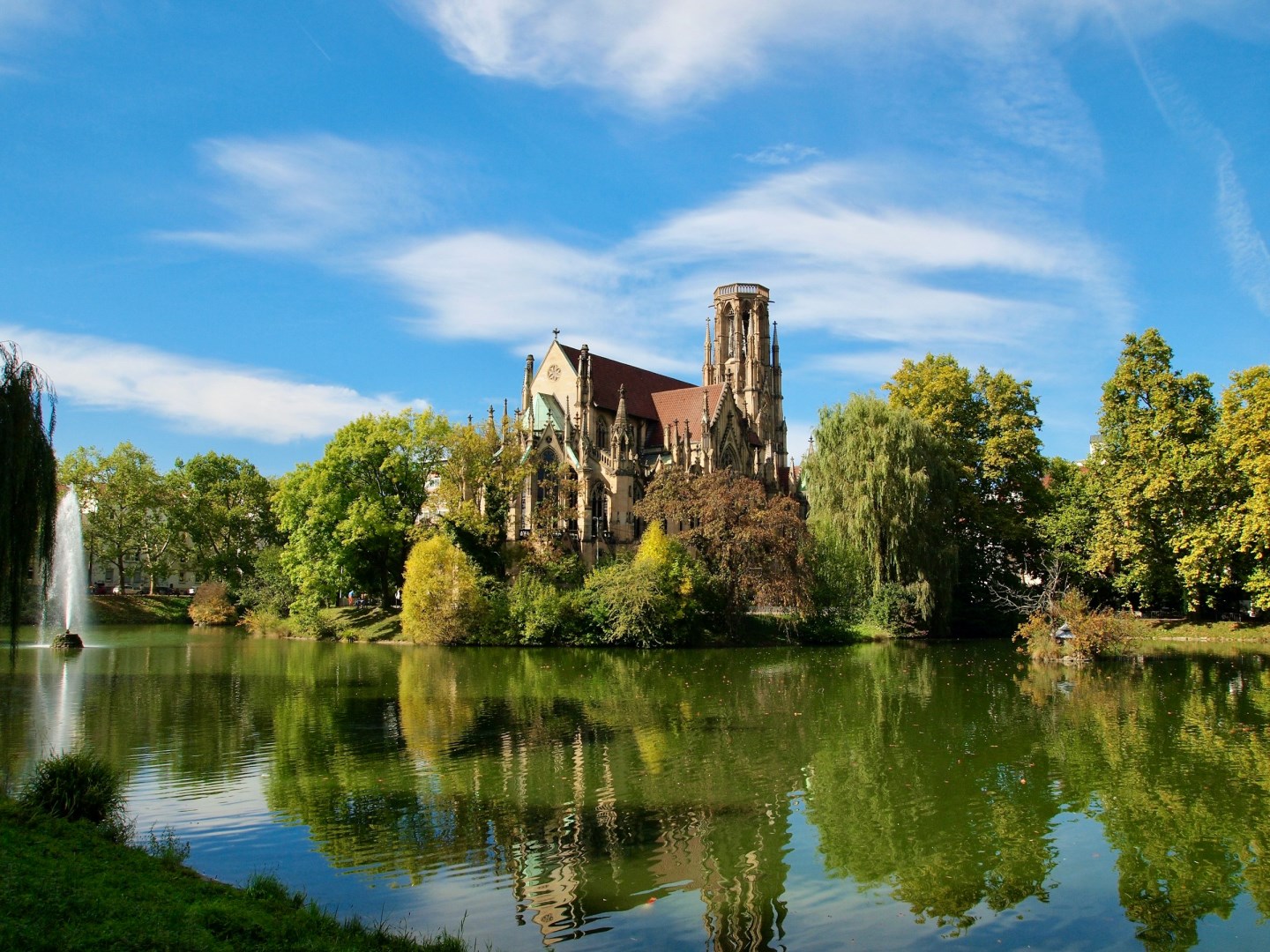
Stuttgart
Stuttgart, the capital of Baden-Württemberg in southwestern Germany, is a city celebrated for its automotive heritage, green spaces, and cultural vibrancy. Nestled in a valley surrounded by vineyards and gentle hills, Stuttgart balances modern industry with historical charm.
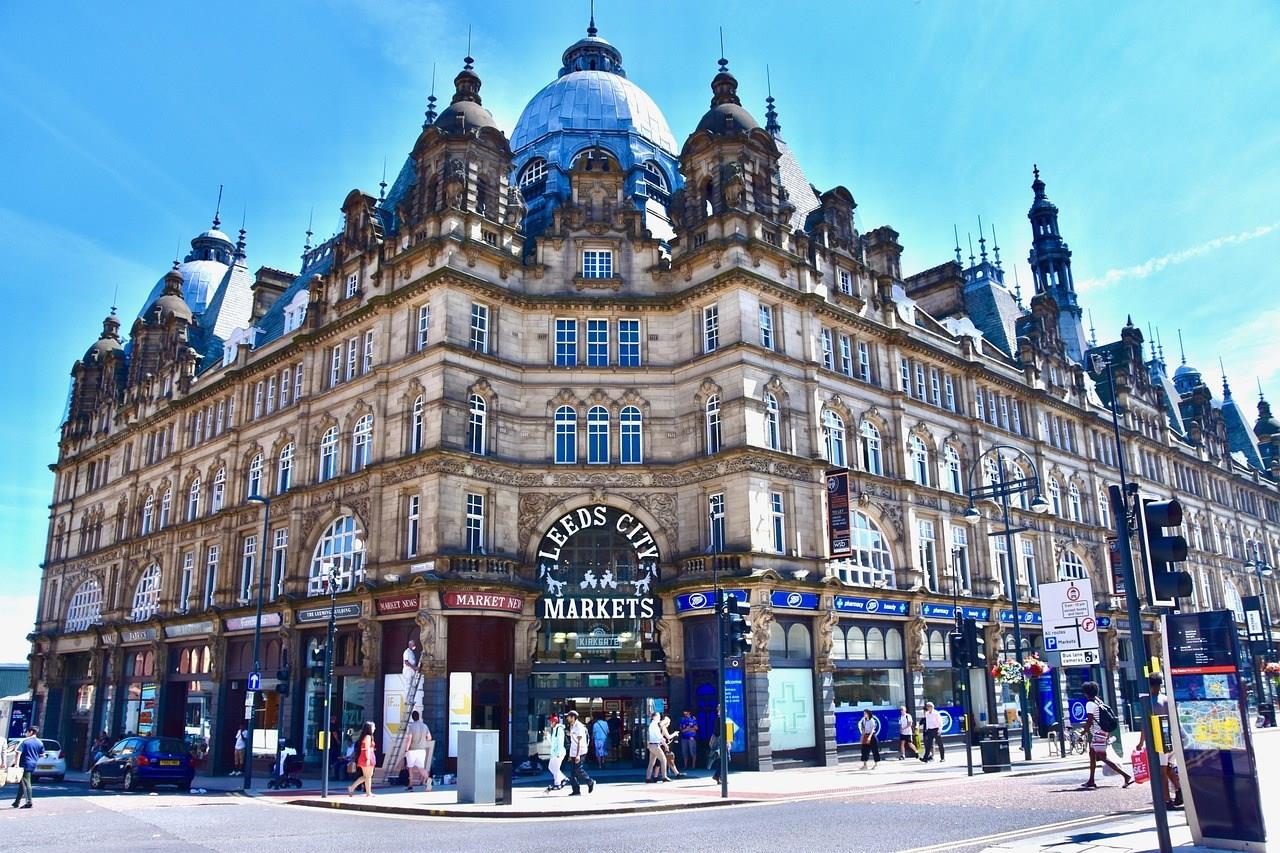
Leeds
Leeds, in the heart of West Yorkshire, is one of northern England’s most dynamic cities, where industrial heritage meets modern creativity. Once a powerhouse of the textile trade during the Industrial Revolution, the city has transformed into a hub for business, culture, and education.
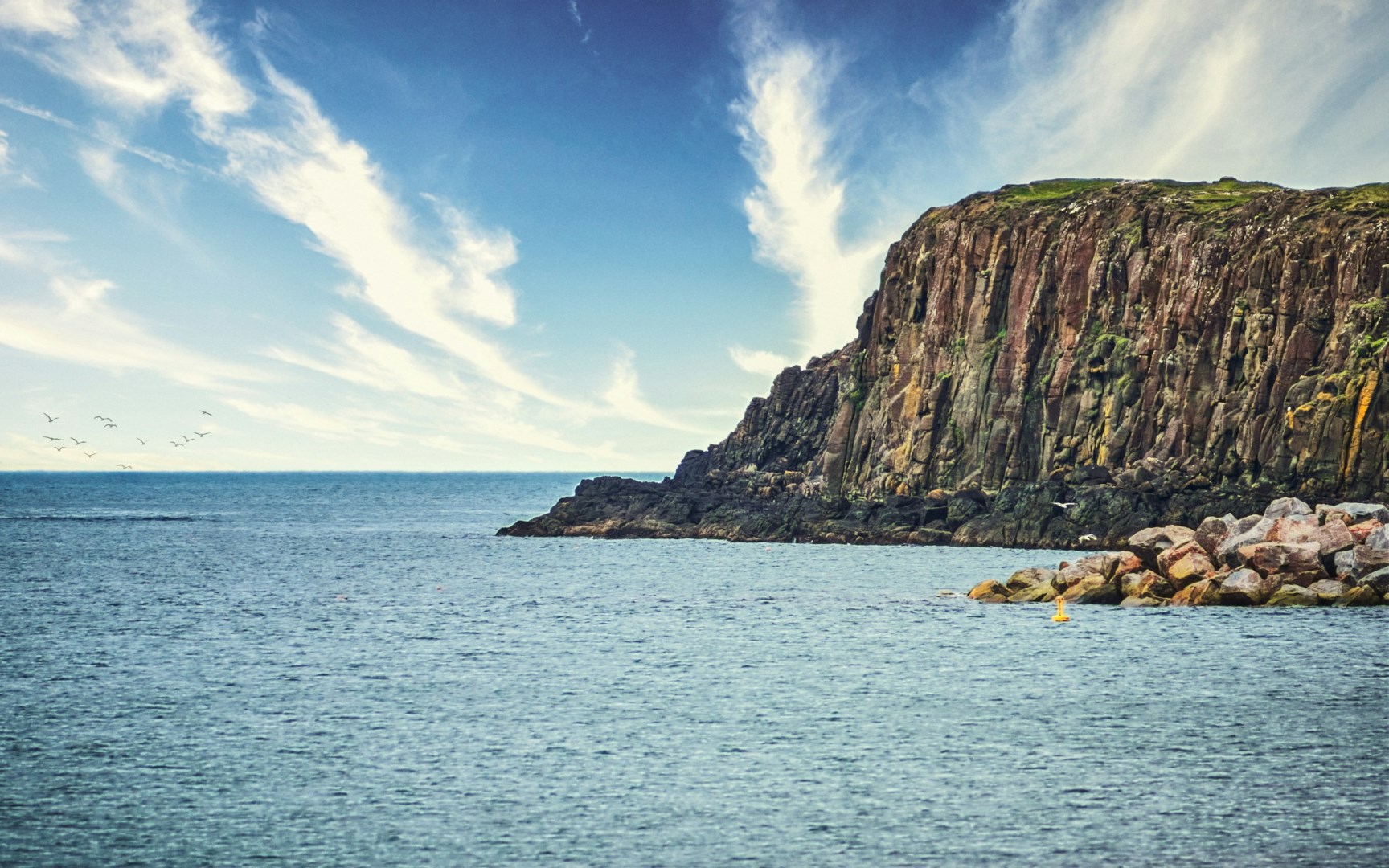
Portrush
The land and seascapes of the north coast of County Antrim, Northern Ireland, are perhaps one of Europe's best kept secrets. Portrush has a beautiful position on Ramore Head peninsula jutting out into the Atlantic, with sandy beaches running east and west. The resort has the usual amenities of a seaside resort.
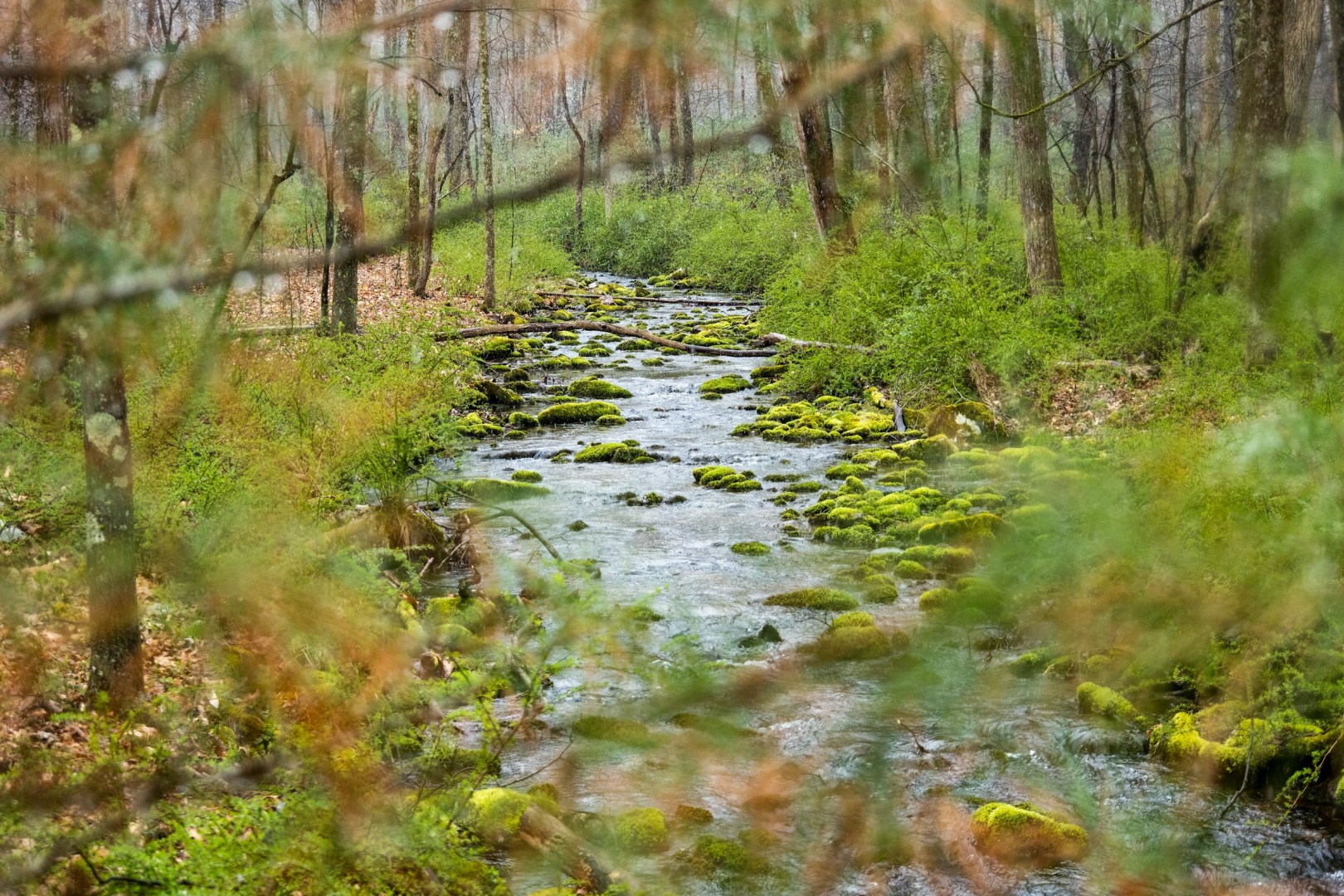
Williamsport
Located in North-central Pennsylvania, Williamsport is a vibrant town, famous for being both the "Lumber Capital of the World" and the birthplace of Little League Baseball.
