

Pécs
Pécs, Hungary, is a city that seamlessly blends history, culture, and a vibrant modern atmosphere. Nestled at the foot of the Mecsek Mountains in southern Hungary, Pécs boasts a rich heritage that dates back over 2,000 years. Visitors are often captivated by the city’s unique blend of Roman, Ottoman, and Hungarian influences.

Québec City
Visit picturesque Quebec City, situated on the mighty St. Lawrence River, and become instantly mesmerized by this historic jewel in Canada’s French province. Replete with striking landmarks and stunning architecture, Quebec City is perfect for sight-seeing and deserves ample time for exploration.
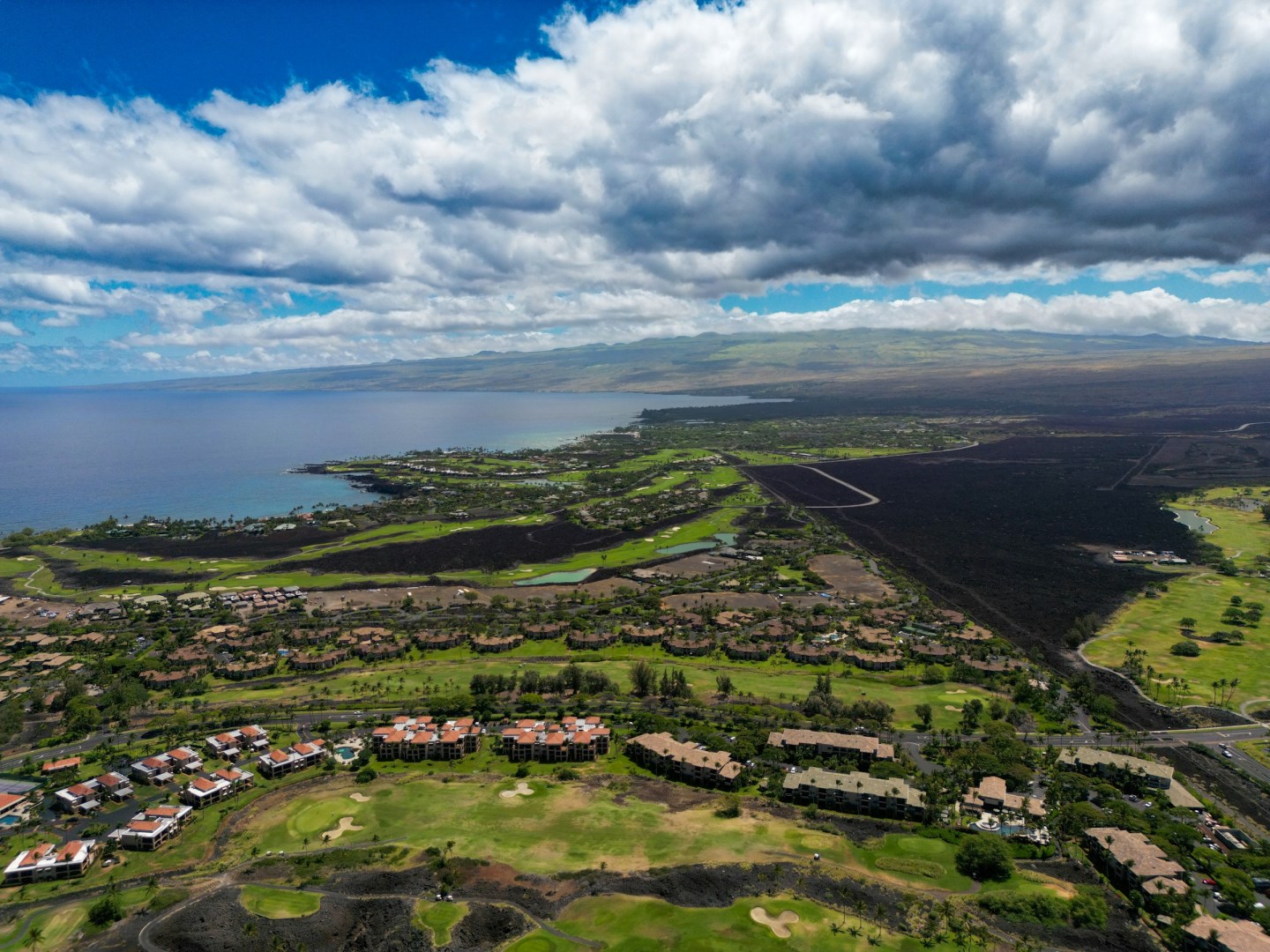
Kohala Coast, Hawaii
Over the last few years, the Kohala Coast on the Big Island's northwest side has become Hawaii's leading luxury resort destination. Spread along some 20 miles of spectacular warm, dry lava desert coastline north of Kailua-Kona are the magnificent resorts. Enjoy world-class luxury accommodations with vacation activities like golf, tennis, water sports, and fine dining.

Riomaggiore
Riomaggiore, a charming village in Italy's famed Cinque Terre, is a gem of the Ligurian coast. With its colorful houses cascading down steep cliffs towards the azure Mediterranean, this picturesque town offers a postcard-perfect escape. Founded in the 13th century, Riomaggiore is rich in history, with medieval churches like the Church of San Giovanni Battista, built in 1340, reflecting its ancient past.
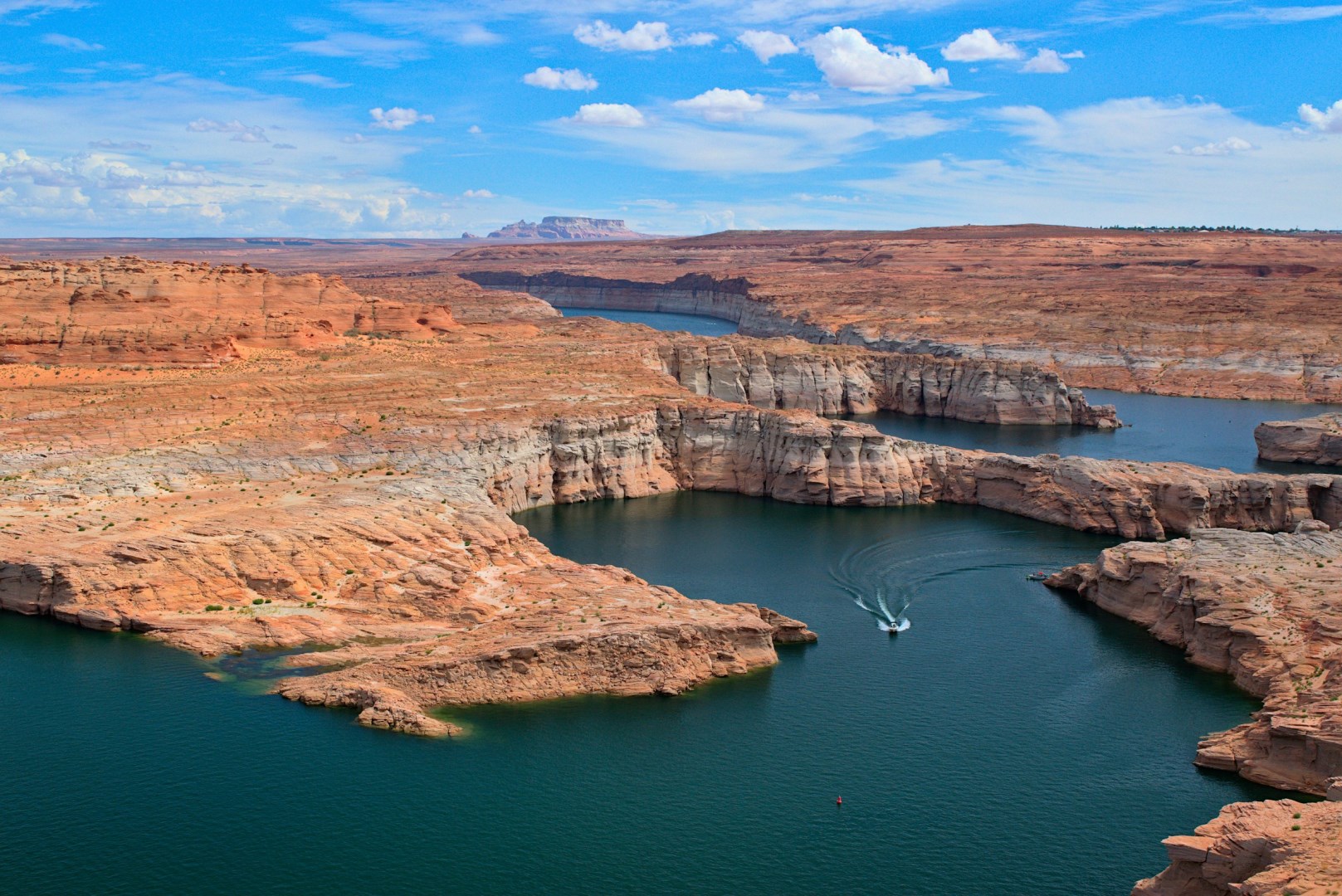
Lake Powell
Lake Powell is a large reservoir on the Colorado River, extending through northern Arizona and southern Utah within Glen Canyon National Recreation Area. Near the Arizona community of Page, its blue water winds through a maze of red-rock canyons, mesas, cliffs, and narrow side channels. At full pool, the lake stretches about 186 miles and has nearly 2,000 miles of shoreline, although water levels vary considerably. Created by Glen Canyon Dam, Lake Powell is one of the largest man-made lakes in N
