
Côa Valley
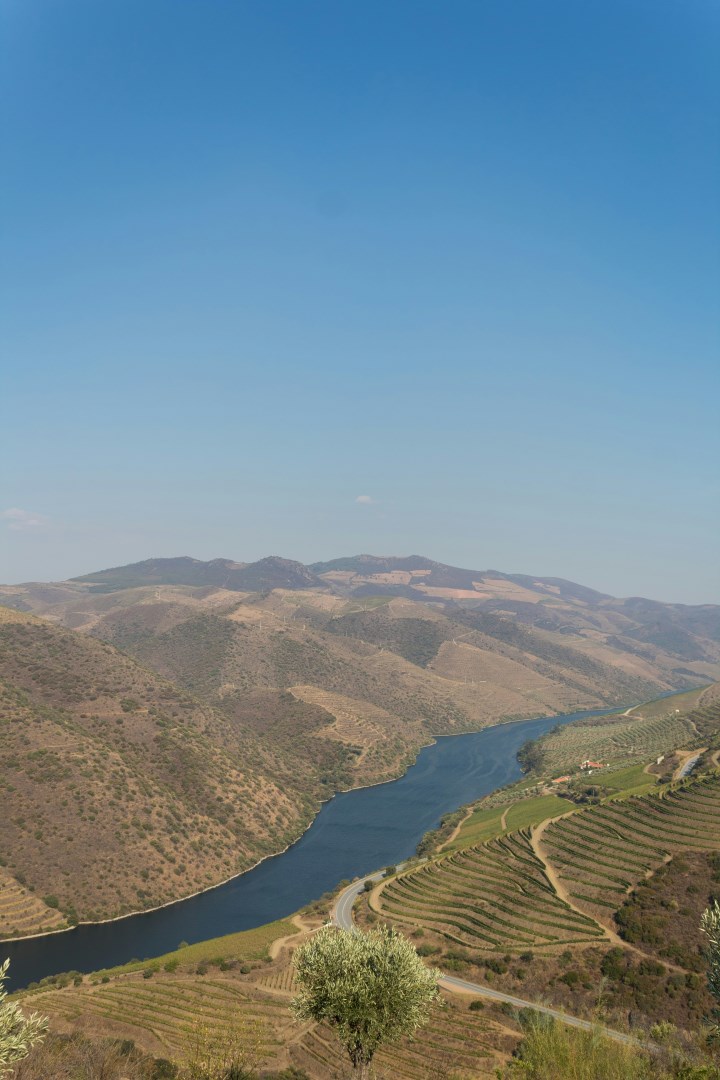
Coa Valley lies in northeastern Portugal near the Douro River, in a landscape shaped by steep hills, schist cliffs, vineyards, olive groves, and almond trees. The area is best known for its open-air prehistoric rock engravings, spread across the banks of the Coa River and protected as a UNESCO World Heritage Site.

Corfu
Eluding Ottoman oppression sure makes you beautiful! Besides breathtaking beaches and lovely pools, this Greek island in the Ionian Sea offers many charms, from its Old Town (a UNESCO World Heritage Site) to Venetian fortresses to cypresses waving in the ocean breeze.
Isalo National Park
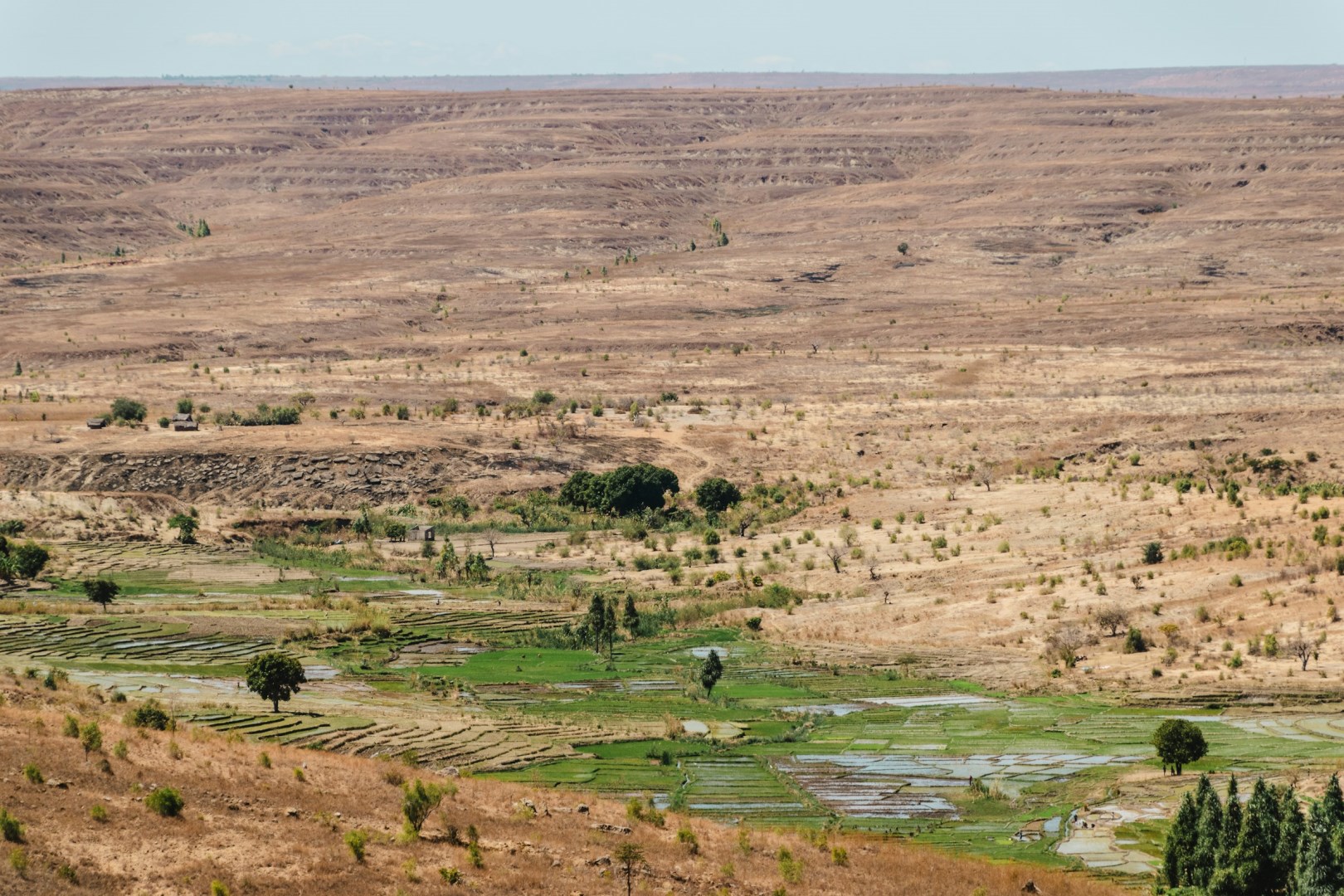
Isalo National Park lies in southern Madagascar near the town of Ranohira, protecting about 81,540 hectares of sandstone massifs, deep canyons, grasslands, forests, and rocky plateaus. Its landscape has been shaped by erosion into unusual cliffs, ridges, gorges, and isolated rock formations. The park's semi-arid climate creates strong contrasts between dry open slopes and greener canyon floors, where streams support pockets of vegetation.
Magdalena Island
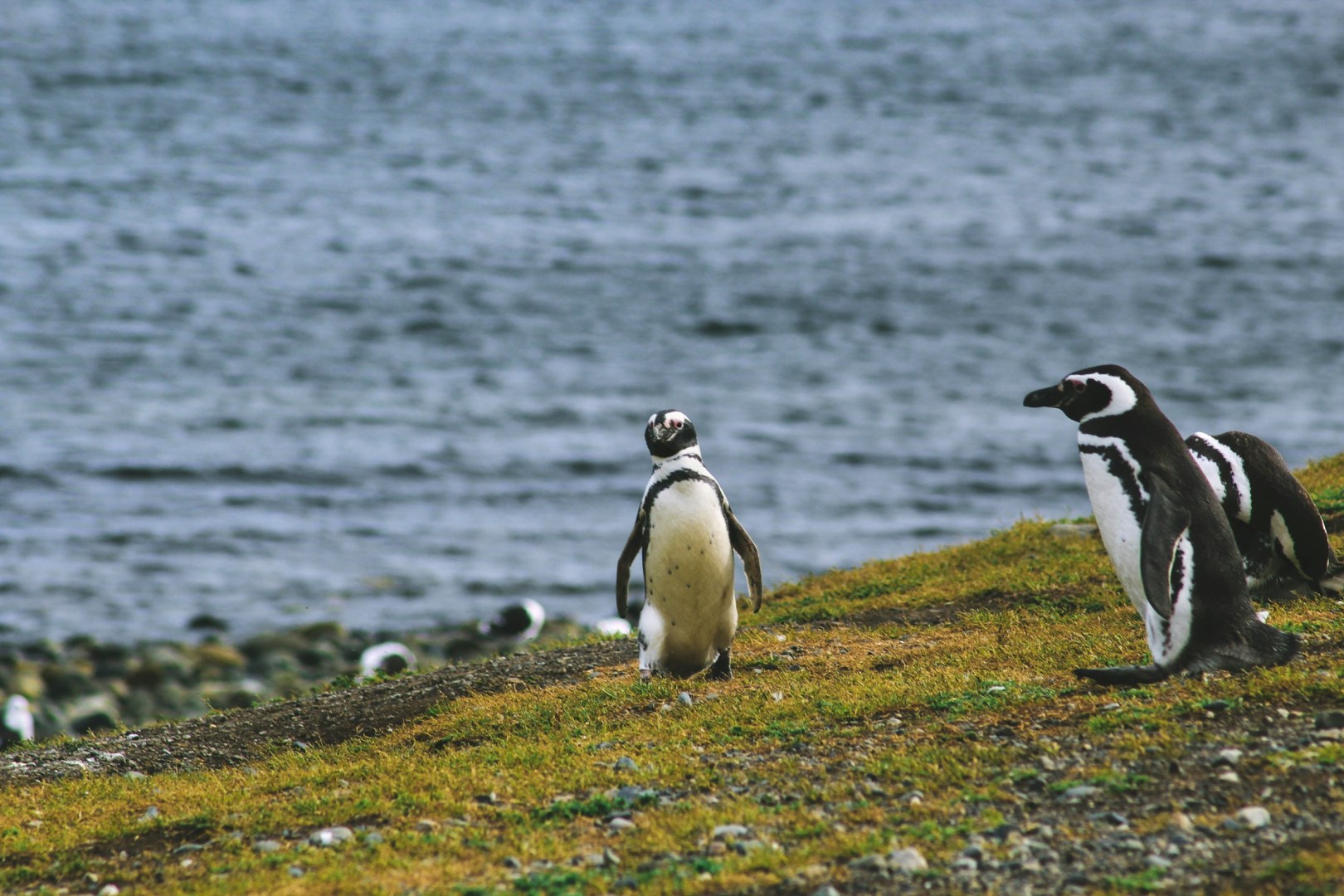
Magdalena Island is a small, uninhabited island in the Strait of Magellan, northeast of Punta Arenas in Chilean Patagonia. It forms part of the Magdalena Island National Park, together with nearby Marta Island, and is best known for its large colony of Magellanic penguins. The island consists largely of low, windswept terrain covered with grasses and other hardy vegetation, surrounded by cold waters and exposed to the strong weather of the strait.
St. John's
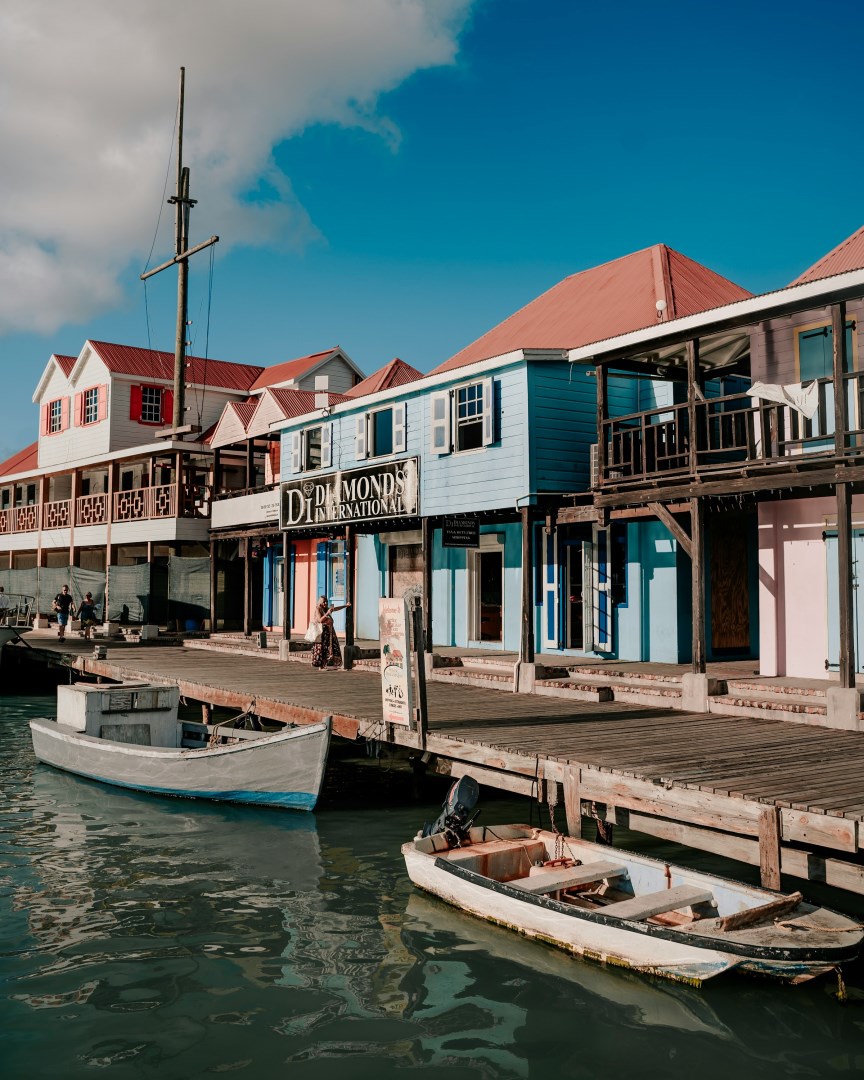
Saint John, the vibrant capital of Antigua and Barbuda, is a captivating destination known for its colorful colonial architecture. The city offers visitors a charming mix of history, culture, and natural beauty.
