
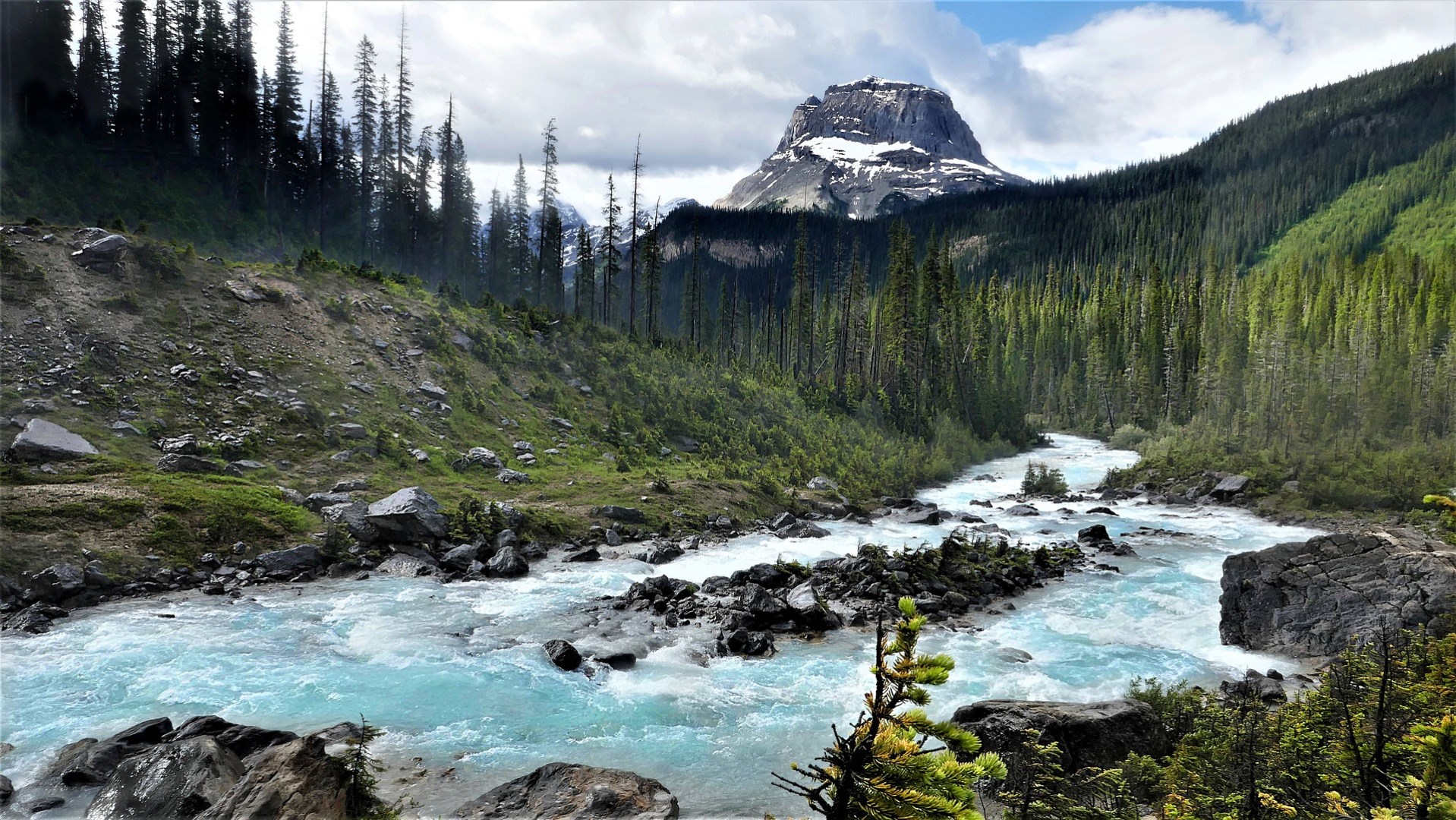
Yoho National Park
Yoho National Park lies on the western slopes of the Canadian Rockies in southeastern British Columbia, where the Continental Divide forms its eastern boundary. The park protects rugged mountain terrain, glaciers, alpine meadows, deep valleys, and fast-flowing rivers across more than 1,300 square kilometres. Its name comes from a Cree expression of amazement, reflecting the dramatic character of the landscape.
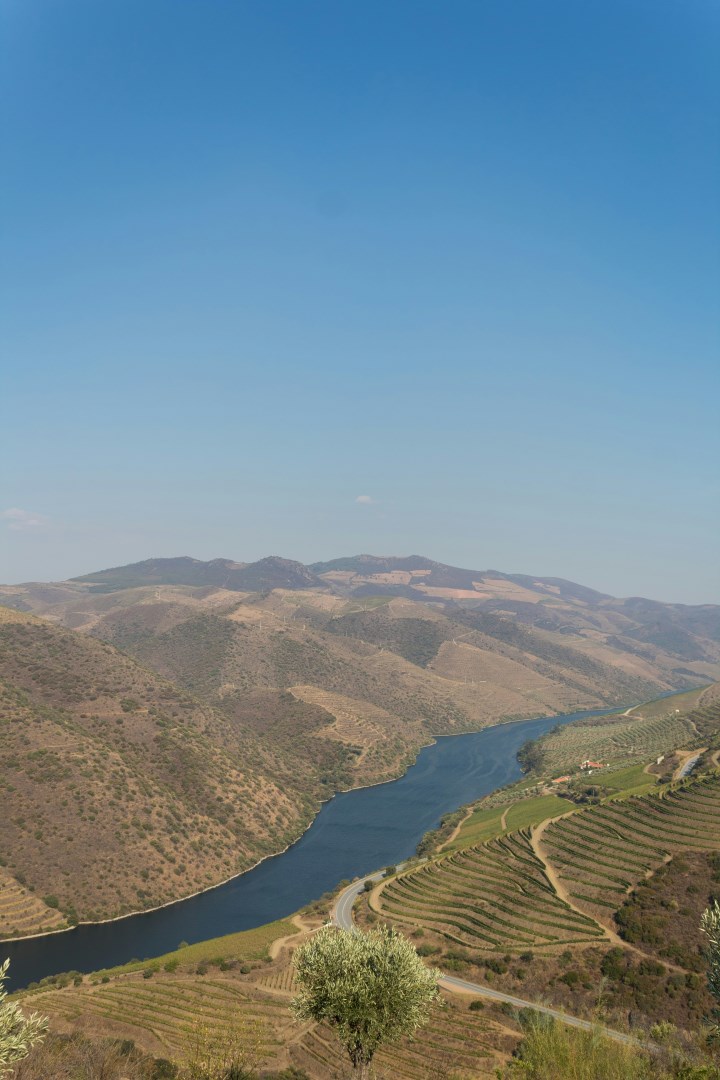
Côa Valley
Coa Valley lies in northeastern Portugal near the Douro River, in a landscape shaped by steep hills, schist cliffs, vineyards, olive groves, and almond trees. The area is best known for its open-air prehistoric rock engravings, spread across the banks of the Coa River and protected as a UNESCO World Heritage Site.
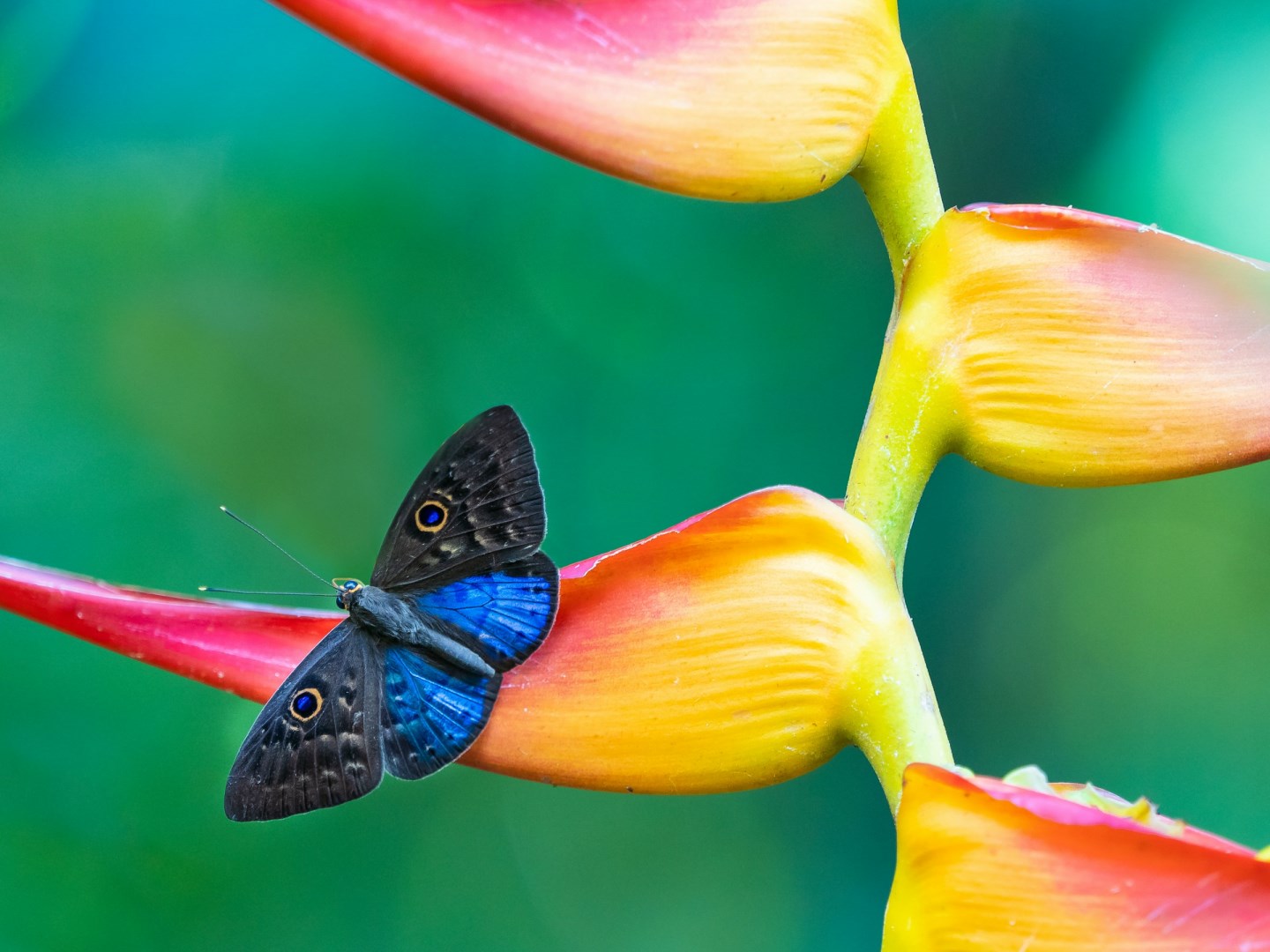
Quepos
Quepos is a coastal town in Puntarenas Province on Costa Rica's central Pacific coast, situated beside the Quepos River and a sheltered bay. The town serves as a regional center for fishing, agriculture, tourism, and transportation, with a marina and waterfront areas overlooking the Pacific. Quepos is also one of the main gateways to Manuel Antonio National Park, located a short distance south of town.
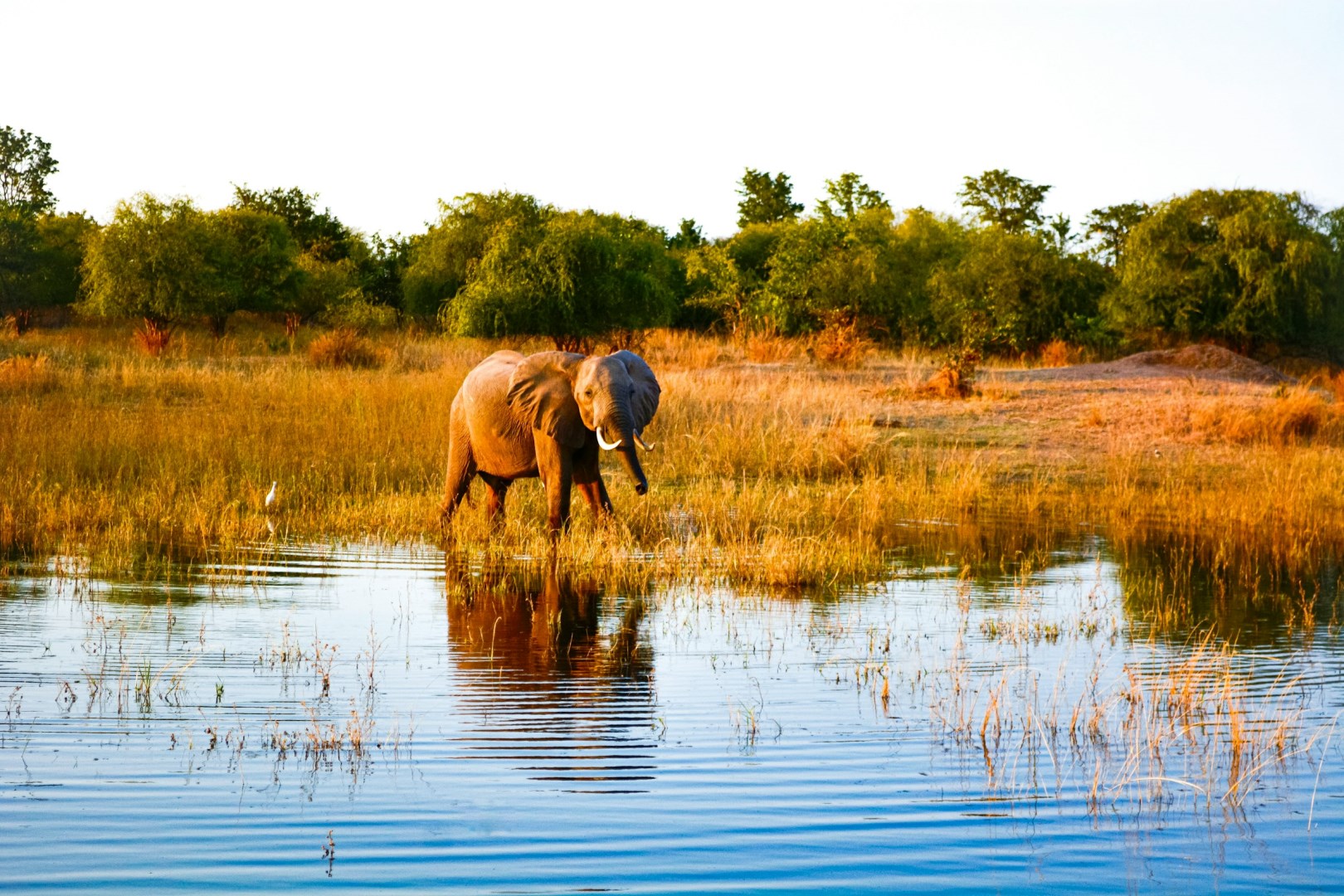
Lake Kariba
Lake Kariba is a large reservoir on the Zambezi River along the border between Zimbabwe and Zambia. On the Zimbabwean side, the lake stretches through a landscape of wooded hills, rocky shorelines, islands, and broad expanses of open water. The reservoir is closely connected with the town of Kariba, which developed around the hydroelectric project at the lake’s eastern end.

Šiaulia
Šiauliai, often referred to as the "City of the Sun" due to its high number of sunny days, is a vibrant gem in northern Lithuania. The city's most iconic landmark is the Hill of Crosses, a profound site of pilgrimage adorned with thousands of crosses placed by visitors over the decades. This unique and moving monument, which has been recognized by UNESCO for its cultural significance, symbolizes the resilience and spirit of the Lithuanian people.
