

Dominica
Dominica, known as the “Nature Island of the Caribbean,” is a haven for eco-tourists and adventure seekers. Nestled between the French islands of Guadeloupe and Martinique, this lush island boasts a remarkable landscape of volcanic mountains, dense rainforests, and stunning waterfalls. Dominica’s most iconic natural wonder is the Boiling Lake, the second-largest hot spring in the world.
Horta Faial Island
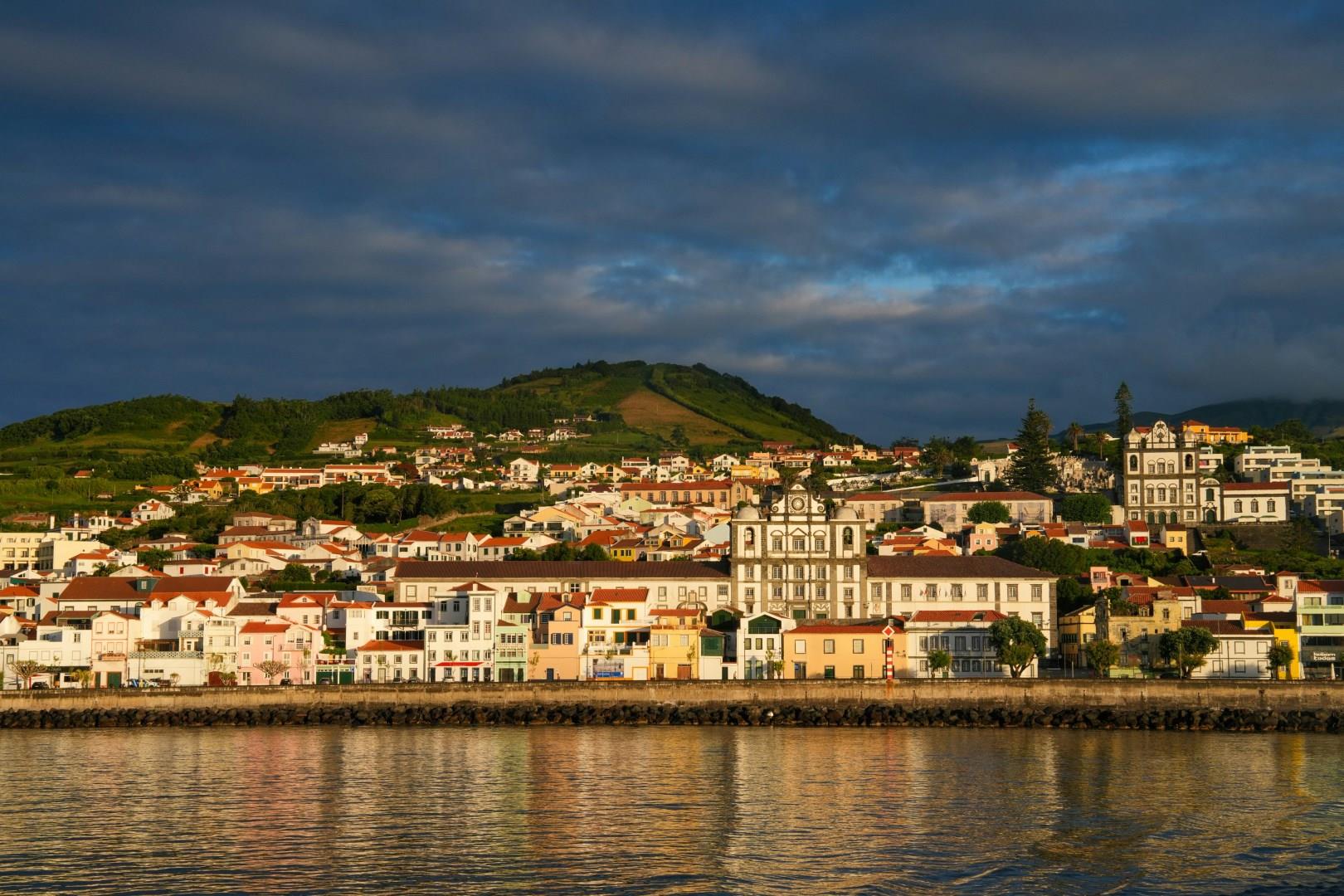
Horta sits on the southeastern coast of Faial Island in the Azores, long defined by its position in the mid-Atlantic. For centuries it served as a critical stop for whaling ships, transatlantic sailors, and later yachts crossing between Europe and the Americas.
Porto Torres
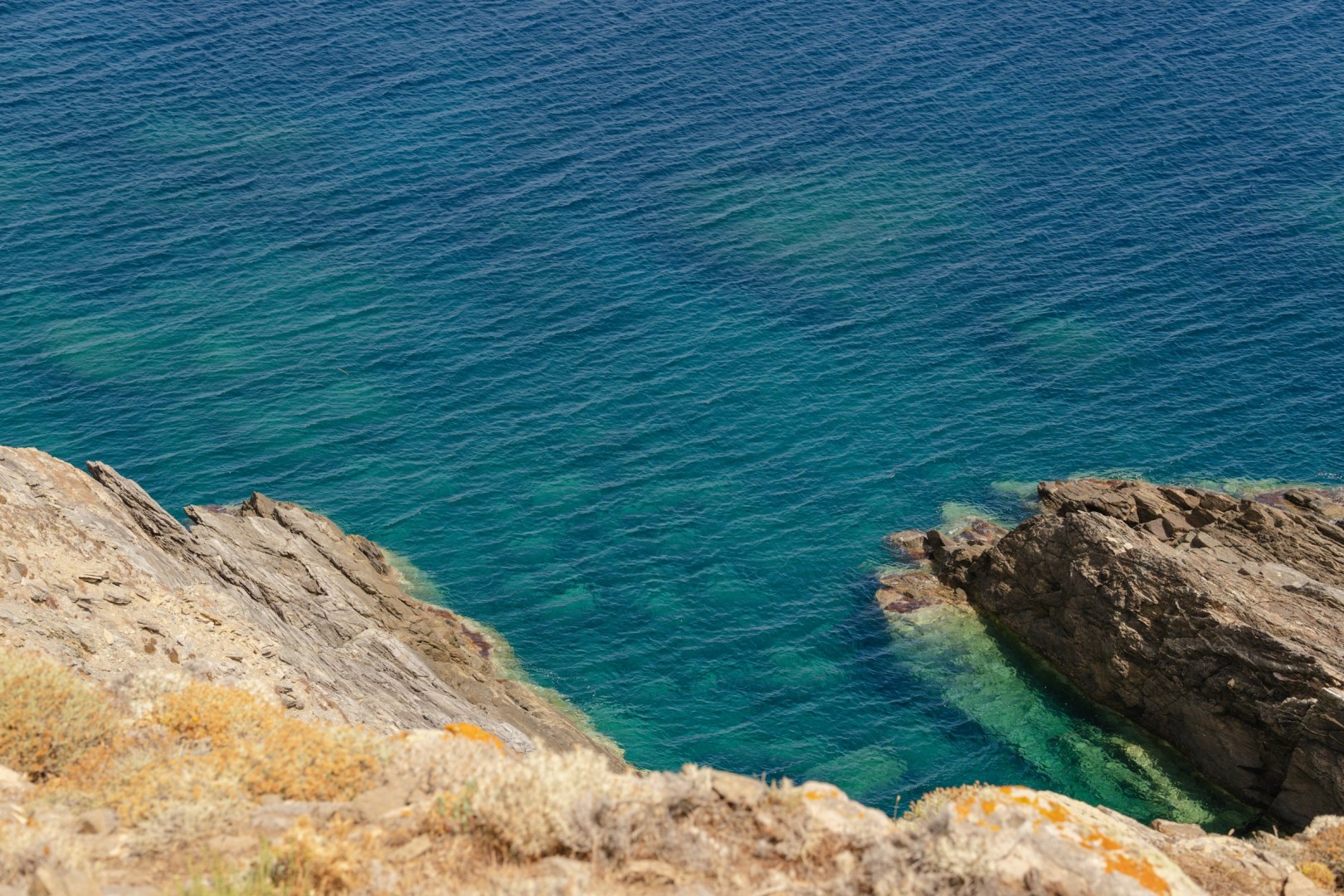
Porto Torres is a city in northern Sardinia, situated on the bay of the Gulf of Asinara. It is home to a number of historical sights: the Basilica of San Gavino, an 11th-century Romanesque church, the largest in Sardinia; the necropolis of Su Crucifissu Mannu, an archaeological site from the Neolithic age; the remains of the Roman bridge on the Rio Mannu; and the ancient megalithic edifices known as nuraghi which have become a symbol of the Sardinian region.
Culloden
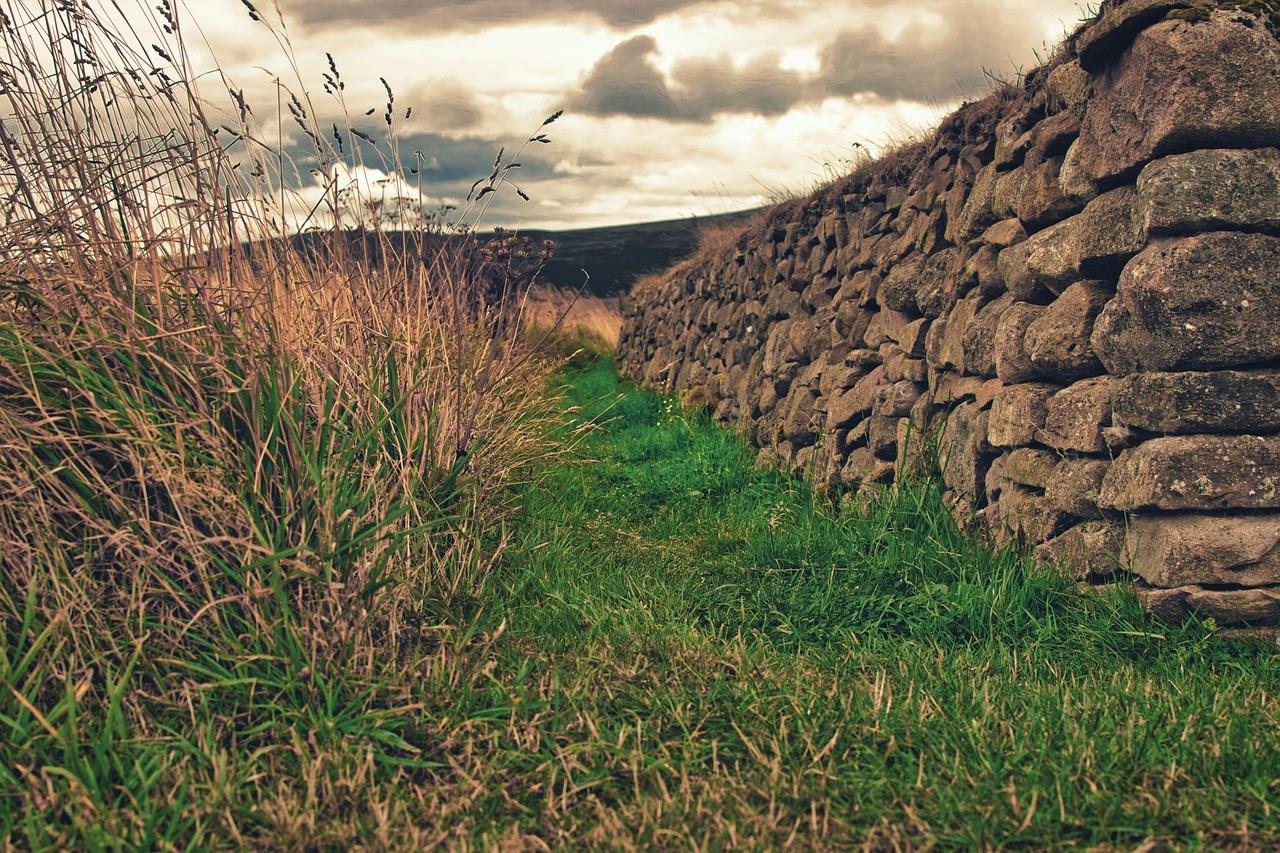
Culloden, located just outside Inverness in the Scottish Highlands, is the site of one of the most significant and sobering moments in Scotland’s history. On April 16, 1746, the Battle of Culloden marked the violent end of the Jacobite uprising led by Charles Edward Stuart, better known as Bonnie Prince Charlie. In under an hour, the hopes of restoring the Stuart monarchy were crushed by government forces.

Grundarfjörður
Situated on the north coast of the Snæfellsnes peninsula between a mountain range and the sea is the small town of Grundarfjordur, Iceland. Though certainly now the most well-known town on the peninsula, its nearby mountain Kirkjufell ("church mountain" in Icelandic) is perhaps Iceland's most famous.
