

Anchorage
Alaska's largest city is the perfect place for anyone who wants a vacation filled with wildlife, outdoor activities, glaciers and gorgeous parks. Explore the rich culture and history of the indigenous people at the Alaska Native Heritage Center, hike the exquisite landscape of Flattop Mountain and finish the day with one of the many diverse restaurants and local beers.

Windhoek
Windhoek, the capital city of Namibia, is a vibrant and cosmopolitan hub nestled in the heart of the country. With its mix of German colonial architecture and modern African charm, Windhoek offers visitors a unique blend of history and contemporary culture. The city’s skyline is dominated by the striking Christuskirche, a Lutheran church built in 1907, which stands as a symbol of Namibia's German colonial past.
Portland
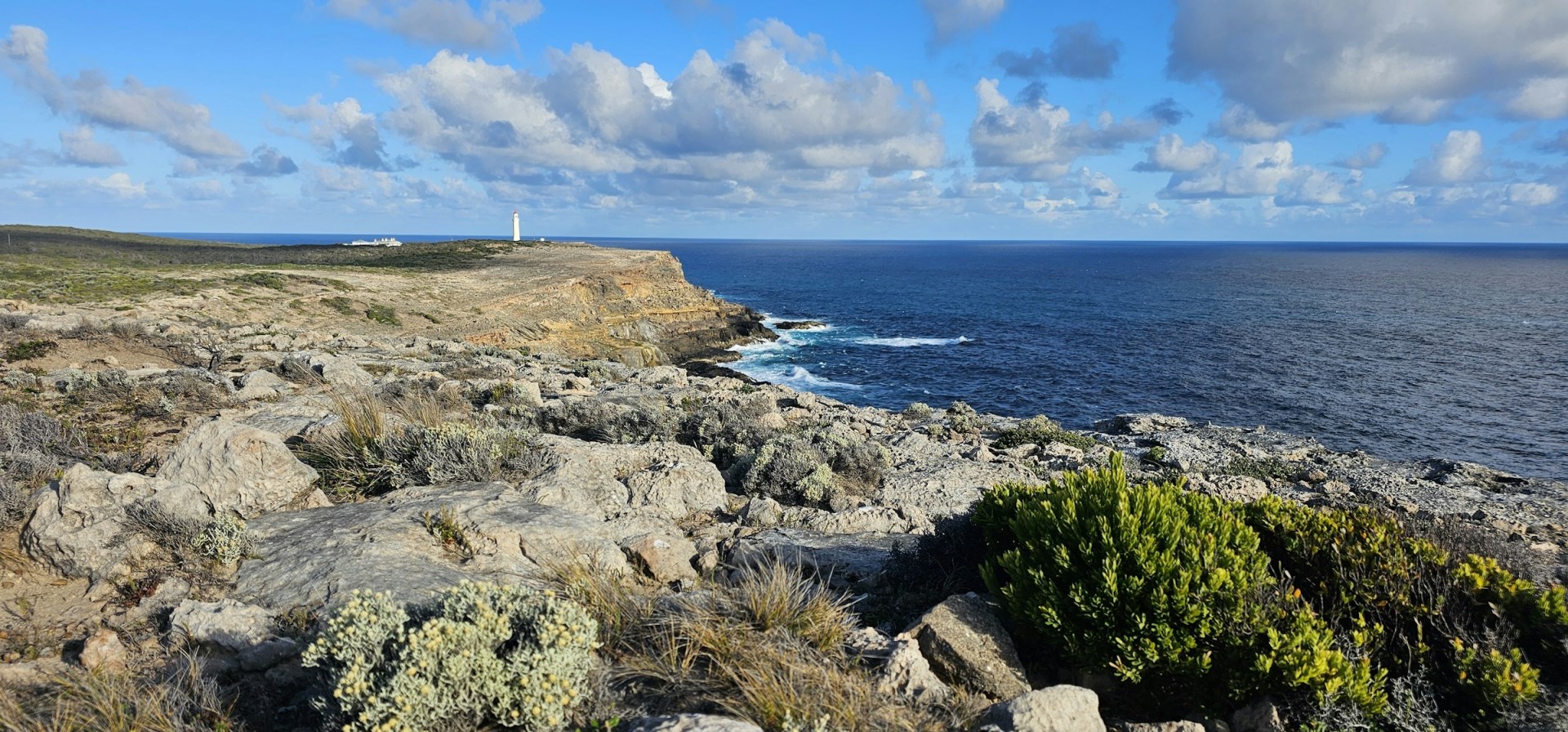
Portland, Australia, located in Victoria's southwest coast, is a charming coastal town steeped in history and natural beauty. As the first permanent European settlement in Victoria, Portland offers visitors a unique glimpse into the past.

Montana
Montana, known as "Big Sky Country," offers a breathtaking blend of natural beauty and outdoor adventure. At the heart of Montana’s allure is Glacier National Park, a haven for nature lovers and hikers. Spanning over a million acres, the park features dramatic landscapes including glaciers, alpine lakes, and rugged mountains.
Tonga
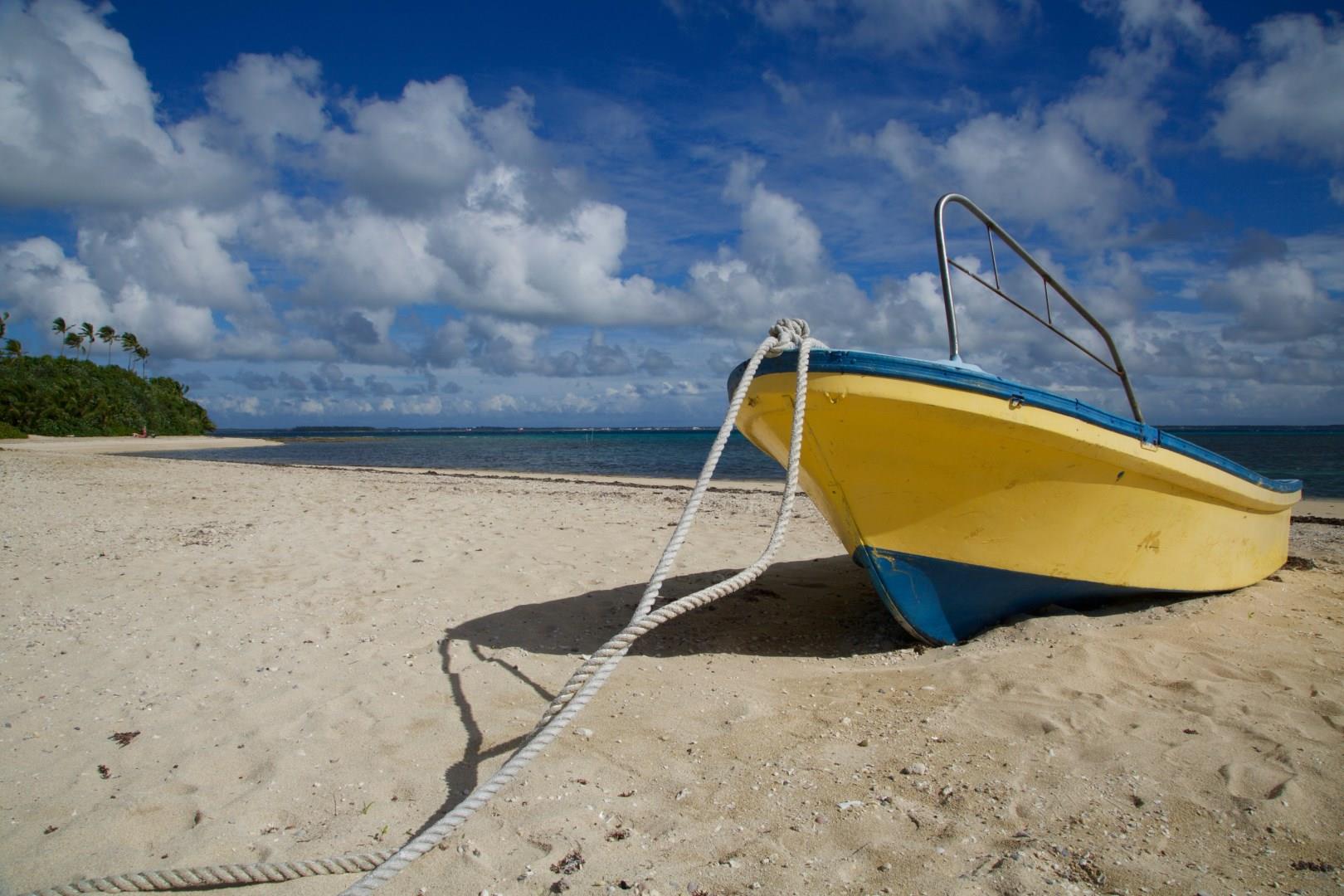
Tonga is distinctly different to its neighboring island nations. This Polynesian kingdom, made up of 170 islands, carries a proud history that dates back over 3,000 years. On the main island of Tongatapu, travelers can explore ancient stone structures like the Haʻamonga ʻa Maui Trilithon—sometimes called the Stonehenge of the Pacific. Royal tombs in Lapaha offer a glimpse into the lineage of Tonga’s kings, while village life remains guided by customs that have changed little over centuries.
