

Saudi Arabia
Saudi Arabia is revealing chapters long unseen by tourists. Al-Ula is home to Hegra, the first UNESCO World Heritage Site in the kingdom and hosts to ancient Nabatean tombs carved in sandstone cliffs. Nearby, the mirrored Maraya Concert Hall reflects the desert sky, its design both unexpected and elegant amid the sands. Visitors can wander through narrow canyons, step inside rock-hewn facades, and feel the weight of ancient civilizations still echoing across the dunes.
Habarana
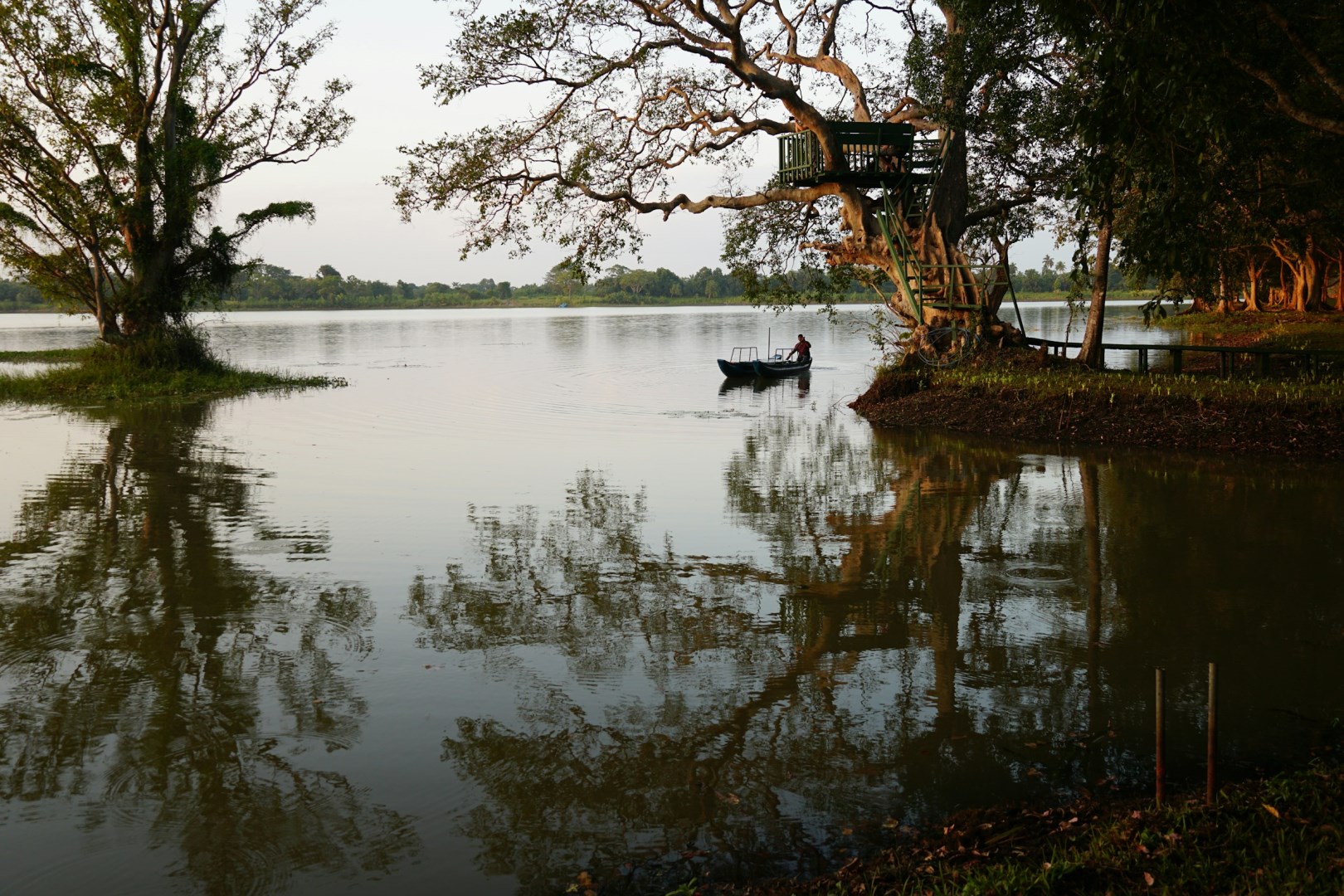
Habarana is a small town in Sri Lanka’s North Central Province and an important base for exploring the island’s Cultural Triangle. Set among dry-zone forest, lakes, and open countryside, it provides access to several major heritage and wildlife sites. Sigiriya, Polonnaruwa, Dambulla, and Anuradhapura are all within reach, while the town itself has developed accommodation and services for visitors traveling between these destinations.
Sharm El Sheikh
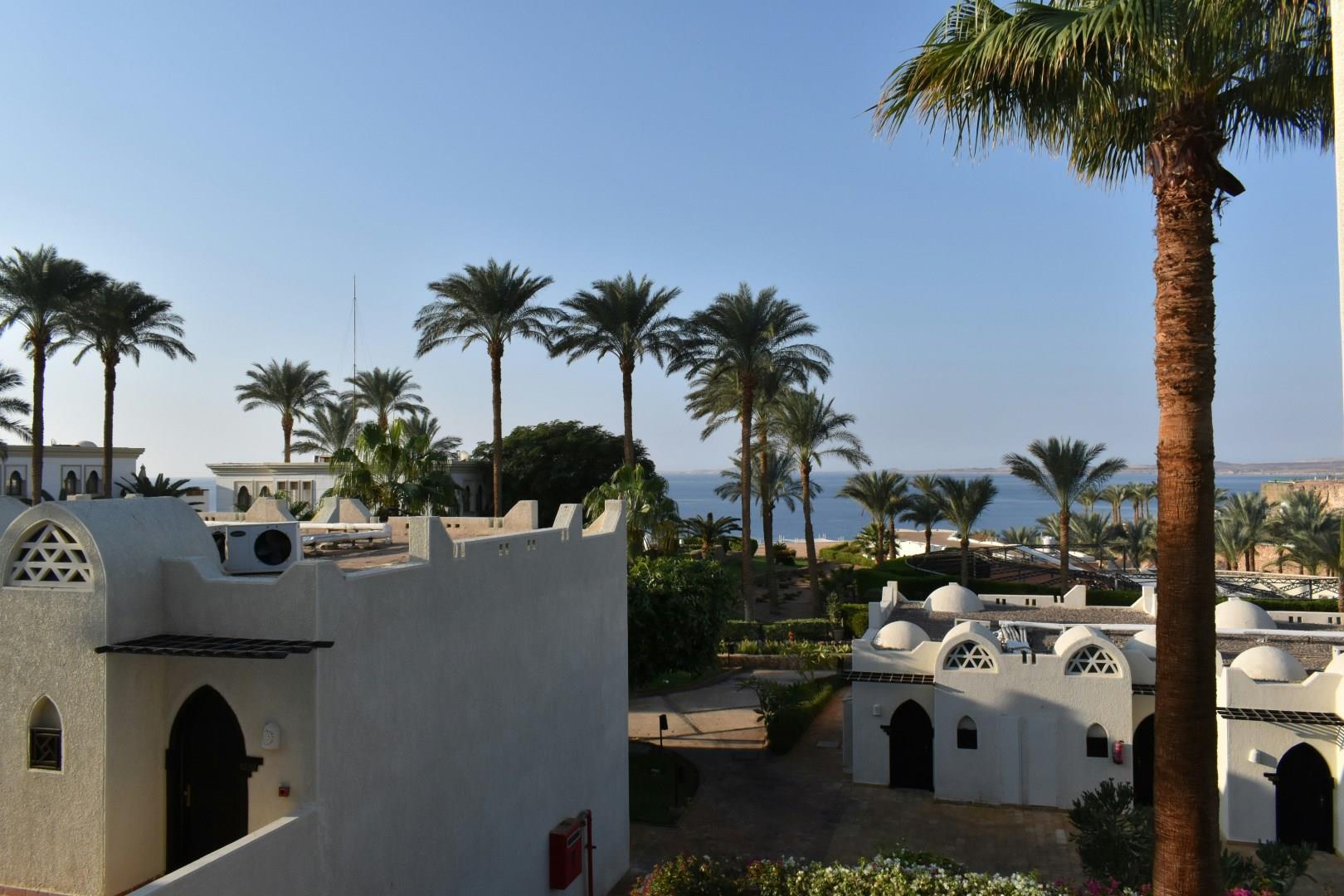
Sharm El Sheikh sits on the southern tip of Egypt’s Sinai Peninsula, where the sparkling Red Sea meets desert ridges and wide skies. From its beginnings as a small fishing village it has grown into one of the world’s most recognized seaside destinations, drawing travelers to explore coral reefs, seaside promenades, and desert landscapes all within easy reach.

Santa María Huatulco
Located in Oaxaca, Mexico, Huatulco is famous for its beaches and the sparkling blue water of surrounding bays.

Cape Town
Cape Town, located at the southern tip of South Africa, is one of the world’s most striking coastal cities. Towering over it is Table Mountain, a flat-topped landmark that can be reached by cable car or on foot, offering sweeping views of the city, ocean, and beyond.
