
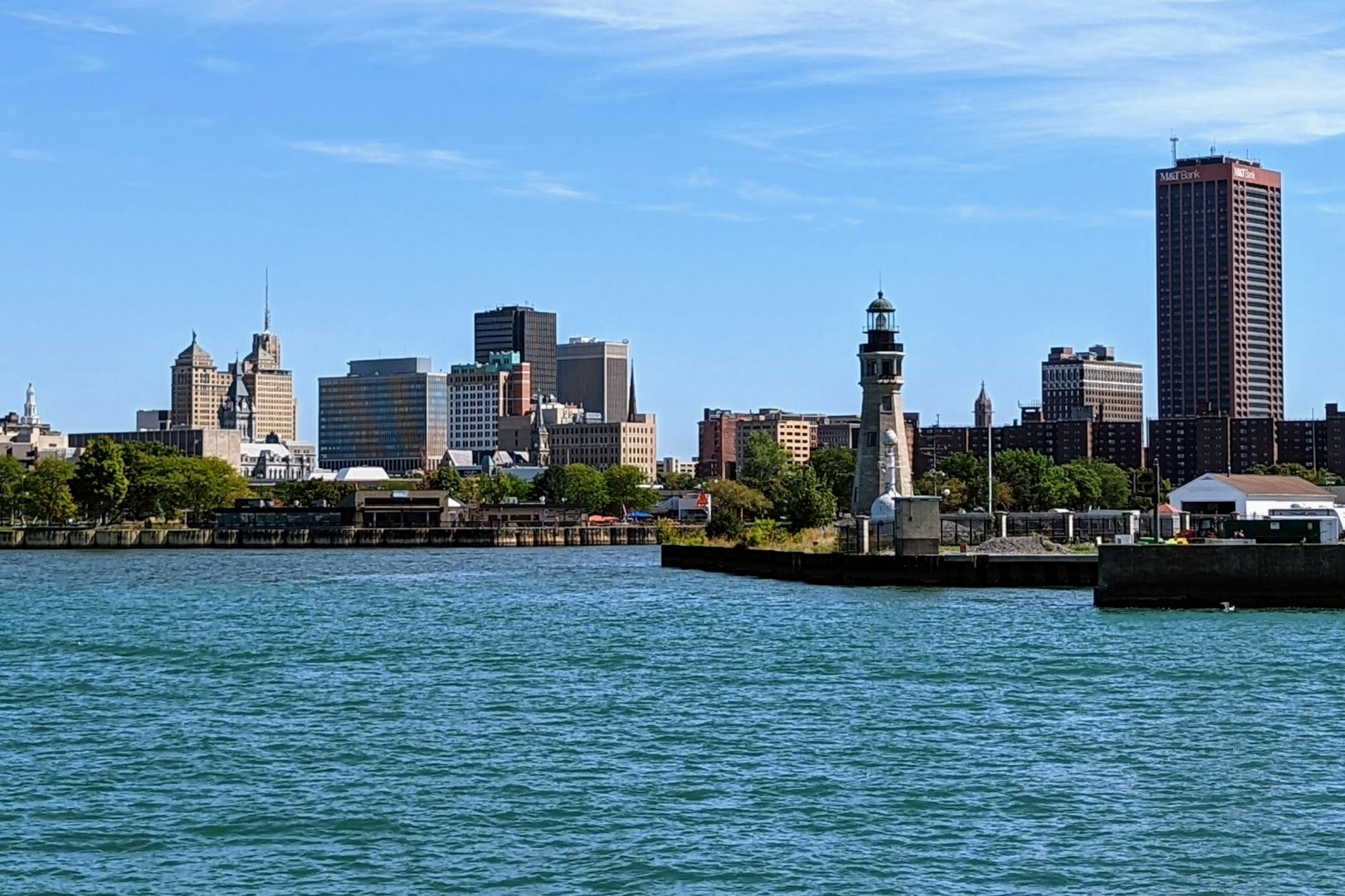
Buffalo
Buffalo, the second-largest city in New York State, sits at the eastern end of Lake Erie where the Niagara River begins its journey toward Niagara Falls. Once a powerhouse of American industry and trade, Buffalo thrived in the 19th and early 20th centuries as a major shipping and manufacturing hub, thanks to its strategic location along the Erie Canal and Great Lakes.

Madeira
Madeira, an archipelago off the coast of Portugal, is often referred to as the “Island of Eternal Spring” due to its mild climate and lush landscapes. Funchal, its vibrant capital, is a perfect blend of natural beauty and rich history. Visitors can explore the cobblestone streets of the old town, marvel at the Gothic-style Sé Cathedral, and stroll through the colorful Mercado dos Lavradores, where local farmers sell fresh produce, exotic flowers, and the island’s famous wine.

Victoria
Victoria, the capital of Seychelles, is often described as one of the world’s smallest capitals, yet it brims with color and character. Located on Mahé Island, the city is both a cultural hub and a gateway to the surrounding beaches and mountains.
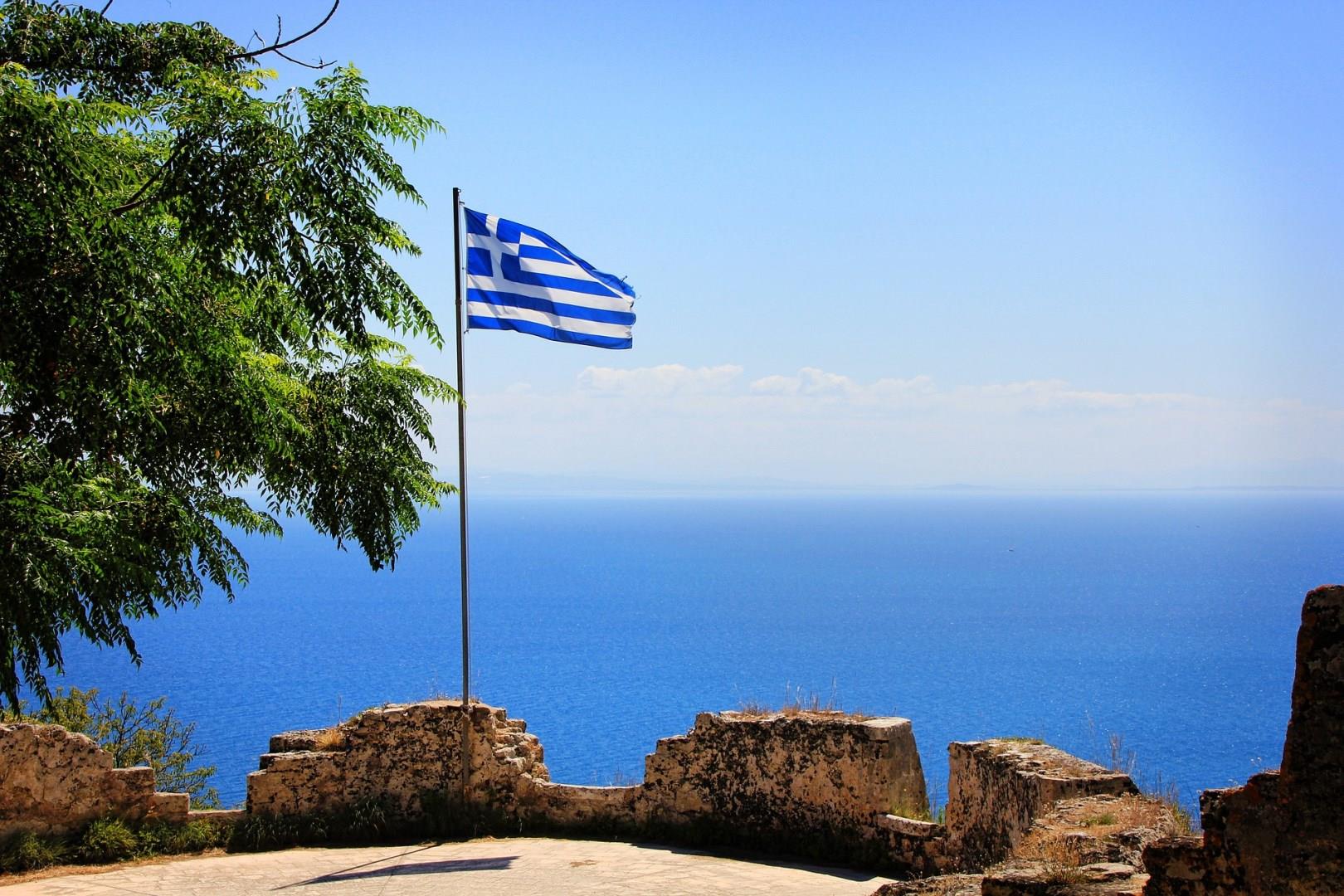
Greece
Greece is a country where layers of history sit side by side with everyday life. In Athens, visitors can stand at the foot of the Acropolis and look up at the Parthenon, built more than 2,400 years ago, then walk a few blocks to modern cafes buzzing with conversation and music. The city’s neighborhoods, like Plaka and Monastiraki, offer both ancient ruins and small family-run shops selling handmade sandals and olive oil soap.
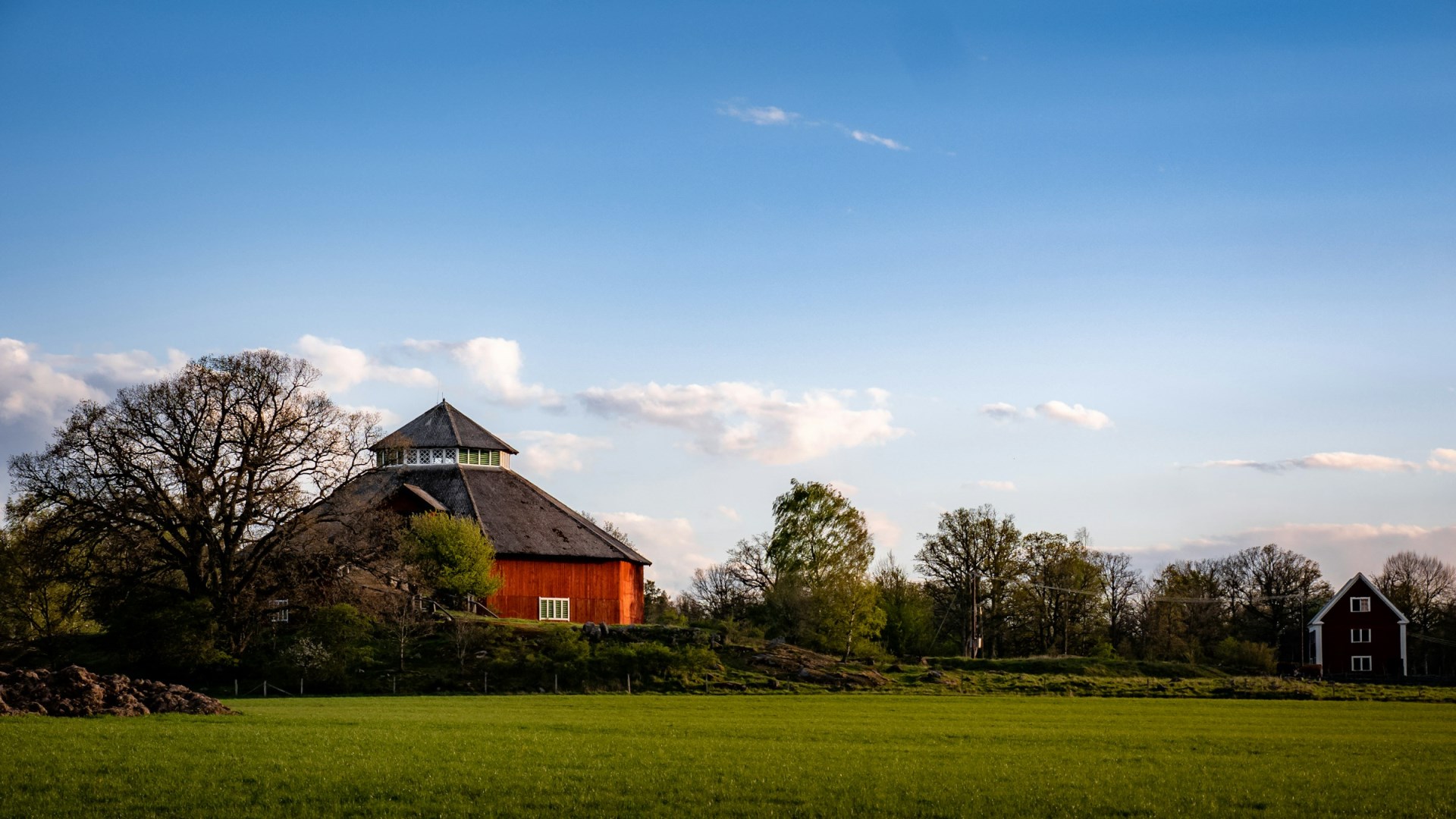
Linköping
Even though Linköping has developed into an industrial center and is Sweden's fifth-largest city, it maintains a small-town atmosphere. Old Linköping is the restored town center with preserved buildings from the 18th and 19th centuries. The tower of the impressive Linköping Cathedral, which took nearly 300 years to complete, can be seen from a distance of more than 10 kilometers.
