
Luxembourg
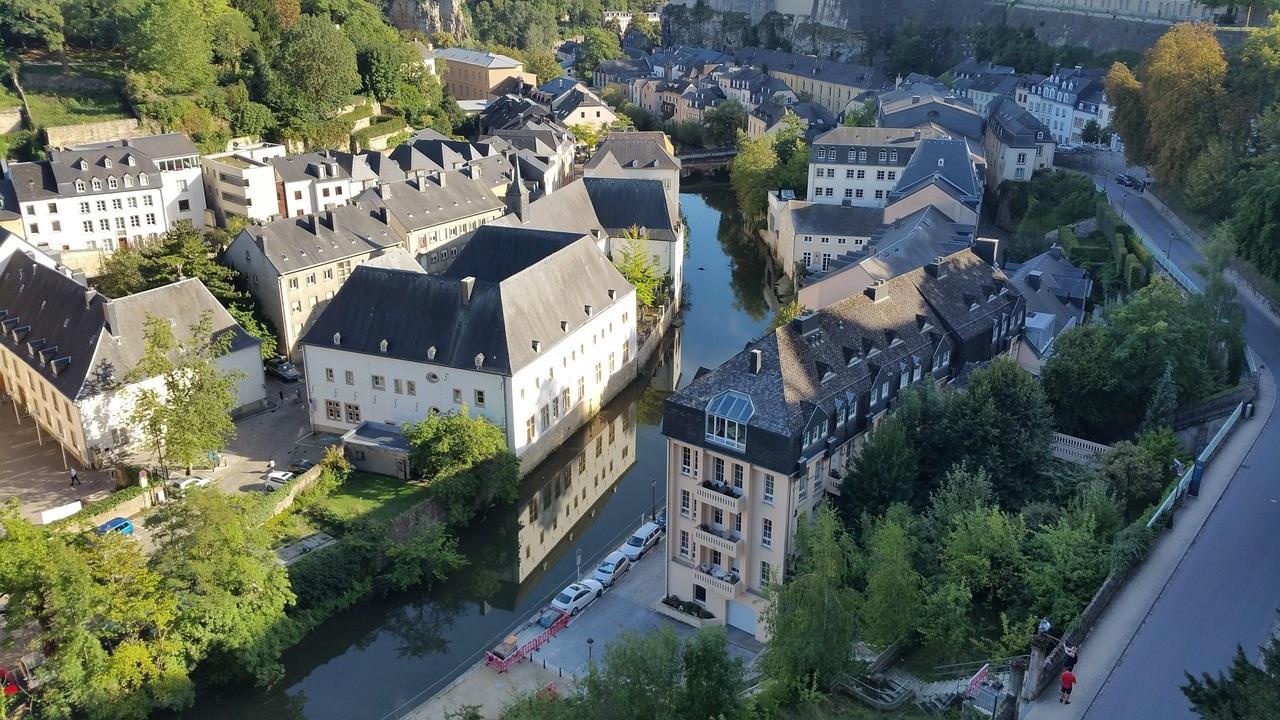
Luxembourg, a small yet influential country in the heart of Europe, offers visitors a rich blend of historic sites and contemporary culture. The capital city, Luxembourg City, is famous for its dramatic cliffs and ancient fortifications that have earned it a UNESCO World Heritage status. Walking through the old quarters, visitors can explore the casemates that reveal layers of the city’s military past.

Dominica
Dominica, known as the “Nature Island of the Caribbean,” is a haven for eco-tourists and adventure seekers. Nestled between the French islands of Guadeloupe and Martinique, this lush island boasts a remarkable landscape of volcanic mountains, dense rainforests, and stunning waterfalls. Dominica’s most iconic natural wonder is the Boiling Lake, the second-largest hot spring in the world.
Constable Point
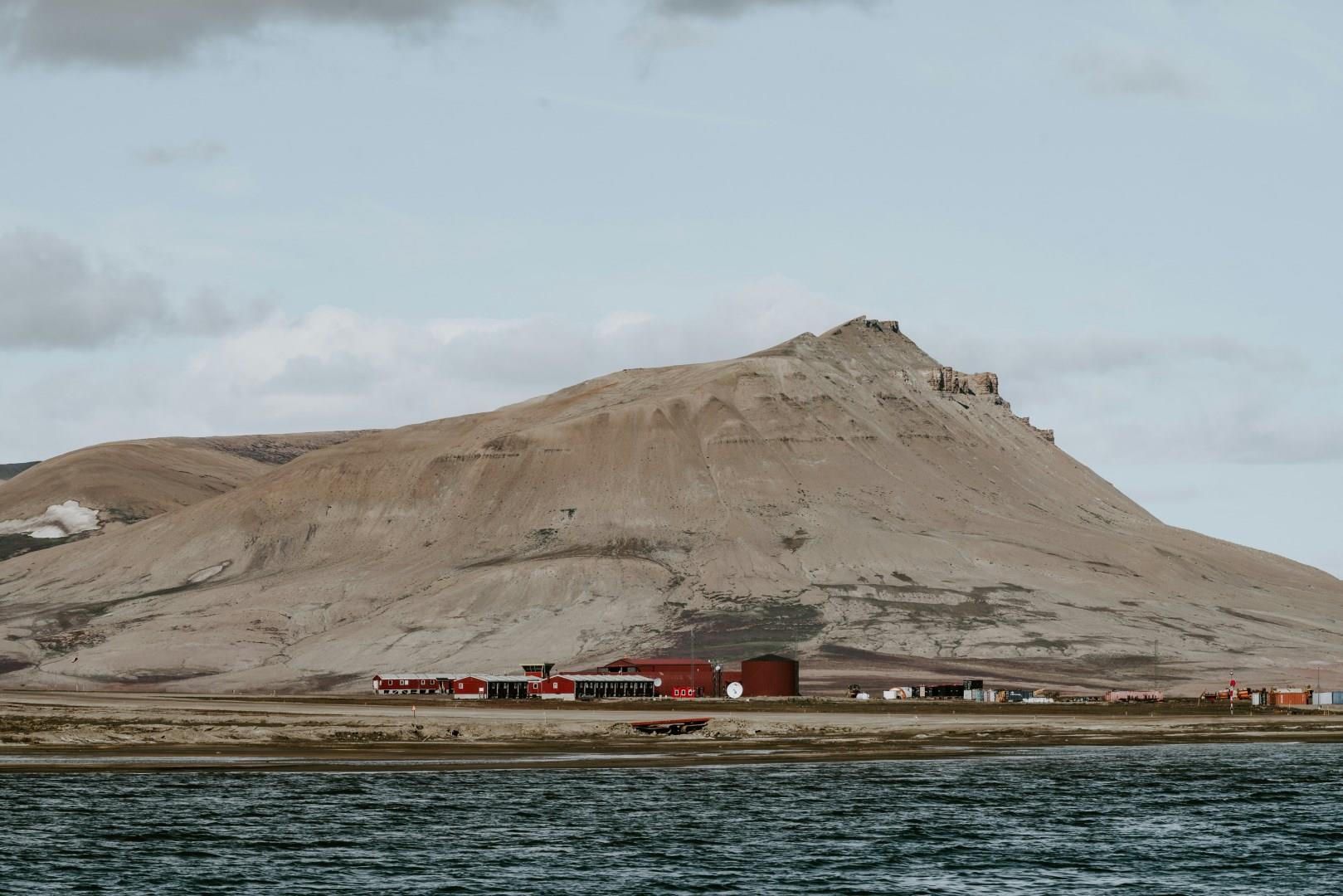
Constable Point, known locally as Nerlerit Inaat, is a small but fascinating gateway to Greenland’s remote east coast. Originally established in the 1980s to support mineral exploration and later functioning as a crucial supply base, Constable Point now serves as the main air access hub for visitors headed to the isolated communities of Ittoqqortoormiit and Scoresby Sound.

Portorož
Portoroz lies on Slovenia’s short Adriatic coast, where its identity has been shaped by the sea and by centuries of salt production in the nearby Sečovlje pans.

Ottawa
Ottawa, the charming capital of Canada, offers a unique blend of history, culture, and modernity. Nestled along the scenic Ottawa River, the city is home to the iconic Parliament Hill, where the Gothic Revival architecture of the Parliament Buildings stands majestically above the riverbanks. Visitors can witness the ceremonial Changing of the Guard in the summer or explore the Peace Tower for panoramic views of the city.
