
Ipswich
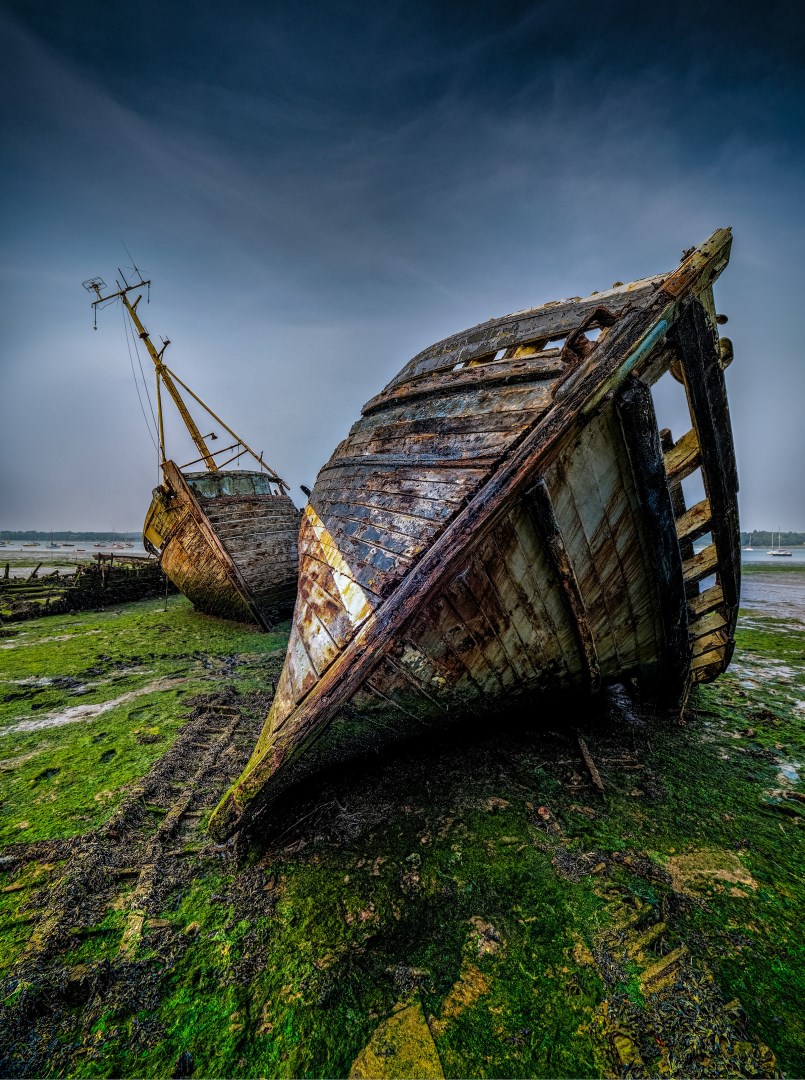
Ipswich is a historic town in Suffolk, eastern England, situated along the River Orwell a short distance from the North Sea. Its waterfront has been transformed from a commercial dock into an area of restaurants, galleries, marinas, and converted warehouses, while the town center retains medieval streets and historic buildings. Ipswich is surrounded by the agricultural landscape of Suffolk, with farmland extending beyond the urban area. Christchurch Park provides a large green space near the cen
Congaree National Park
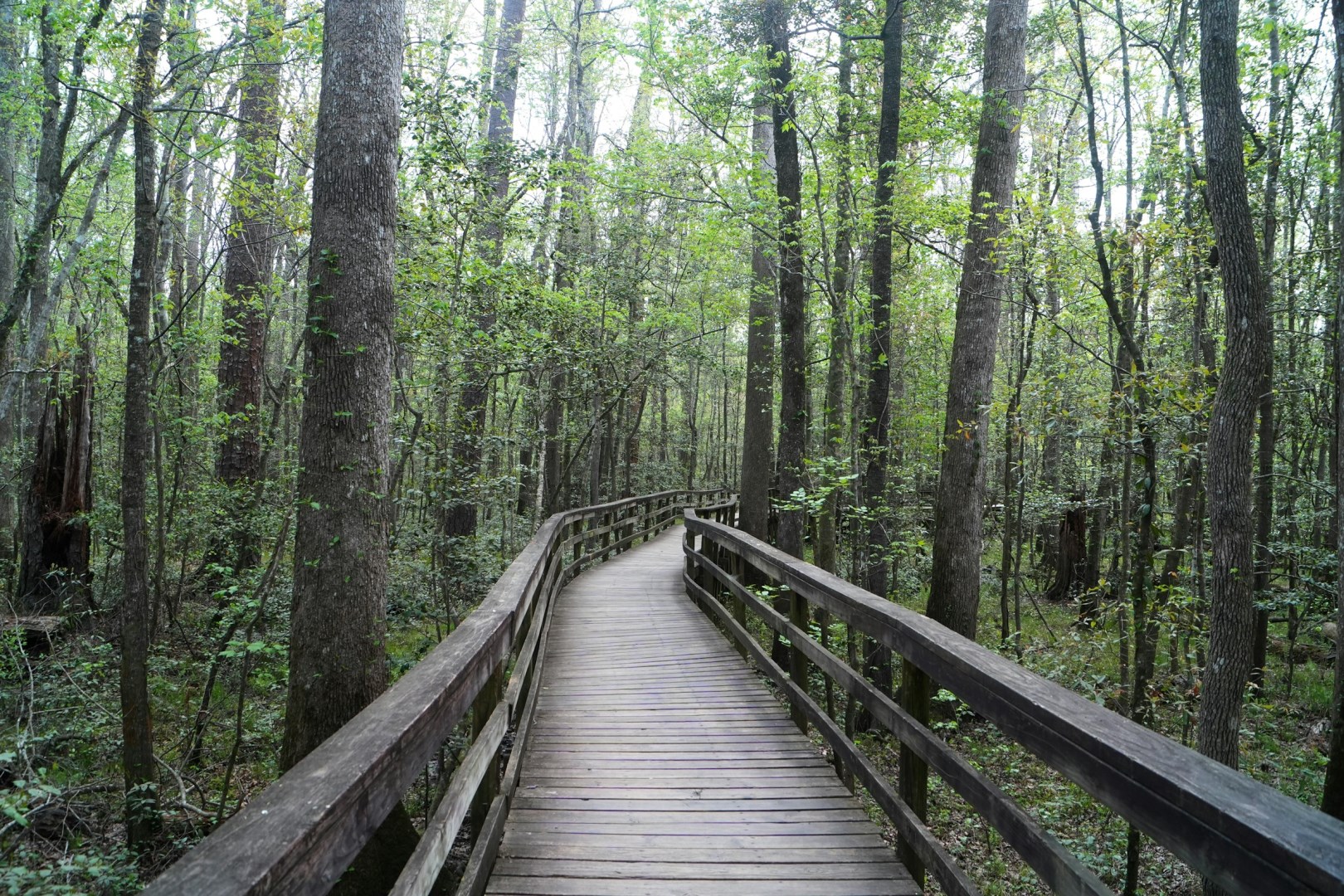
Imagine standing in complete stillness as thousands of tiny lights blink in perfect harmony around you. Every spring in Congaree National Park, this bioluminescent ballet plays out under the forest canopy. This is nature’s very own light show, and it lasts only two magical weeks. Time your visit right, and you’ll be part of a glowing experience few ever witness.
Salamanca
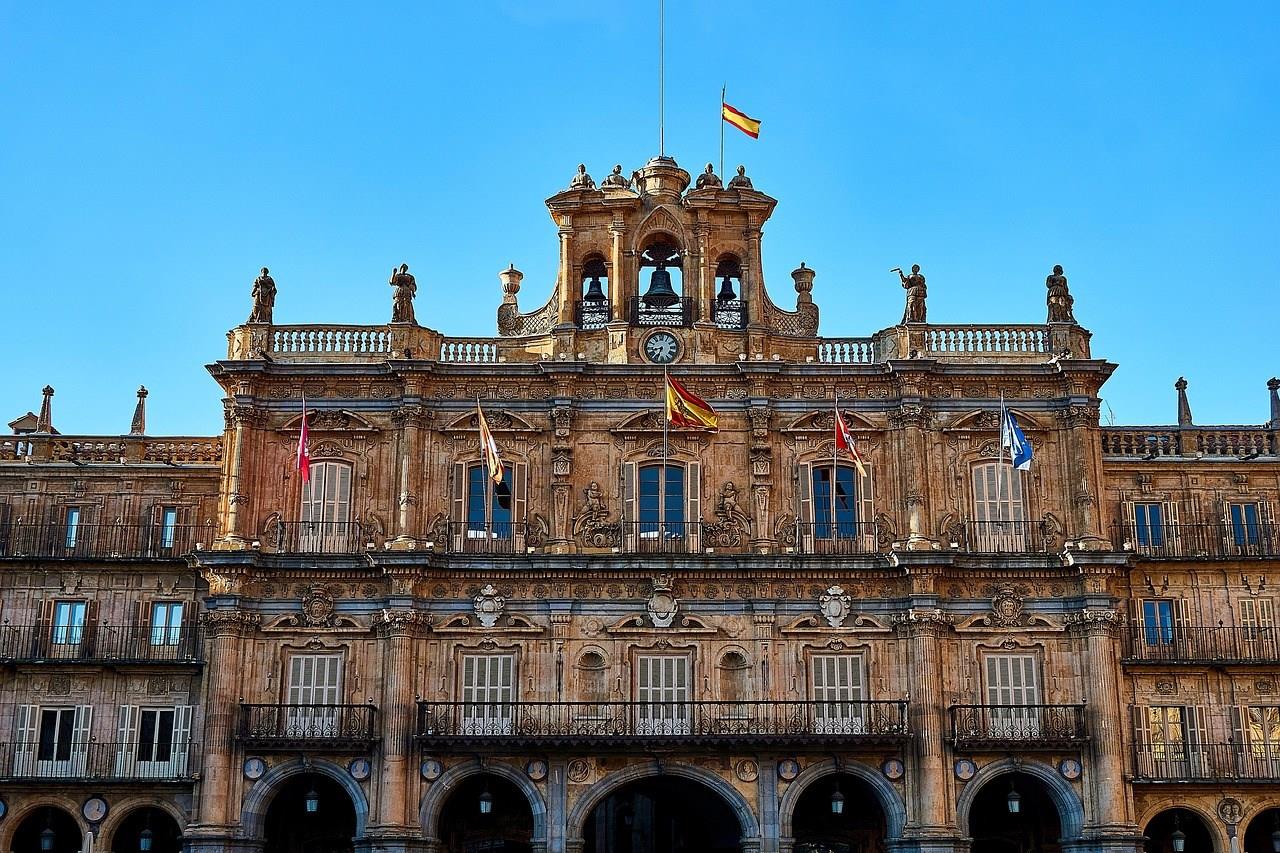
Salamanca, often called the “Golden City” for the warm glow of its sandstone buildings, is a place where centuries of stories are etched into every wall. Visit its historic center to wander through cobbled streets lined with architectural marvels. The University of Salamanca, founded in 1218, is one of the oldest in Europe and still buzzes with student life.
Bahir Dar
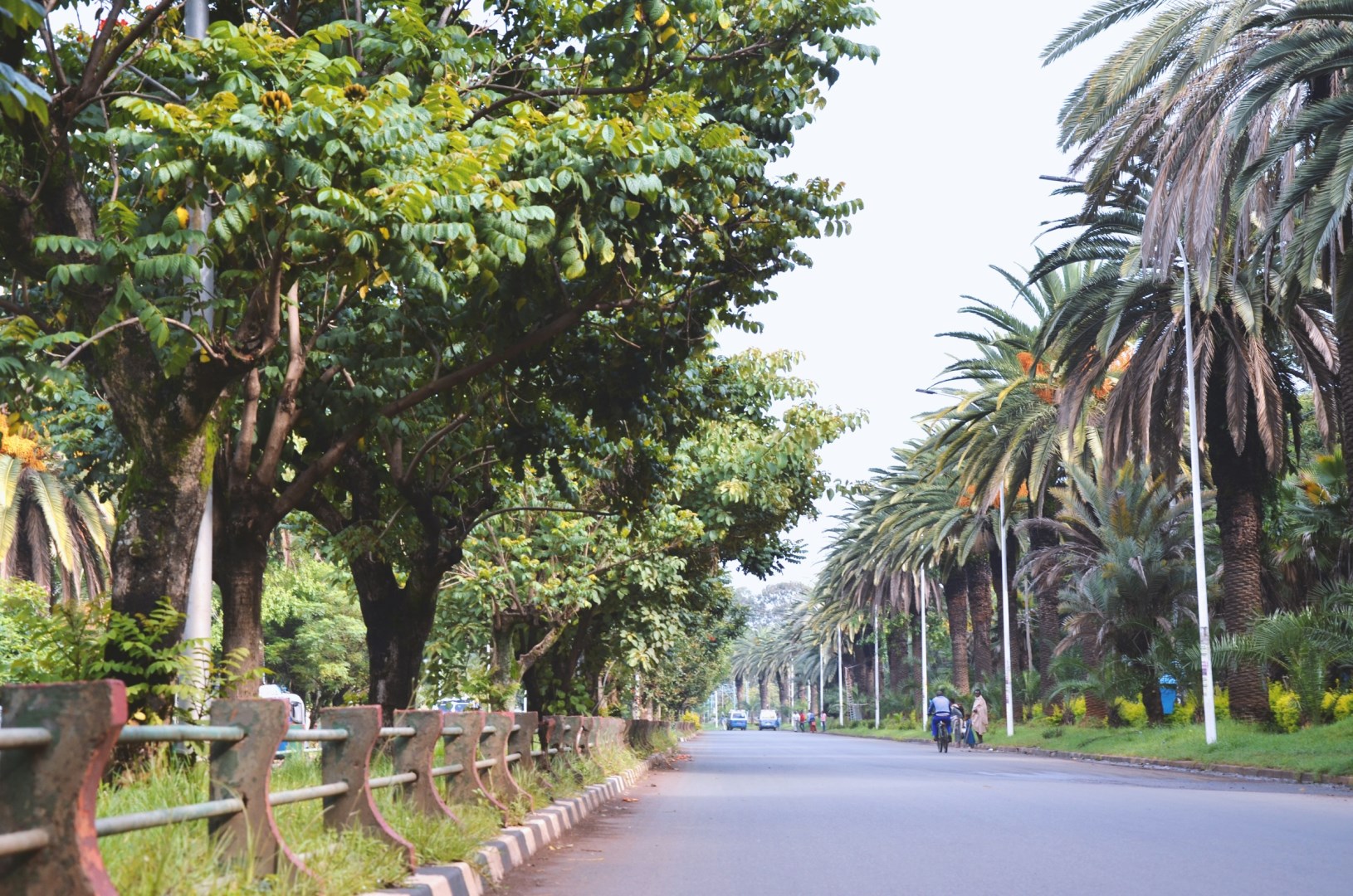
A small town located on the shores of Lake Tana (Ethiopia's largest). Visit the ancient monestaries, the beautiful Tissisiat Falls (30km) and the place where the 'Blue Nile' creates smoking waters.
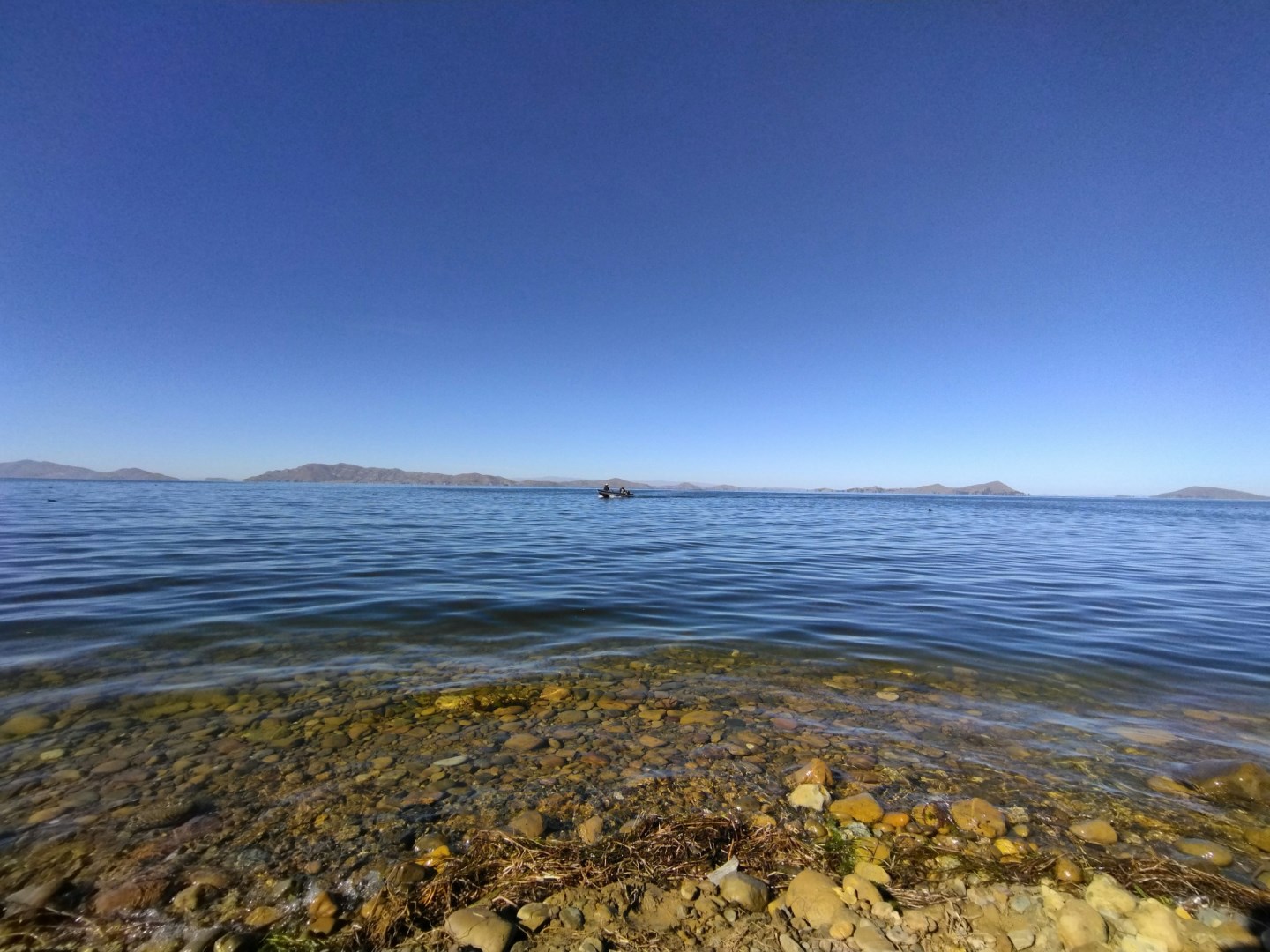
Huatajata
Huatajata is a serene lakeside village on the Bolivian shore of Lake Titicaca, the world’s highest navigable lake. Surrounded by the majestic Andes, this small community offers a peaceful atmosphere with stunning views of shimmering blue waters and distant snowcapped peaks.
