
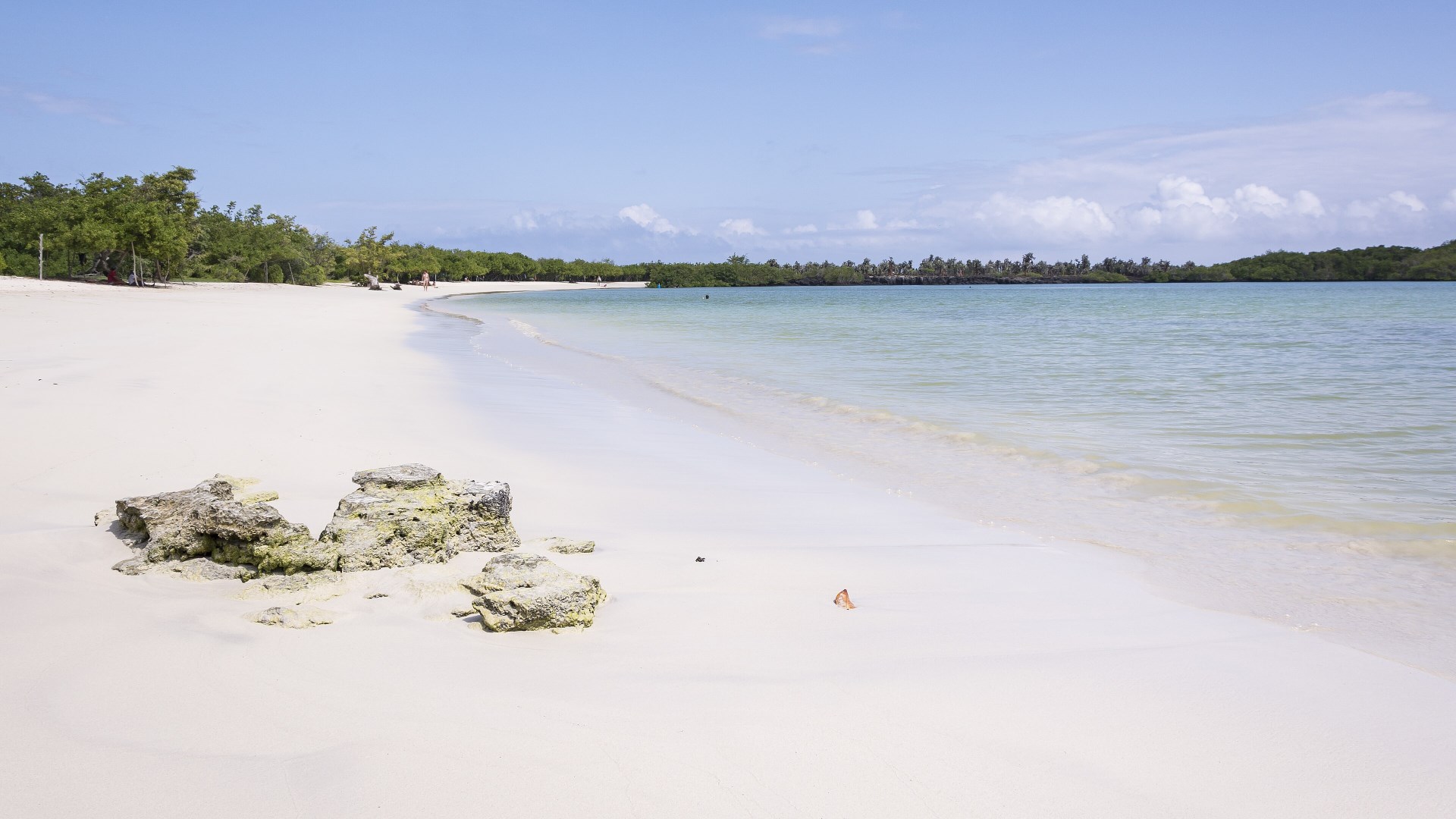
Santa Cruz Island
Santa Cruz Island is the beating heart of the Galápagos and is home to the largest town in the archipelago, Puerto Ayora, and a key access point for travelers exploring this unique region. But beyond its small port and shops, the island reveals a surprising range of ecosystems, from black lava shores to lush highlands where giant tortoises roam freely.
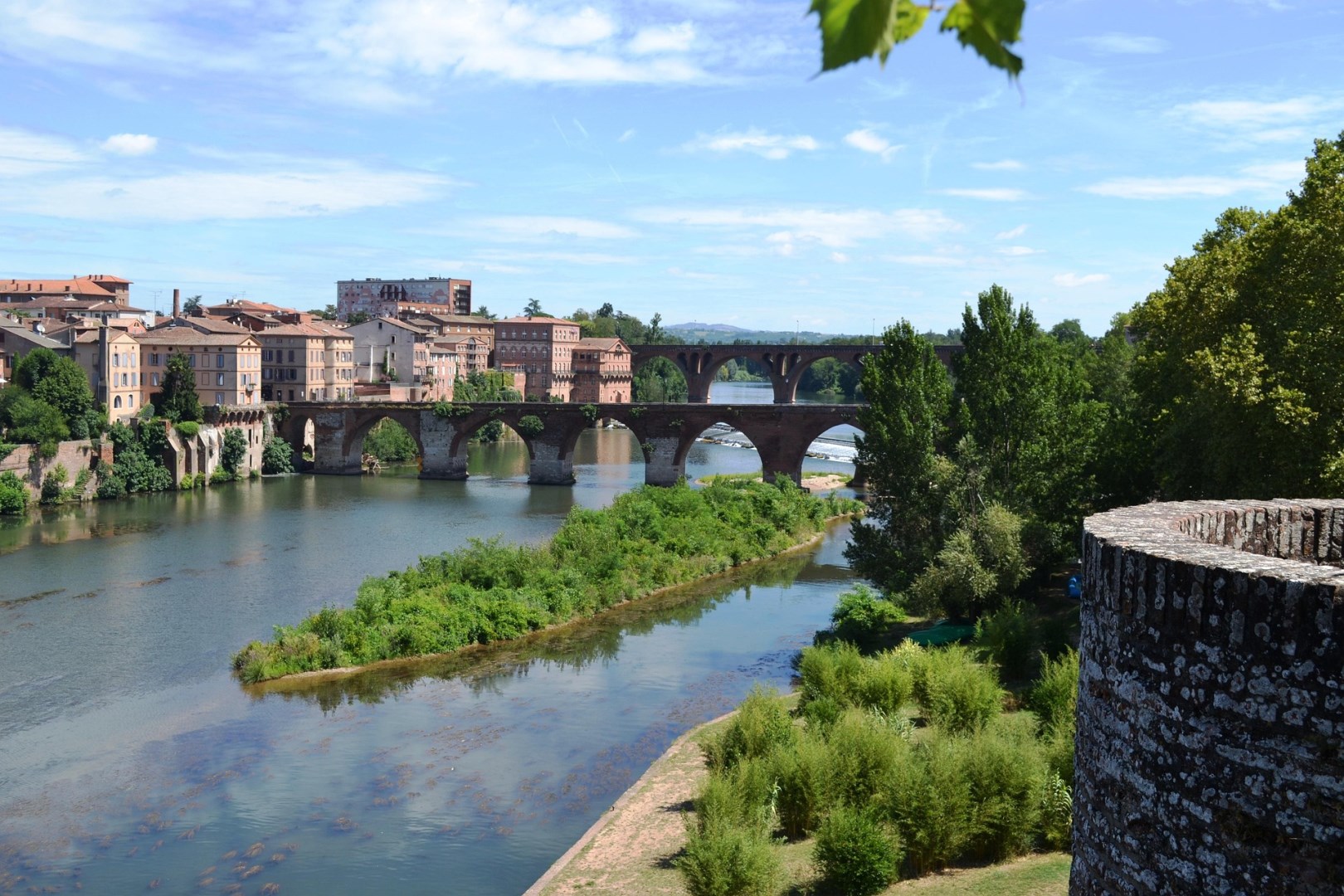
Albi
Albi is a city on the River Tarn in southwestern France, known for its distinctive red-brick architecture and compact historic centre. Its Episcopal City, a UNESCO World Heritage Site, brings together the imposing Sainte-Cécile Cathedral, the former Berbie Palace, the Saint-Salvi quarter, and the Pont-Vieux. The city is often called “Albi la rouge” because of the warm tones of its brick buildings.
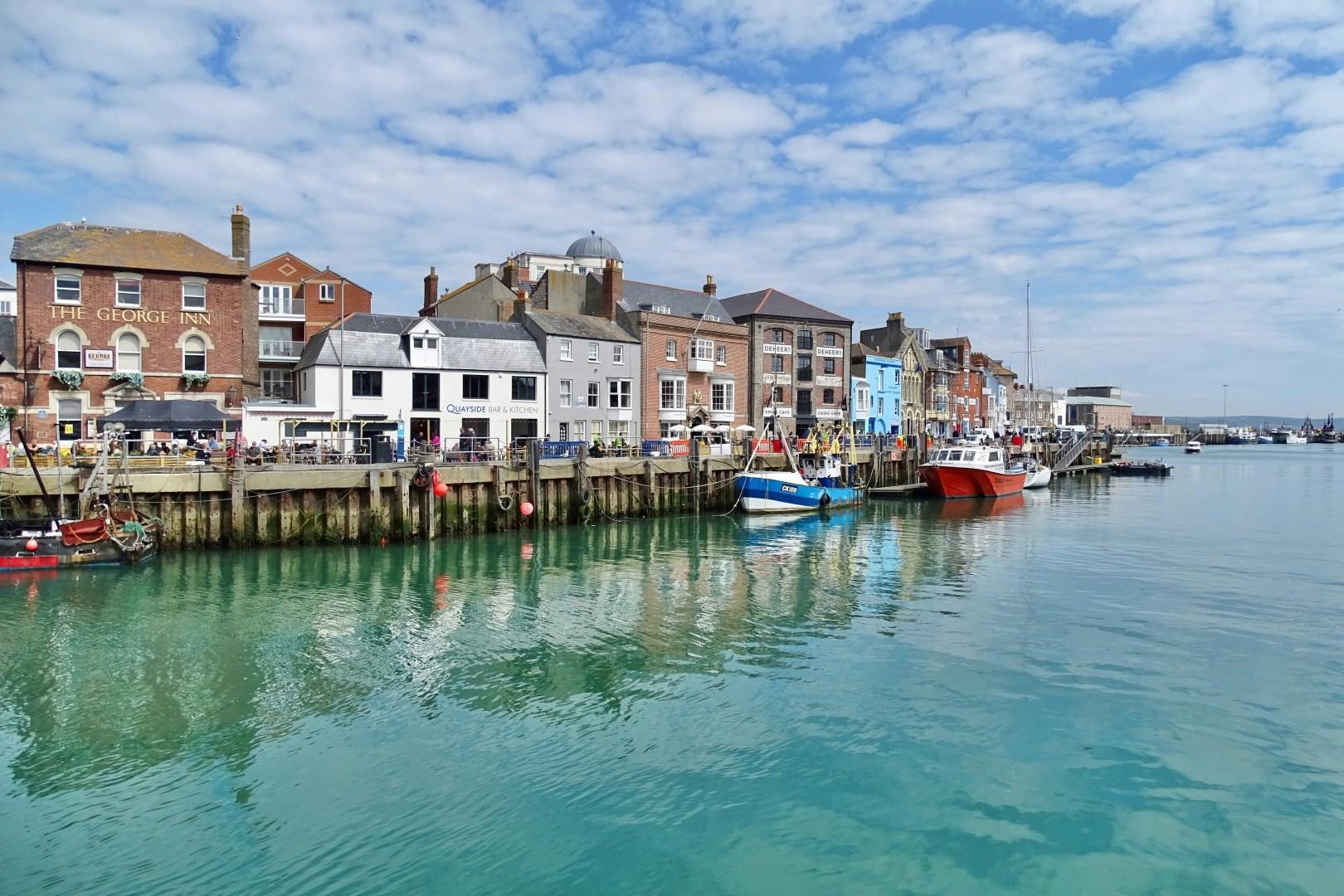
Weymouth
Weymouth is a seaside town on England’s Jurassic Coast, where a long tradition of maritime life meets a relaxed, lived-in shoreline. Its broad sandy beach curves gently around the bay, sheltered by the Isle of Portland, making it one of the south coast’s most approachable places for swimming and coastal walks.

Playa Del Carmen
Playa del Carmen, located along Mexico’s Riviera Maya, offers more than just soft beaches and turquoise waters. Once a quiet fishing village, the town has grown into a lively hub where Mayan history meets a modern beachside lifestyle. Visitors walking along Quinta Avenida will find artisan shops, street performers, and cafes offering everything from espresso to tacos al pastor. This area becomes especially active in the evenings when live music spills out from local venues.

Sedona
Nestled amid the stunning red rock formations of northern Arizona, Sedona is a destination where natural beauty, spiritual energy, and outdoor adventure converge. Known for its vibrant landscape of towering red rocks, Sedona is often called “Red Rock Country.” Visitors can explore this breathtaking terrain through a myriad of trails suitable for all skill levels.
