
Khao Lak
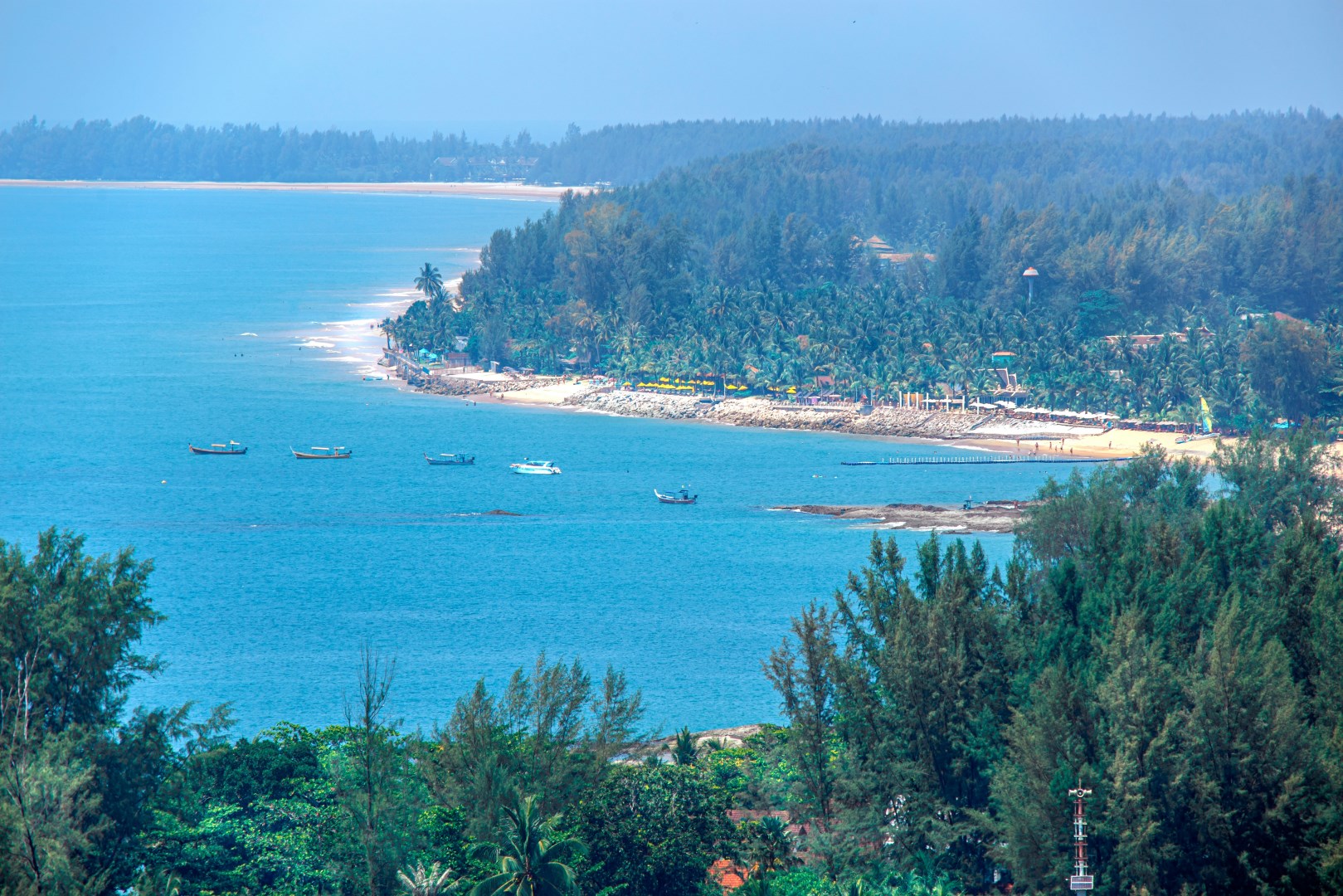
Khao Lak rests quietly along Thailand’s Andaman coastline, about an hour north of Phuket, yet it feels worlds apart. This stretch of shoreline runs for miles, with wide sandy beaches that often seem almost untouched. The name itself comes from the nearby mountain that rises behind the coast, giving the area a dramatic backdrop where forest meets sea.
Zaamin
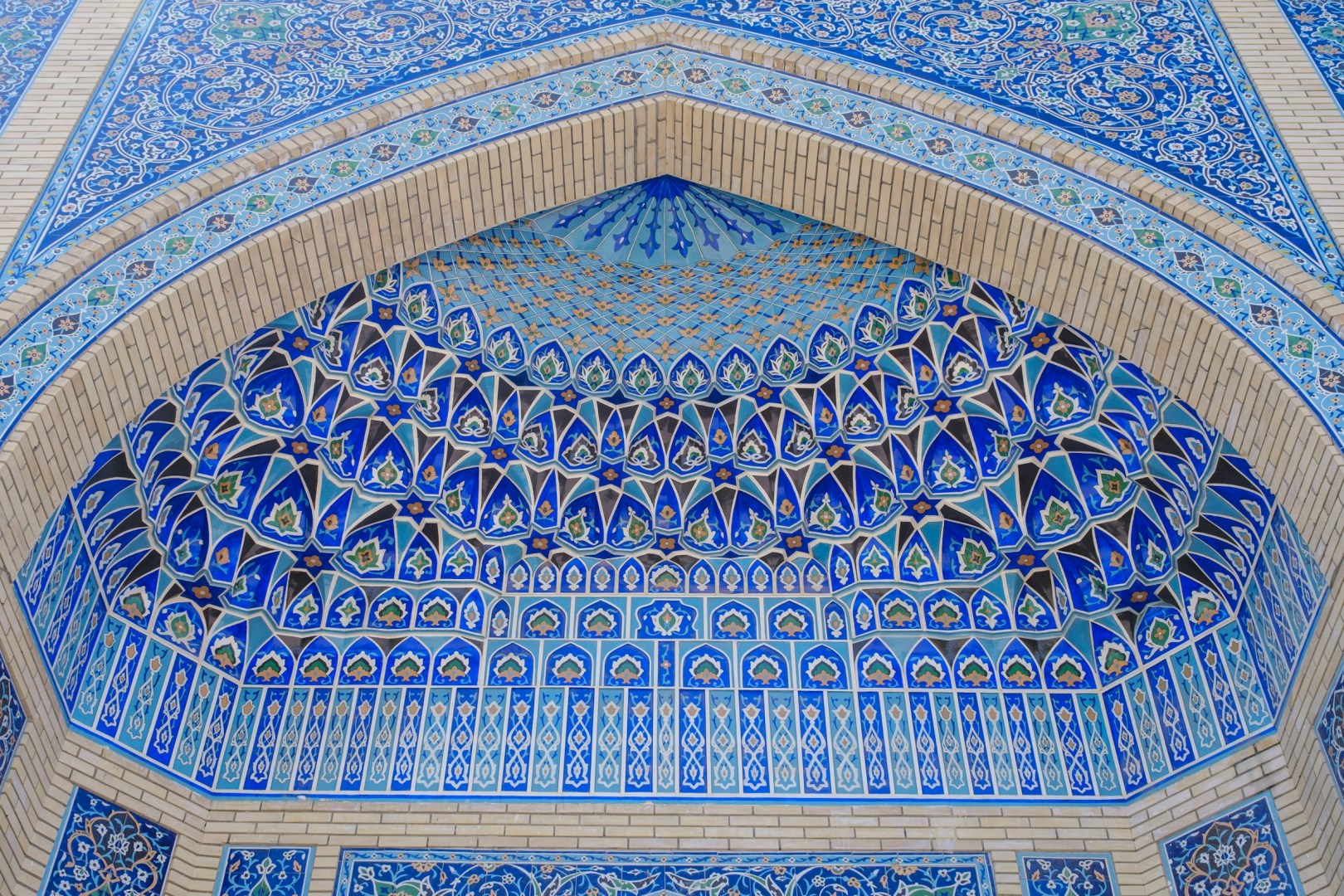
Zaamin is a mountain district in eastern Uzbekistan’s Jizzakh Region, known for its forests, highland landscapes, and traditional villages. The area lies around the Turkestan Range and is closely associated with Zaamin National Park, one of the country’s protected mountain areas. Zaamin has long been regarded as a destination for fresh mountain air and outdoor recreation, while its villages retain agricultural traditions and a quieter rural character.

Kingman
Kingman is a city in northwestern Arizona, set among the rugged mountains and high desert of Mohave County. Its location along historic U.S. Route 66 has made it an important stopping point for travelers crossing the Southwest, while its position between the Colorado River and the high country gives the city a varied surrounding landscape. Historic downtown Kingman contains preserved storefronts, murals, museums, and roadside landmarks that reflect its transportation heritage.
Paraty
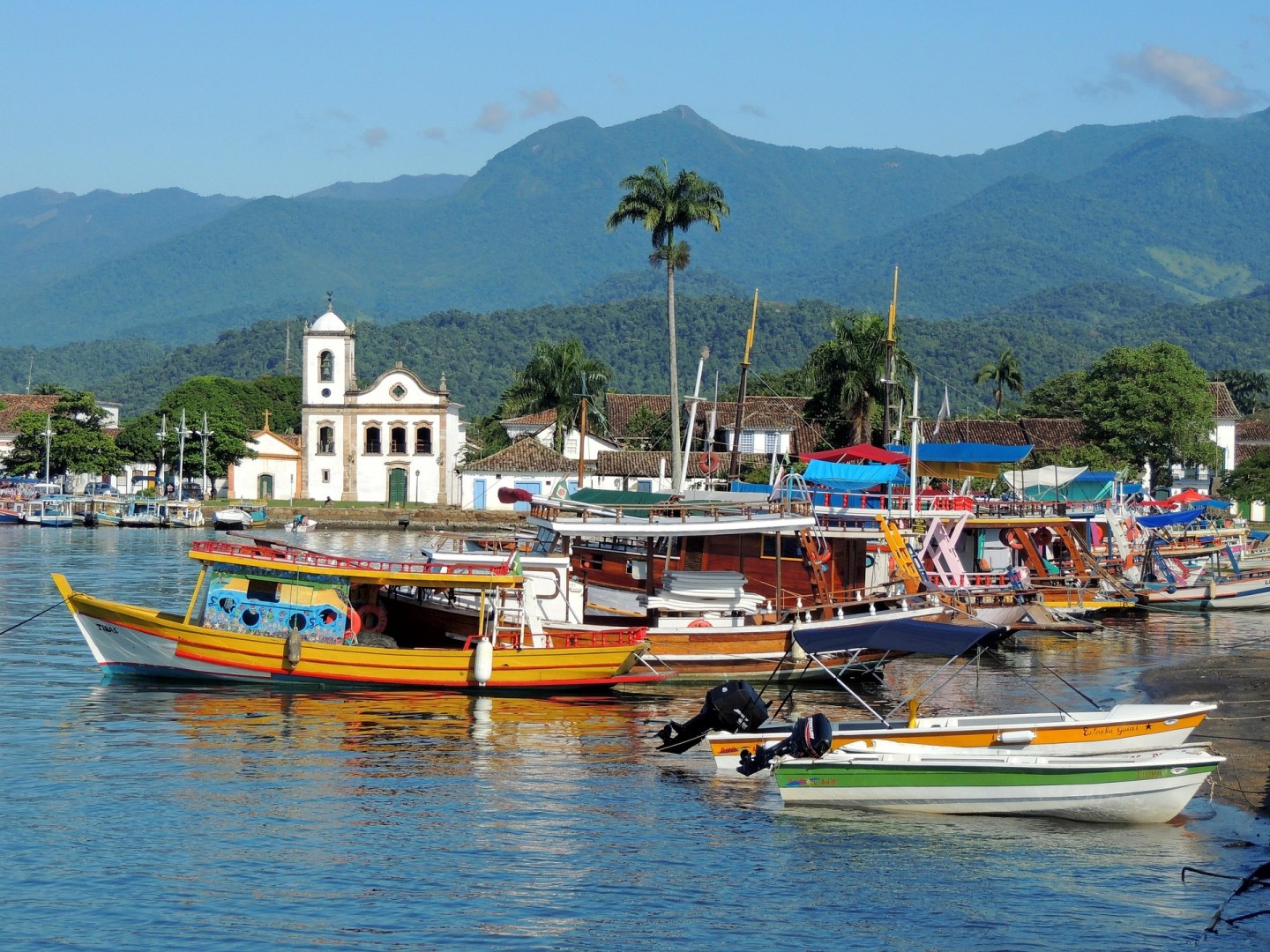
Paraty is a charming coastal town in Brazil’s Rio de Janeiro state, known for its colonial architecture, cobbled streets, and artistic heritage.
Ao Nang
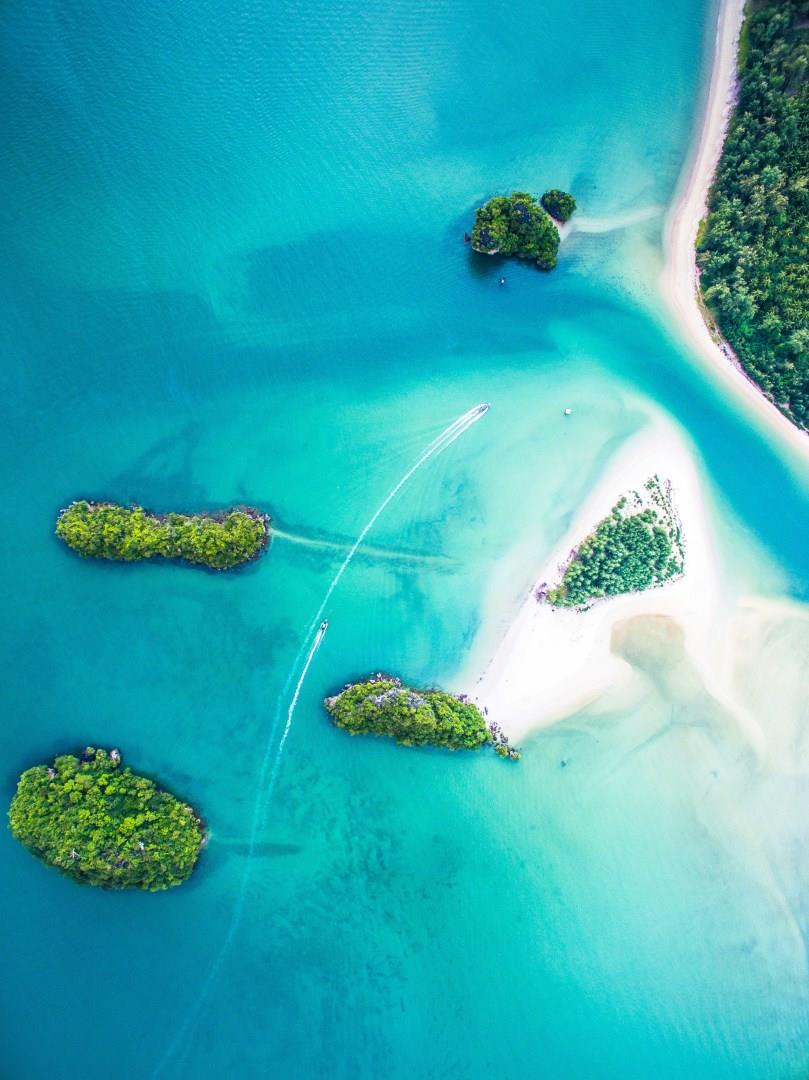
Ao Nang is a coastal town in Thailand’s Krabi province, set against a backdrop of limestone cliffs that rise abruptly from the shoreline. Once a quiet fishing village, it has grown into a lively seaside hub while still retaining strong ties to the surrounding landscape.
