
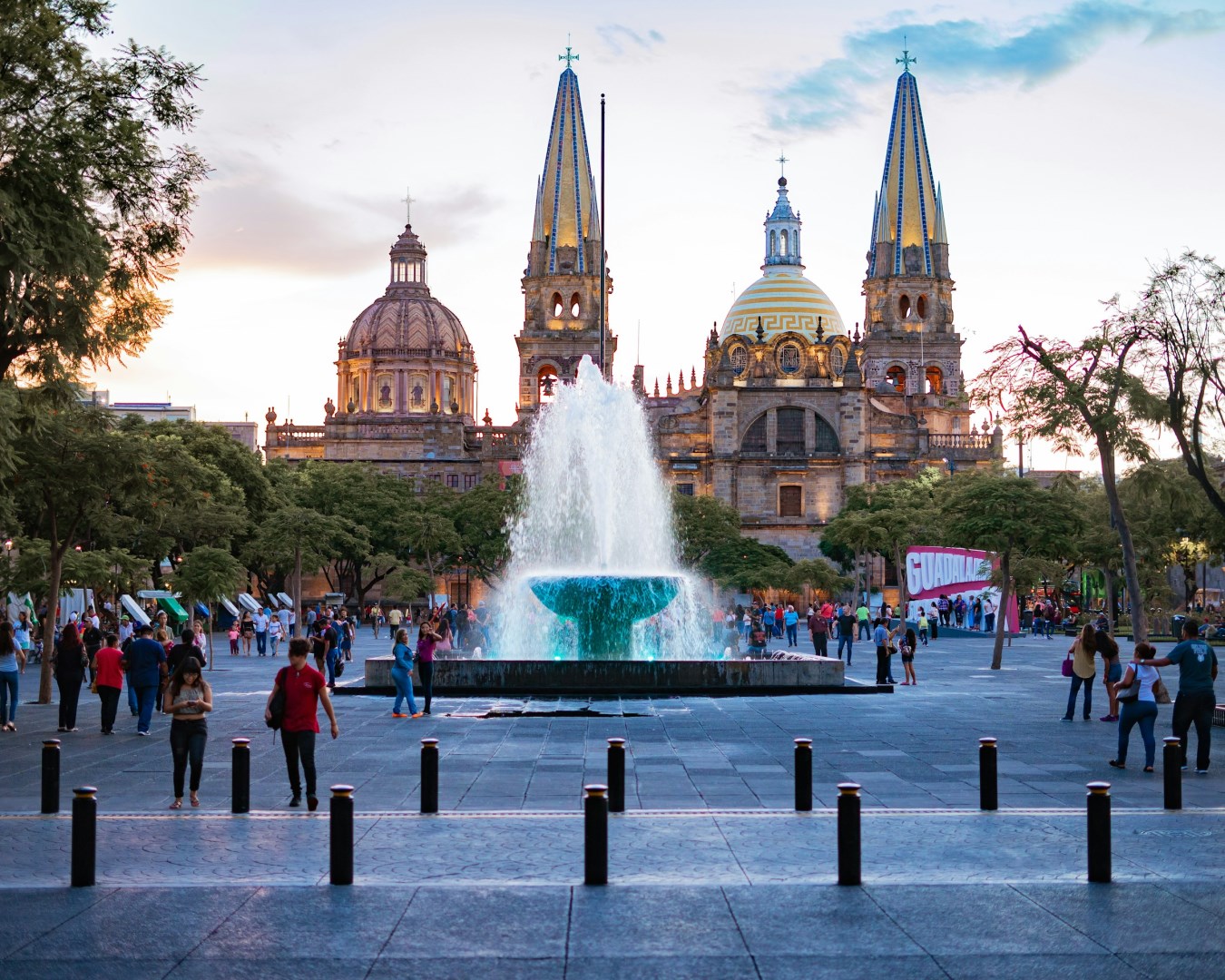
Guadalajara
In the central highlands of Mexico lies a rich city, with a culture as colorful as its past. Guadalajara, Mexico's second largest city, may be best known for its tequila, mariachis and the hat dance, all part of its celebrations. The downtown area is dominated by a huge public square, the Plaza del la Liberacion. Guadalahara's most impressive historical sights are found along this square, as well as museums tracing Mexico's long history.

Zion National Park
Zion National Park, located in southwestern Utah, is known for its massive sandstone cliffs, narrow slot canyons, and unique desert ecosystems. Established in 1919, it was Utah’s first national park and continues to attract visitors with its dramatic elevation shifts and striking rock formations. The park’s most iconic feature, Zion Canyon, stretches for 15 miles and reaches depths of up to 2,640 feet, carved over time by the Virgin River.

Barbados
Barbados, an idyllic island in the Caribbean, offers a delightful blend of natural beauty, vibrant culture, and rich history. Known for its stunning beaches, crystal-clear waters, and year-round warm climate, Barbados is a paradise for sun-seekers and adventure enthusiasts alike. The island’s western coast boasts the famous West Coast Beaches, including Payne’s Bay and Sandy Lane, where soft white sands and turquoise waters provide the perfect backdrop for relaxation or water sports.
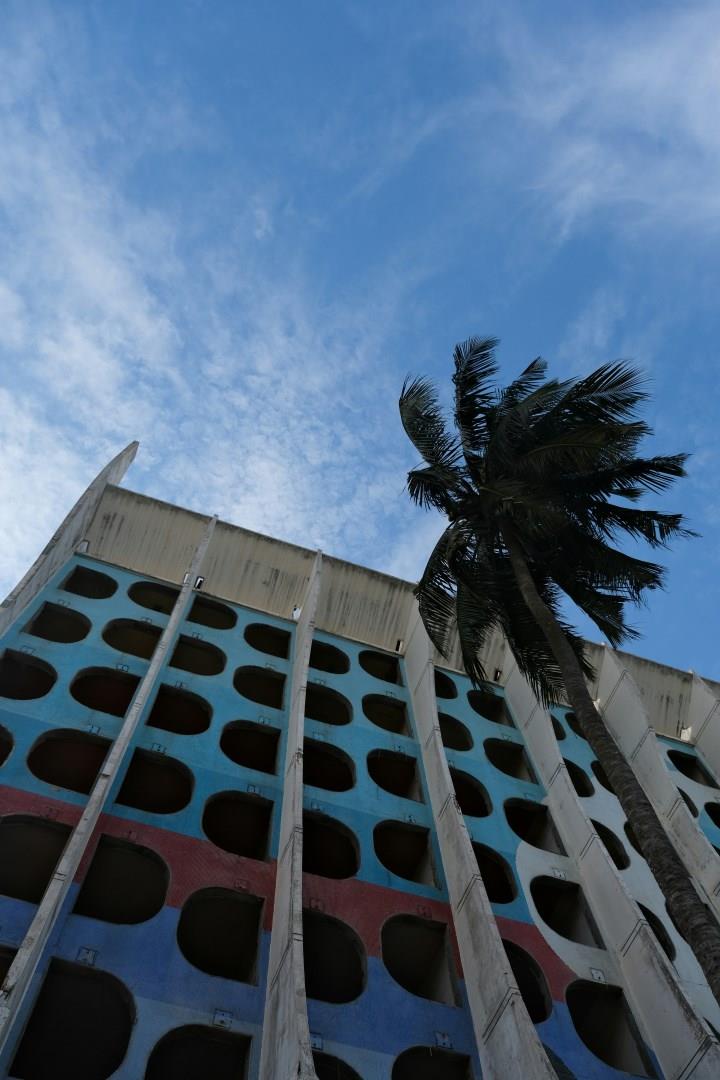
Lome
Lomé, the capital city of Togo, sits along the Gulf of Guinea and serves as both the political and cultural heart of the country. Lomé’s coastline features beaches where locals gather and where visitors can enjoy views of the Atlantic Ocean.

New Caledonia
New Caledonia is an archipelago located in the south western part of the Pacific Ocean, and belongs to what is known as Melanesia. The mainland known as the "Grande Terre" is the principal island of New Caledonia and covers an area of 400 kms north to south and 50 kms west to east, with a total surface of 19 000 square meters. It is the third largest island in the South Pacific after New Guinea and New Zealand.
