
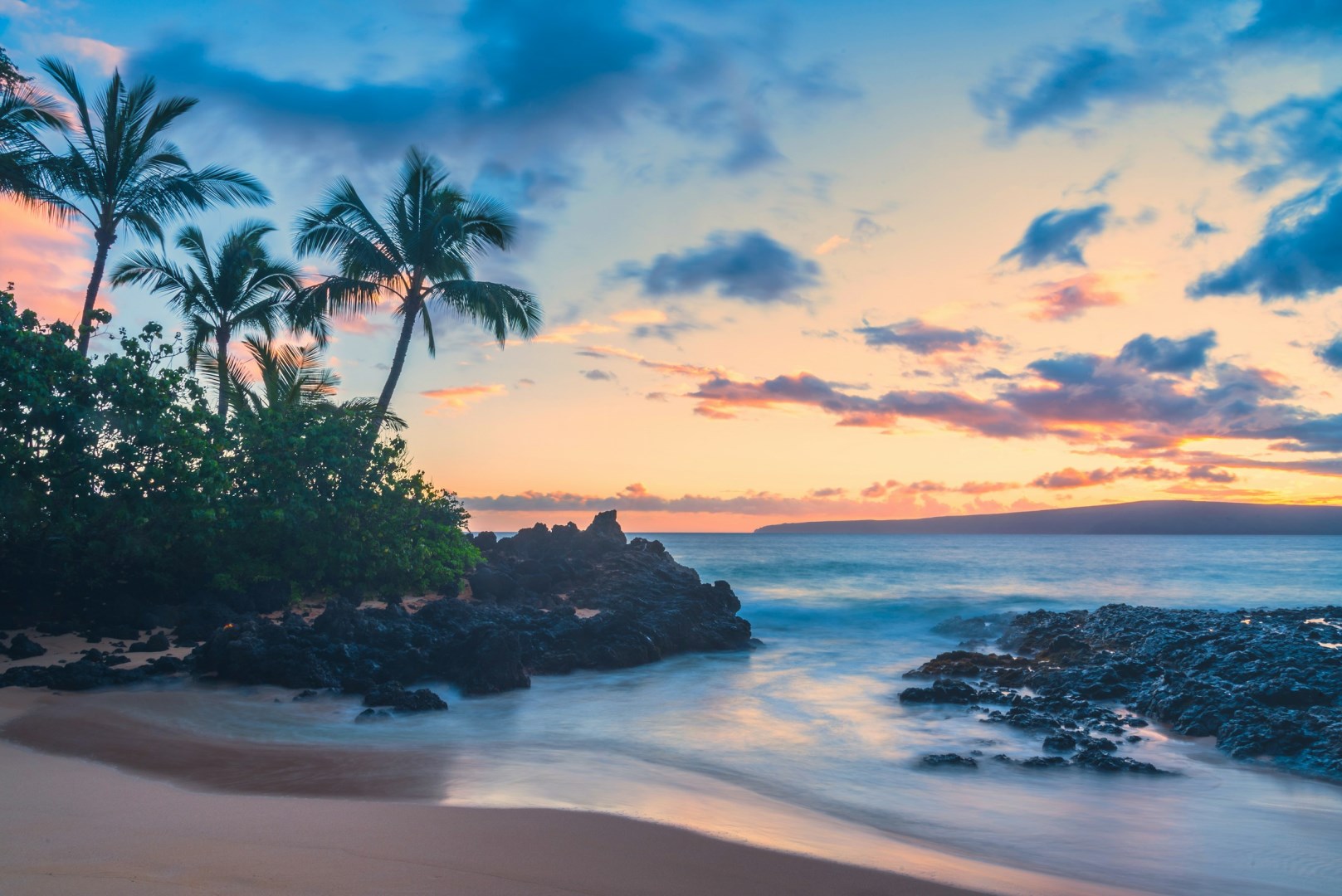
Kihei, Maui
Kihei was once a favored destination for Hawaiian royalty! With scenery like this, you can easily see why. Whether you choose to spend your days snorkeling, paddle boarding or watching for humpbacked whale breaches, or even just sitting on the beach enjoying stunning views, Kihei is sure to leave you enchanted.
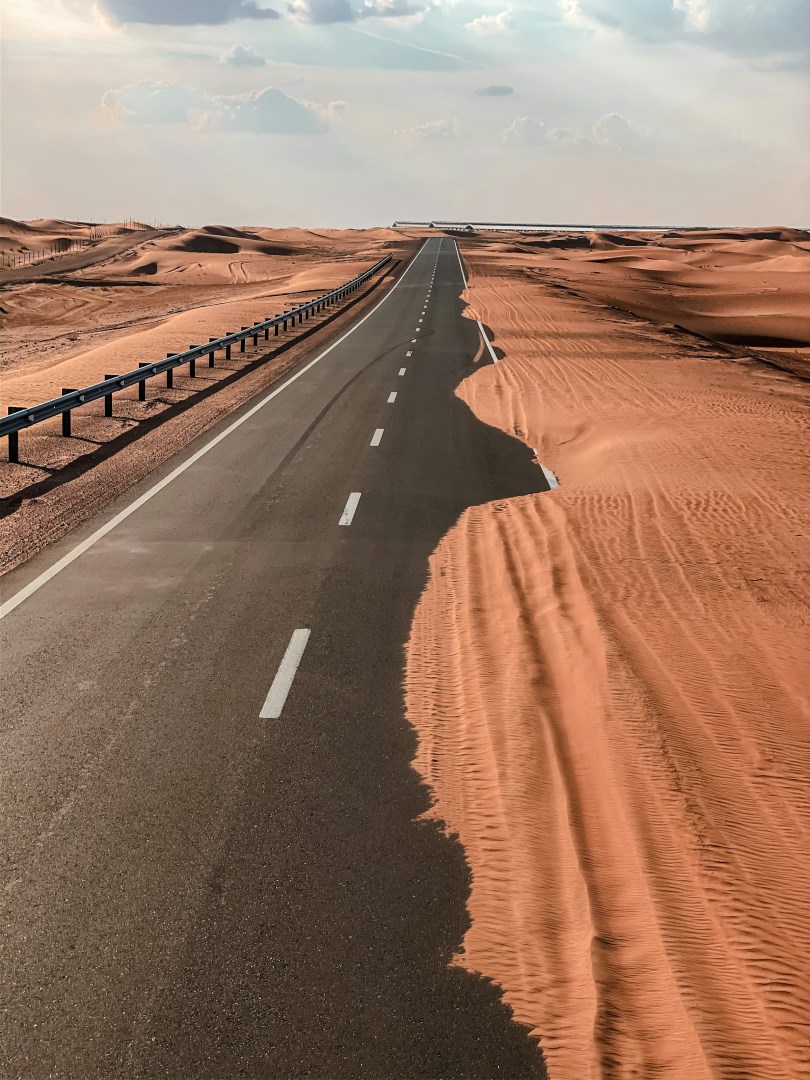
Al Ain
Al Ain is located about 160 km east of Abu Dhabi, and has its own international airport, which opened in 1994. Its many attractions include camel races, ancient forts, a zoo, museums, and the Jabal Hafit Mountain.
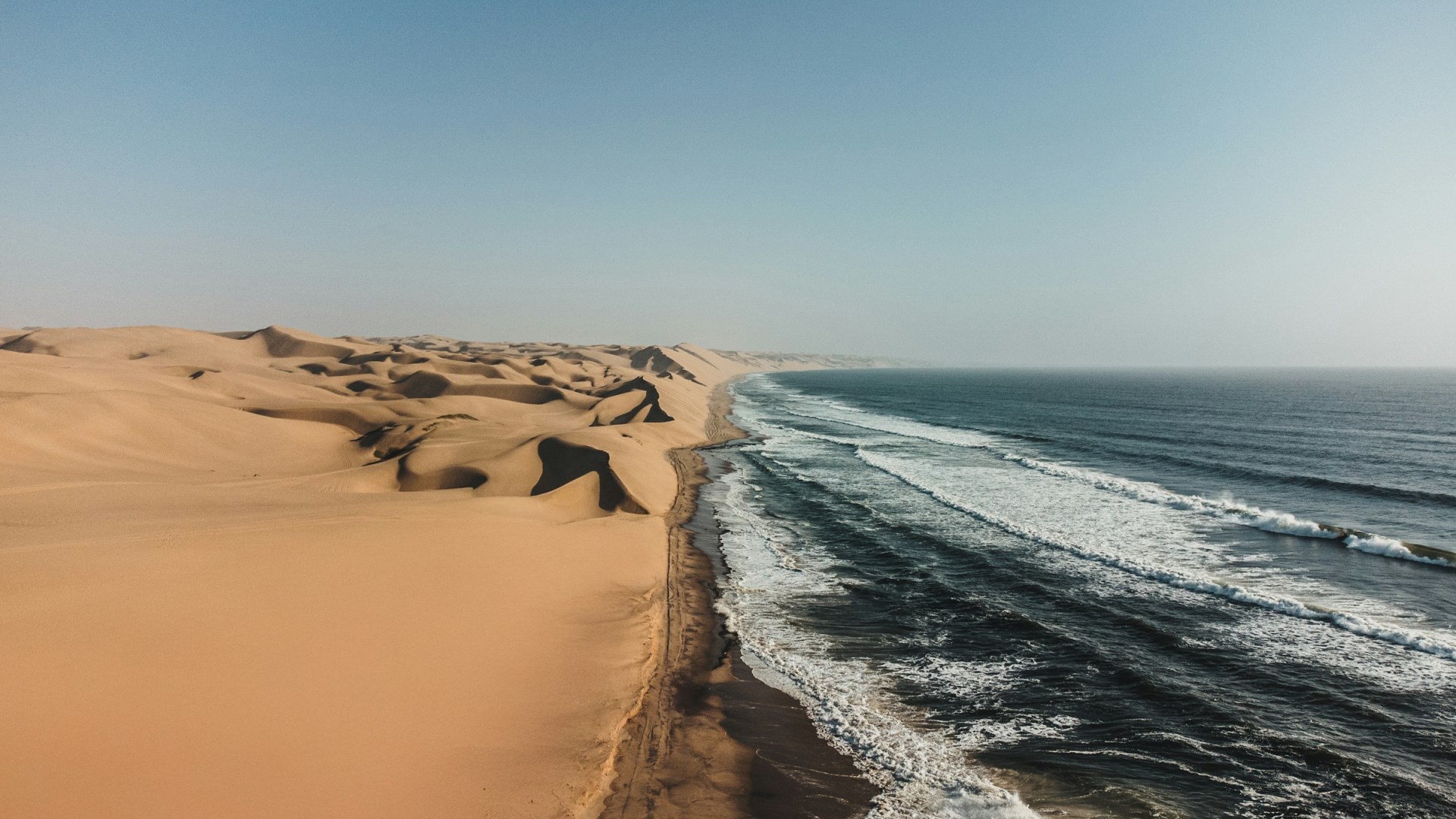
Sandwich Harbour
Sandwich Harbour is a remote coastal wetland within Namib-Naukluft National Park, about 55 kilometres south of Walvis Bay. It lies where the Namib Desert meets the Atlantic Ocean, with tall dunes rising beside a lagoon, mudflats, and shallow coastal waters. The area is part of the Namib Sand Sea, where wind and ocean moisture shape one of the world's most distinctive desert environments.
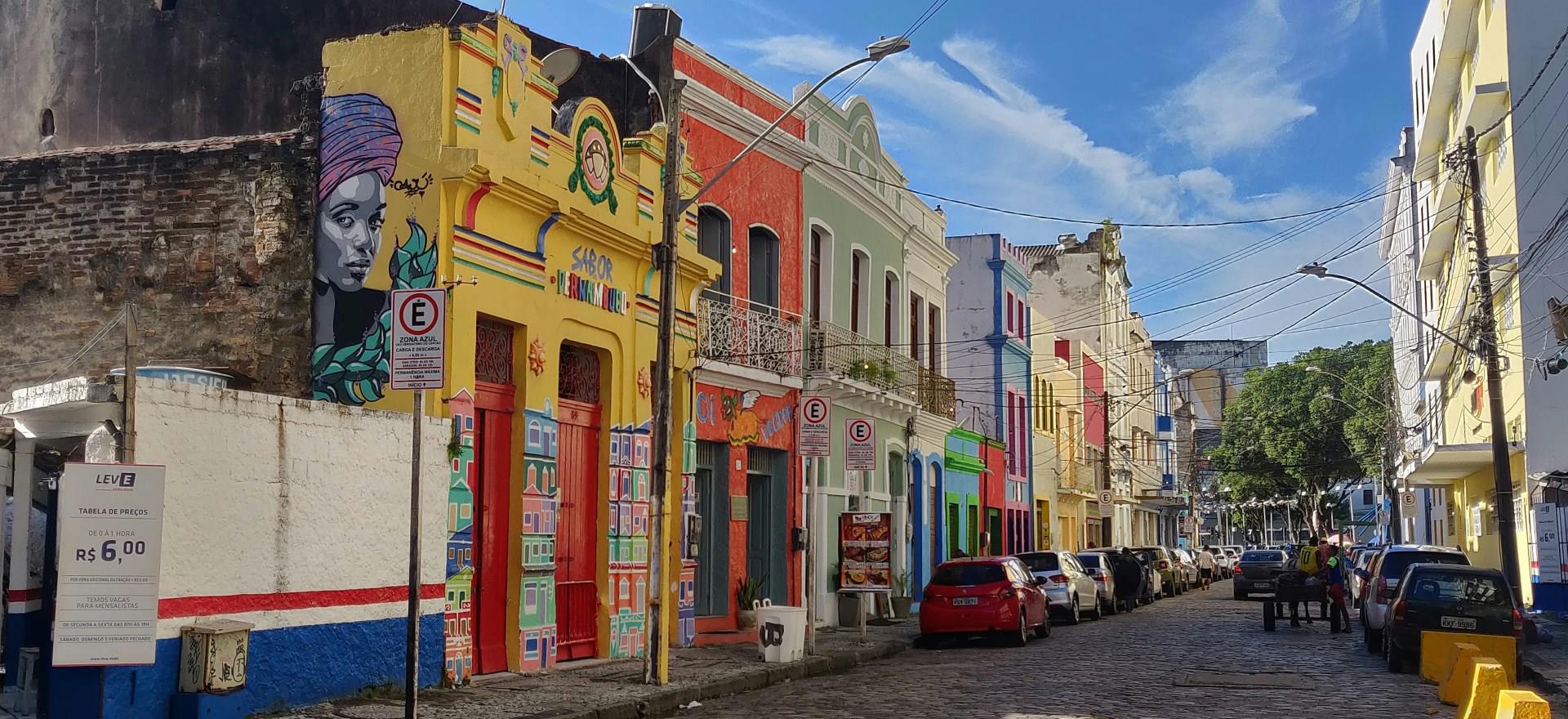
Recife
Recife, the vibrant capital of Pernambuco in northeastern Brazil, is a city where history, culture, and natural beauty intertwine to create an unforgettable destination. Known as the "Venice of Brazil" due to its many waterways, bridges, and islands, Recife offers visitors a unique blend of colonial architecture, modern urban life, and stunning coastal landscapes.

Monemvasia
Monemvasia, Greece, is a captivating destination that enchants visitors with its blend of medieval charm and stunning natural beauty. Perched on a small island off the coast of the Peloponnese, this fortified town, often referred to as the "Gibraltar of the East," is renowned for its well-preserved Byzantine architecture and labyrinthine streets.
