

Santa Fe
Santa Fe, New Mexico, with its adobe-style architecture, vibrant arts scene, and unique blend of Native American, Spanish, and Anglo influences, is a destination like no other. Known as "The City Different," Santa Fe stands apart with its rich history and cultural diversity. A fun fact about Santa Fe is that it is the highest state capital in the United States, sitting at an elevation of 7,199 feet.

Olden
Nestled along the stunning Sognefjord in Norway, the charming town of Olden offers a gateway to some of Scandinavia’s most breathtaking landscapes. This picturesque settlement is renowned for its proximity to the Jostedalsbreen Glacier, the largest glacier in mainland Europe.

Tulum
Tulum, a jewel of the Riviera Maya, is a blend of ancient history, vibrant culture, and pristine natural beauty. Perched on a cliff overlooking the turquoise Caribbean Sea, the Tulum Ruins stand as one of the last cities built and inhabited by the Maya civilization. The well-preserved El Castillo, Temple of the Frescoes, and Temple of the Descending God offer insight into the architectural prowess and spiritual life of the ancient Maya.

Bolzano
Bolzano, nestled in the Italian Alps, offers a unique blend of Italian charm and Austrian influence. This picturesque city is a gateway to the Dolomites, a UNESCO World Heritage site known for its dramatic mountain peaks and scenic beauty. Visitors can explore the stunning medieval architecture of the Bolzano Cathedral, with its intricate Gothic details and colorful tiled roof.
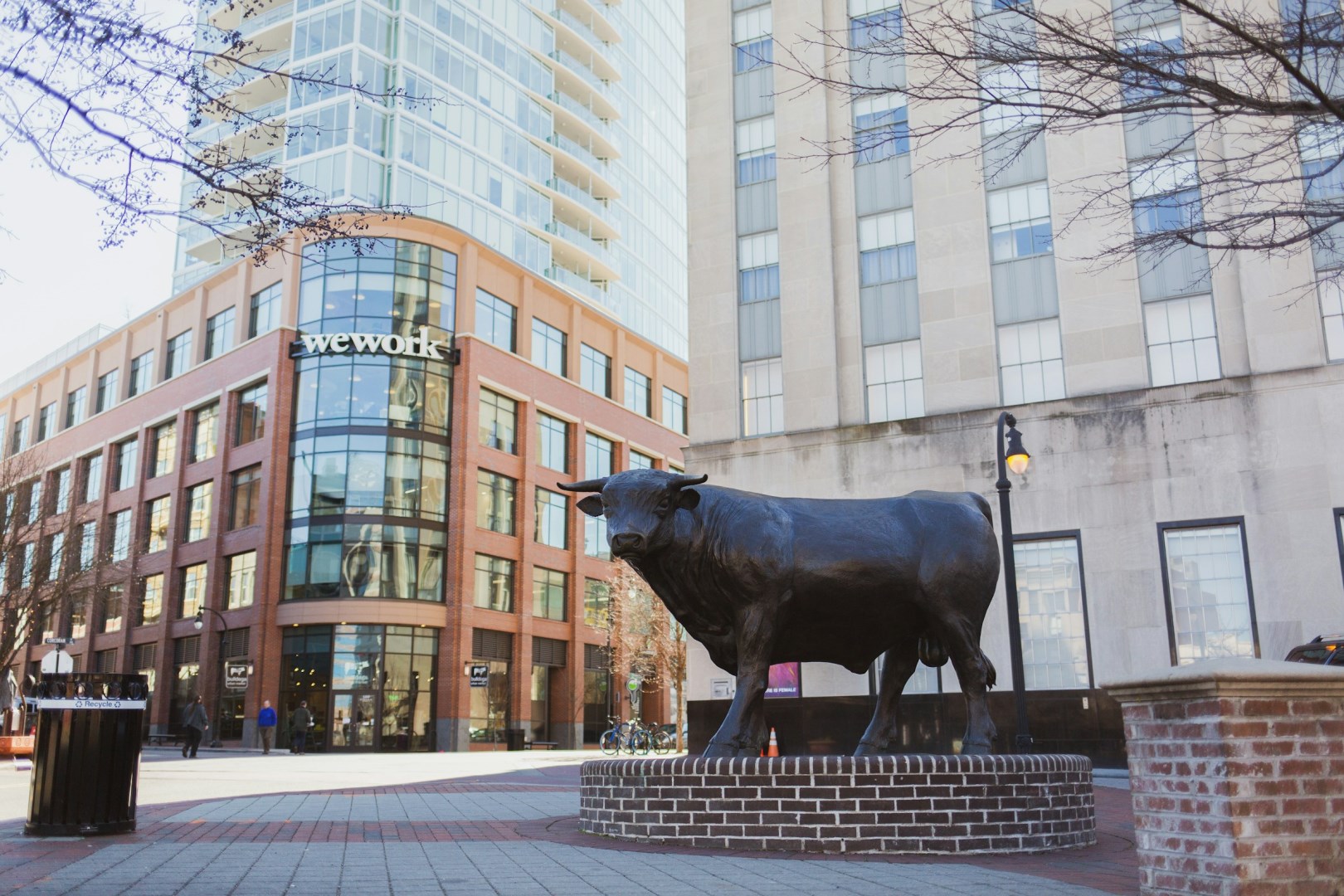
Durham
More than 5.5 million people visit Durham each year to enjoy a wealth of things to see and do including historical landmarks and sites, art centers and museums, nationally-recognized festivals and sports events.
