

Panama Canal
An essential passageway between the Atlantic and Pacific Oceans, the Panama Canal is an extraordinary technological landmark and a testament to human innovation. Built in the early twentieth century by American engineers, the canal weaves through the Panamanian isthmus and allows easy access for commercial freighters and cruise ships alike.
Lijiang
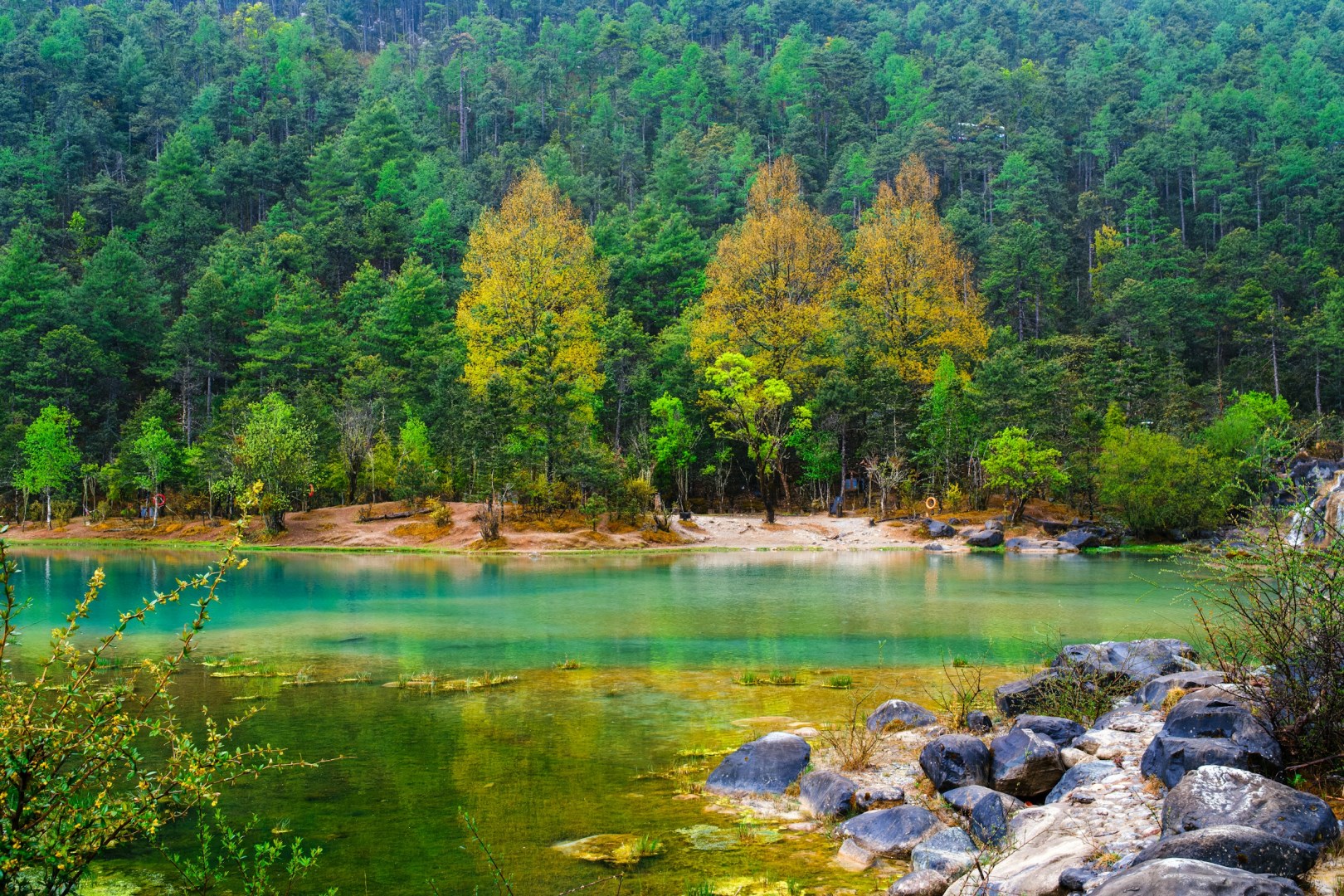
Lijiang sits in northwest Yunnan, shaped by its role as a trading town on routes linking Tibet, Sichuan, and Southeast Asia. It is closely associated with the Naxi people, whose language, music, and traditions remain central to local identity.
Ronda
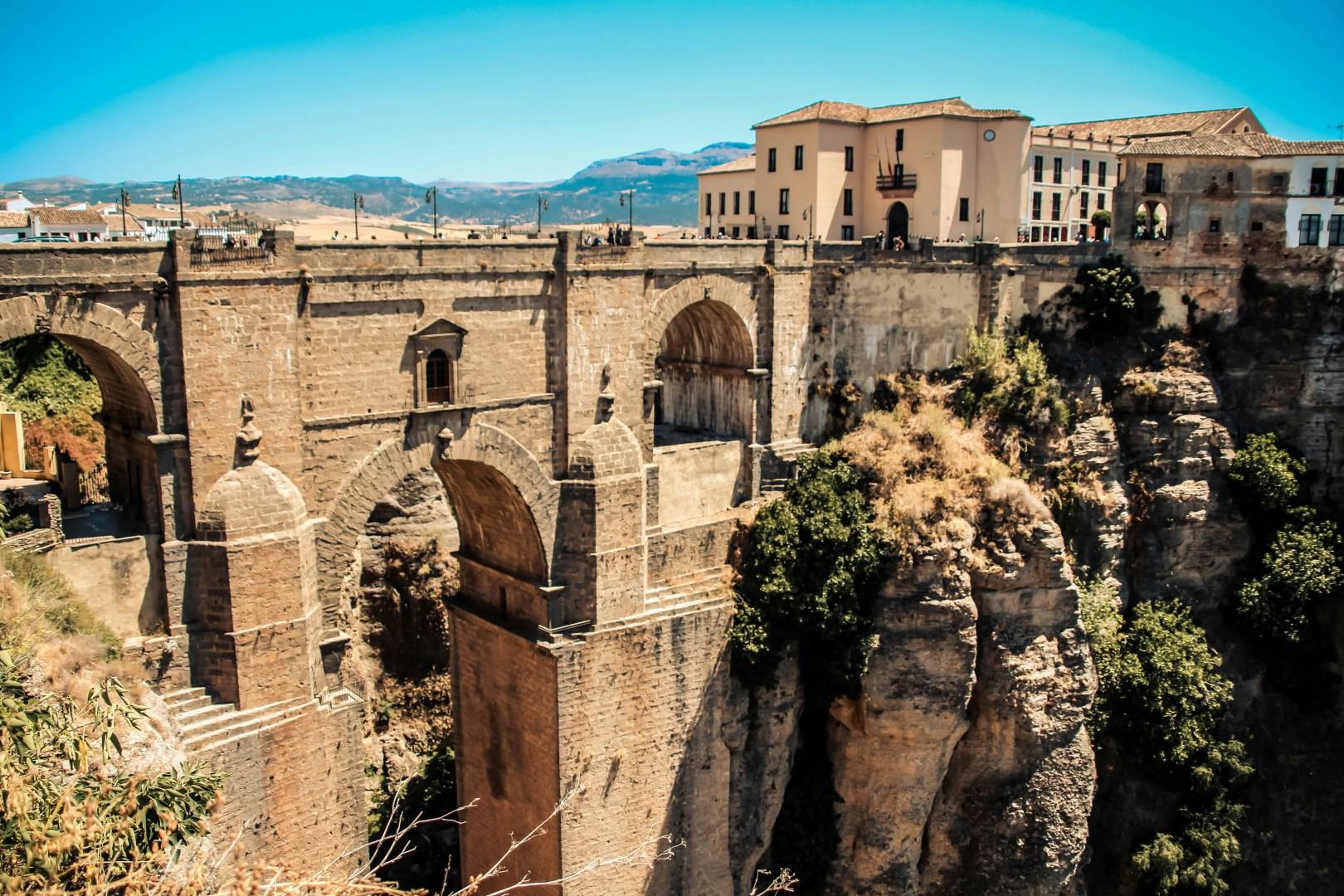
Ronda, perched high above the El Tajo gorge in southern Spain’s Málaga province, offers one of the most dramatic landscapes in Andalusia. The city is split in two by a 120-meter-deep canyon carved by the Guadalevín River, and connected by the iconic Puente Nuevo, an 18th-century stone bridge that took over 40 years to complete. Visitors crossing the bridge can stop at the viewpoint built into the stone itself, once used as a prison.
East and Southeast Asia
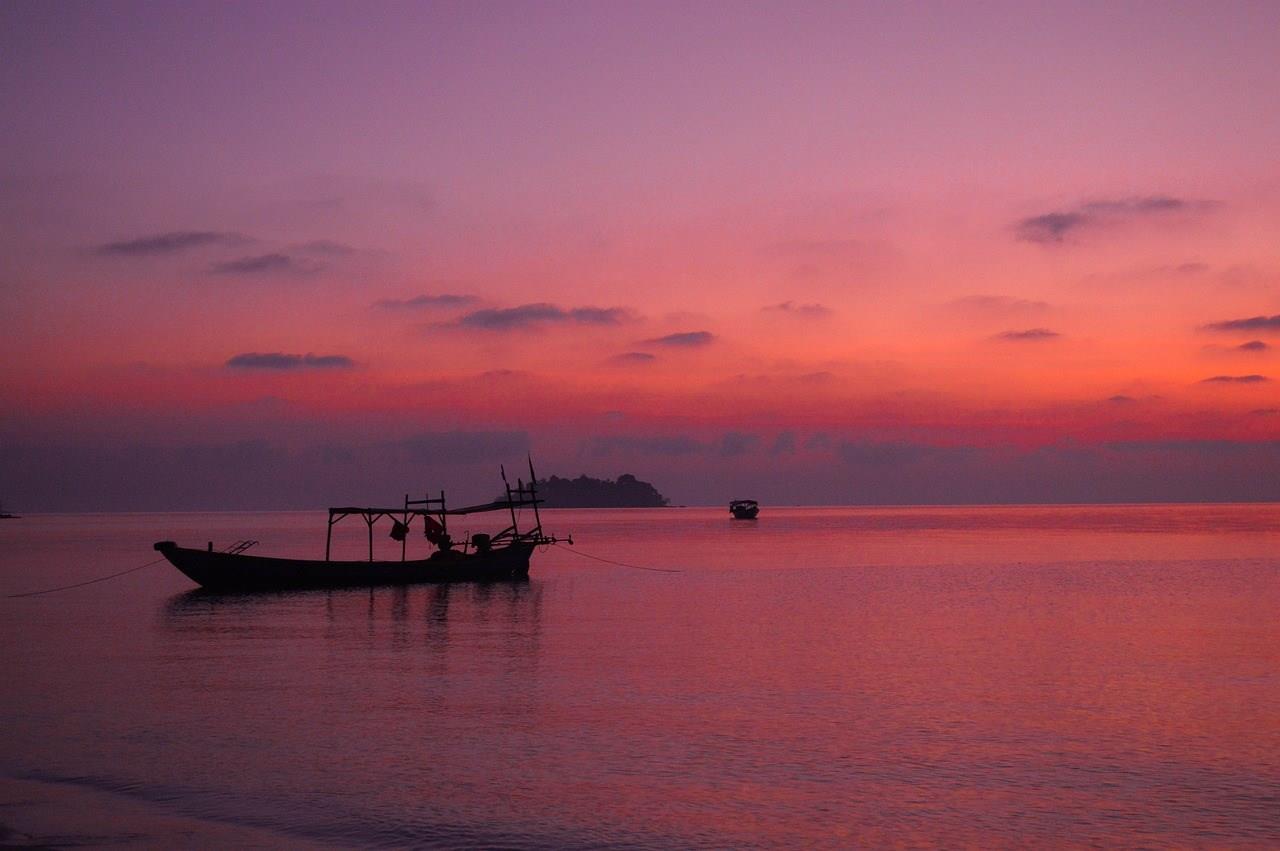
East and Southeast Asia encompass a vast and diverse region, stretching from the towering peaks of the Himalayas to the turquoise waters of the South China Sea. This area is home to some of the world’s most vibrant cities, tranquil rural landscapes, and a rich blend of traditions.
Kolmanskop
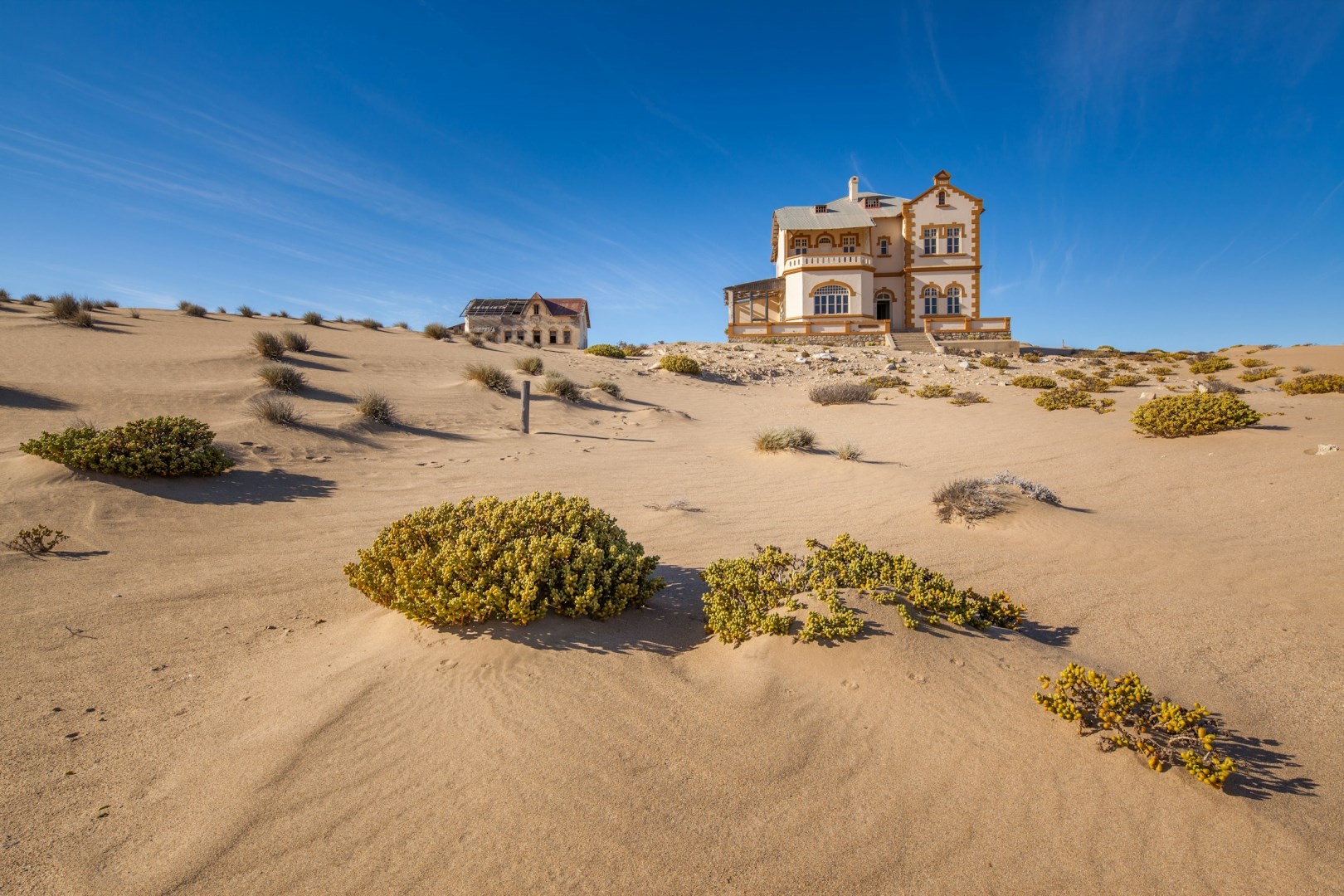
Kolmanskop is an abandoned diamond-mining settlement in the Namib Desert, a short distance inland from the coastal town of Lüderitz in southern Namibia. The former settlement is surrounded by an exceptionally dry landscape of sand, gravel, and sparse desert vegetation. Today, windblown sand fills many of its empty buildings, creating a distinctive scene where rooms, corridors, and staircases are gradually being reclaimed by the desert.
