
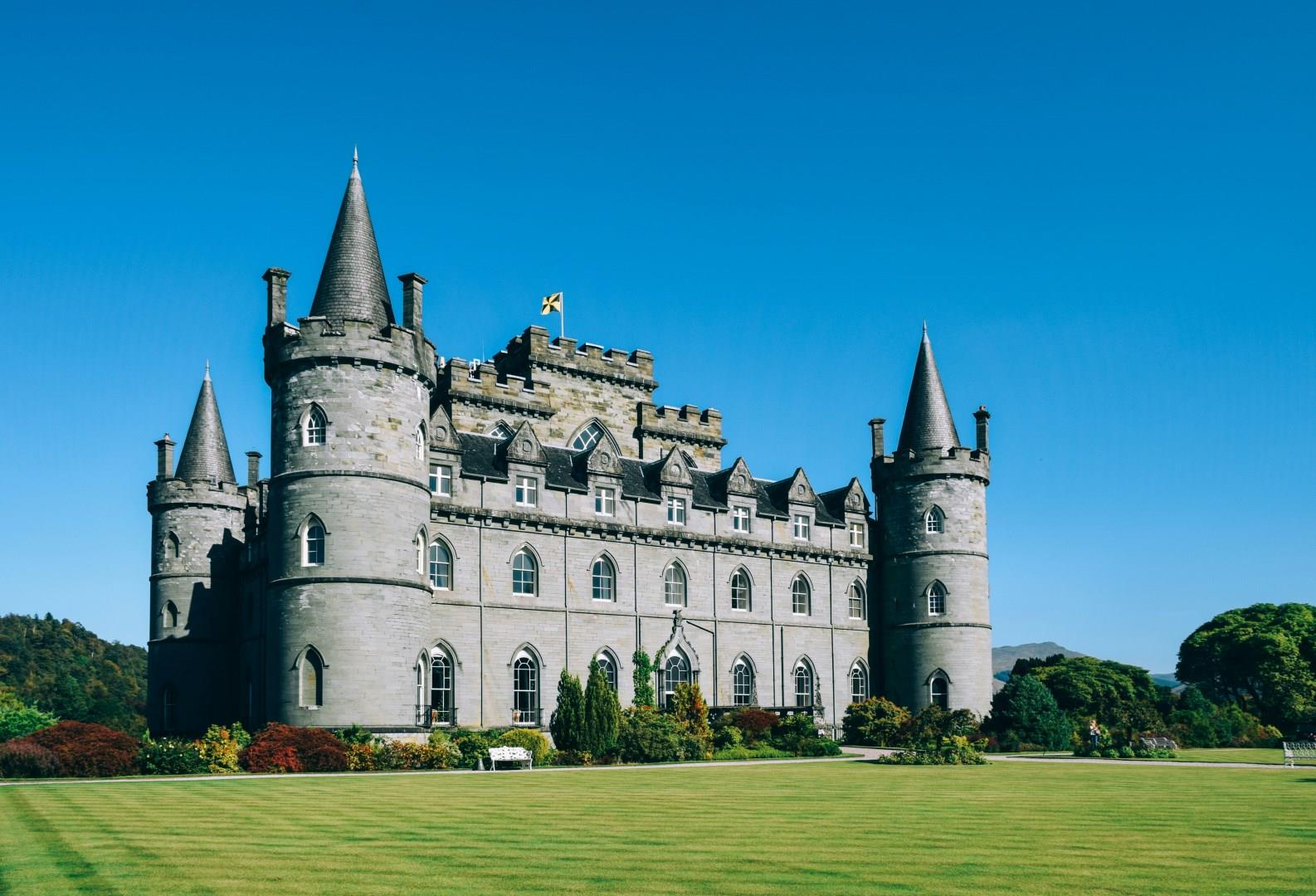
Inveraray
Inveraray, a small town on the western shore of Loch Fyne in Argyll and Bute, Scotland, offers visitors a glimpse into 18th-century planning and Highland heritage. Built largely in the mid-1700s under the direction of the 3rd Duke of Argyll, the town features Georgian architecture, wide streets, and an unusual level of symmetry for a rural Scottish settlement. The main street, lined with whitewashed buildings, leads down to the loch’s edge, where fishing boats and leisure vessels come and go.

Isle of Skye
The Isle of Skye rises from Scotland’s west coast with a shape that feels almost sculpted by hand. Its ridges and peninsulas stretch outward from a mountainous core, where the Cuillin range cuts a jagged line across the sky. Travelers often begin in Portree, a harbor town lined with brightly painted buildings and small seafood spots. From here, narrow roads lead to cliff edges, quiet bays, and sweeping views where golden eagles and red deer are part of the everyday scene.
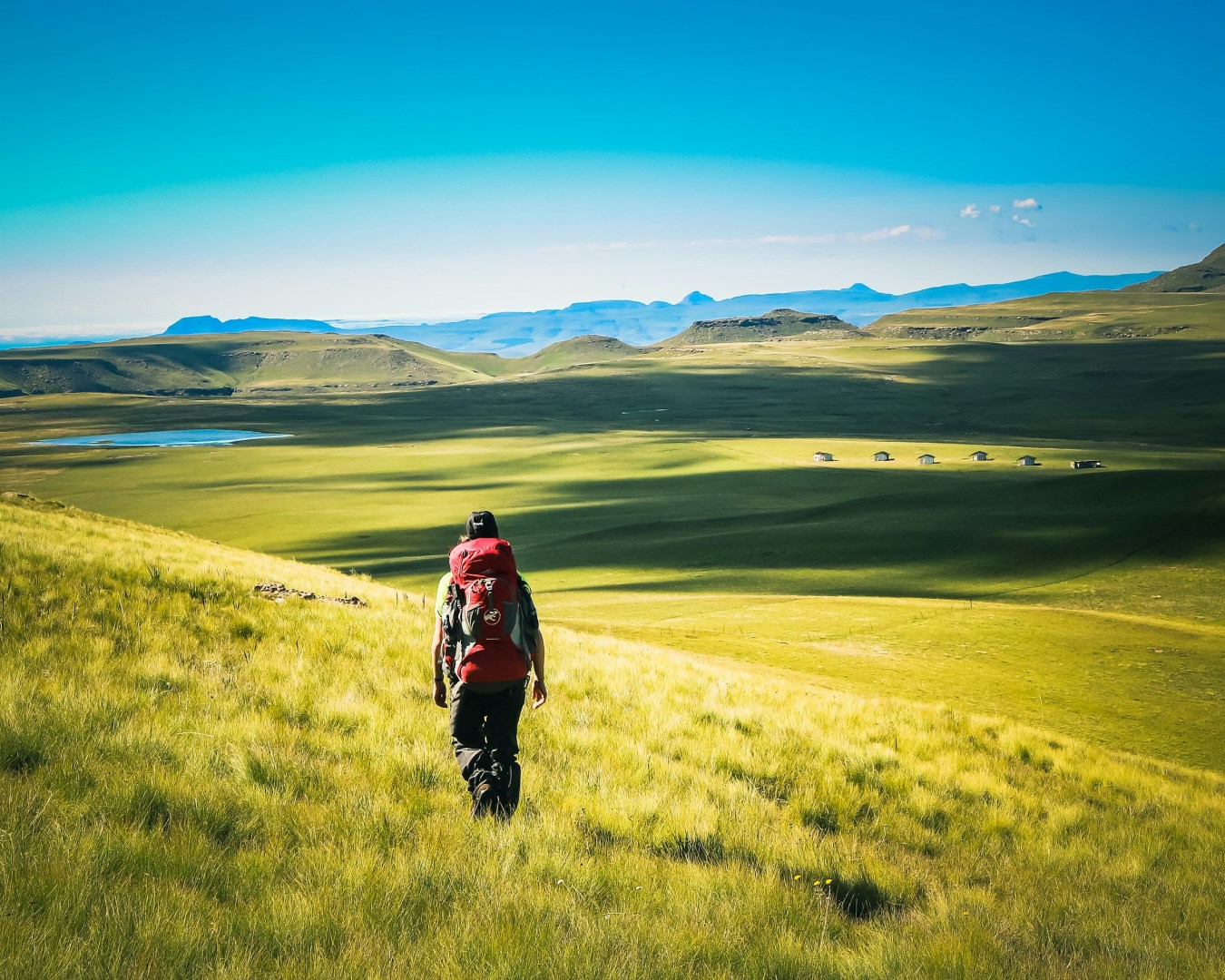
Maloti-Drakensberg Park
Maloti-Drakensberg Park spans the mountainous borderlands of Lesotho and South Africa, forming a large protected landscape of high plateaus, steep cliffs, sandstone formations, grasslands, and river valleys. The Lesotho section is centered on Sehlabathebe National Park, while the South African portion includes uKhahlamba-Drakensberg Park. The area is recognized as a UNESCO World Heritage property for both its natural and cultural importance.

Tan Chau
Tan Chau, located in the Mekong Delta region of Vietnam, is most well-known for its exclusive silk production, using local materials such as dyes made from the mac nua (Diospyros mollis) fruit.
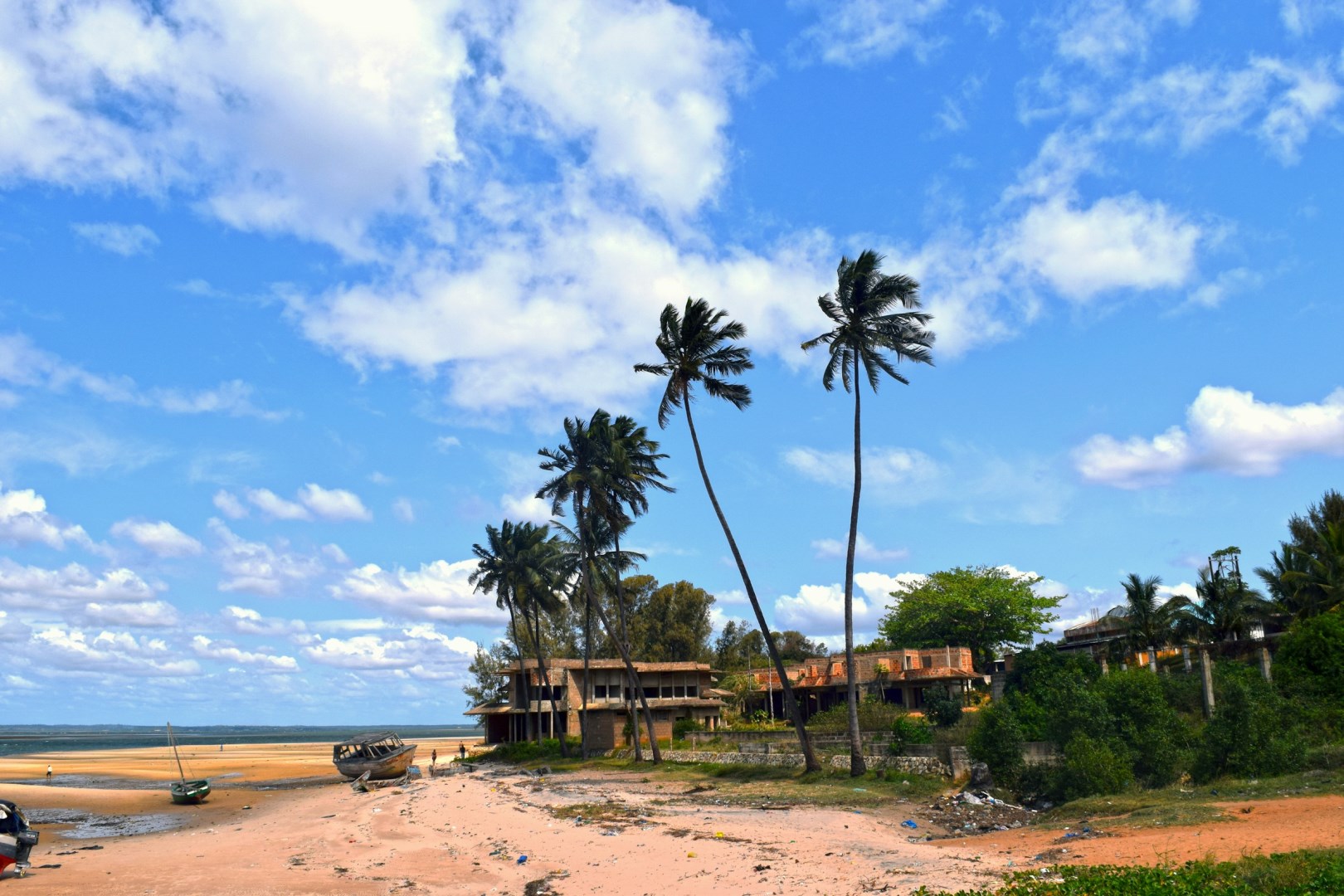
Maxixe
Maxixe is a coastal city in southern Mozambique’s Inhambane Province, situated on the western shore of Inhambane Bay.
