

Stonehenge
Stonehenge, one of the world's most iconic prehistoric monuments, stands proudly on the Salisbury Plain in Wiltshire, England. This enigmatic stone circle, believed to have been constructed between 3000 BC and 2000 BC, has captivated archaeologists, historians, and travelers alike for centuries.
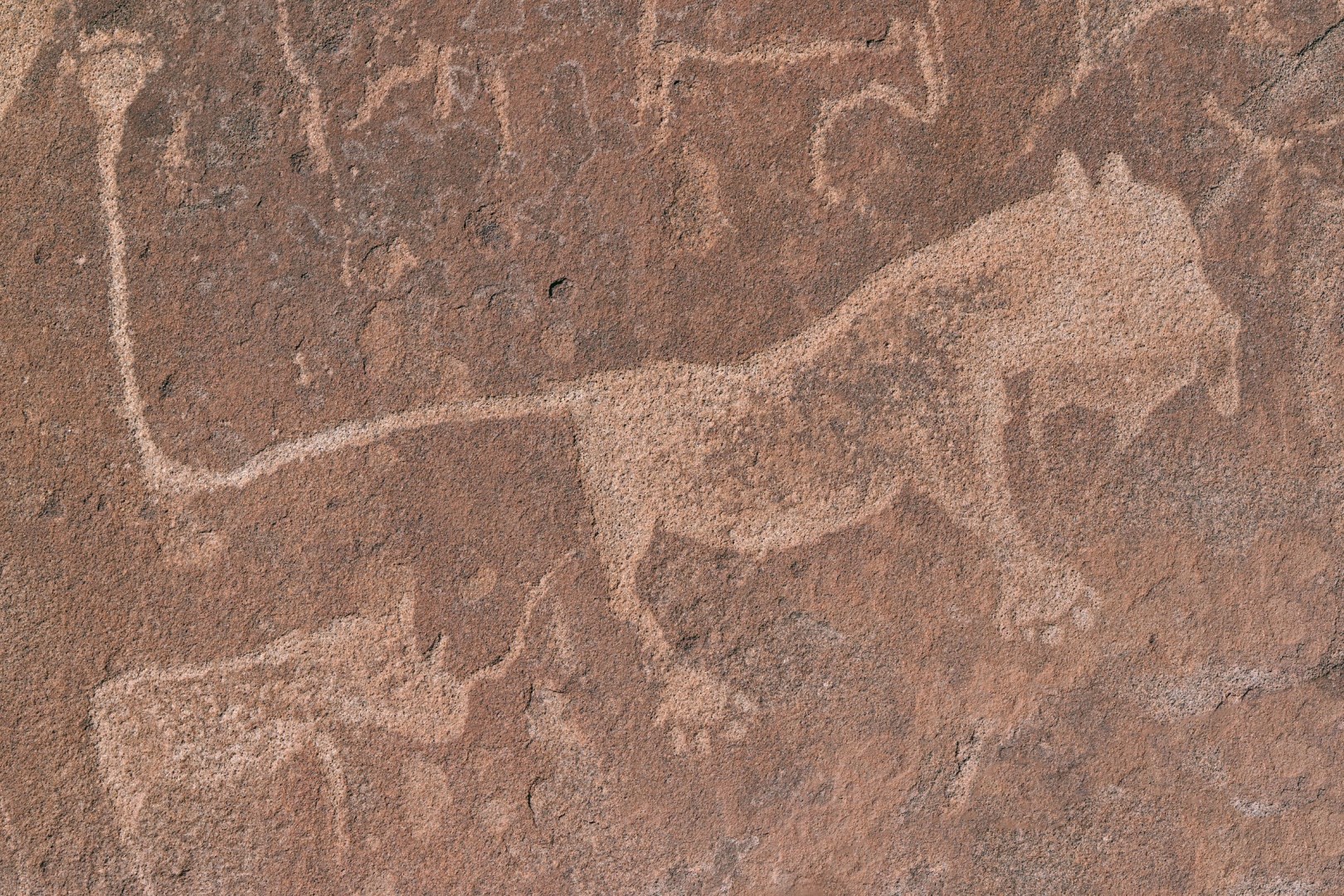
Twyfelfontein
Twyfelfontein is a cultural heritage site in the rugged Damaraland region of northwestern Namibia, known for one of Africa’s largest concentrations of ancient rock engravings. The site lies among sandstone cliffs, dry valleys, and open plains where water is scarce and vegetation is adapted to arid conditions. Twyfelfontein or /Ui-//aes is recognized as a UNESCO World Heritage Site because of its extensive collection of engravings and painted rock shelters

Machu Picchu
Machu Picchu is a story carved into stone, perched nearly 2,500 meters above sea level in the cloud forests of southern Peru. Built in the 15th century and later abandoned, this Inca citadel was unknown to the outside world until 1911, when explorer Hiram Bingham brought it to international attention. Today, it remains remarkably well-preserved, with more than 150 stone structures, terraced fields, ceremonial fountains, and temples aligned with astronomical events.
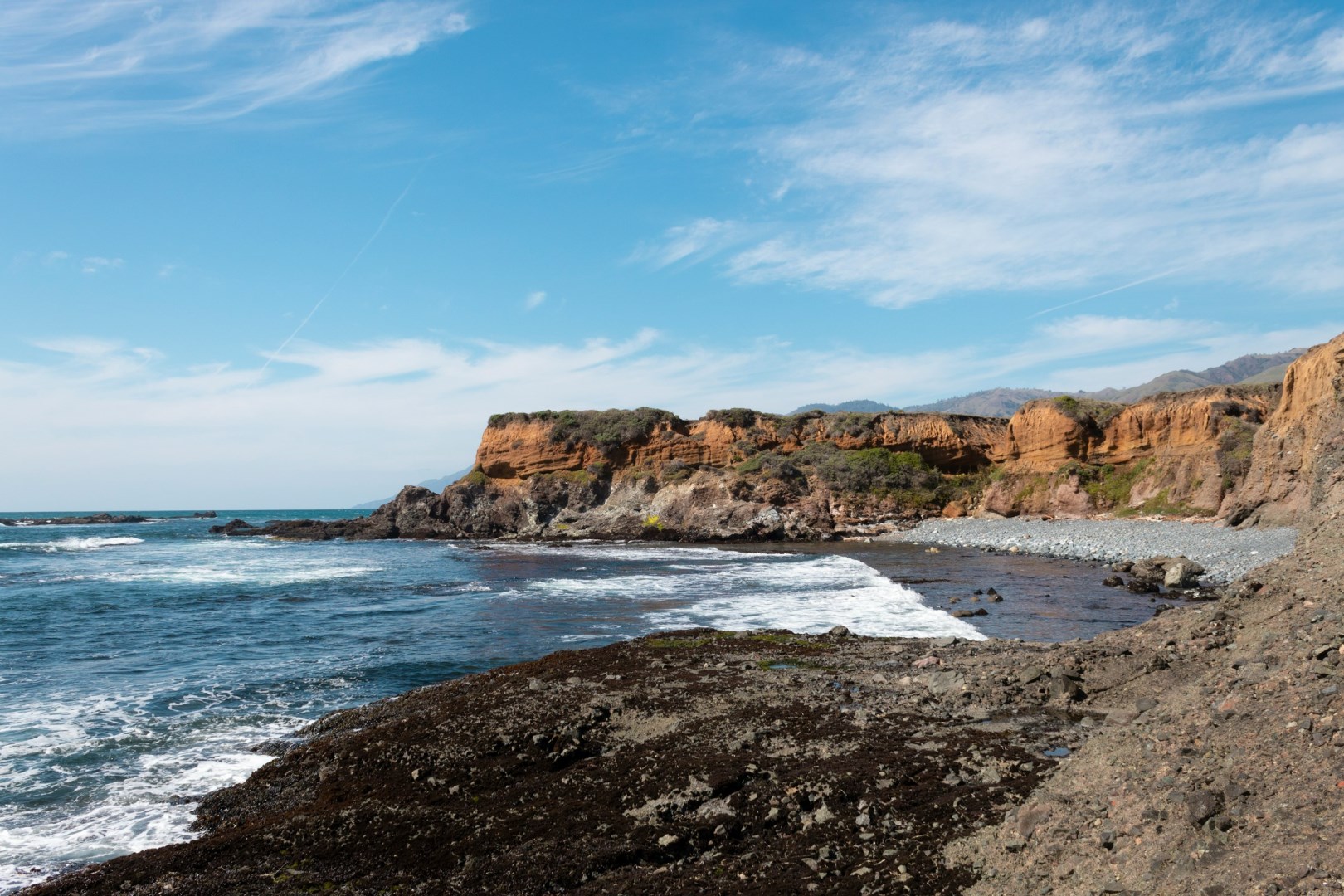
San Simeon
San Simeon is a small coastal community on California’s Central Coast, set along the Pacific Ocean between Cambria and Big Sur. The area is known for rugged shoreline, coastal grasslands, forested hills, and offshore rocks, with the Santa Lucia Mountains rising inland.
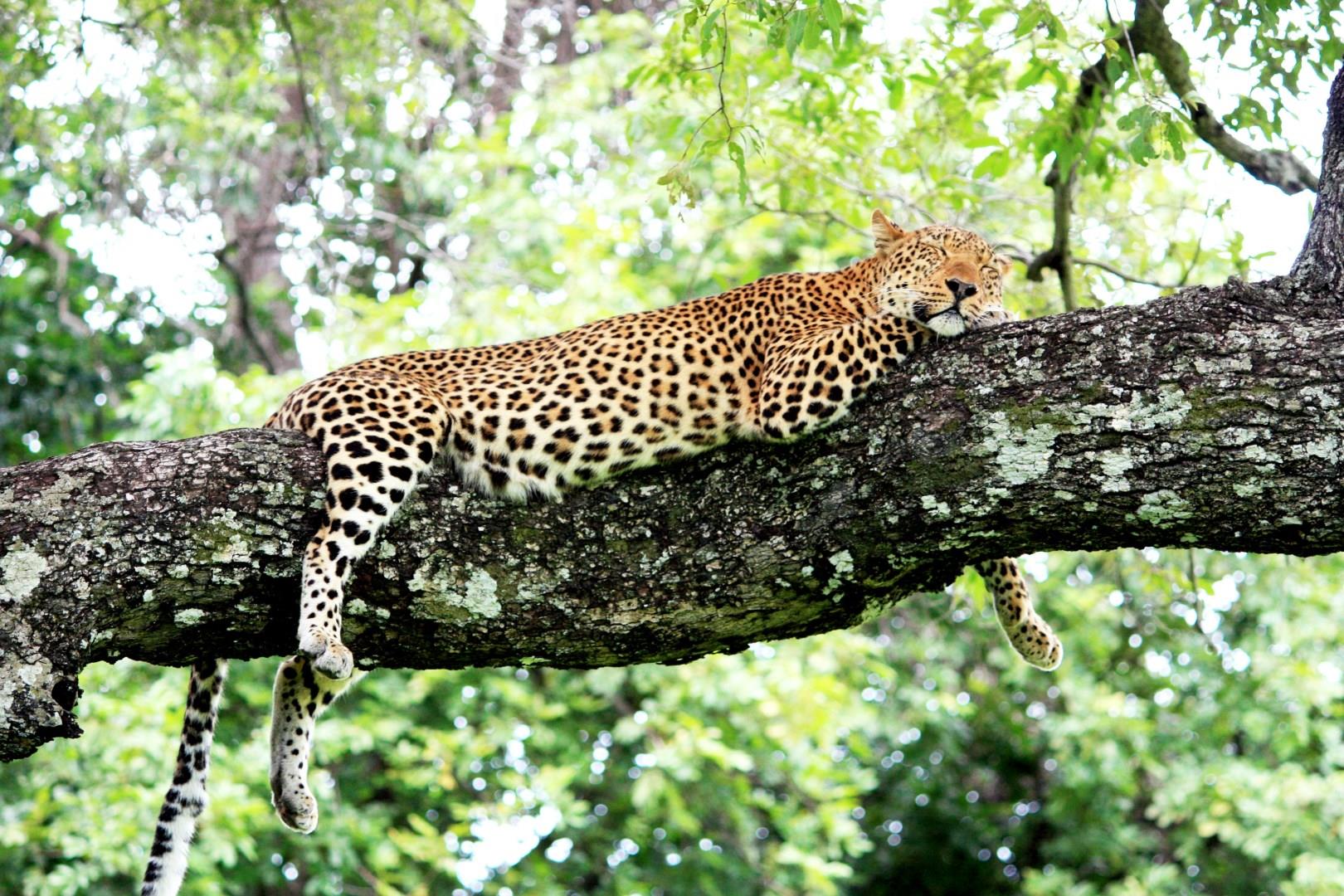
South Luangwa National Park
South Luangwa National Park in eastern Zambia is one of Africa’s most treasured wildlife areas, lying along the lush bends of the Luangwa River. Designated as a protected area in the 1970s, it stands out for its consistently high wildlife densities and landscapes that shift with the seasons. Dry grasslands, shaded woodlands, and green floodplains all unfold beneath wide skies, shaping the canvas for memorable animal sightings.
