

Imatra
Imatra, Finland, is a hidden gem nestled near the Russian border, known for its stunning natural beauty and rich history. A key draw is the Imatrankoski Rapids, one of Finland's oldest tourist attractions dating back to the 18th century. These powerful rapids, located on the Vuoksi River, have captivated visitors for centuries, including Russian nobility like Catherine the Great.
Kingston
Kingston is a waterfront city in eastern Ontario where Lake Ontario, the St. Lawrence River, and the Rideau Canal meet. Its location at the entrance to the Great Lakes and the Thousand Islands has shaped its role in transportation, trade, defence, and settlement. The city is known for its limestone buildings, historic downtown, waterfront parks, and connection to Queen's University and the Royal Military College of Canada.
Dzaoudzi
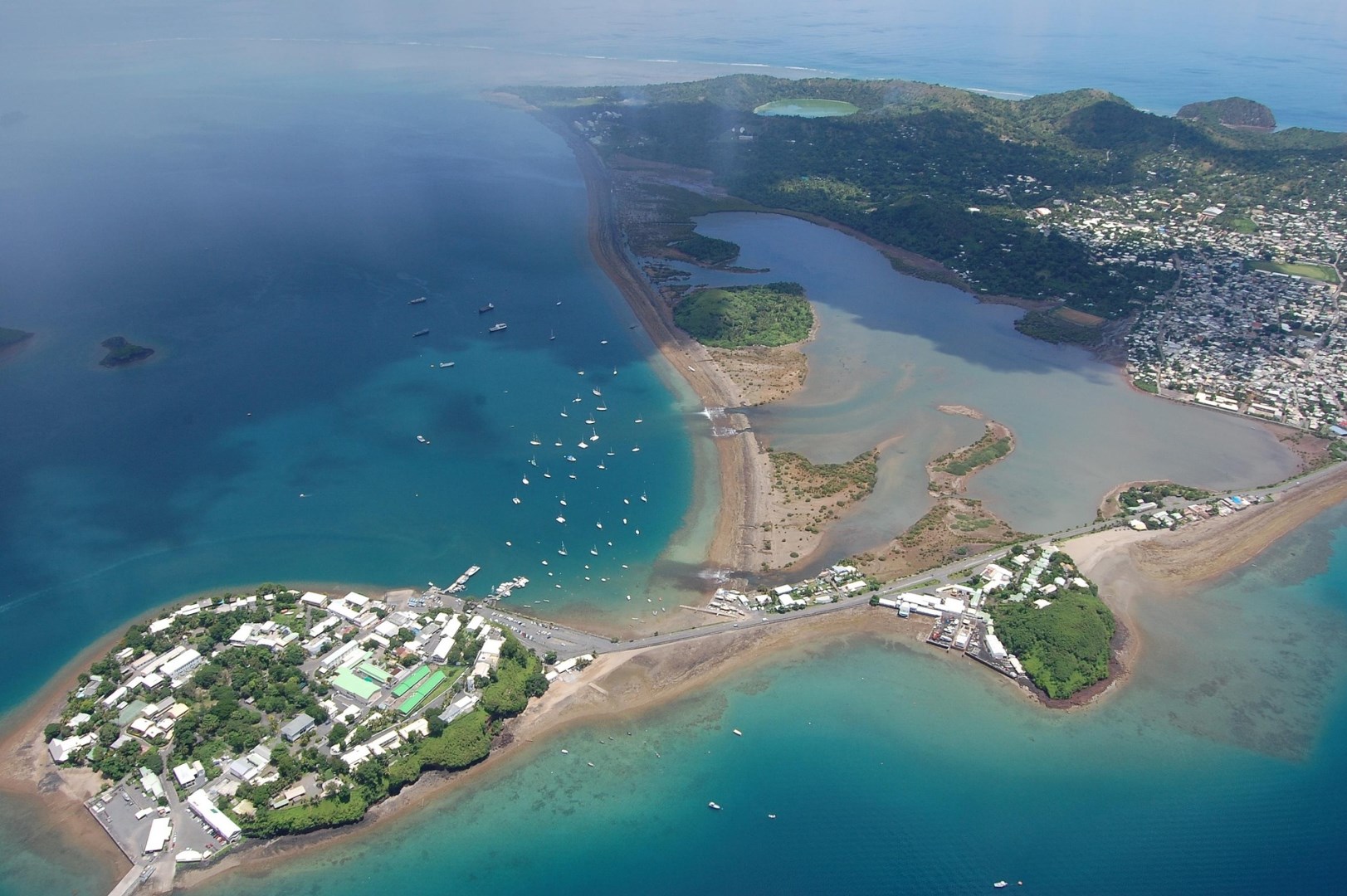
Dzaoudzi is a historic town on Petite-Terre, one of the two main islands of Mayotte in the Indian Ocean. It occupies a strategic position around the Rocher de Dzaoudzi, a rocky outcrop beside the lagoon, and serves as an important arrival point for visitors using the island’s airport and ferry connections. The town combines a compact urban setting with access to beaches, volcanic landscapes, and the waters of the surrounding lagoon.

Skagway
This small yet charming city in Alaska's panhandle is a throwback to the gold rush era. Skagway is a well-preserved part of Klondike Gold Rush National Historical Park.
Pamplona
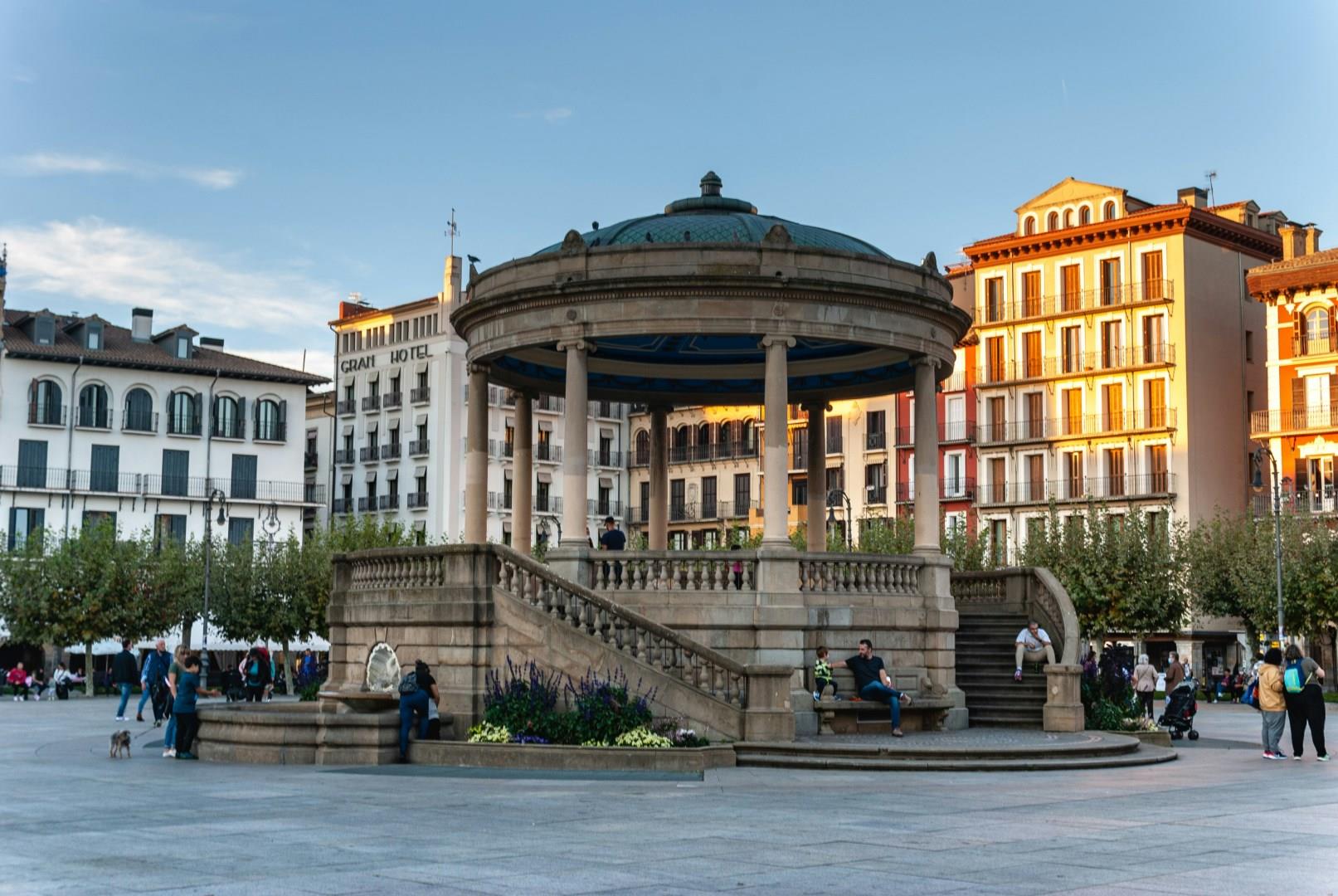
Pamplona, the capital of Spain’s Navarre region, is best known worldwide for the Running of the Bulls during the San Fermín festival each July. But beyond the brief rush of that event lies a city steeped in medieval history, Basque influence, and a slower pace that surprises many visitors. One of the most significant aspects of Pamplona is its place on the Camino de Santiago, the ancient pilgrimage route to Santiago de Compostela.
