
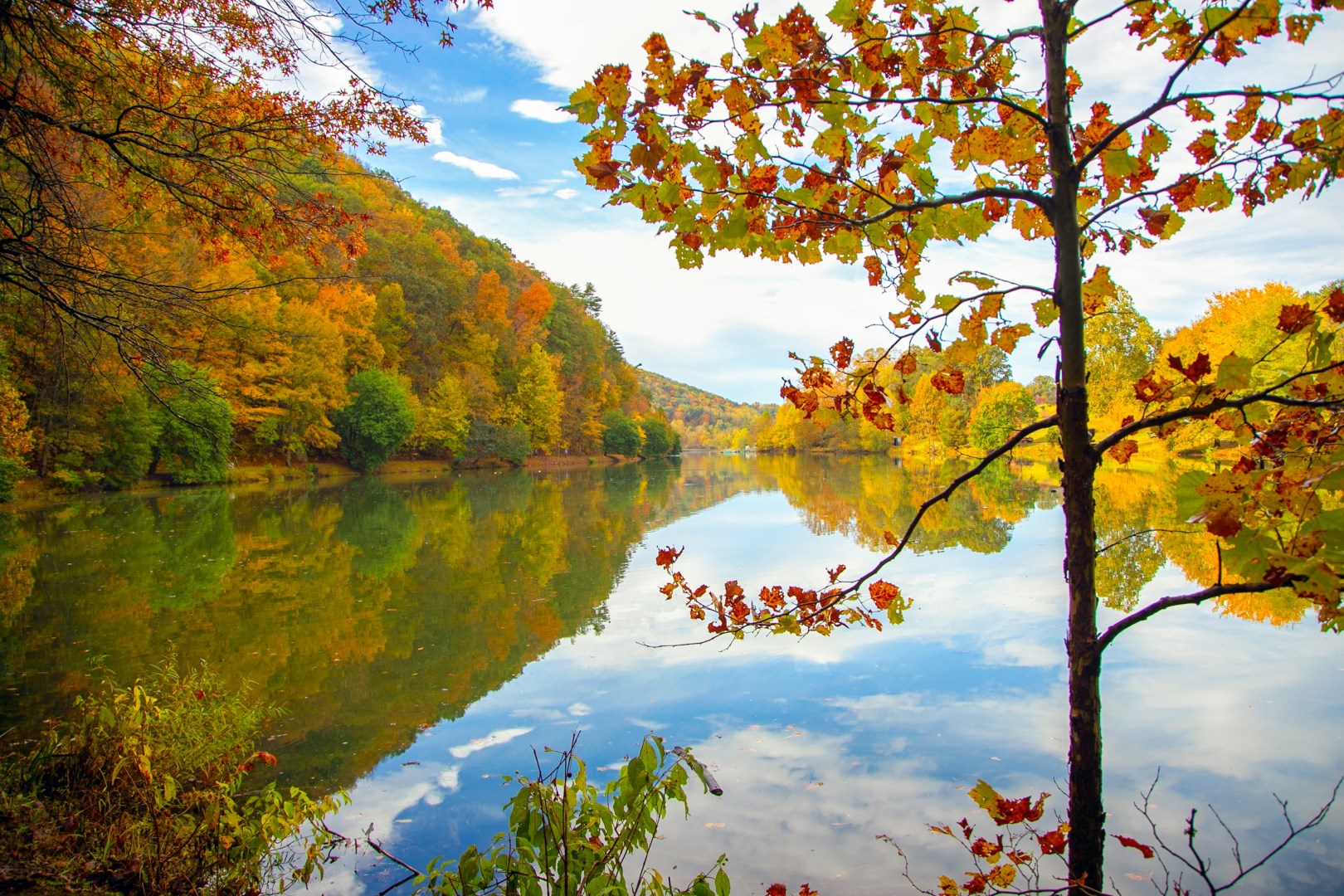
Bristol
Nestled among quiet mountains lies the thriving Twin City of Bristol. One community in two states, this beautiful city is Bristol, Virginia on the north side of State Street and Bristol, Tennessee on the south side.
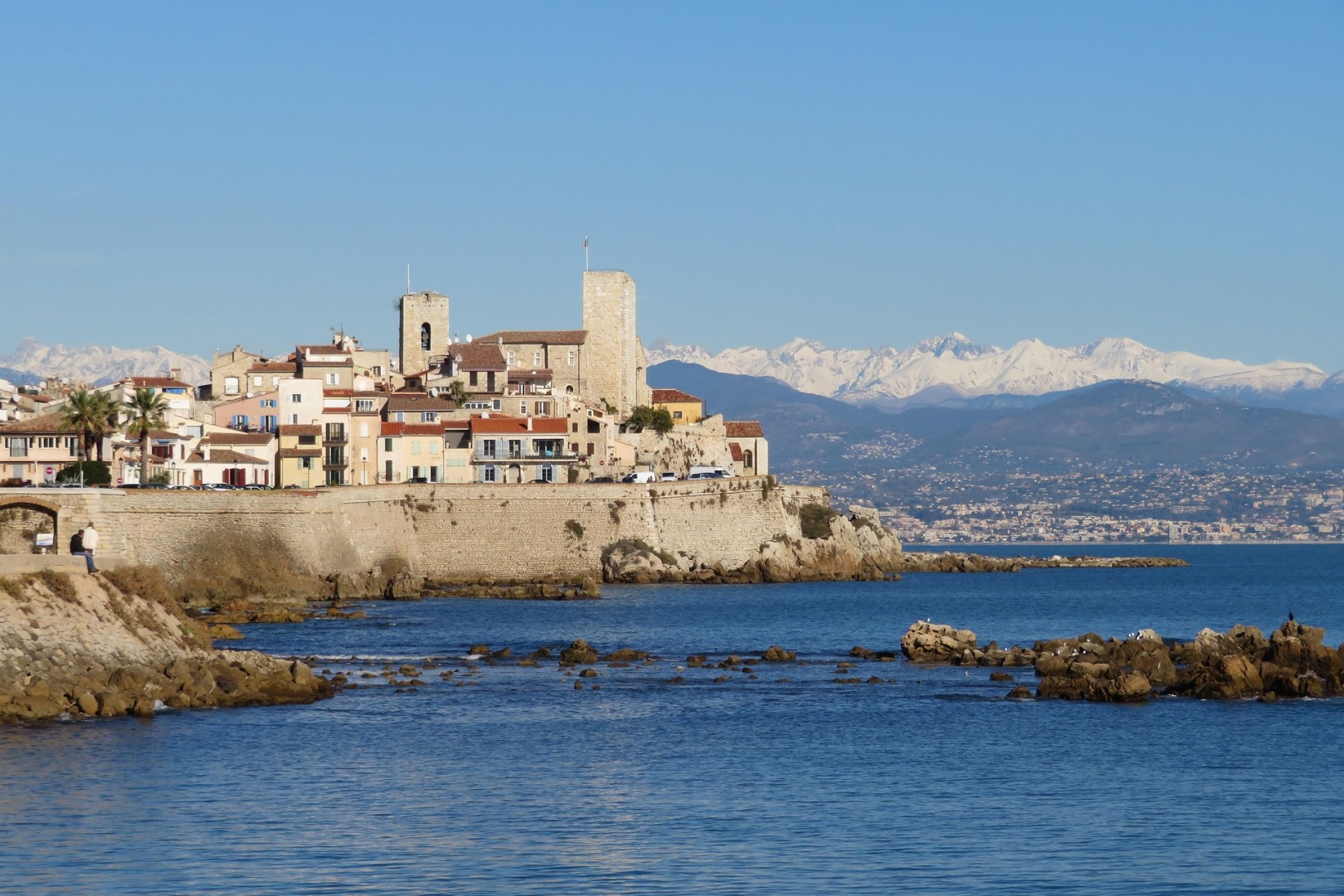
Antibes
Antibes, the new "hot spot" is located across from Nice. Explore traditional market-places packed with beautiful flowers, watching fishermen hauling in the days catch or simply relax in the warmth of the Riviera.
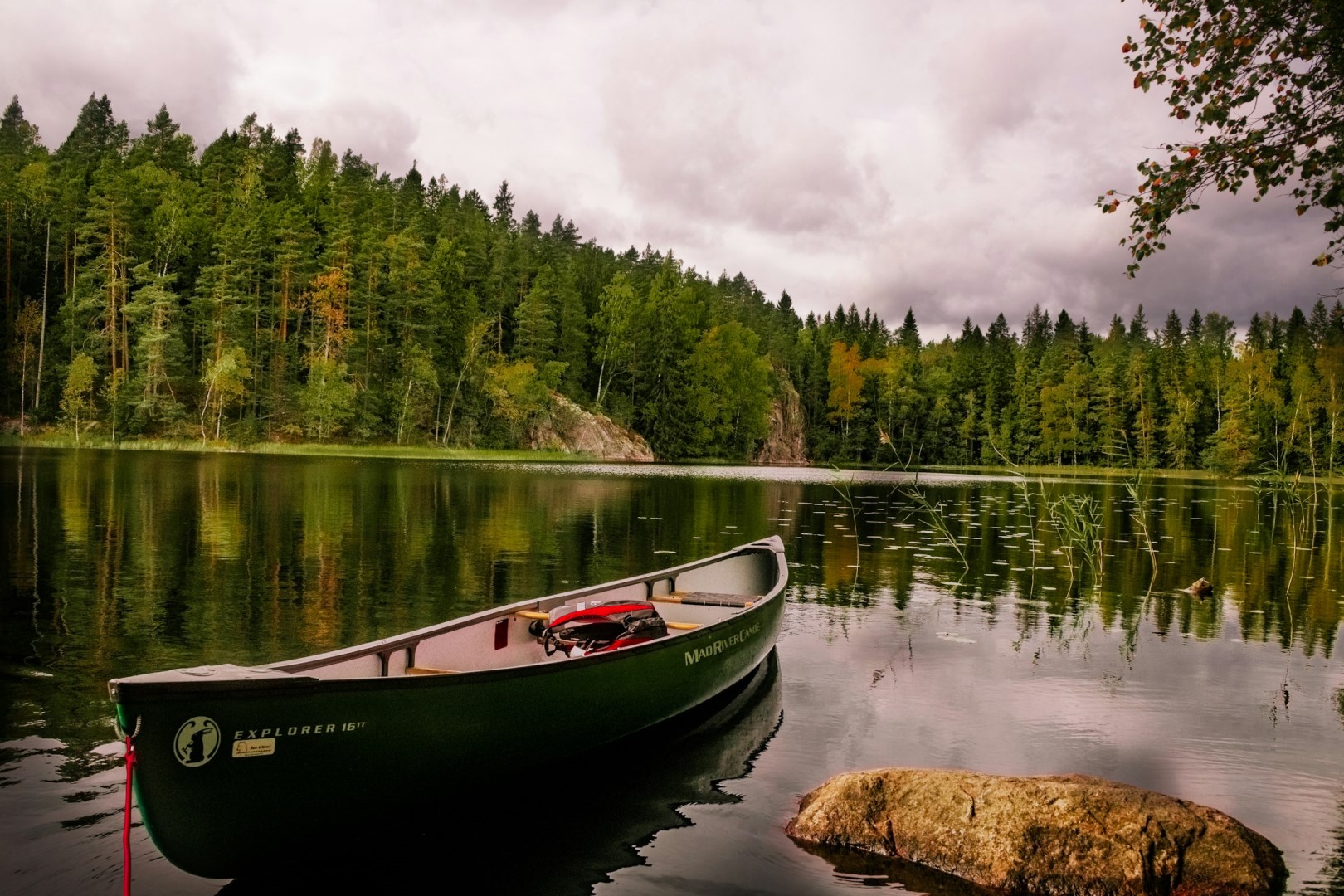
Nuuksio National Park
Nuuksio National Park is a protected landscape of forests, lakes, rocky hills, and wetlands in southern Finland, close to the Helsinki metropolitan area. The park lies mainly in Espoo and extends into Kirkkonummi and Vihti, yet its terrain feels far removed from the nearby urban region. Pine and spruce forests cover much of the area, while numerous small lakes occupy hollows between granite ridges.

Trinidad
Trinidad, Cuba, is a mesmerizing time capsule that transports visitors to another era with its cobblestone streets, pastel-colored colonial buildings, and horse-drawn carts. Founded in 1514 by Spanish conquistador Diego Velázquez de Cuéllar, this city, located in central Cuba, is one of the best-preserved colonial towns in the Caribbean. Trinidad's rich history and enchanting architecture make it an essential destination for anyone seeking an authentic Cuban experience.
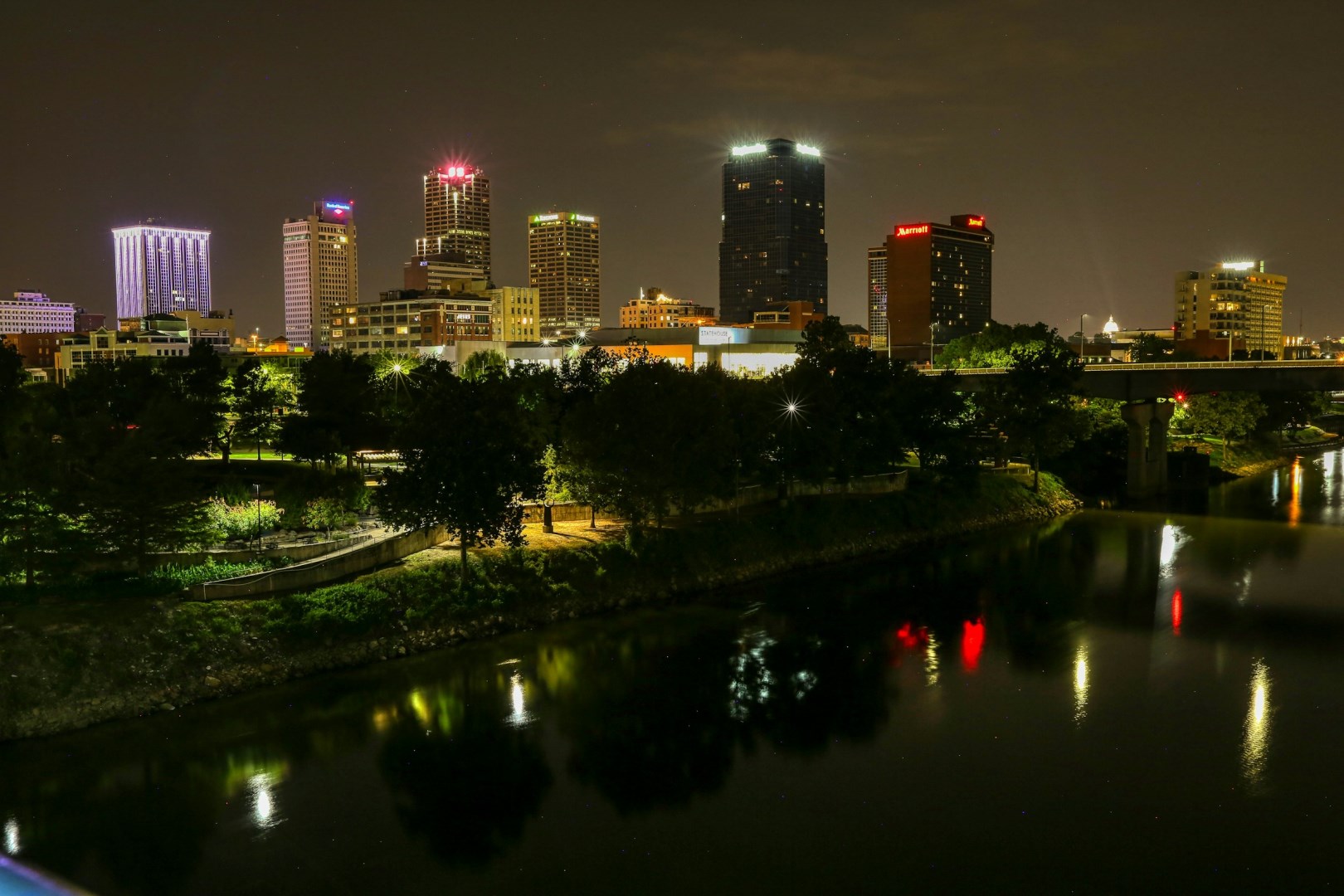
Little Rock
Little Rock, capital and largest city of Arkansas, a port of entry on the Arkansas River opposite North Little Rock, in the central part of the state. Among the attractions in Little Rock are the State Capitol (1911); the Governor's Mansion; Quapaw Quarter, a district of restored buildings that includes the Old State House; the Arkansas Territorial Restoration, a group of restored homes dating from the early 19th century; and MacArthur Park, containing the Arkansas Arts Center, and much more!
