
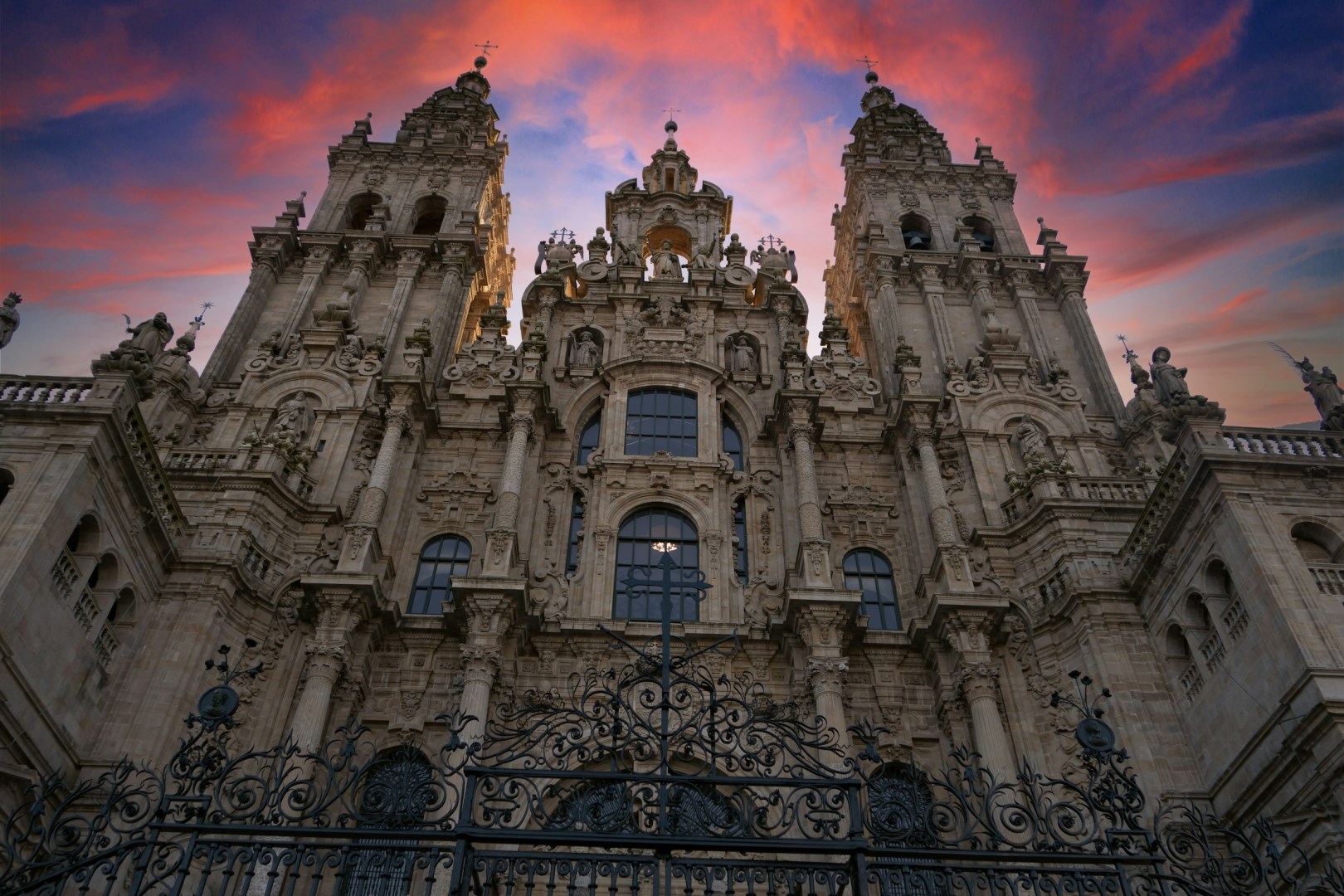
Santiago De Compostela
Spain’s Santiago de Compostela is more than just a final stop on a famous pilgrimage route, it’s a city steeped in centuries of spiritual significance, architectural grandeur, and lively Galician culture.

Tenerife Island
Tenerife is the largest isle of the Canary Islands archipelago. Famous for its black and yellow sand beaches as well as Mt. Teide, the dormant volcano that looms over the island.
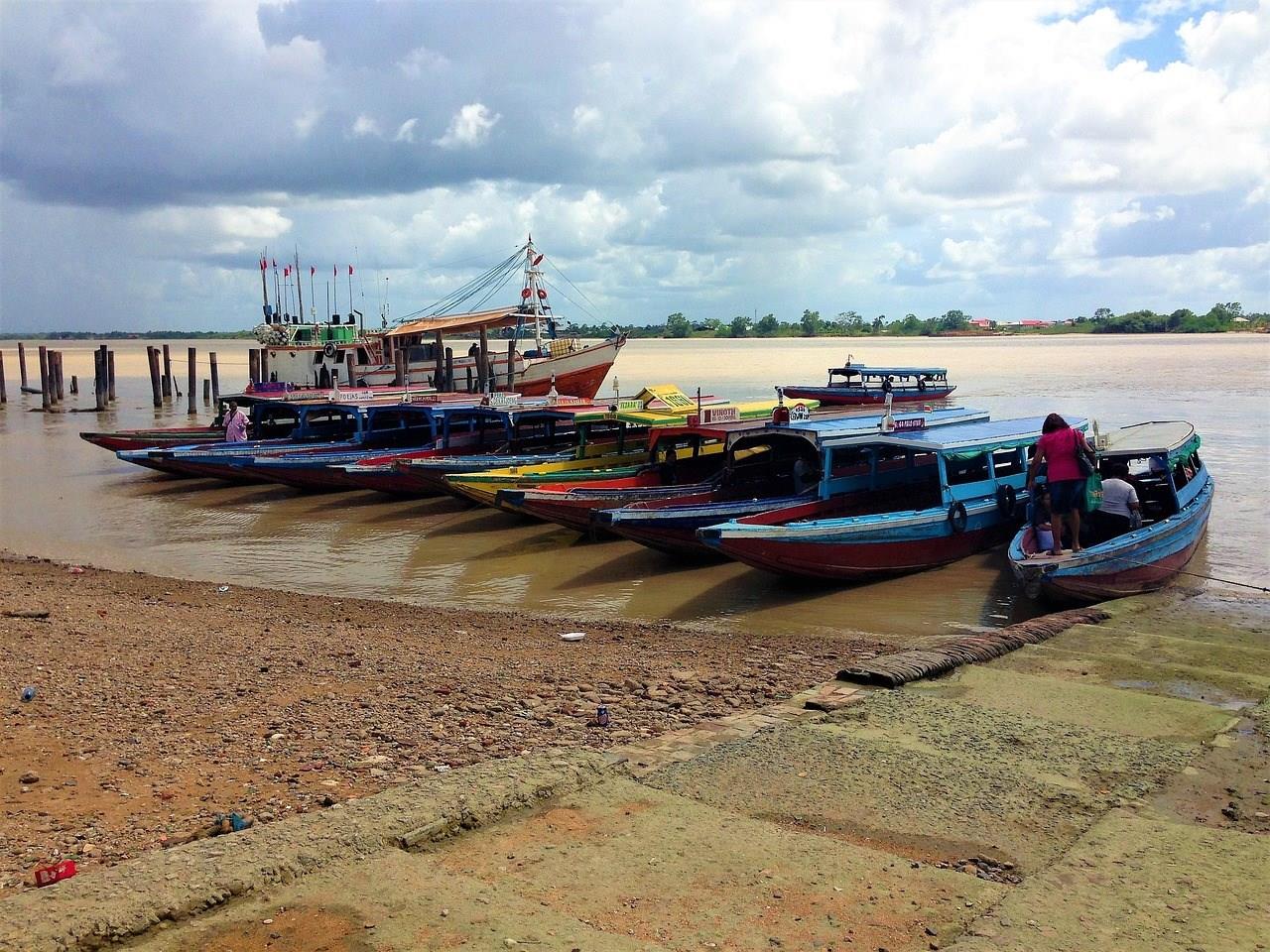
Paramaribo
Paramaribo, Suriname’s capital, unfolds like a living storybook along the Suriname River, where wooden structures from the 17th and 18th centuries still stand today. This historic heart reveals a rare fusion of Dutch design and local craftsmanship. Visitors can stroll the Waterkant, a riverside avenue, and take in landmarks such as Fort Zeelandia, the neoclassical Reformed Church, and the lofty wooden Cathedral of St. Peter and Paul.

Victoria
British influences are quite evident in Victoria, from afternoon tea times to elegant Victorian architecture. This capital of British Columbia on Vancouver Island provides ample outdoor recreation, with its public parks and access to both the ocean and wilderness. Cyclists will be right at home here, as Victoria boasts a seemingly endless number of bike paths for exploring.
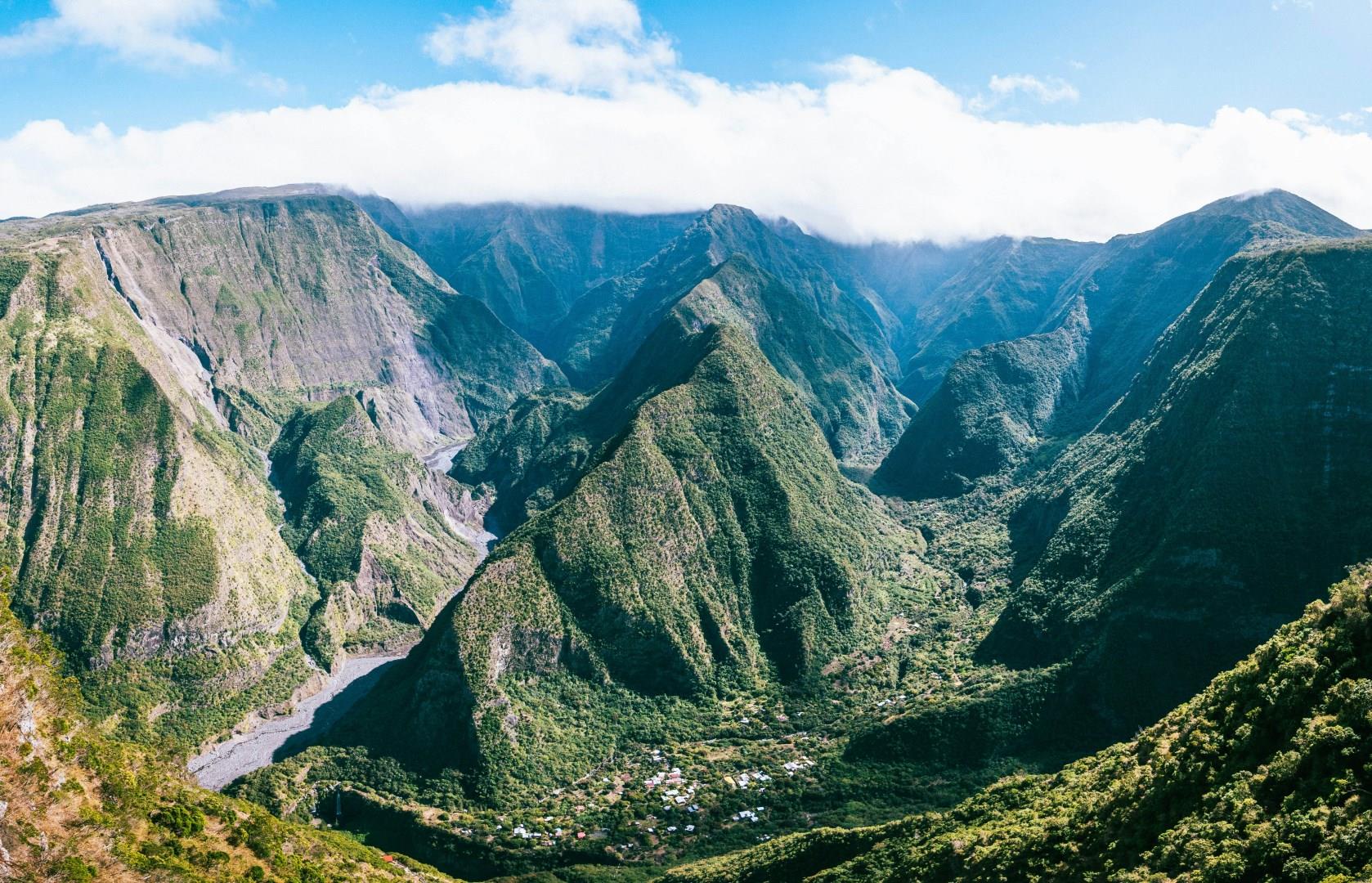
Réunion
Réunion, a French overseas department in the Indian Ocean, lies east of Madagascar and combines European and Creole influences in a tropical setting. Its volcanic landscapes, lush forests, and coastal towns make it an extraordinary destination for those seeking both culture and nature.
