
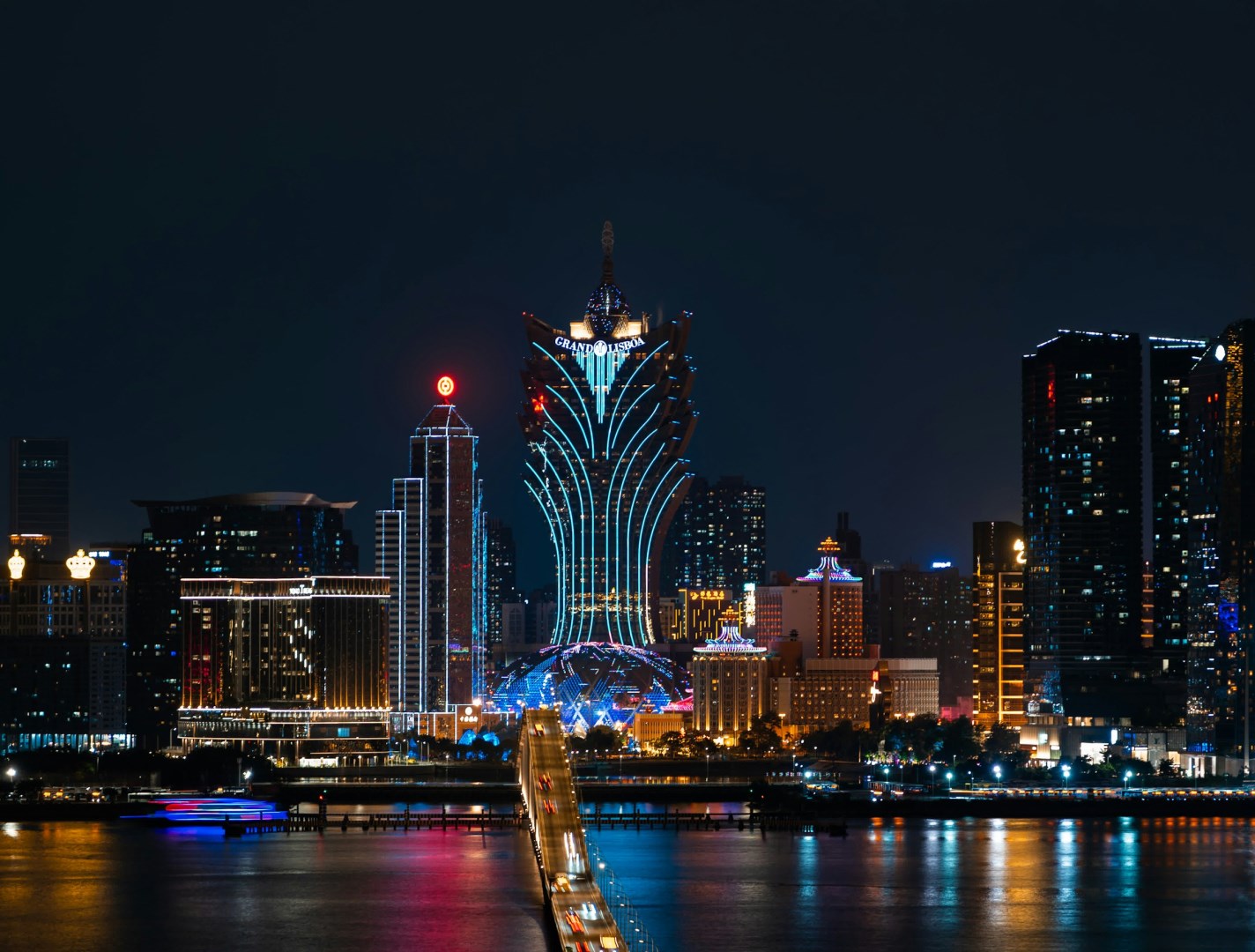
Macau
The city of Macau, located on the Pearl River Delta, is a destination where centuries of history meet modern vibrancy. Once a Portuguese colony, its streets still carry the marks of European influence: ornate churches, tiled plazas, and pastel façades sit alongside traditional Chinese temples and narrow alleyways filled with shops and markets.

Fakarava
Fakarava, a hidden paradise in French Polynesia, is an ideal destination for those seeking unspoiled natural beauty and adventure. This atoll, part of the Tuamotu Archipelago, is known for its pristine coral reefs and crystal-clear lagoons.
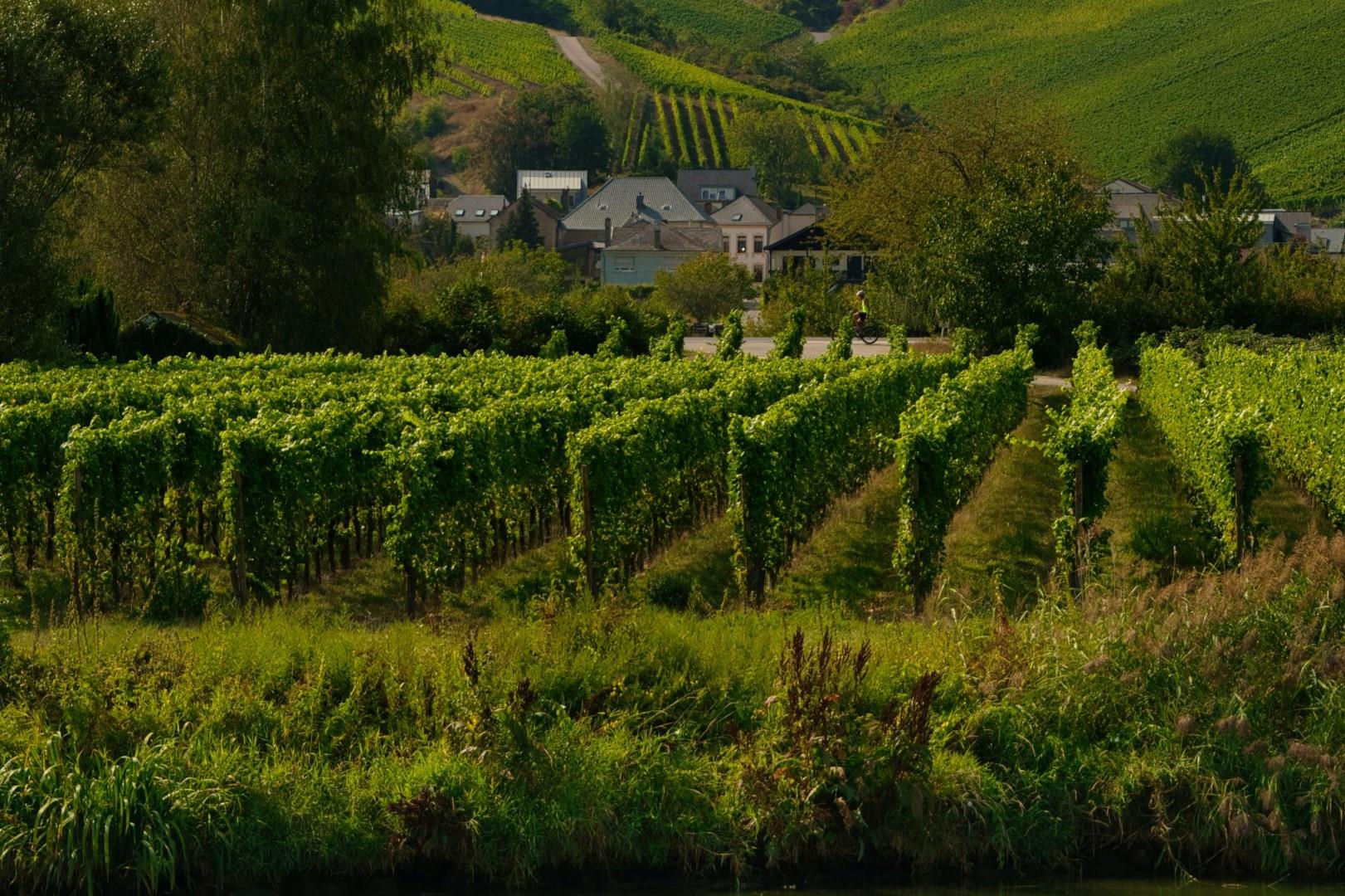
Remich
Remich, often referred to as the “Pearl of the Moselle,” is a captivating town nestled along the Moselle River in Luxembourg. This riverside gem is known for its historic vineyards that have shaped the region’s culture for centuries. Visitors can stroll along the river promenade, enjoying views of the gently flowing water framed by rolling hills covered in vineyards that produce some of Luxembourg’s finest wines.
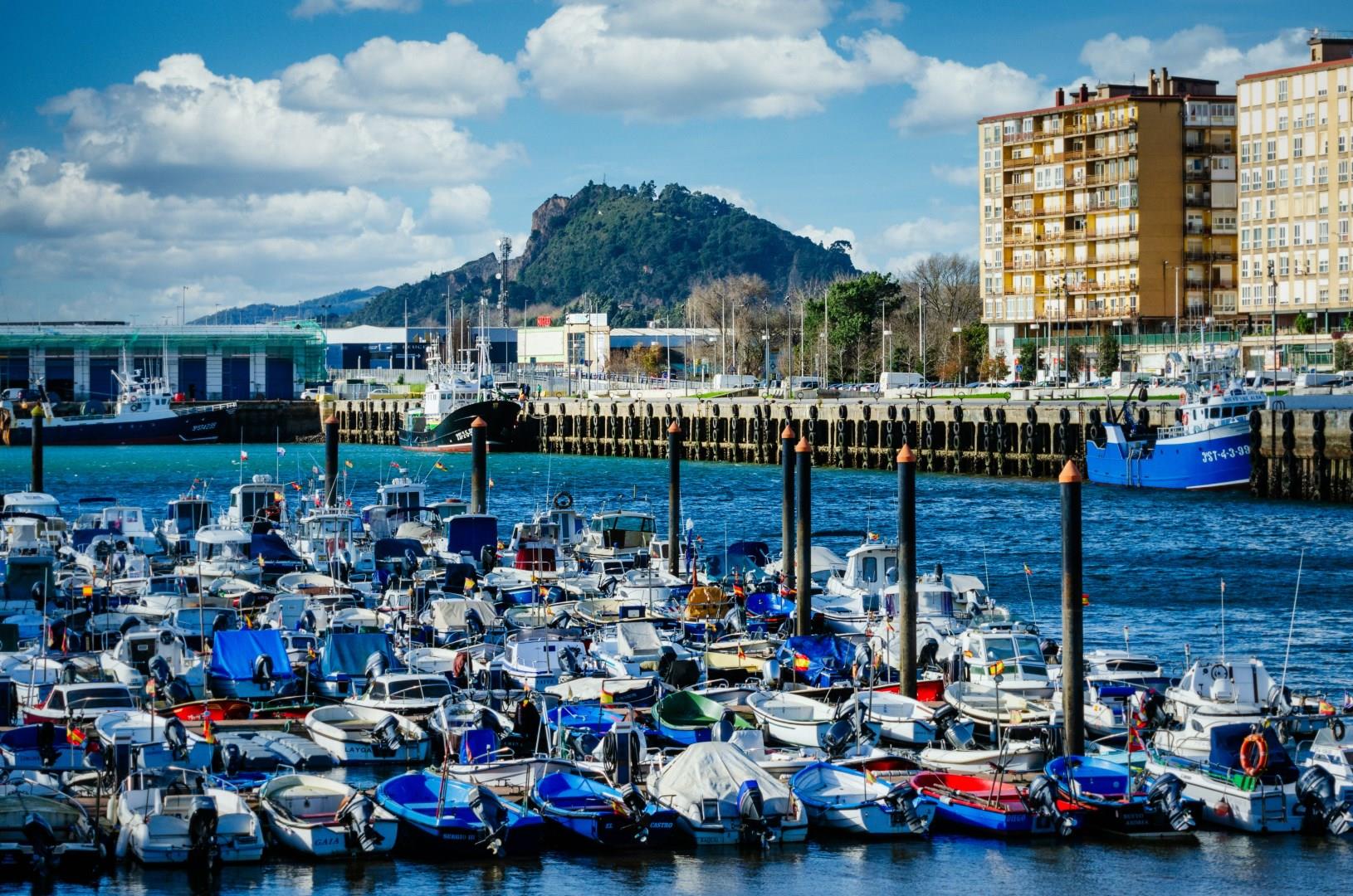
Santander
Santander, the capital of Spain’s Cantabria region, sits along the Bay of Biscay and offers travelers a mix of coastline, culture, and history shaped by centuries of maritime life. Once a bustling port for Castilian exports, Santander saw its golden age in the 19th century when Spanish royalty turned it into a summer retreat. The legacy of that era remains visible at the Palacio de la Magdalena, perched on a peninsula with views of the sea and home to royal stables, a mini zoo, and guided tours.

Pennsylvania
Pennsylvania offers more than just a glimpse into American history, it invites travelers to walk through it. In Philadelphia, the Liberty Bell still draws visitors from around the world, while Independence Hall, a UNESCO World Heritage Site, is where both the Declaration of Independence and the U.S. Constitution were debated and signed. Just a short walk away, modern museums like the National Constitution Center offer hands-on exhibits that connect the past to today’s civic questions.
