

Yellowstone National Park
Yellowstone National Park, America's first national park, stands as a stunning testament to nature’s raw power and beauty. Located primarily in Wyoming, with portions extending into Montana and Idaho, Yellowstone offers visitors a chance to witness incredible geothermal wonders, such as the famous Old Faithful geyser that faithfully erupts every 60 to 110 minutes.
Lucca
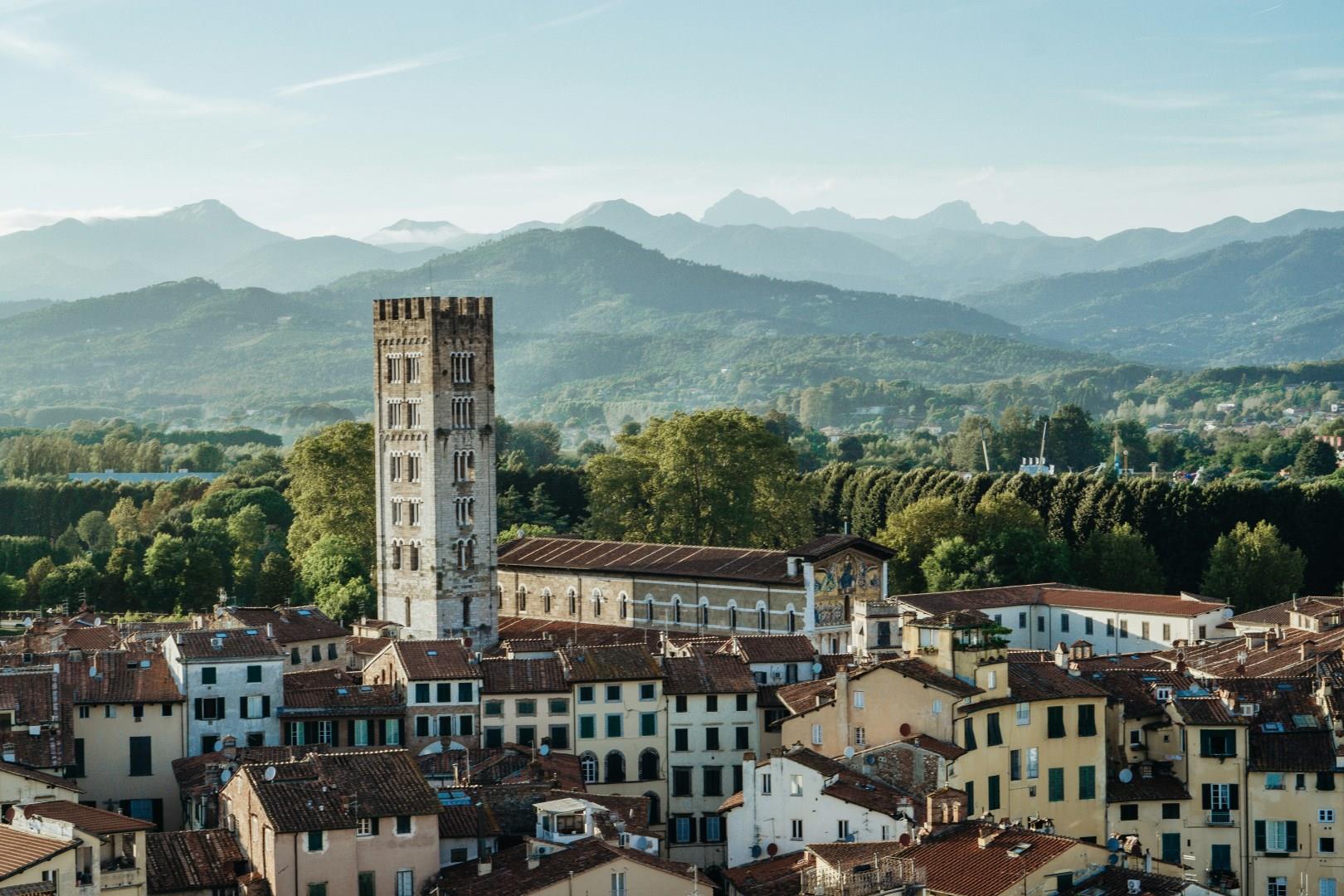
Lucca, a Tuscan city surrounded by remarkably intact Renaissance walls, offers more than just postcard views. Known for its quiet streets and grand piazzas, Lucca stands apart with its circular street layout, still following the lines of a Roman amphitheater from centuries ago. The walls, now repurposed as a 4-kilometer tree-lined park, are a favorite route for locals and visitors who explore them on foot or by bike, passing old bastions and panoramic viewpoints along the way.

Colombo
Colombo, the commercial capital of Sri Lanka, is a vibrant city where colonial architecture meets modern skyscrapers. Visitors can explore historic sites such as the Gangaramaya Temple, the Dutch Hospital, and the Colombo National Museum, which reflect the city’s rich cultural heritage and diverse history.
Stepantsminda
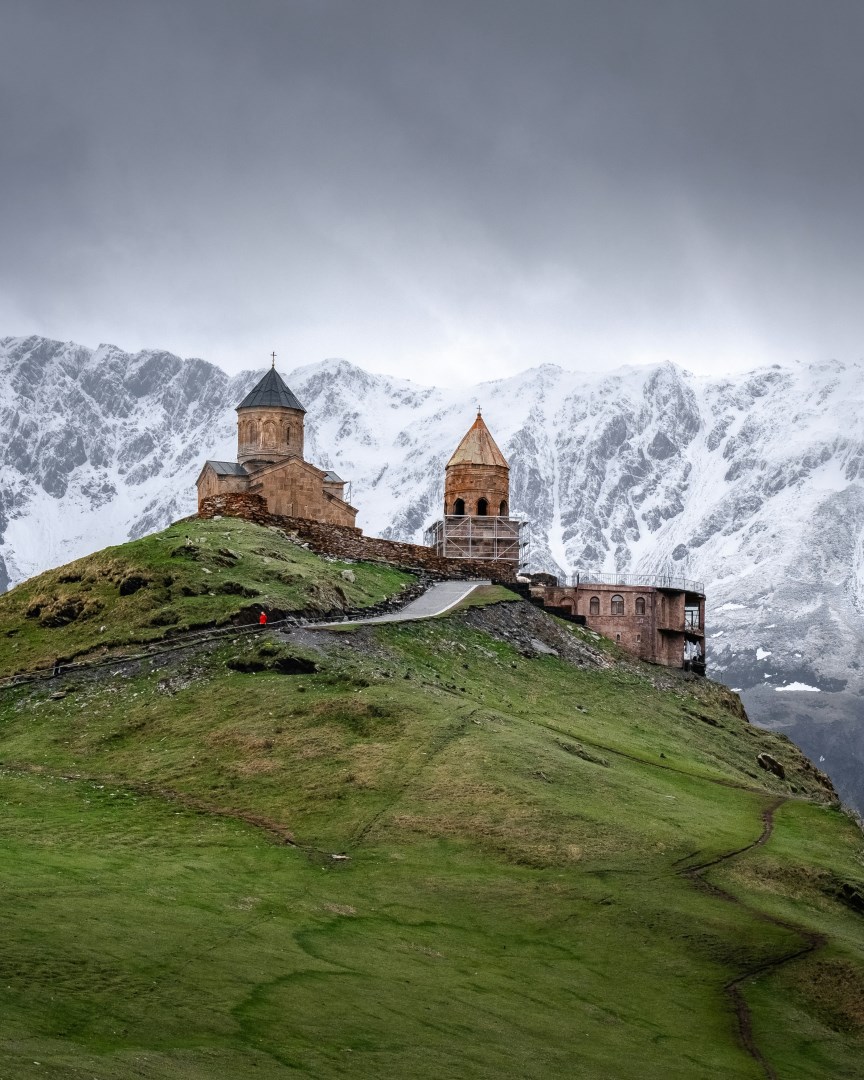
Stepantsminda, often still referred to as Kazbegi, is a mountain town in northern Georgia near the border with Russia. It sits in the Terek River valley along the Georgian Military Highway, one of the country’s most important historic roads through the Caucasus Mountains.

Dijon
Dijon is the capital of the Burgundy region in eastern France and a city renowned for its rich history, architectural beauty, and, of course, its world-famous mustard. With the city's origins dating back to Roman times, Dijon boasts an impressive array of historical sites, including the Église Notre-Dame and Palais des Ducs, one of France's most outstanding museums of fine arts.
