
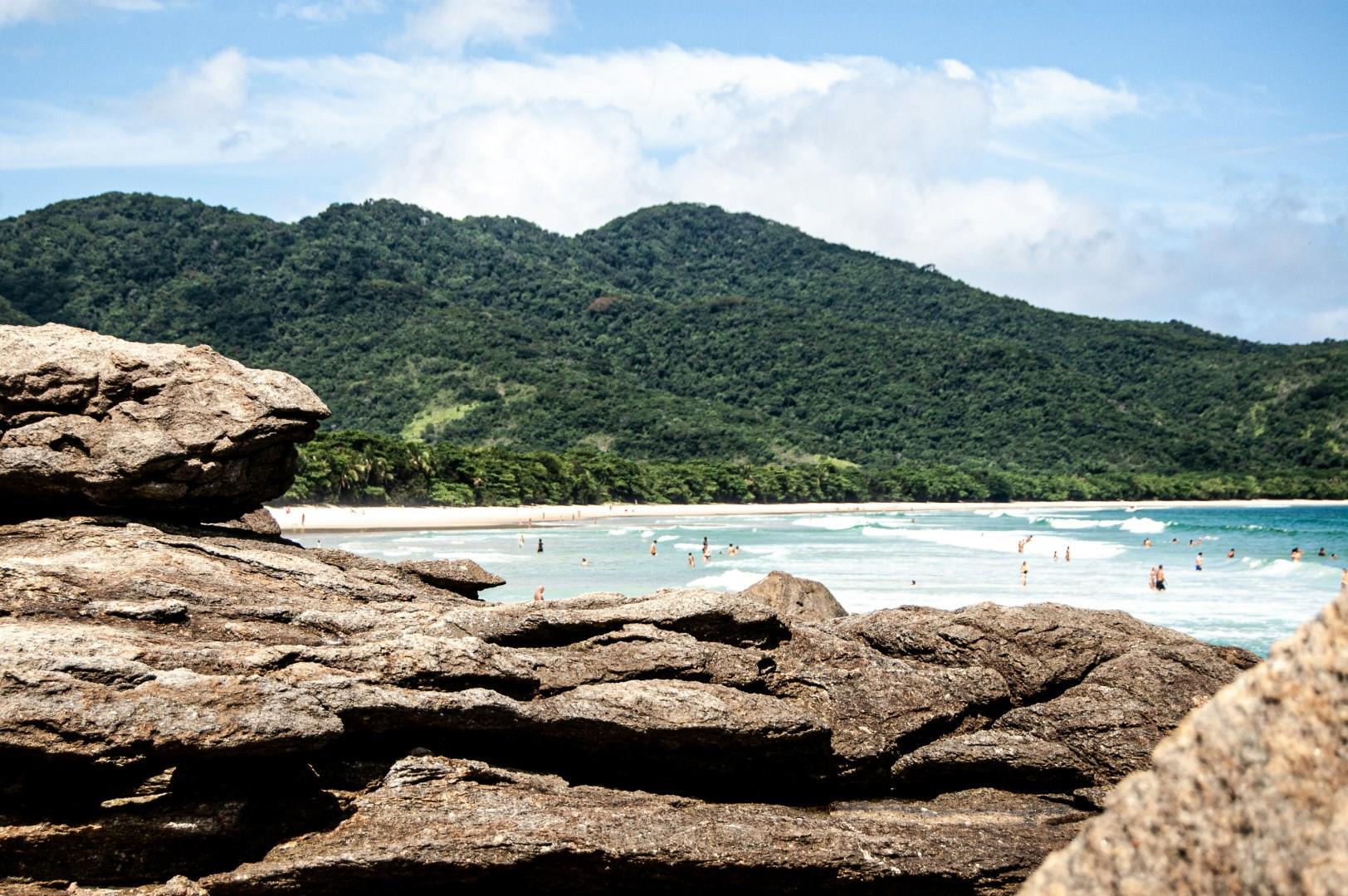
Ilha Grande
Ilha Grande, an island off the coast of Rio de Janeiro state, is a place where tropical forest and coastline meet in striking harmony. Once a pirate hideout and later the site of a penal colony, it has evolved into one of Brazil’s most remarkable island destinations. With no cars allowed and no large resorts, the island moves at a different pace, where footpaths and boats are the main ways to get around.
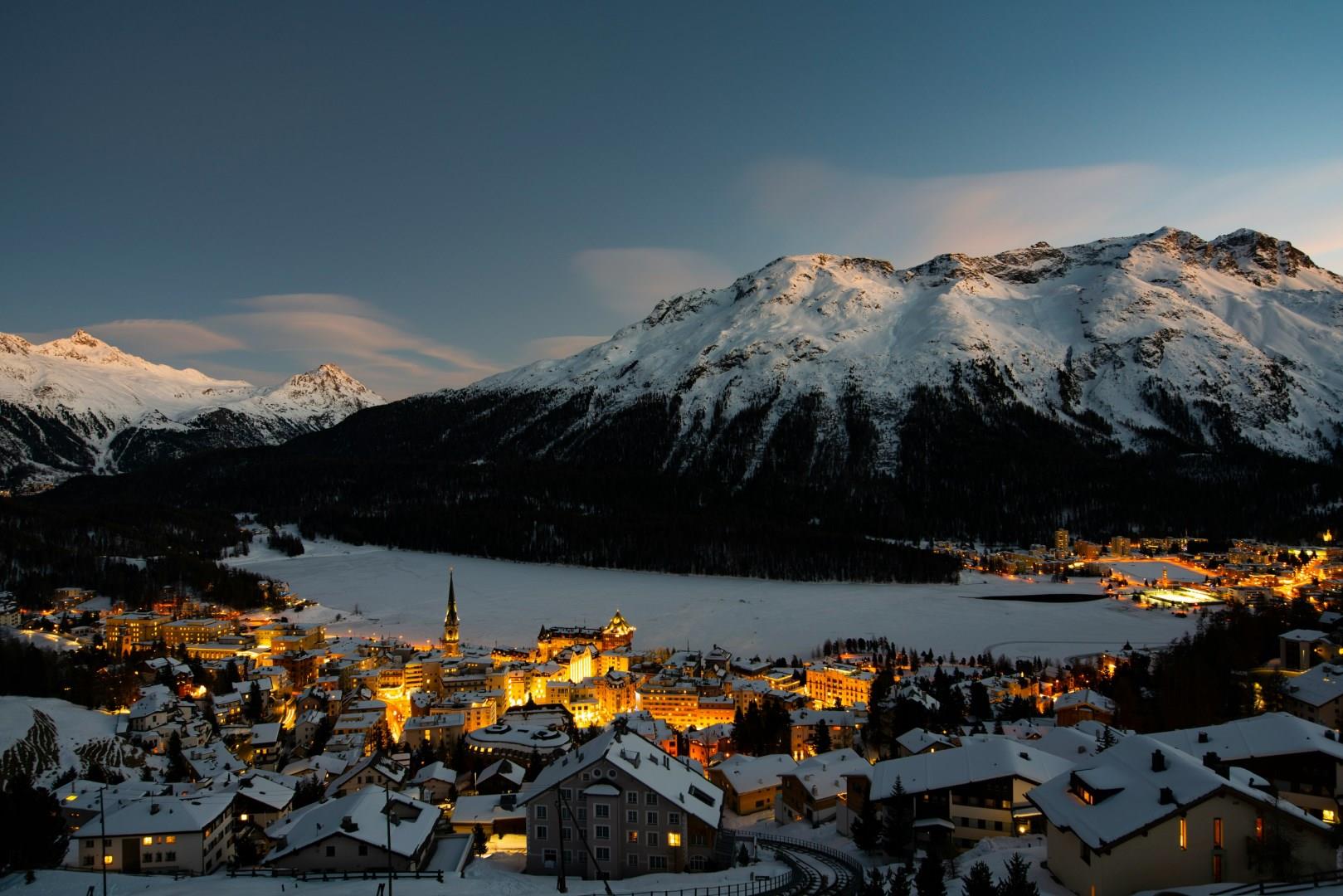
St. Moritz
St. Moritz, located in Switzerland’s Engadin Valley, has been attracting visitors for over 150 years, long before the term "alpine resort" became common. It was here in 1864 that winter tourism was born, when a hotelier made a wager with British guests that they would enjoy the snow just as much as the summer sun. They returned, and the rest is history. The town has since hosted the Winter Olympics twice (in 1928 and 1948) and remains a favorite for skiing, snowboarding, and ice sports.

Whitehorse
Whitehorse, the capital of Canada’s Yukon Territory, sits along the Yukon River and serves as the cultural, economic, and transportation heart of the North. Its history is closely tied to the Klondike Gold Rush of the late 1890s, when prospectors passed through the area on their way to Dawson City.
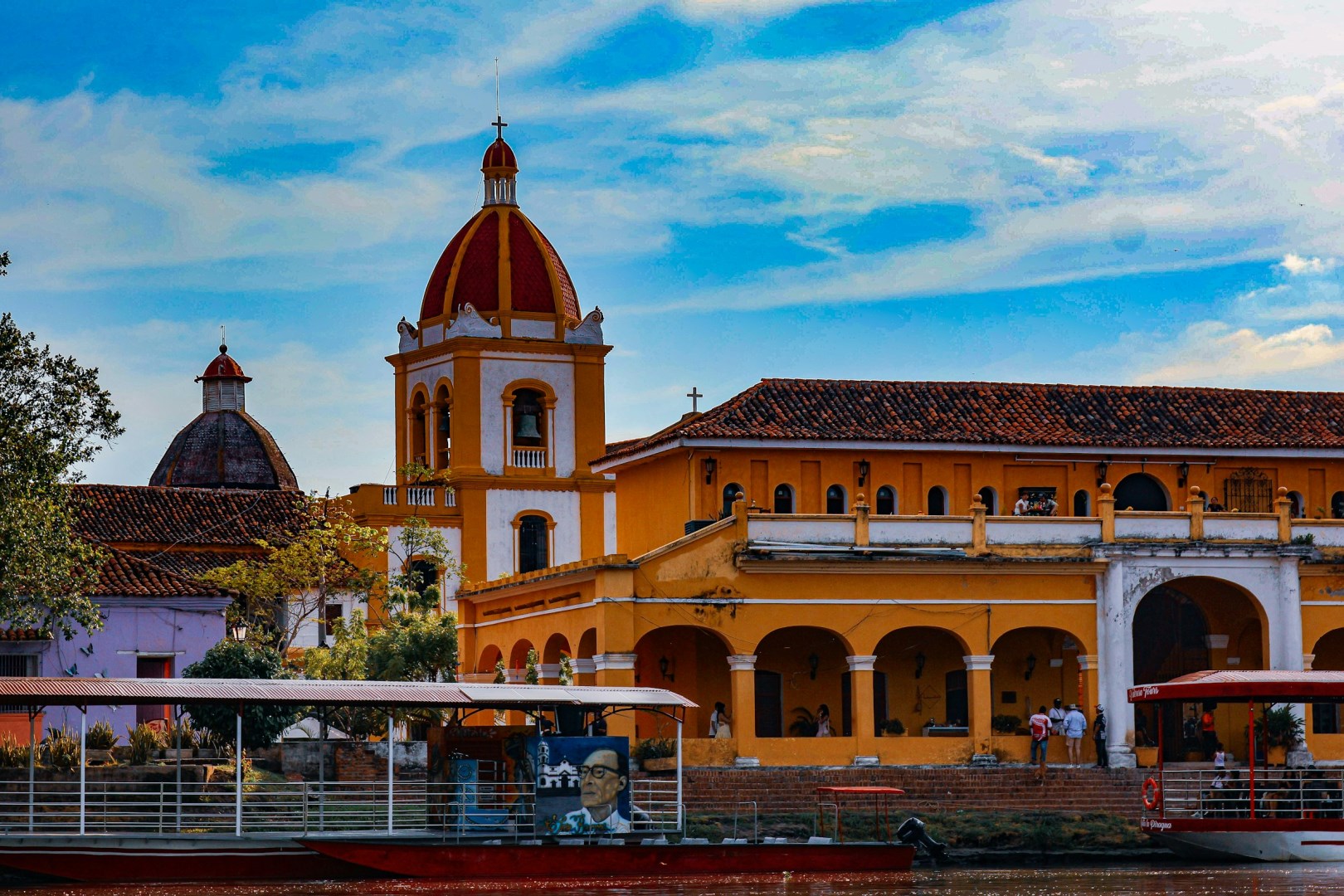
Santa Cruz de Mompox
Santa Cruz de Mompox, better known as simply Mompox (or Mompós), draws many visitors to northern Colombia with its rich history, well-preserved colonial architecture, and several annual events including its Holy Week celebrations and the Mompox Jazz Festival.

Ontario
Ontario is Canada's most densely populated province, harboring such cosmopolitan cities as Toronto and Ottawa. Millions of tourists come into Ontario every year, and industry and farming are the chief industries along the Great Lakes.
