
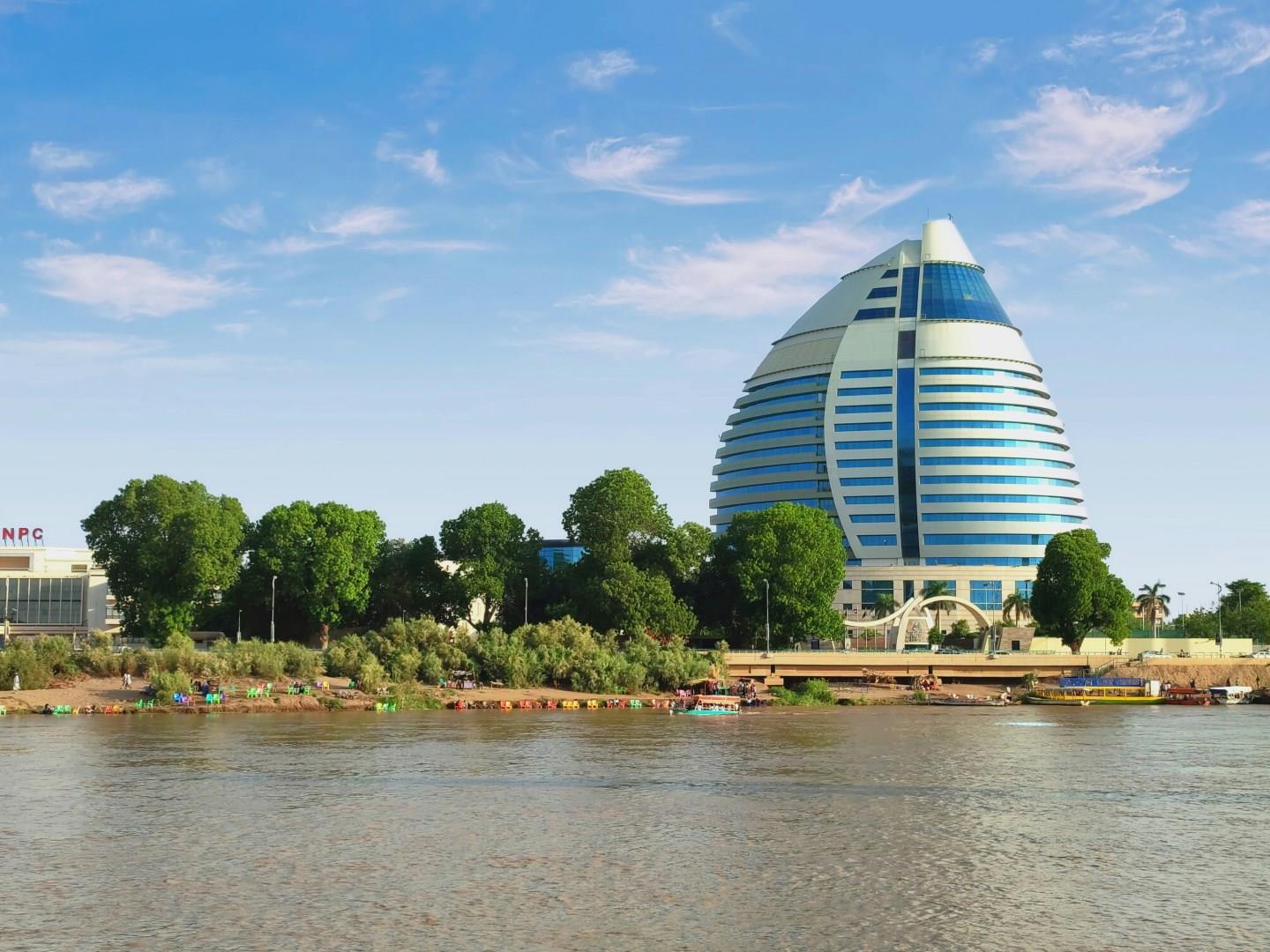
Khartoum
Khartoum, the capital of Sudan, sits where the Blue and White Nile rivers meet, creating a unique landscape of waterways, islands, and riverbanks.
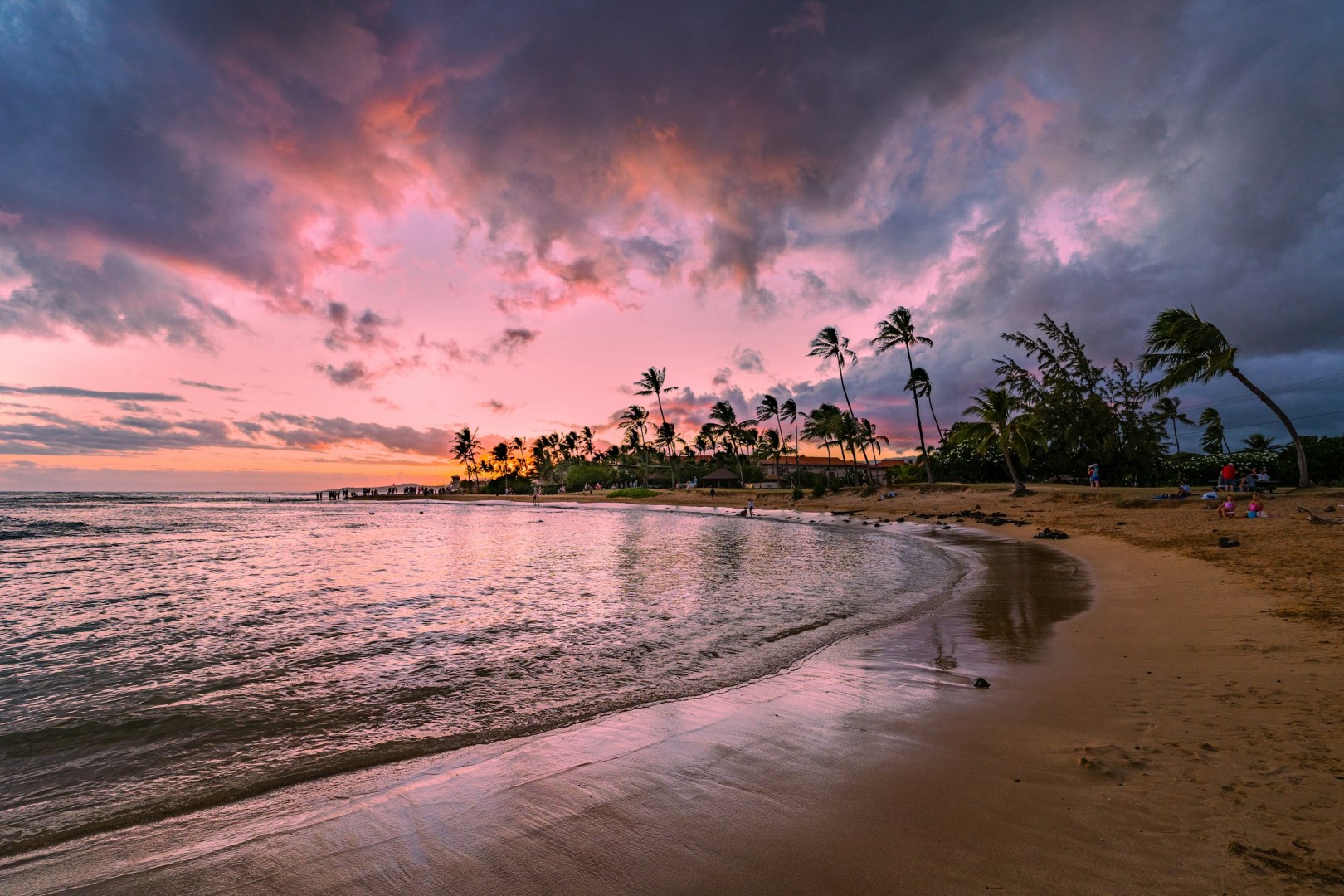
Poʻipū
Poʻipū is a coastal community on the southern shore of Kauaʻi, known for sunny weather, sandy beaches, and access to the island’s sheltered southern coastline. Its landscape includes beaches, lava-rock formations, palm-lined resorts, residential neighborhoods, and open coastal areas. Poʻipū Beach Park is the main public gathering place, with several connected sandy areas and shallow water that can be suitable for swimming when ocean conditions allow.
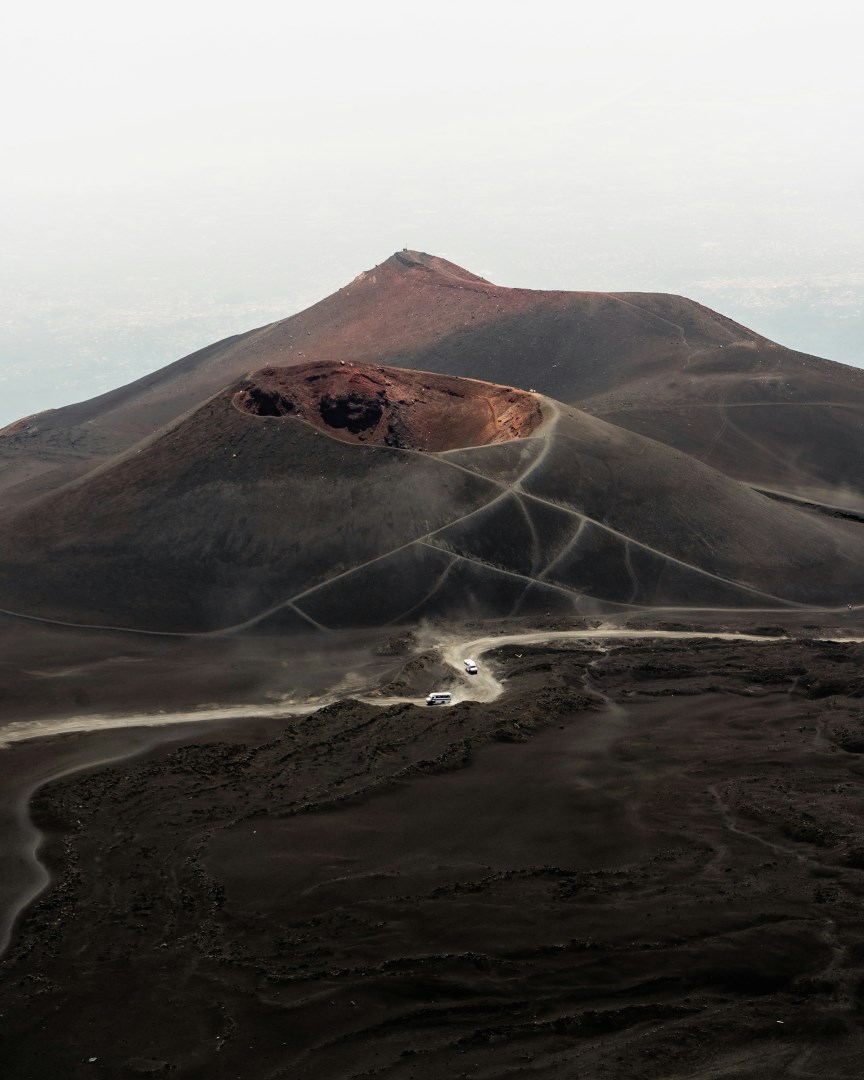
Mt. Etna, Sicily
The biggest volcano in Europe - and still very active. Drive up to the 6,000 foot level, travel along roads that run over layers of hardened lava, created in ancient and modern times. Enjoy the magnificent view of the Tyrrhenian and lonian coasts.

Arrecife
Arrecife, the vibrant capital of Lanzarote, Spain, offers a unique blend of modern allure and traditional charm. Situated on the eastern coast of Lanzarote, this picturesque city is celebrated for its beautiful beaches, including Playa del Reducto, which boasts golden sands and clear waters perfect for a relaxing day under the sun.

Interlaken
Nestling cozily beneath the legendary triad of the Eiger, Mönch and Jungfrau mountains, Interlaken, 570 meters above sea level is a wondrous health resort and an international favorite. The superb mountainous scenery and gentle climate are ideal venues for virtually every leisure activity, all year round.
