
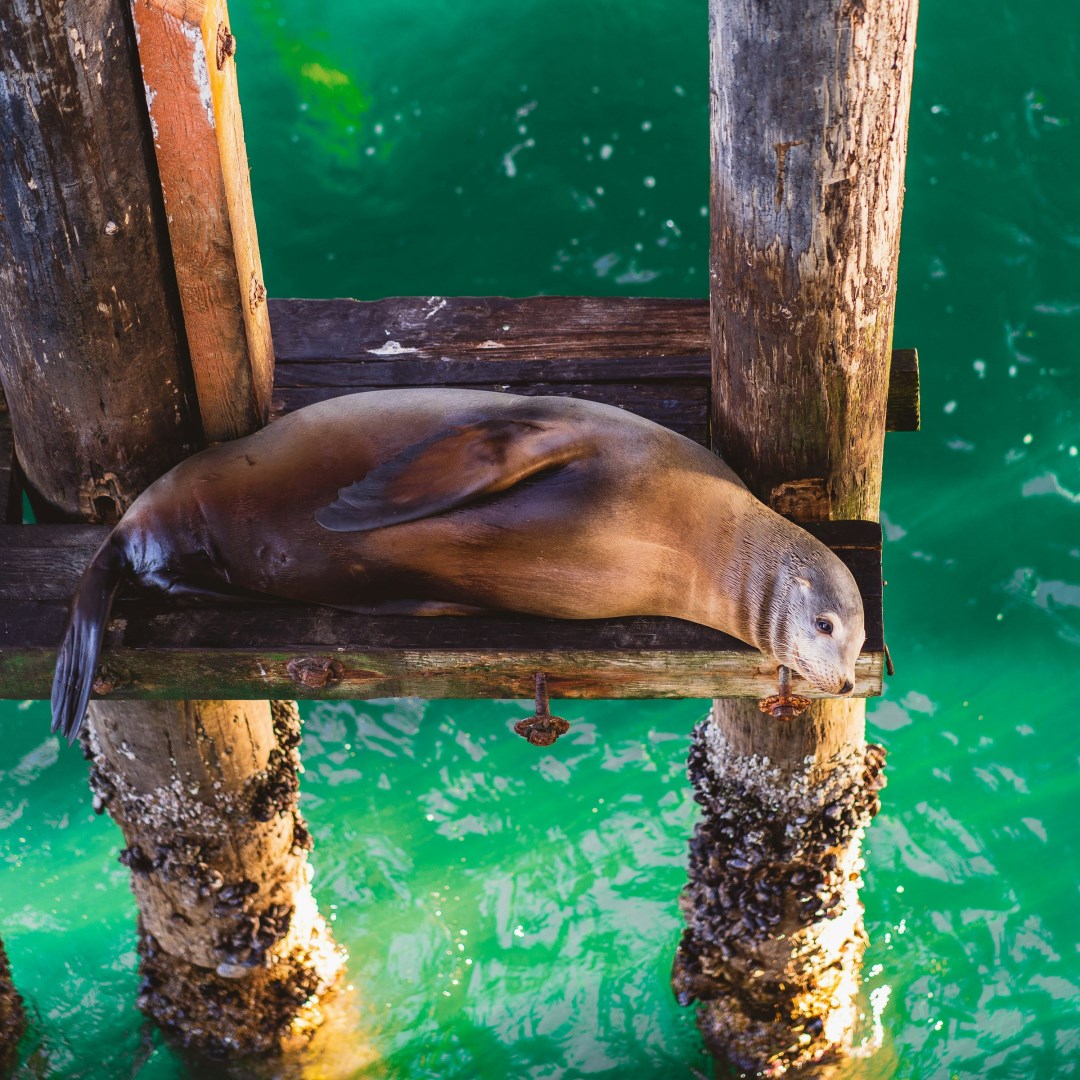
Santa Cruz
Located 75 miles south of San Francisco, Santa Cruz is a vibrant and laidback city on the central coast of California. Settled by Spanish Missionaries in the late 18th century, Santa Cruz has become a coastal paradise for surfers, students, and lovers of nature. Nestled between Wilder Ranch State Park and Henry Cowell Redwoods State Park, University of California, Santa Cruz, is the city’s leading research institution.
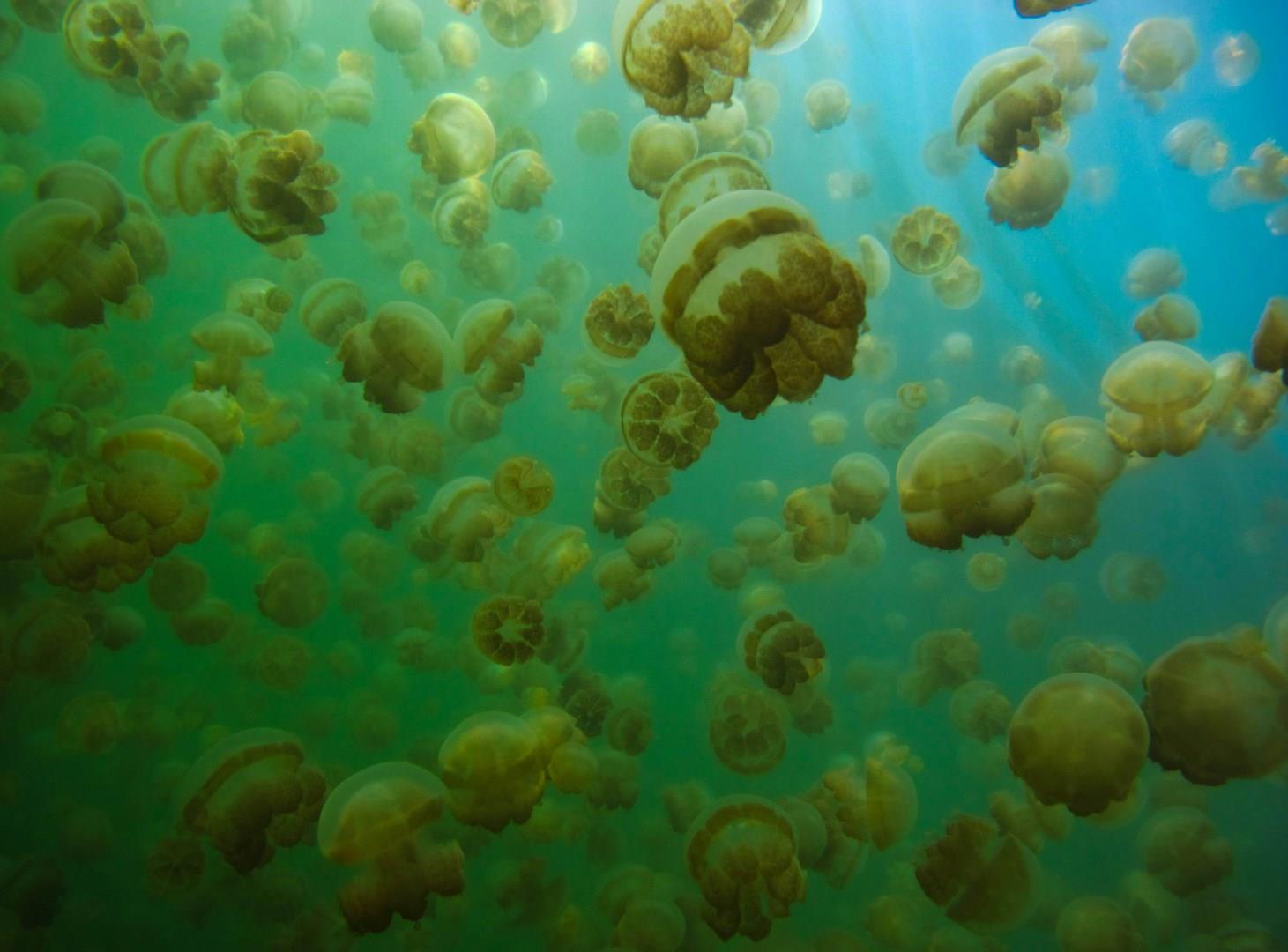
Jellyfish Lake
Jellyfish Lake is a shadowed oasis hidden among the mushroom-like Rock Islands of Palau. This forest‑fringed saltwater lake invites visitors to float with millions of gentle, stingless jellyfish that glow like drifting amber clouds under emerald light. The lake formed about 12,000 years ago, when rising seas flooded an ancient reef basin that was gradually cut off from the ocean. Over centuries, its jellyfish evolved in isolation, shedding their stings and multiplying without predators in sight.
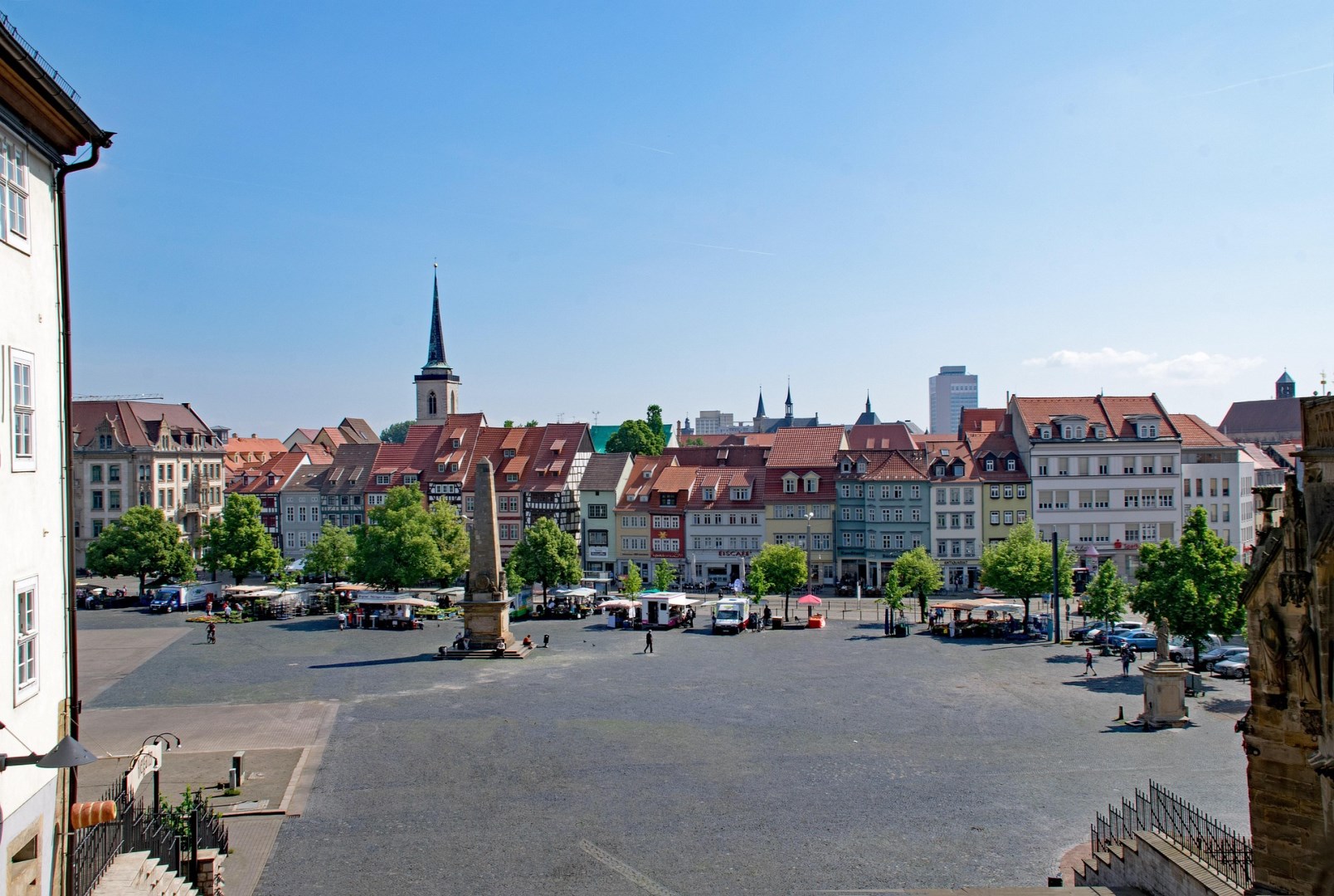
Erfurt
The skyline of Erfurt is shaped by dozens of churches, monasteries, and convents thrusting their pointed steeples upward to the sky. In the Middle Ages, Erfurt was known as "Thuringian Rome" because of its religious orders. The impressive twin churches on the Domberg (Cathedral Hill), the Roman Catholic St. Mary's Cathedral (14th century) and the Roman Catholic Parish church St. Severus with a flight of 70 outdoor steps leading from the Cathedral Square up the hill to the churches.
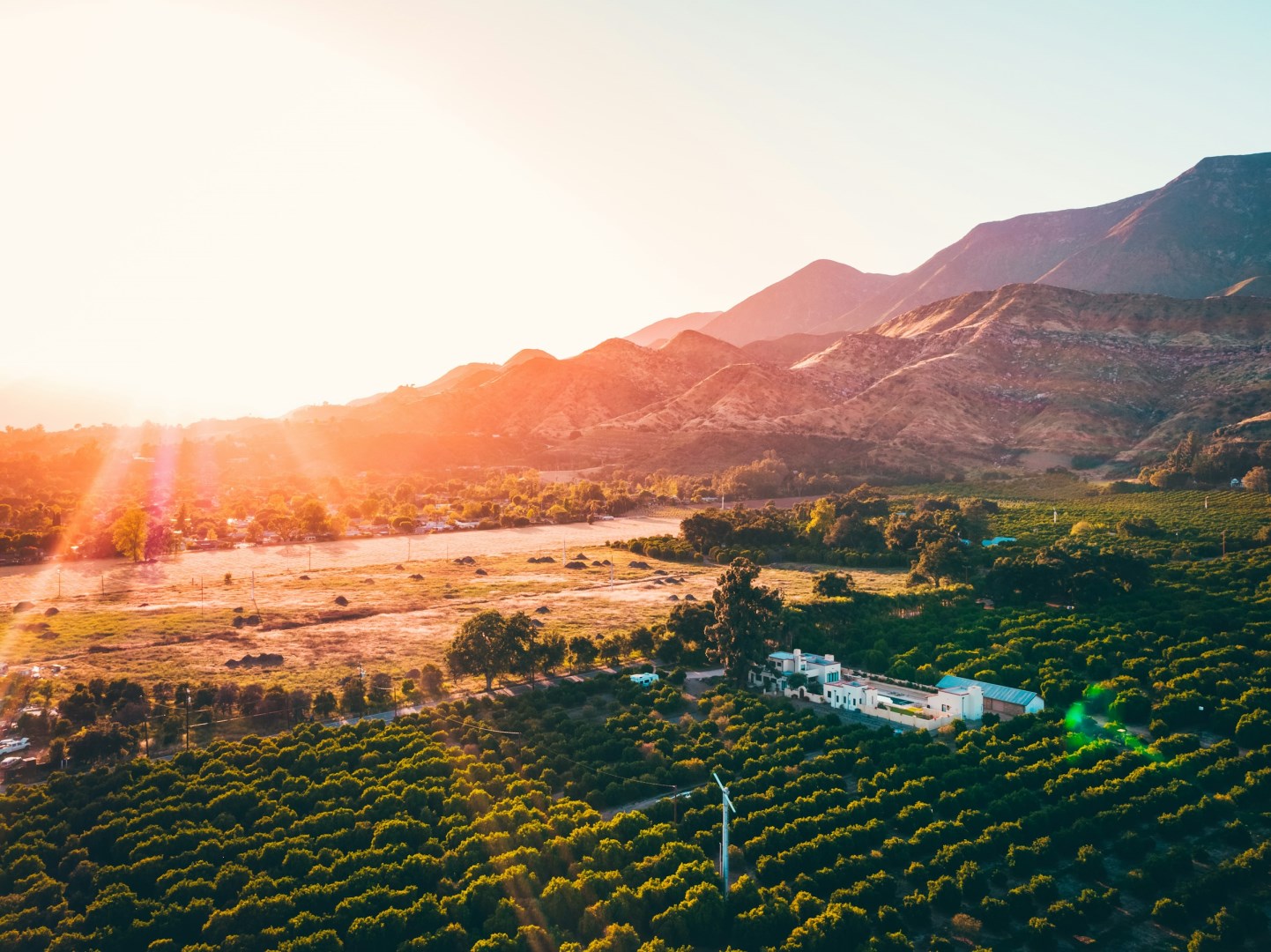
Ojai
Ojai (pronounced "Oh hi") is an Indian name generally accepted as meaning "the nest," although experts also interpret it as "moon." The valley was home to the Chumash who ascribed the east-west lying valley with mystical powers and found sanctuary in its canyons and mountains.
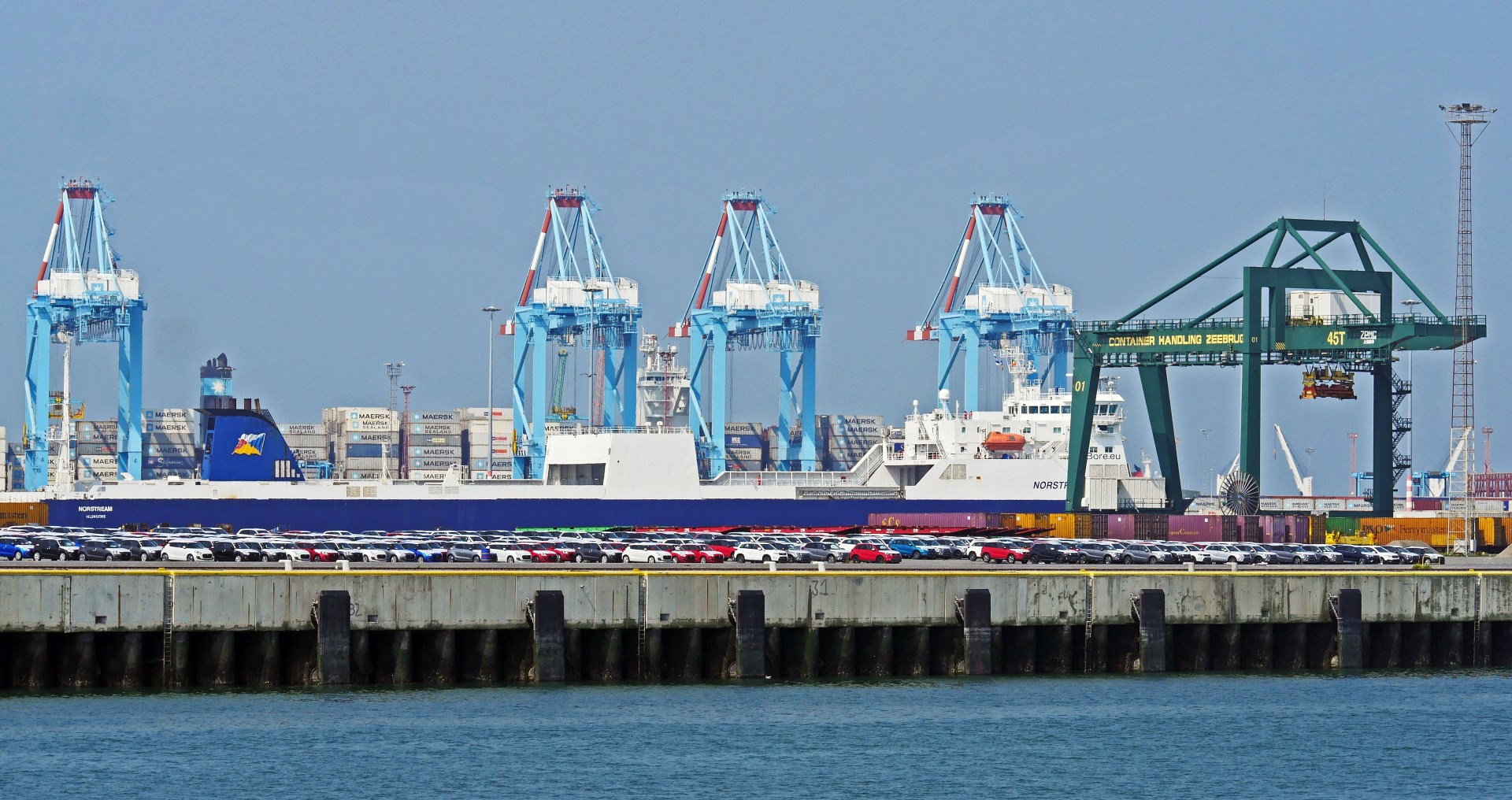
Zeebrugge
Zeebrugge is a coastal district of Bruges in West Flanders, Belgium, located on the North Sea coast. It is best known as one of Europe’s major ports, handling international cargo, passenger ferries, and fishing activities.
