
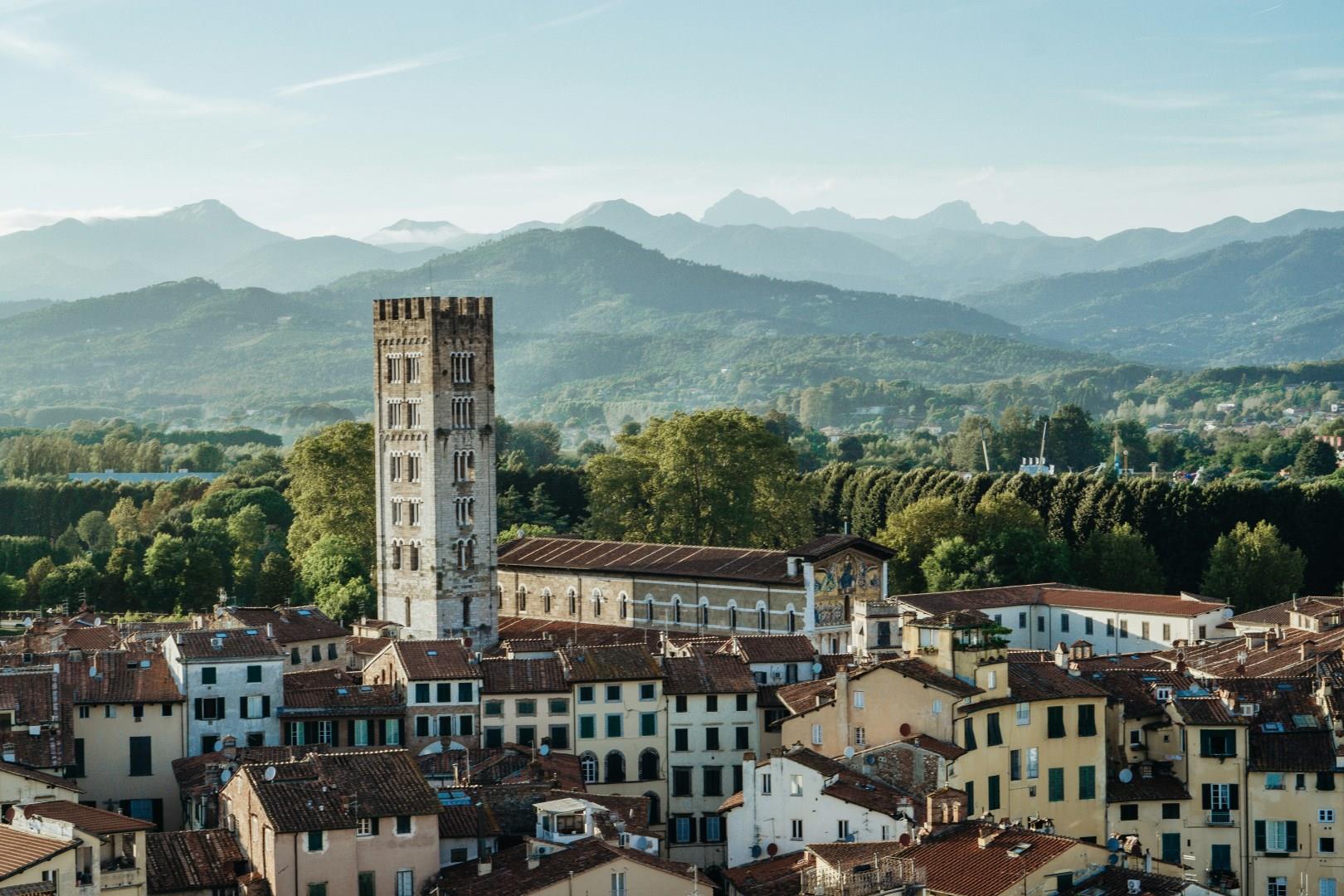
Lucca
Lucca, a Tuscan city surrounded by remarkably intact Renaissance walls, offers more than just postcard views. Known for its quiet streets and grand piazzas, Lucca stands apart with its circular street layout, still following the lines of a Roman amphitheater from centuries ago. The walls, now repurposed as a 4-kilometer tree-lined park, are a favorite route for locals and visitors who explore them on foot or by bike, passing old bastions and panoramic viewpoints along the way.
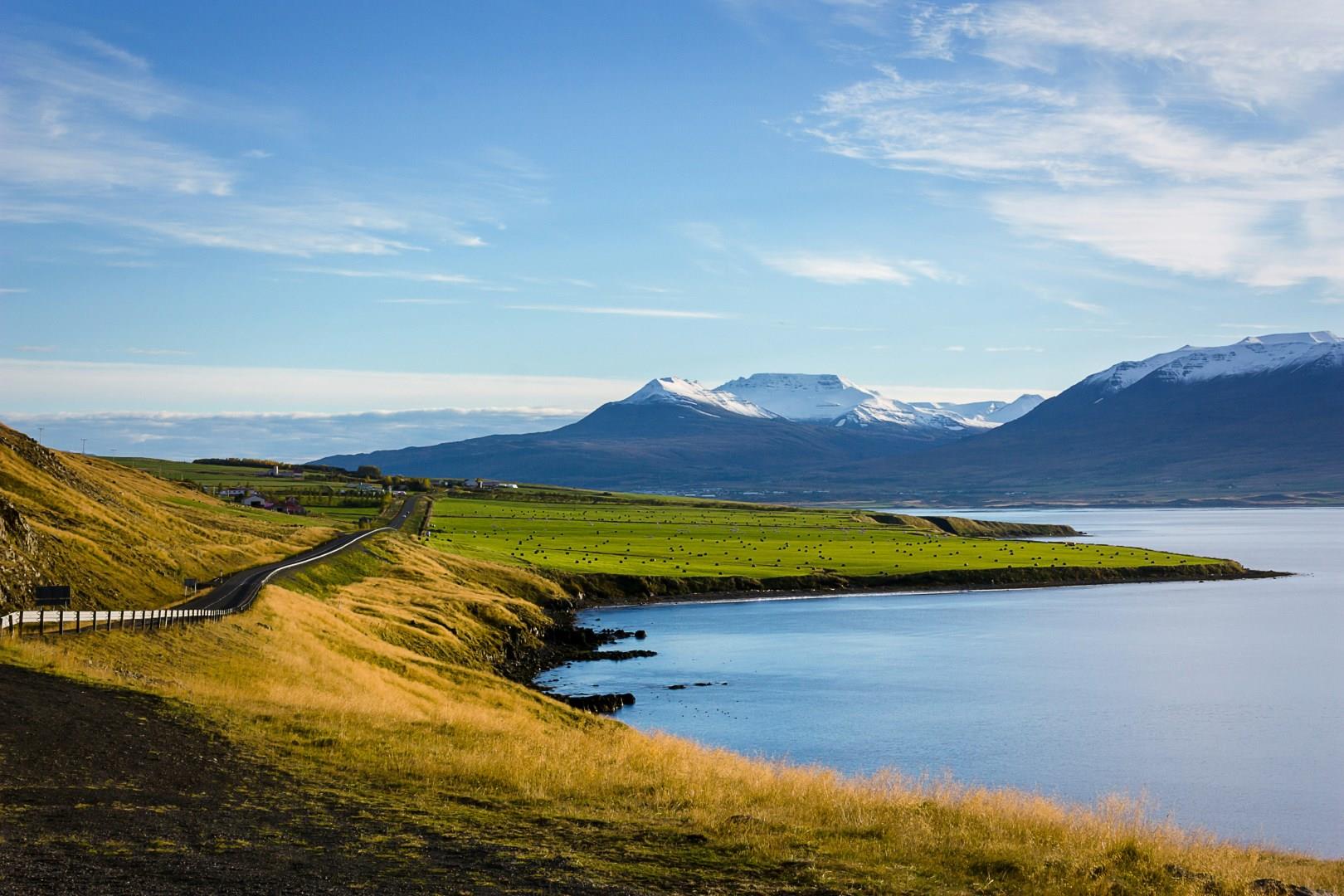
Akureyri
Akureyri, often referred to as the capital of North Iceland, offers travelers a distinct experience shaped by its Arctic location and rich local culture. Nestled at the base of Eyjafjörður fjord, the town has served as a trading center since the 1600s and continues to thrive with a mix of fishing, arts, and tourism. Within a few hours’ drive, visitors can reach the geothermal fields of Hverir, the volcanic craters at Lake Mývatn, and the powerful Goðafoss waterfall.
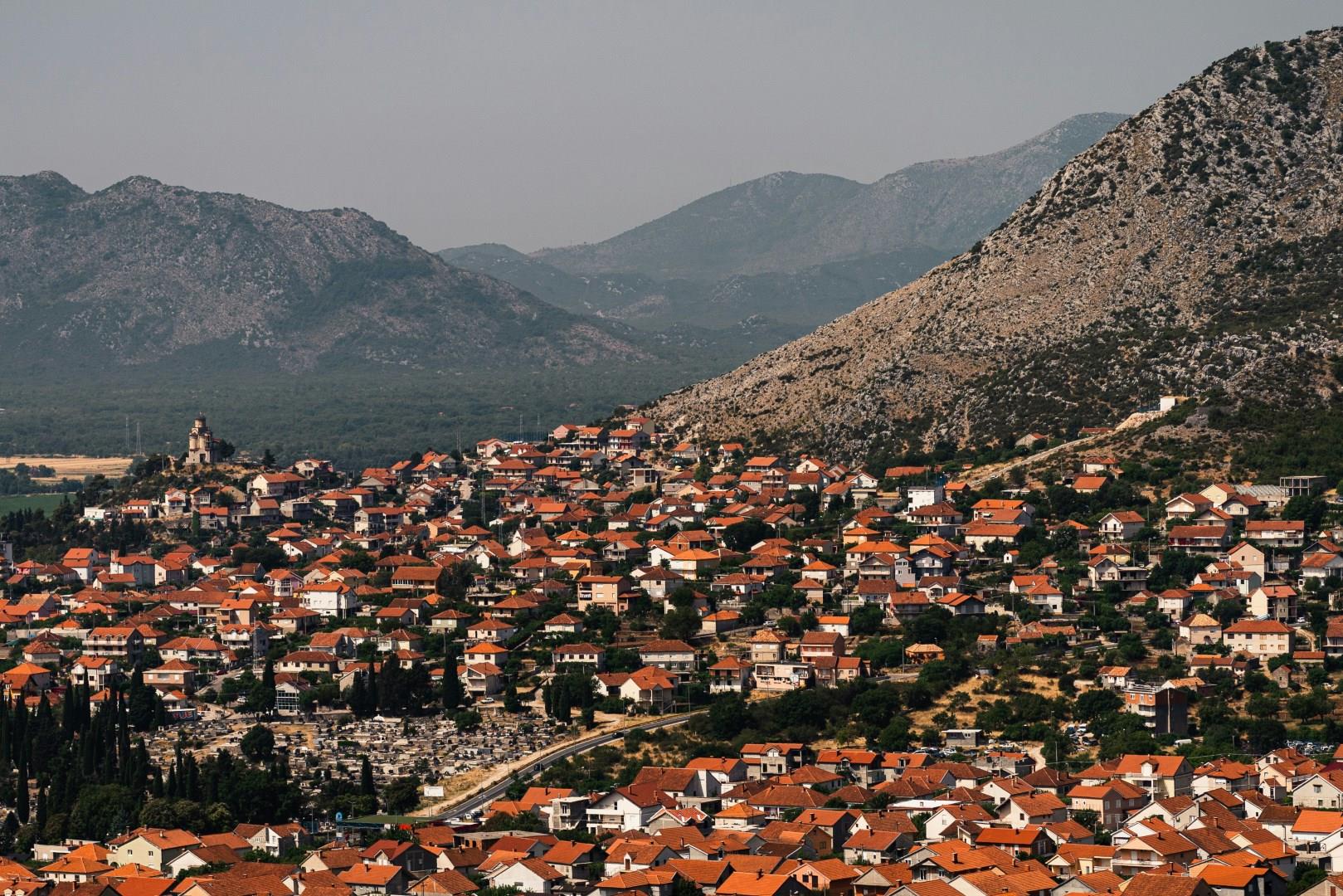
Trebinje
Trebinje, the southernmost city in Bosnia and Herzegovina, sits just a short drive from the Adriatic coast but offers a completely different rhythm. Framed by hills and set along the Trebišnjica River, the city has a history stretching back to Roman times. The river that winds through the city is one of the longest sinking rivers in the world and often disappears underground and resurfaces in various places.
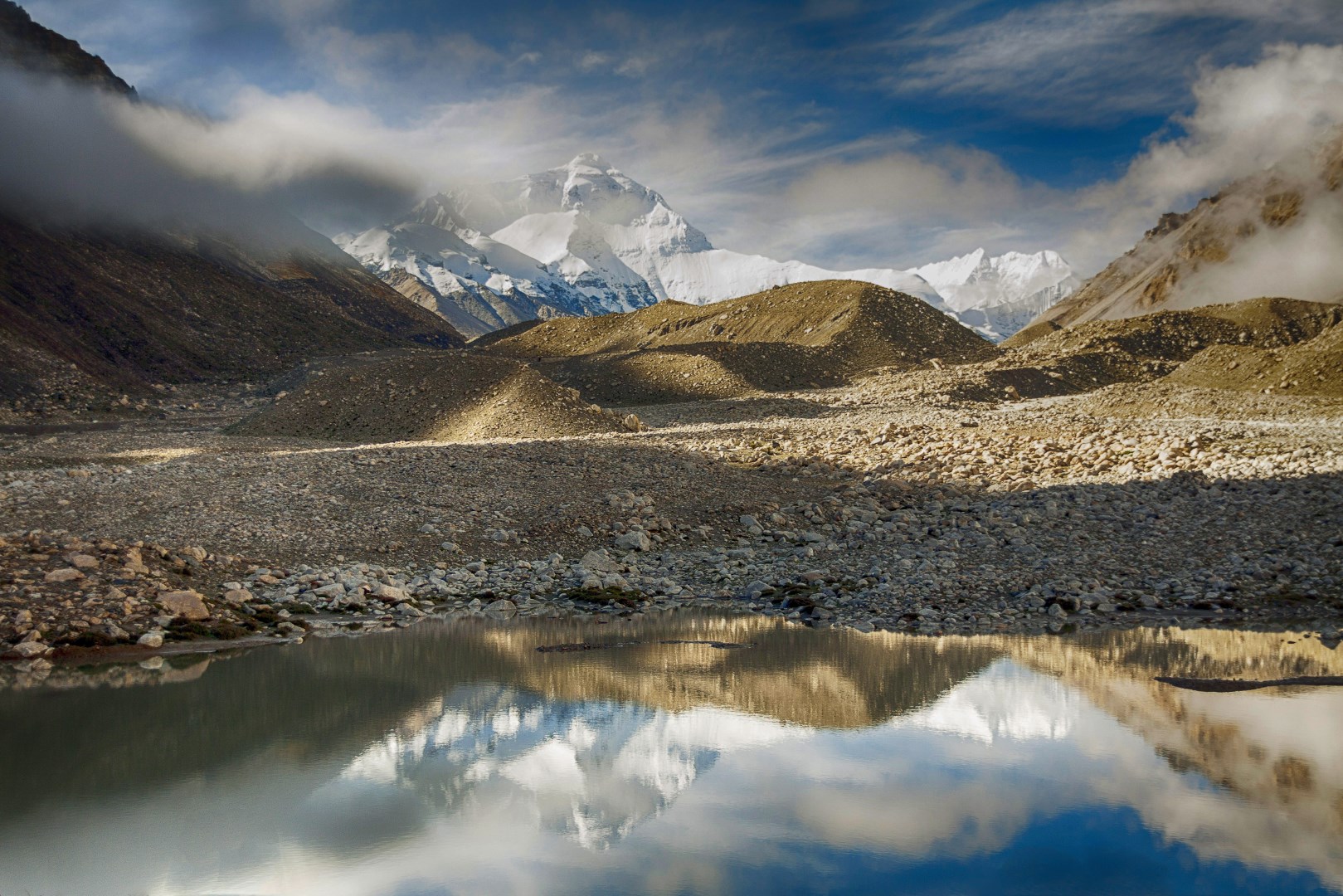
Mount Everest
Rising along the border of Nepal and Tibet, Mount Everest stands as the highest point on Earth, reaching over 29,000 feet into the sky. Known locally as Sagarmatha, meaning “Peak of Heaven,” and Chomolungma, meaning “Goddess Mother of the World,” the mountain carries deep spiritual meaning for the communities that live in its shadow. Its summit sits in air so thin that oxygen levels are only a fraction of what travelers experience at sea level.
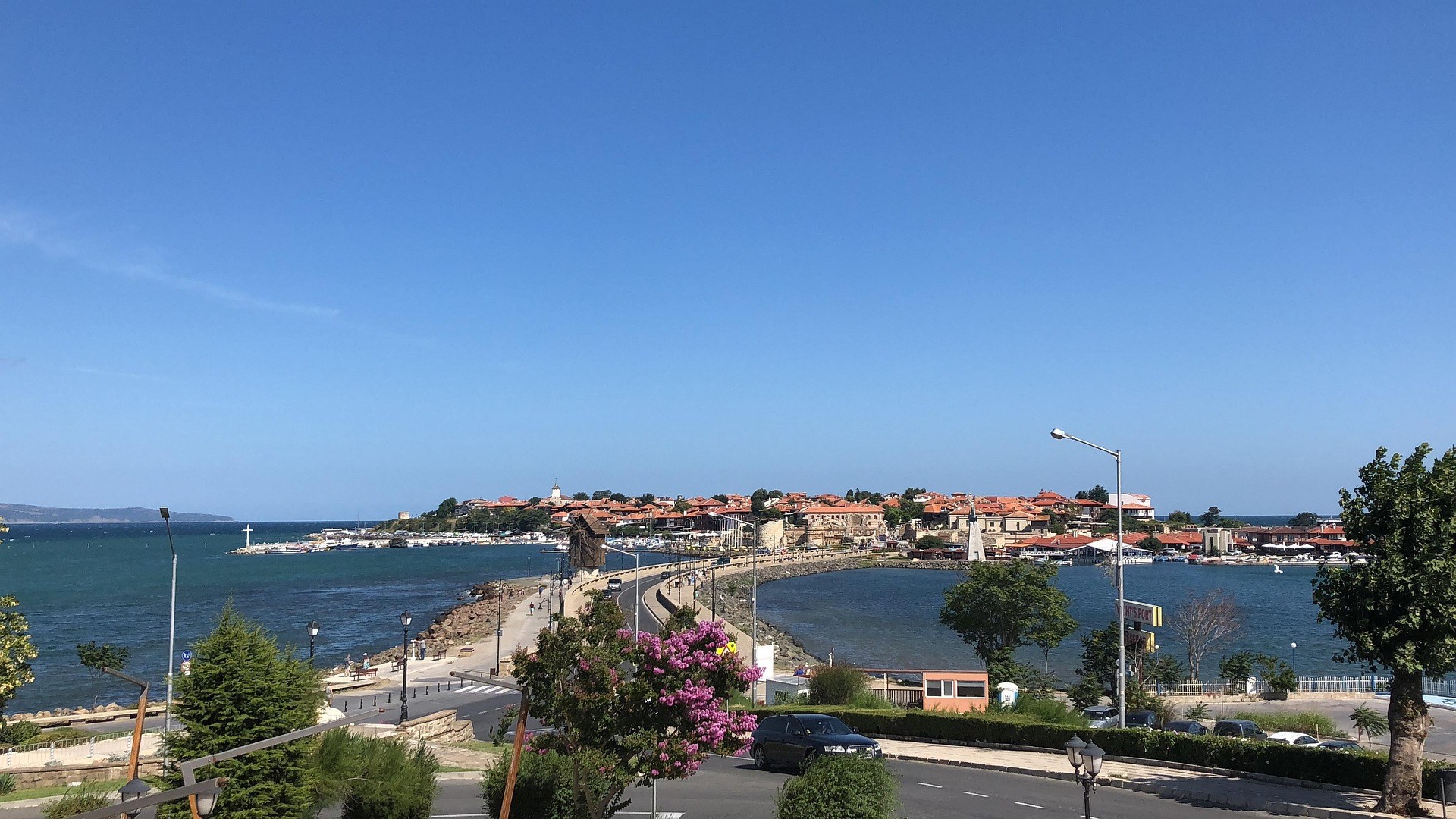
Varna
Varna is a beautiful city along the Black Sea and a favorite port of luxury cruise ships.
