
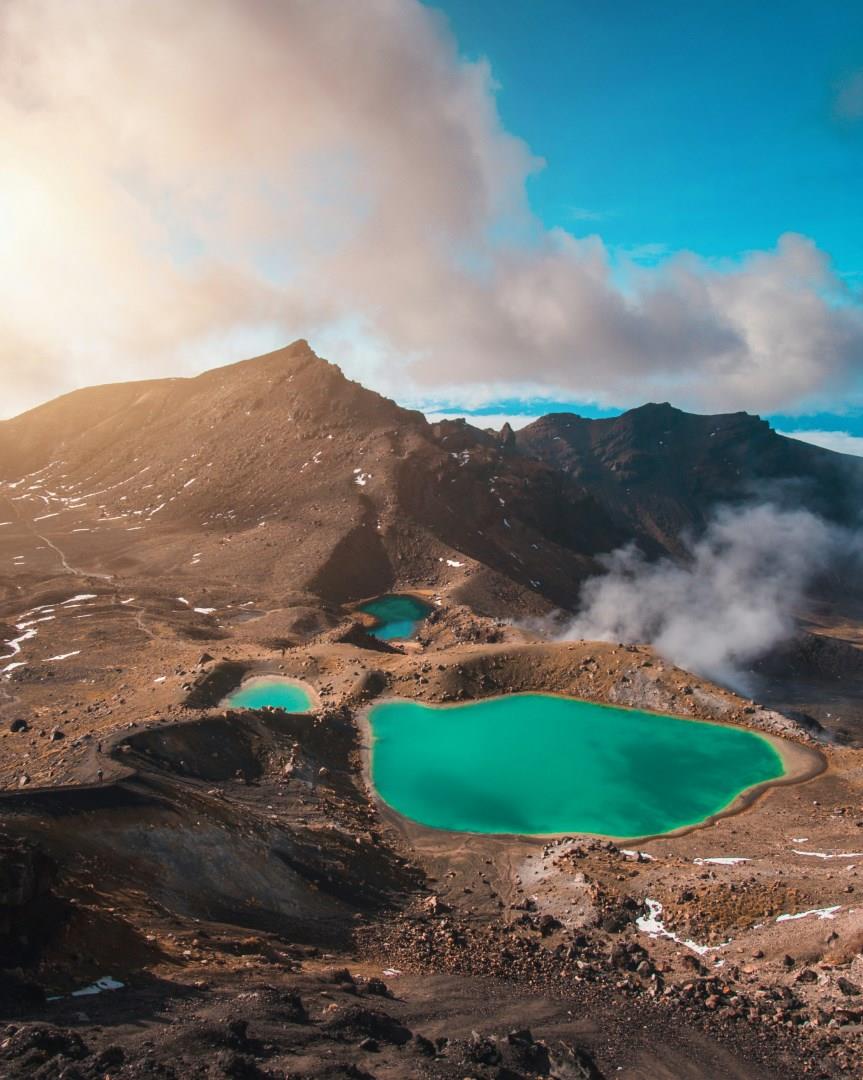
Tongariro National Park
Tongariro National Park, on New Zealand’s North Island, holds deep cultural meaning as well as striking geological presence. It was the country’s first national park, gifted to the nation by Ngāti Tūwharetoa chiefs in the 19th century, establishing a model that tied conservation to Māori guardianship. The volcanic peaks of Tongariro, Ngāuruhoe, and Ruapehu are considered ancestors, giving the landscape a living cultural identity rather than a purely scenic one.
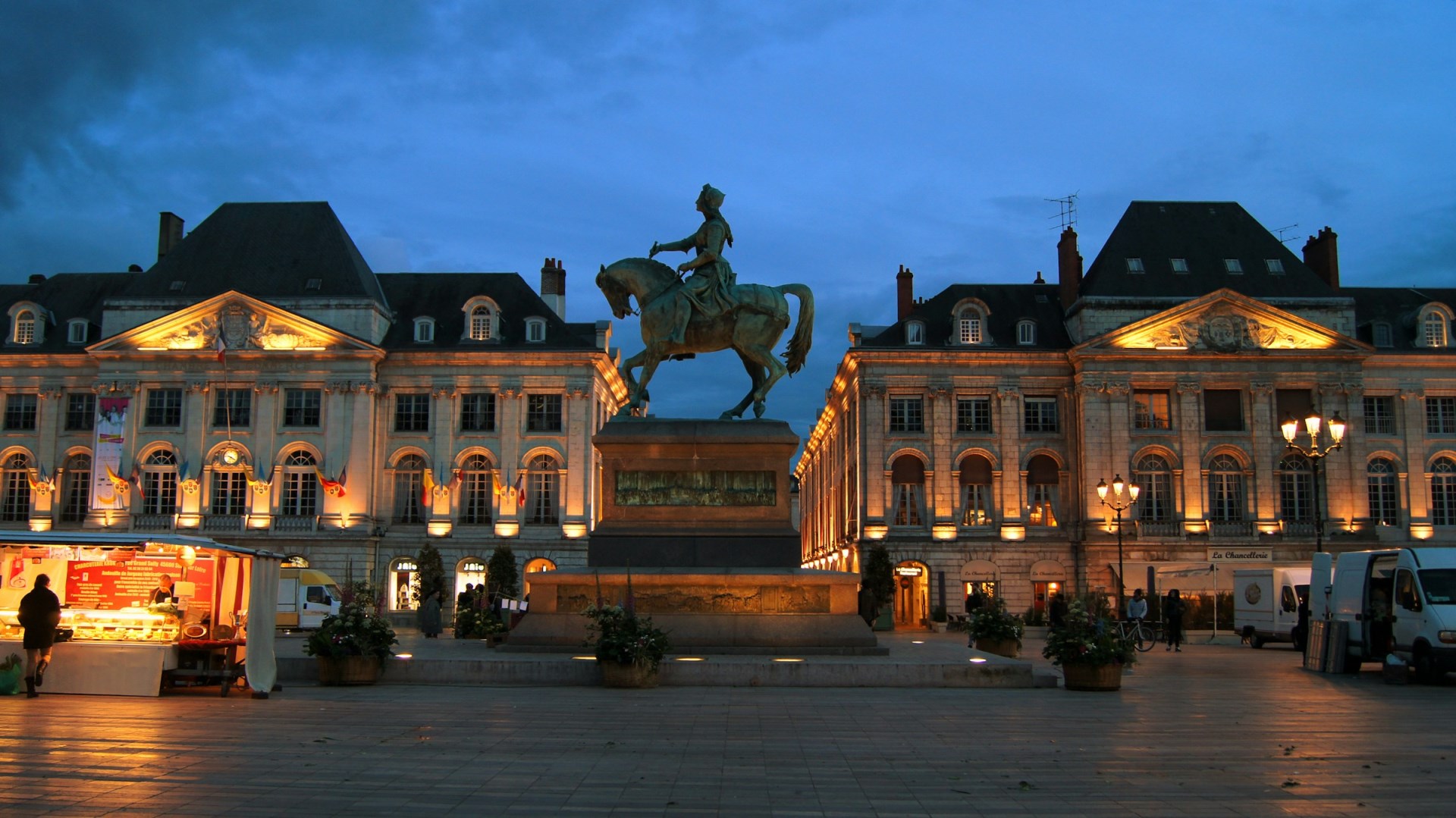
Orléans
Orléans is a city on the Loire River in central France, where a historic urban center meets broad riverbanks and the landscapes of the Loire Valley. Its position on the river helped make it an important center for trade and transport, while today the quays provide space for walking and cycling. The old center contains a mixture of medieval streets, Renaissance buildings, and later architecture, with the Sainte-Croix Cathedral forming a prominent landmark.

Sur
Sur is a coastal city in Oman's Al Sharqiyah South Governorate, facing the Arabian Sea along a coastline shaped by sheltered bays, rocky headlands, and fishing communities. The city is particularly known for its maritime heritage and traditional wooden dhow building, which remains an important part of its identity. Sur's harbor, whitewashed buildings, and coastal setting reflect its long connection with seafaring and trade.
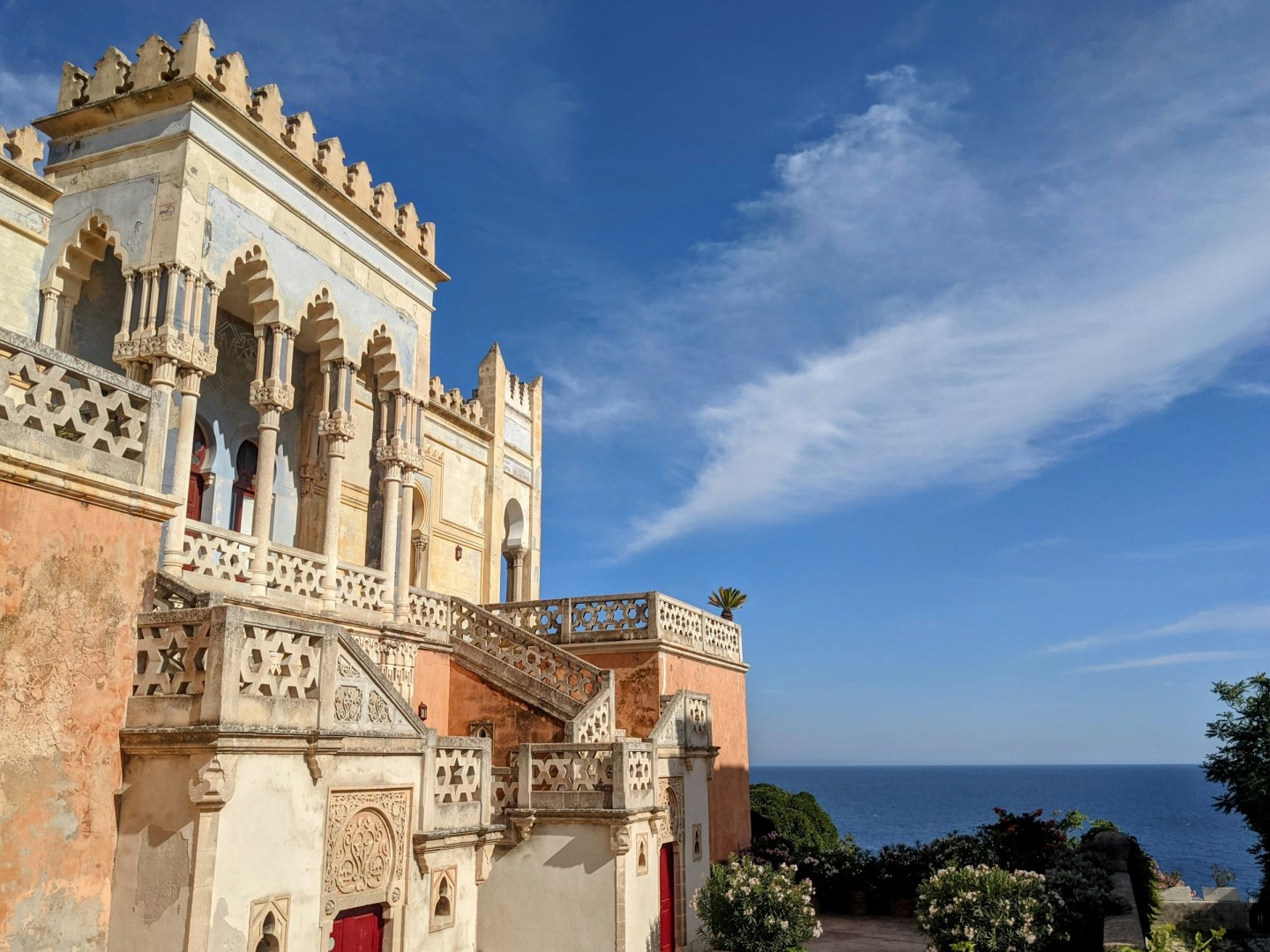
Lecce
Lecce is a city in southern Puglia, at the center of the Salento peninsula, known for its historic buildings made from the region’s soft, honey-colored limestone. The old center contains elaborate churches, palaces, courtyards, and narrow streets, many decorated with carved columns, figures, floral motifs, and other details associated with Lecce Baroque. Piazza del Duomo and Piazza Sant’Oronzo form two of the city’s principal public spaces, while the Roman amphitheater remains visible at the hea
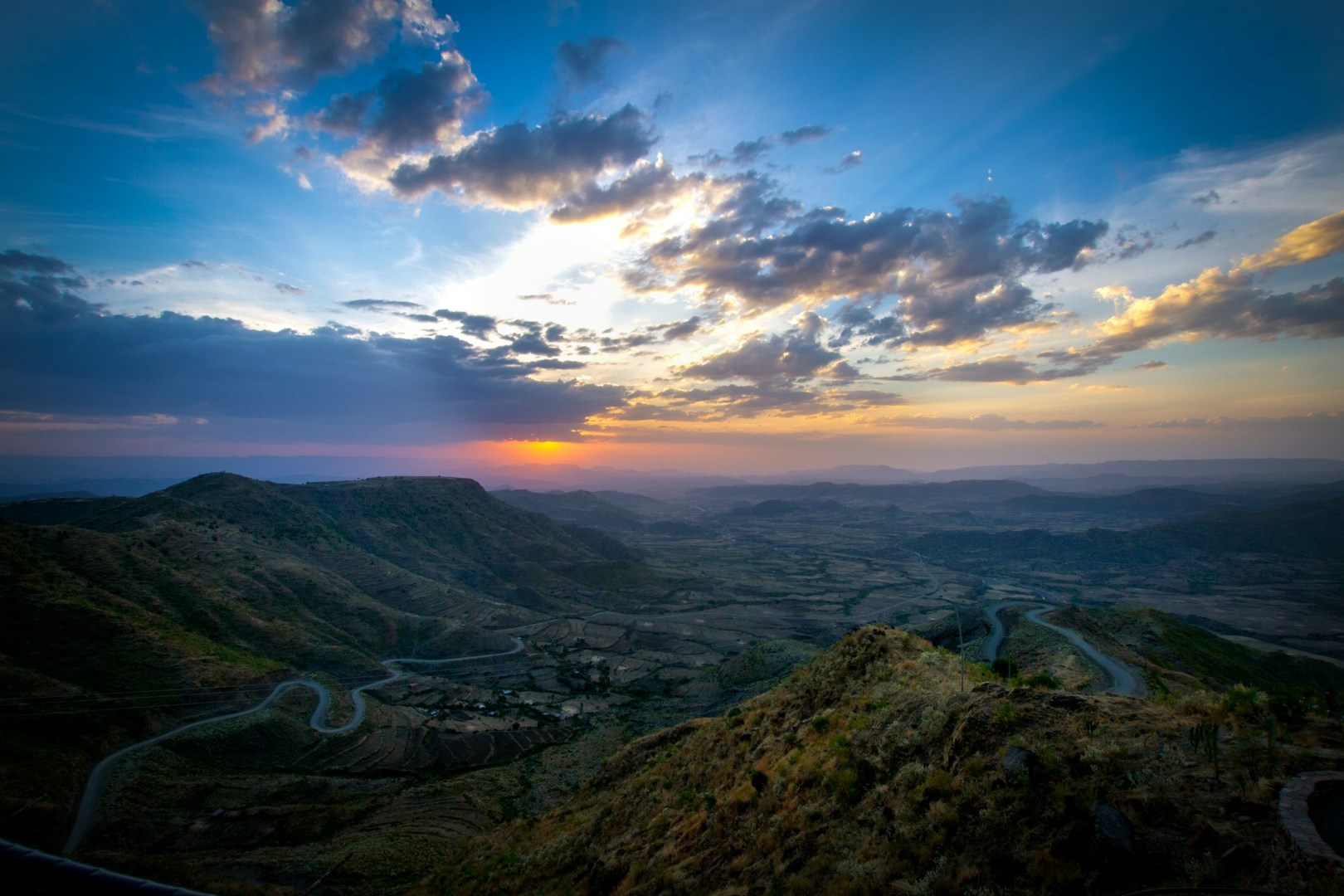
Lalibela
Lalibela is the name of the township which King Lalibela, later canonized, ruled in the 12th century. At his command, eleven monolithic churches were hewn out of living rock. The churches are unique because they are not carved into rock but were freed from it entirely
