

Cádiz
With its captivating blend of ancient history, sun-drenched beaches, and vibrant Andalusian culture, Cádiz, Spain, stands as one of Europe’s oldest continually inhabited cities. Founded over 3,000 years ago by the Phoenicians, this coastal gem in southern Spain offers a rich tapestry of historical sites and modern charms. The old city of Cádiz is a labyrinth of narrow cobblestone streets, whitewashed houses, and hidden plazas that evoke the city’s Moorish past.
Fès
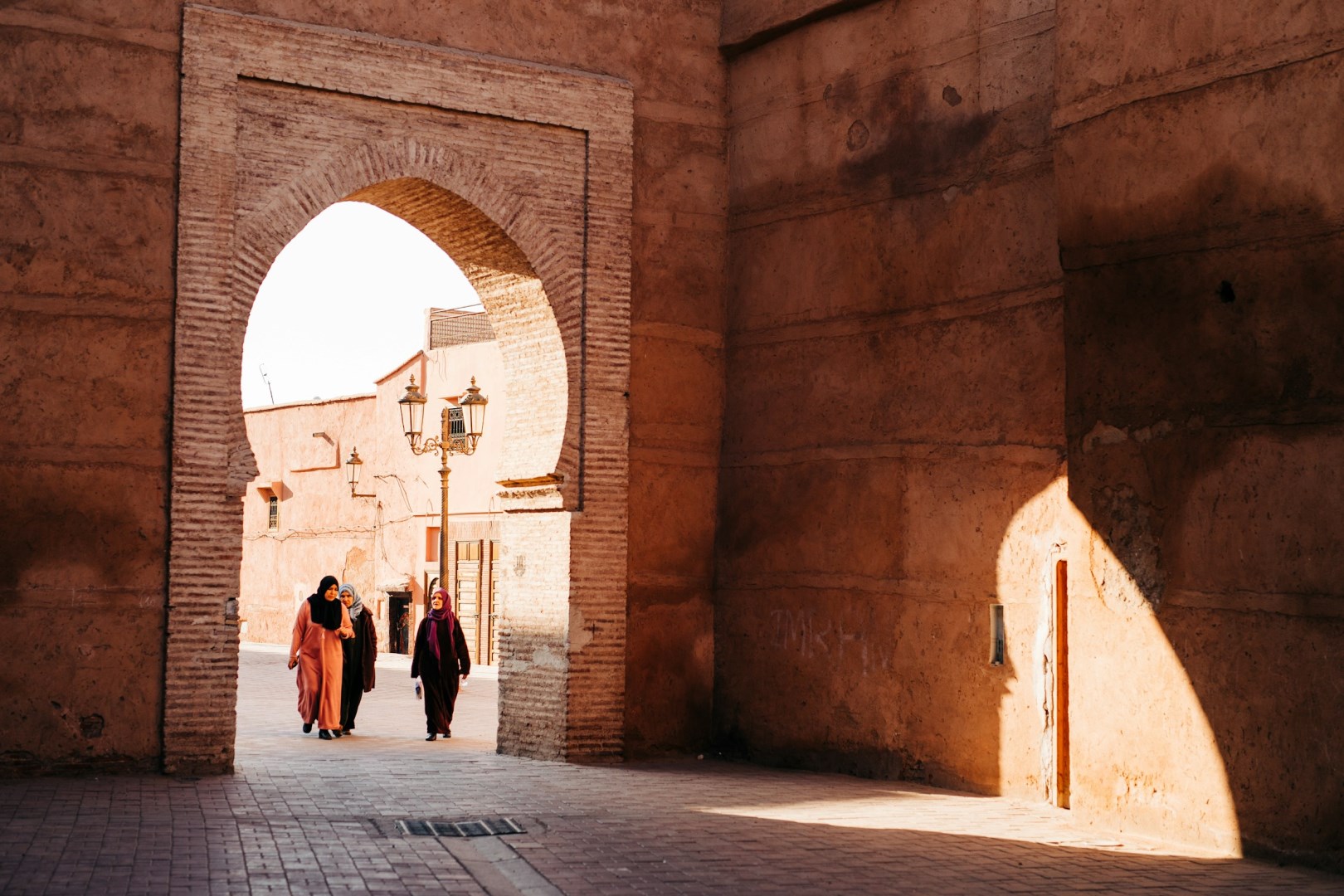
A series of gates surrounds the two centers of ancient, medieval Fez (sometimes spelled Fes). The principal axes link the center to the gates and a street surrounds the heart of the old city. The Kairouan quarter, which is longer, is crossed by an artery. Narrow, tortuous pedestrian streets, covered passages, stairs and numerous dead-ends make up the dense layout with few urban squares.
Florø
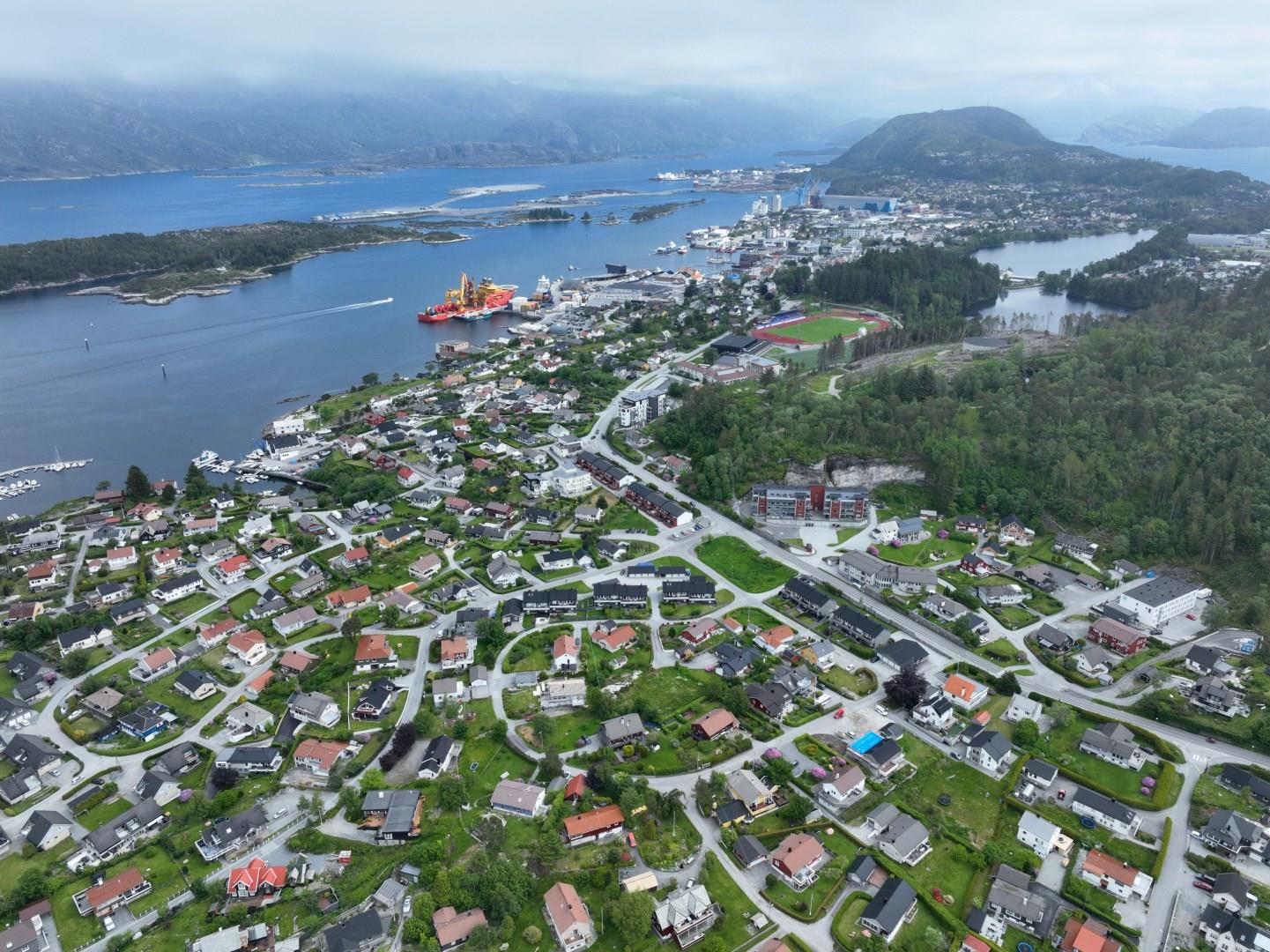
Florø, the westernmost town in Norway, sits right at the edge of the sea as a small, coastal town with deep maritime roots and front-row views of the North Atlantic. Established in 1860 as a herring fishing hub, Florø still carries the rhythm of the ocean in daily life. Though small in size, the town serves as a jumping-off point to explore the rugged coastline, scenic fjords, and a collection of islands that each have their own stories and scenery.

Bonn
Two thousand years have left their mark in Bonn, tracing its development from a Roman camp into the settlement known as "Villa Basilica," and on through the Baroque era's Electoral Palace, which today houses the University.

Mahajanga
Majunga, officially known as Mahajanga, is a picturesque coastal city in northwestern Madagascar that invites travelers with its vibrant culture and serene beauty. Situated along the Mozambique Channel, this port city is a gateway to some of Madagascar’s most stunning beaches and marine reserves. The city's palm-lined promenade, known as the Avenue of the Baobabs, is a local favorite, offering breathtaking views of the sunset over the ocean.
