

Arequipa
Arequipa, known as the "White City," is built from sillar, a pale volcanic stone that glows in the sunlight. This architectural detail gives the historic center its striking appearance and has earned it recognition as a UNESCO World Heritage Site. Towering above the city is the perfectly symmetrical Misti Volcano, which, along with two neighboring peaks, forms a dramatic backdrop.
Billings
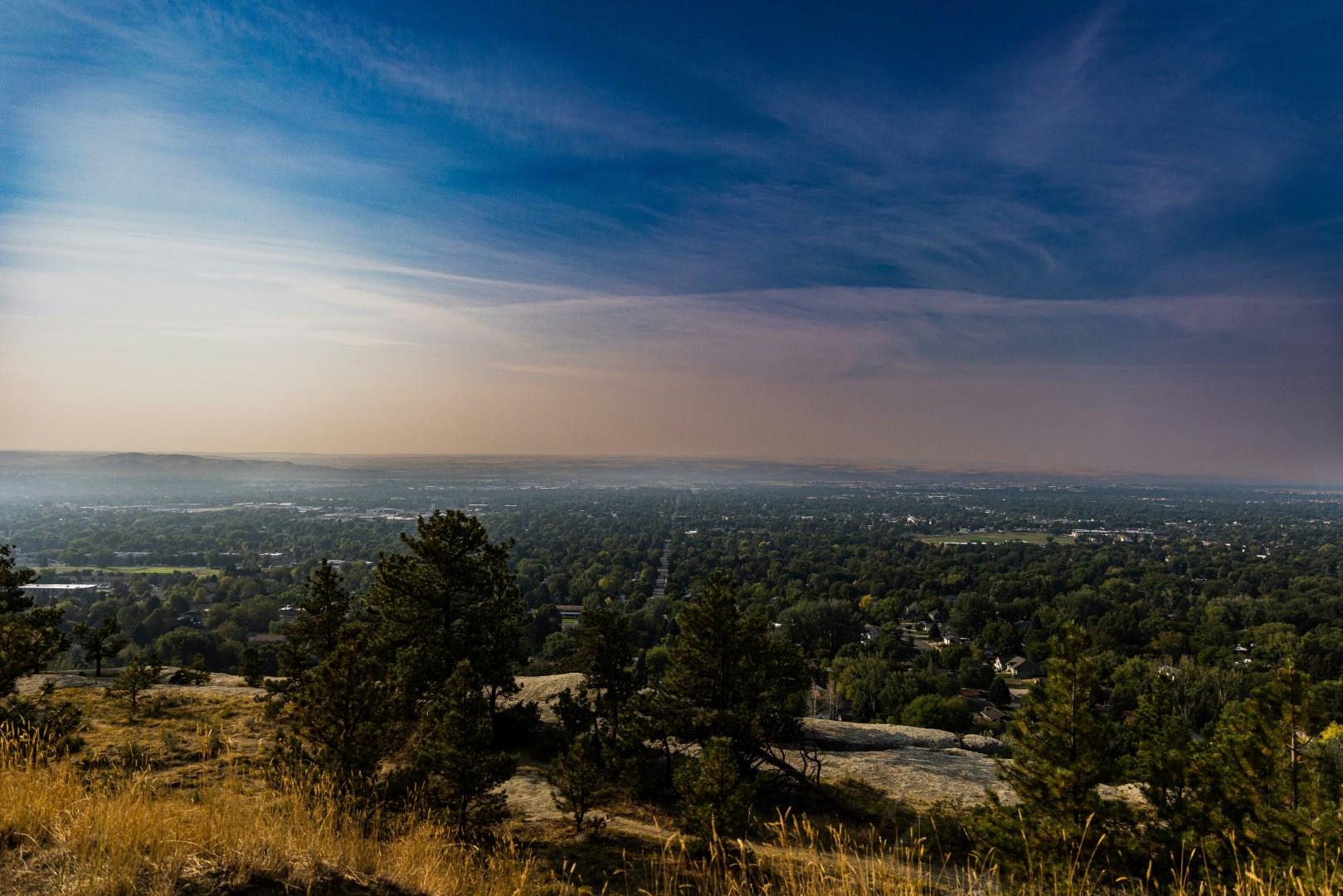
Billings, Montana sits on the edge of the vast plains and at the base of ancient sandstone cliffs known as the Rimrocks. These formations frame the city and provide miles of scenic overlooks, hiking trails, and even fossil beds. From Swords Park, visitors can walk or bike along the paved trail that follows the rim’s edge, offering sweeping views of downtown, the Yellowstone River, and distant snowcapped peaks.
Royal Naval Dockyard
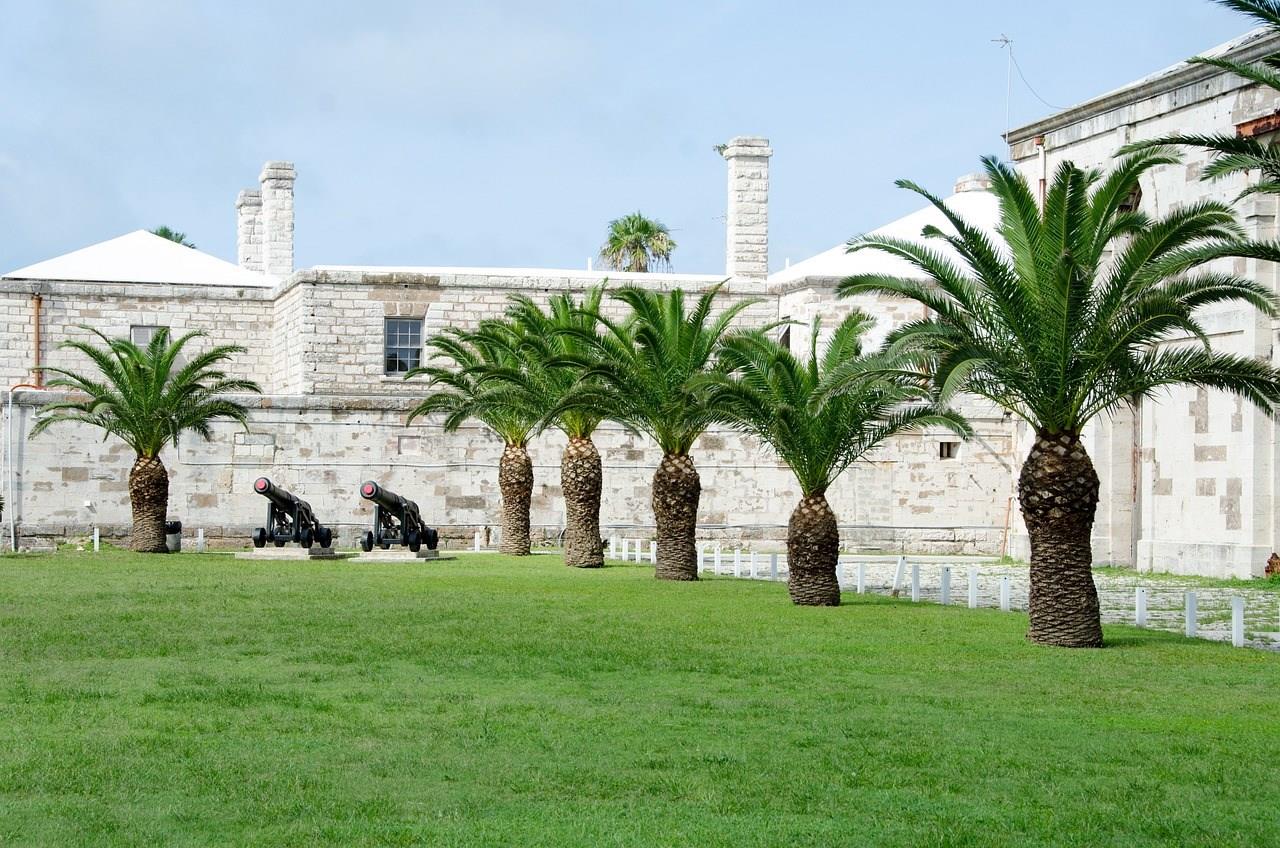
The Royal Naval Dockyard in Bermuda stands as a testament to the island's maritime history and naval heritage. Located at the western tip of Bermuda, this historic site was once a major naval base for the British Royal Navy and is now a thriving hub of culture, history, and tourism. The Dockyard's impressive buildings, including the Commissioner's House and the historic fortifications, offer a glimpse into Bermuda's naval past.
Upolu
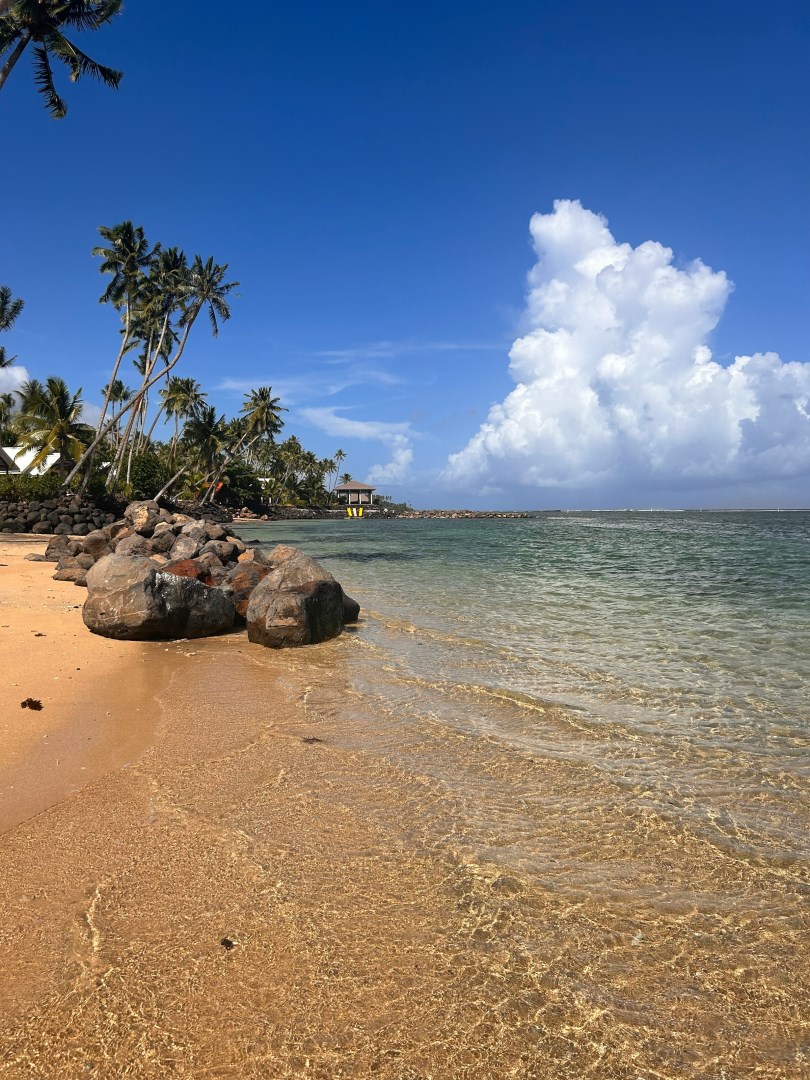
Upolu is the more populated of Samoa’s two main islands and is home to Apia, the country’s capital and principal urban center. The island stretches from volcanic mountains in the interior to a deeply indented coastline of bays, beaches, and coral reefs. Lush vegetation covers much of the landscape, with villages, plantations, and gardens occupying the lower slopes and coastal areas.
Charlestown
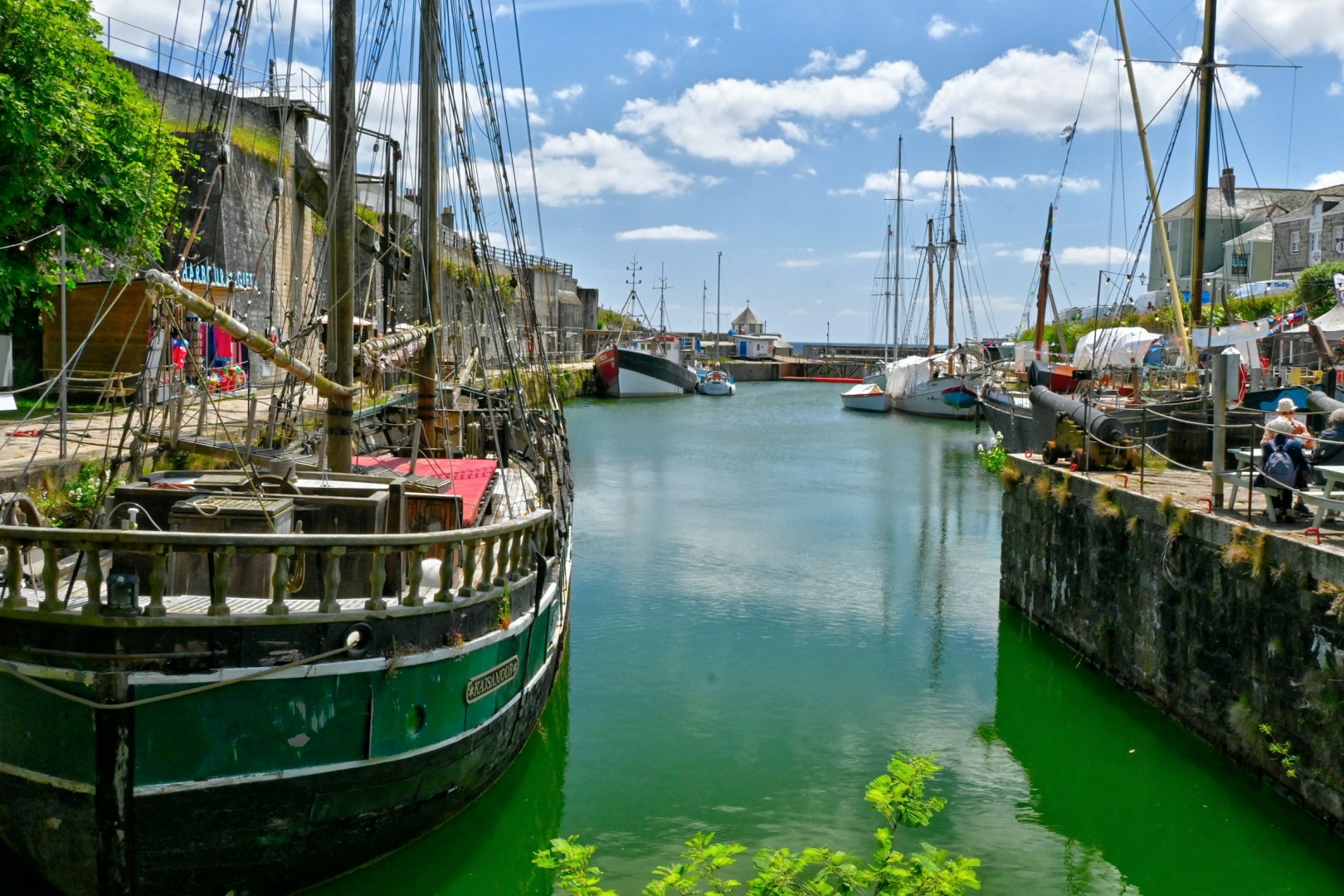
Charlestown is a small historic harbor village on Cornwall’s south coast, near St Austell. Its sheltered harbor is enclosed by stone walls and remains filled with traditional tall ships, giving the village a strong connection with Cornwall’s maritime past. Behind the waterfront are compact rows of stone buildings, narrow lanes, and former industrial structures.
