

Africa
Across Africa, countless treasures wait to be discovered with the continent's unique diversity offering a wealth of experiences for all types of travelers. One of the most captivating regions is East Africa, home to Kenya, Tanzania, Uganda, and Rwanda—countries that serve as gateways to Africa’s most iconic wildlife and landscapes.
Amarante
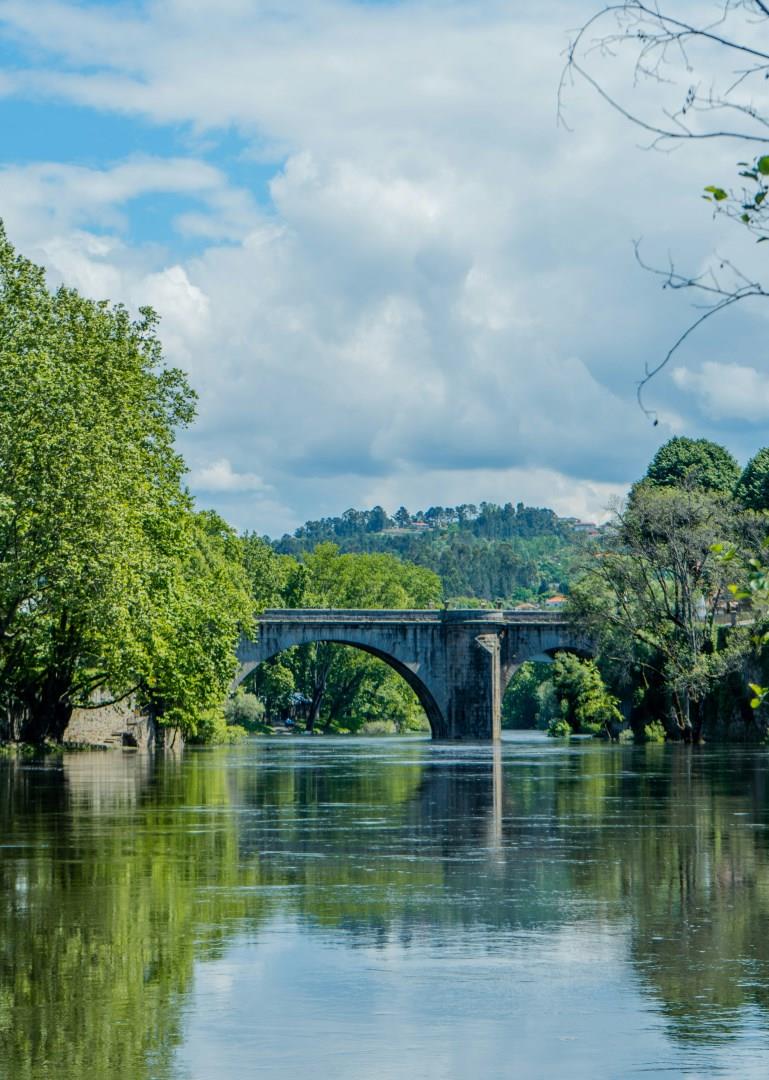
Amarante, located in Portugal’s northern region of Tâmega e Sousa, sits quietly along the banks of the Tâmega River, framed by stone bridges, historic churches, and lush hills. The city is best known for its connection to São Gonçalo, a 13th-century monk whose name now graces the arched bridge and the grand convent-church that stands beside it.
Kota Kinabalu (Borneo)
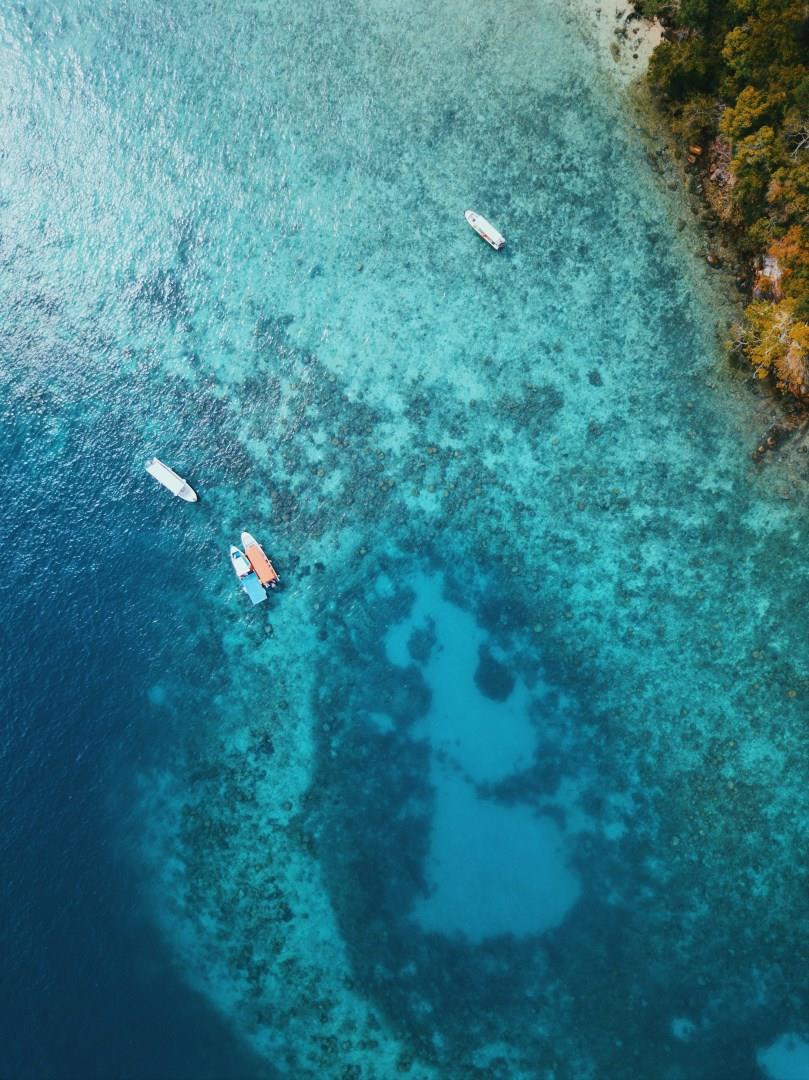
Kota Kinabalu, the capital of Sabah on the island of Borneo, is a vibrant city where modern life meets wild landscapes. Overlooking the South China Sea and backed by lush rainforests and mountains, it serves as both a cultural hub and a gateway to Borneo’s extraordinary biodiversity.
Jacksonville
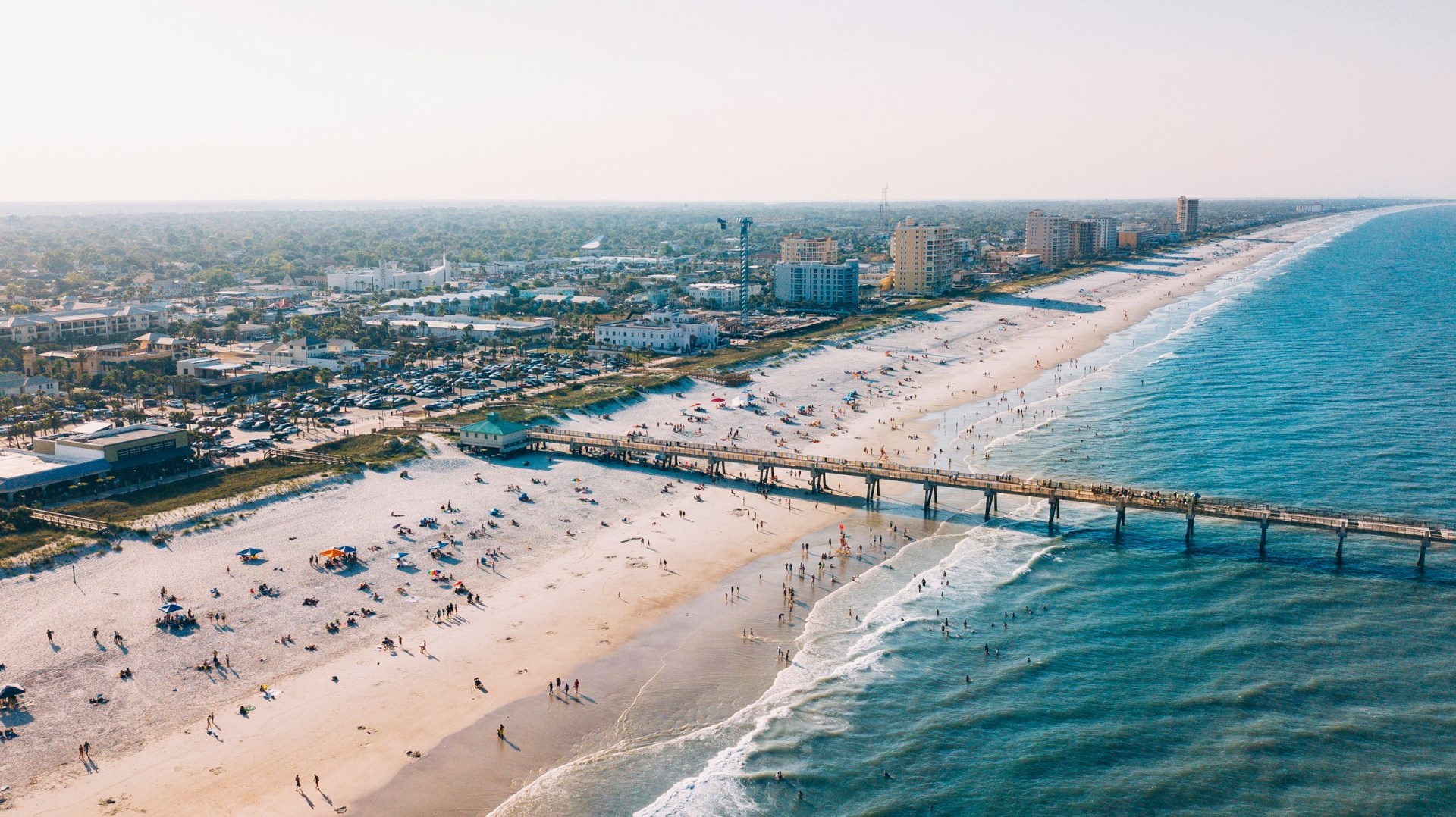
Take a trip to Jacksonville for the stunning beaches along the Atlantic coast, seafood and southern classics of the culinary landscape. Check out Riverside Arts Market, and maybe even the Cummer Museum for a taste of art and history. Kayak through the scenic waterways or catch a Jaguars game to get that adrenaline going. Jacksonville is Florida through and through and is begging for a visit!
Côte d’Ivoire
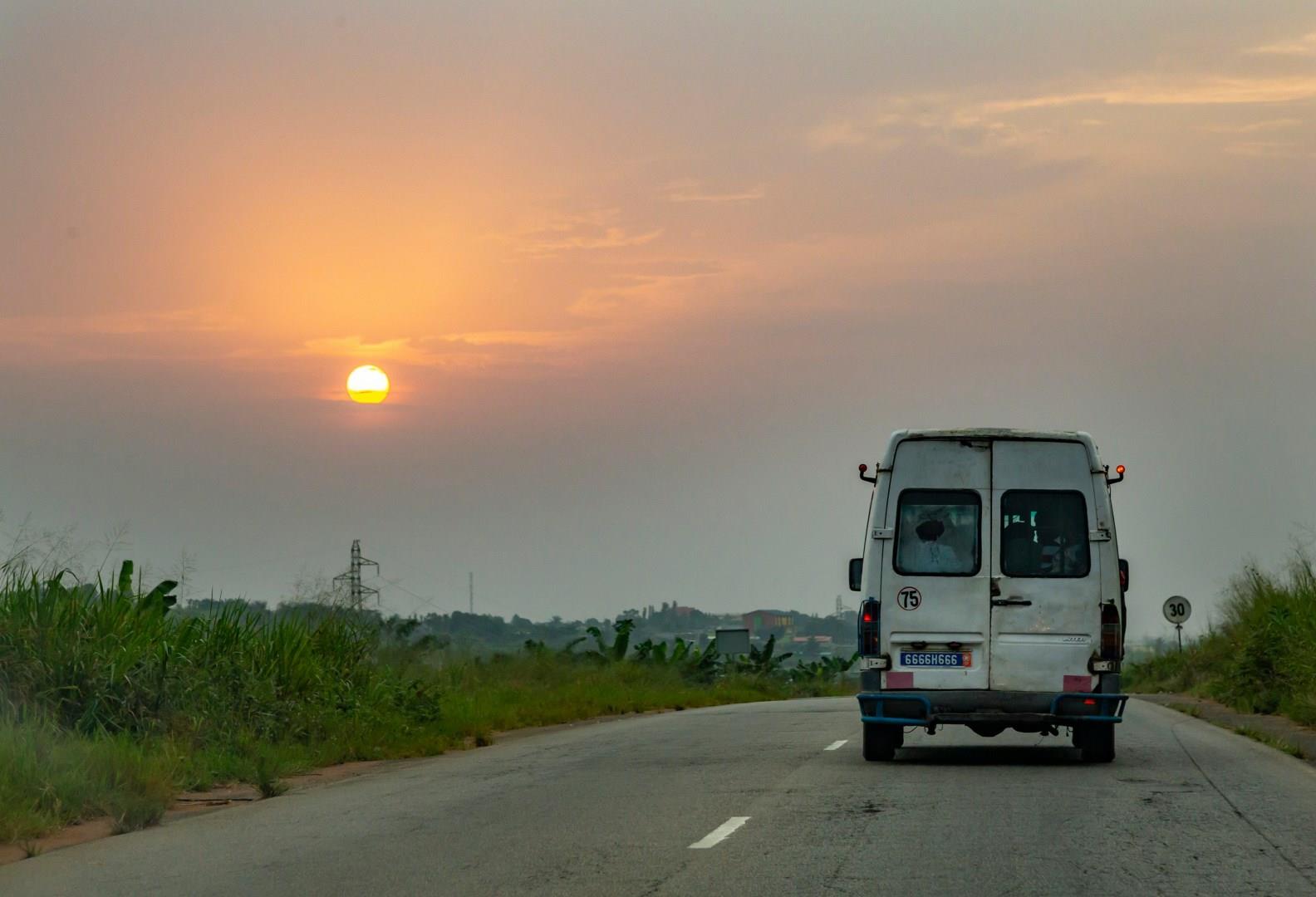
Ivory Coast, or Côte d’Ivoire, is a West African nation celebrated for its cultural diversity, vibrant cities, and scenic landscapes.
