
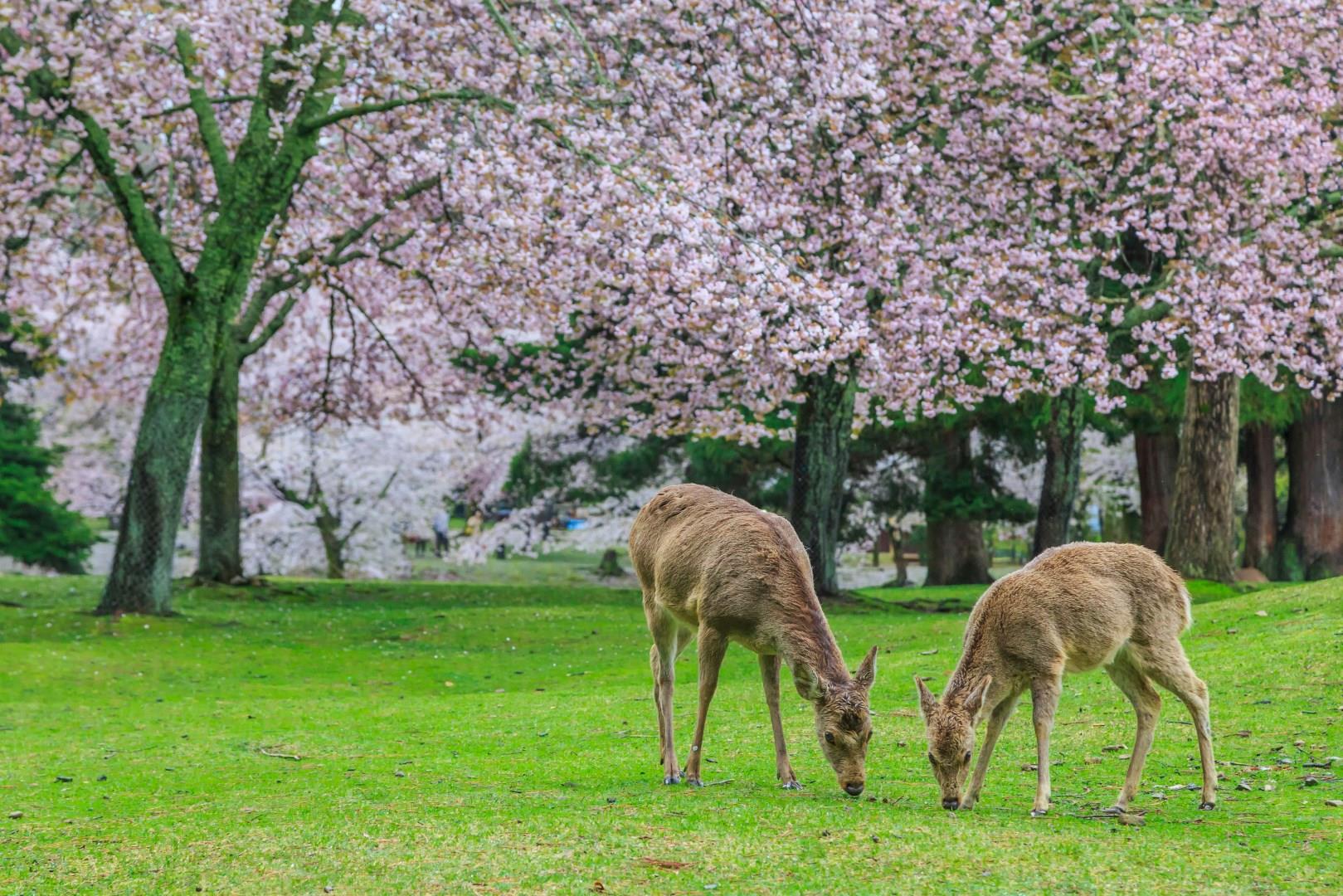
Nara
Nara, located in Japan’s Kansai region, is a city where ancient history and serene landscapes coexist. As the country’s first permanent capital, it preserves a wealth of historic sites that reflect its significance during the Nara period.

Mozambique
Mozambique, stretching along the southeast coast of Africa, is a country celebrated for its long Indian Ocean shoreline, colorful traditions, and layered history. The country’s coastline is among its greatest treasures.

Burkina Faso
Who would have thought, back in the tumultuous coup and counter coup days of the 1970s, that Burkina Faso would become the cultural darling of West Africa? Unlikely as it seems, Burkina Faso has become the Utah of West Africa, hosting a biennial film festival that rivals the Sundance Film Festival for cultural clout. When it's not hosting film festivals, it's busy organizing its other biennial cultural festival.
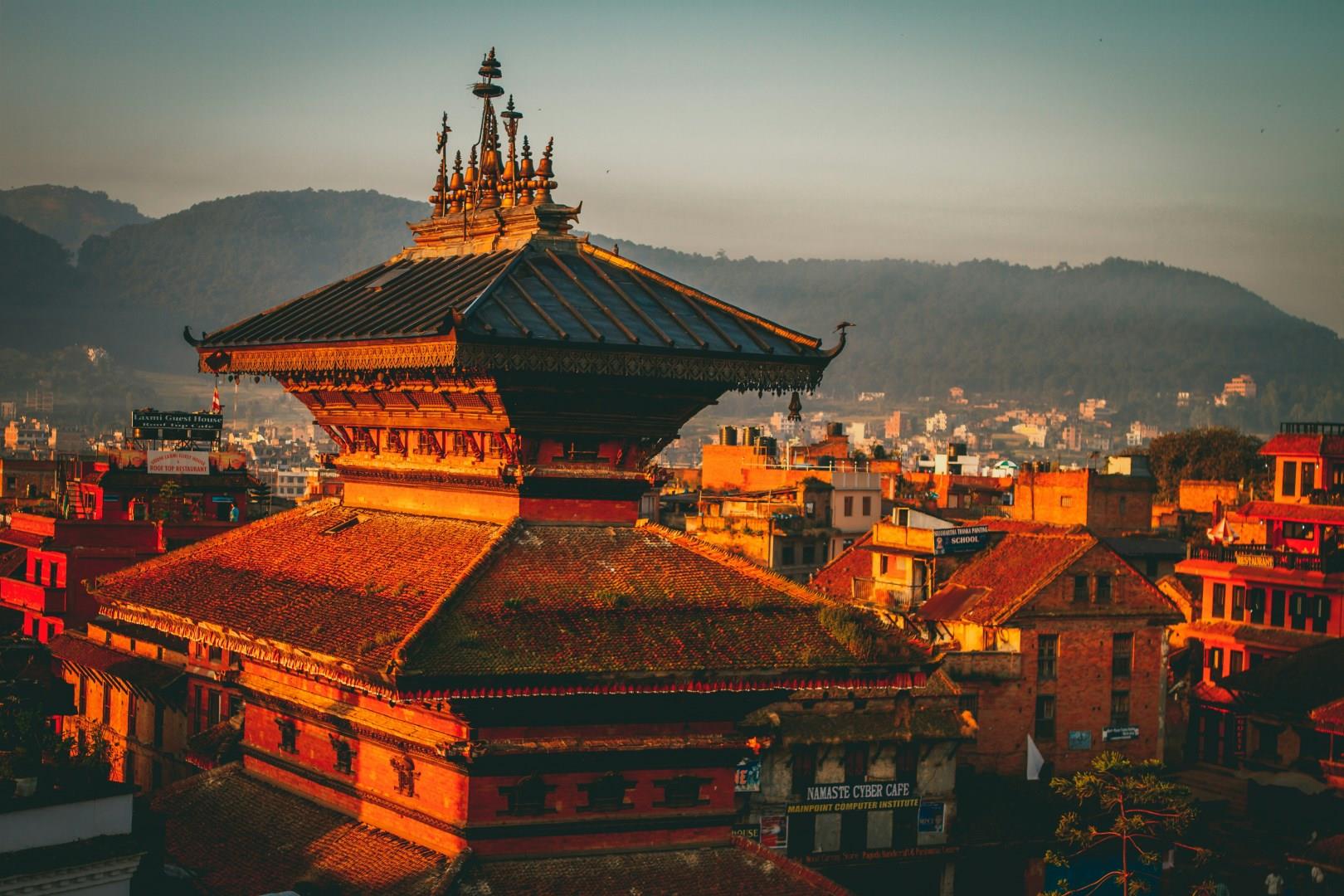
Bhaktapur
Bhaktapur, located just east of Kathmandu in Nepal, is a city where time seems to slow. Famous for its well-preserved medieval architecture, it is often called a “living museum” due to its abundance of temples, palaces, and courtyards.
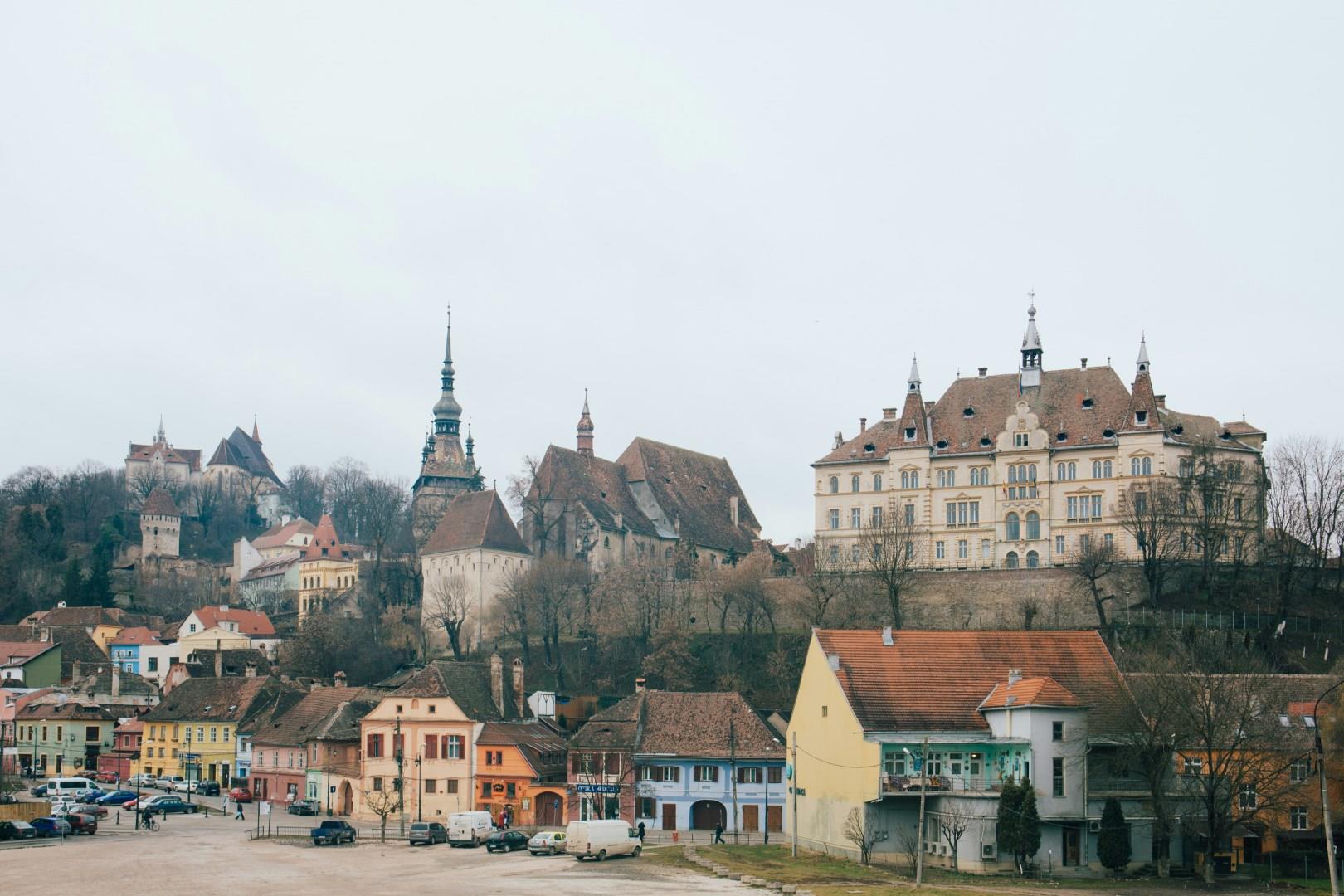
Sighisoara
Sighisoara rises above the Târnava Mare River as one of the few medieval citadels in Europe that is still lived in and admired today. Its historic center has been on the UNESCO World Heritage List since 1999, recognized for its long history as a fortified Saxon settlement and its role in trade and defense on the edges of central Europe. Wander through cobbled alleys framed by pastel-colored houses, and the layers of time feel close at hand, from the city walls and guild towers to busy cafés.
