
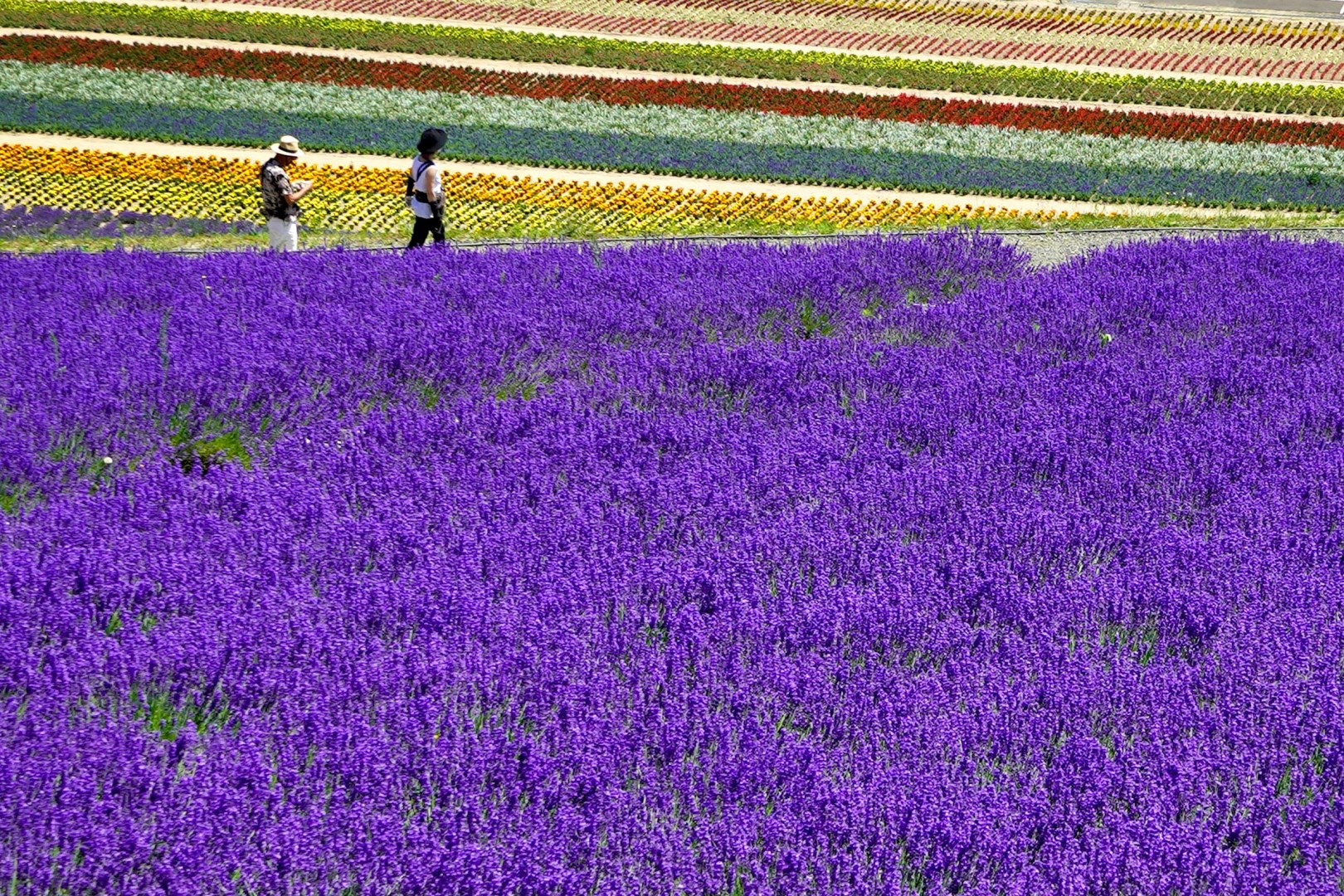
Furano
Furano is a small city in central Hokkaido, surrounded by the Tokachi and Yubari mountain ranges. Its broad basin contains farmland, rolling hills, rivers, and open countryside, while the surrounding mountains provide a distinct backdrop in every season. Furano is particularly associated with fields of lavender and other flowers, but agriculture remains an important part of the local landscape beyond the famous flower farms.
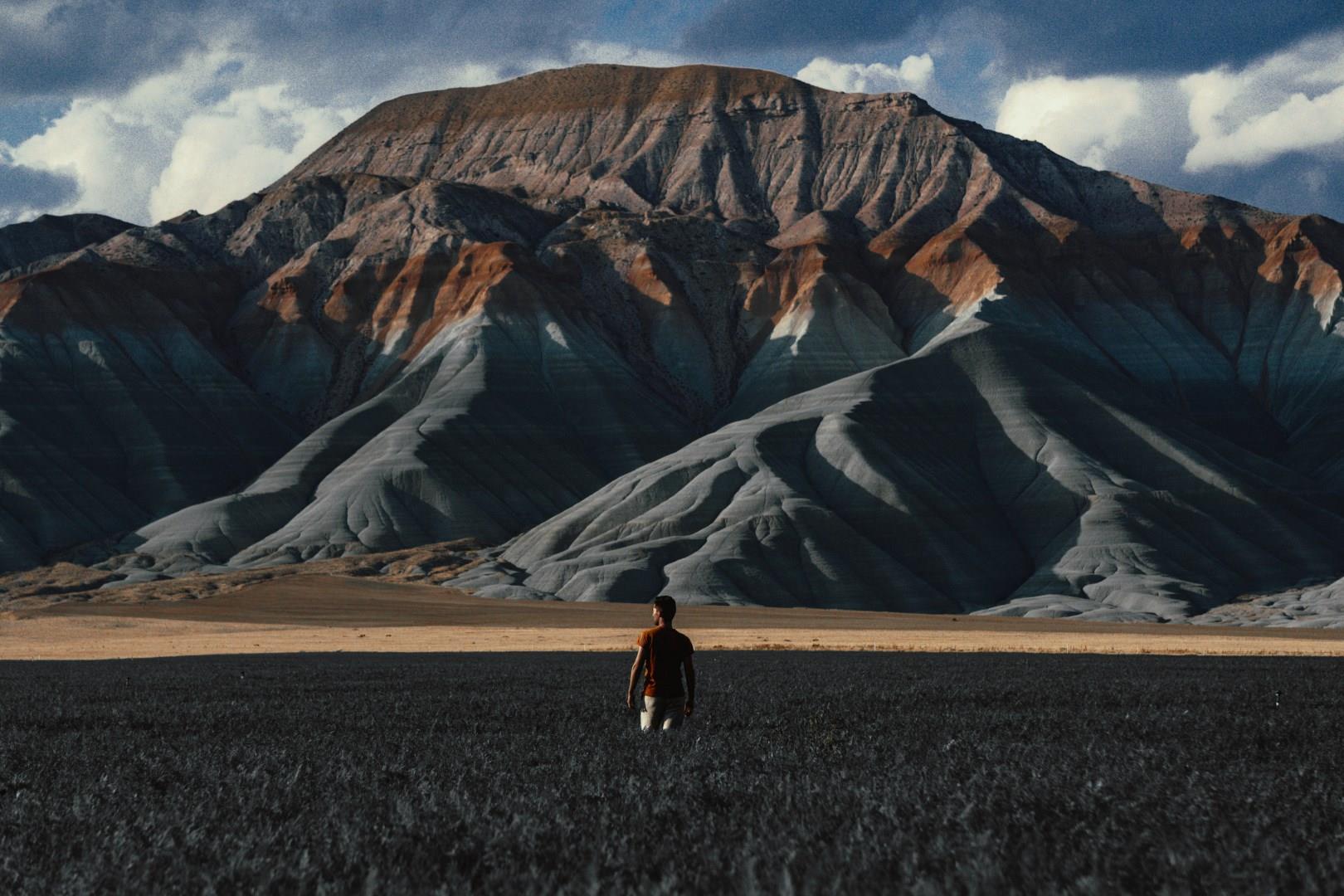
Ankara
Ankara, the capital of Turkey, sits on the Anatolian plateau and reflects the country’s layered history more quietly than Istanbul, yet with equal depth. Once an important settlement for the Hittites, Phrygians, Romans, and Byzantines, Ankara rose to national prominence in the 20th century when Mustafa Kemal Atatürk chose it as the heart of the modern Turkish Republic. Today, it functions as Turkey’s political center while preserving traces of its ancient and Ottoman past.
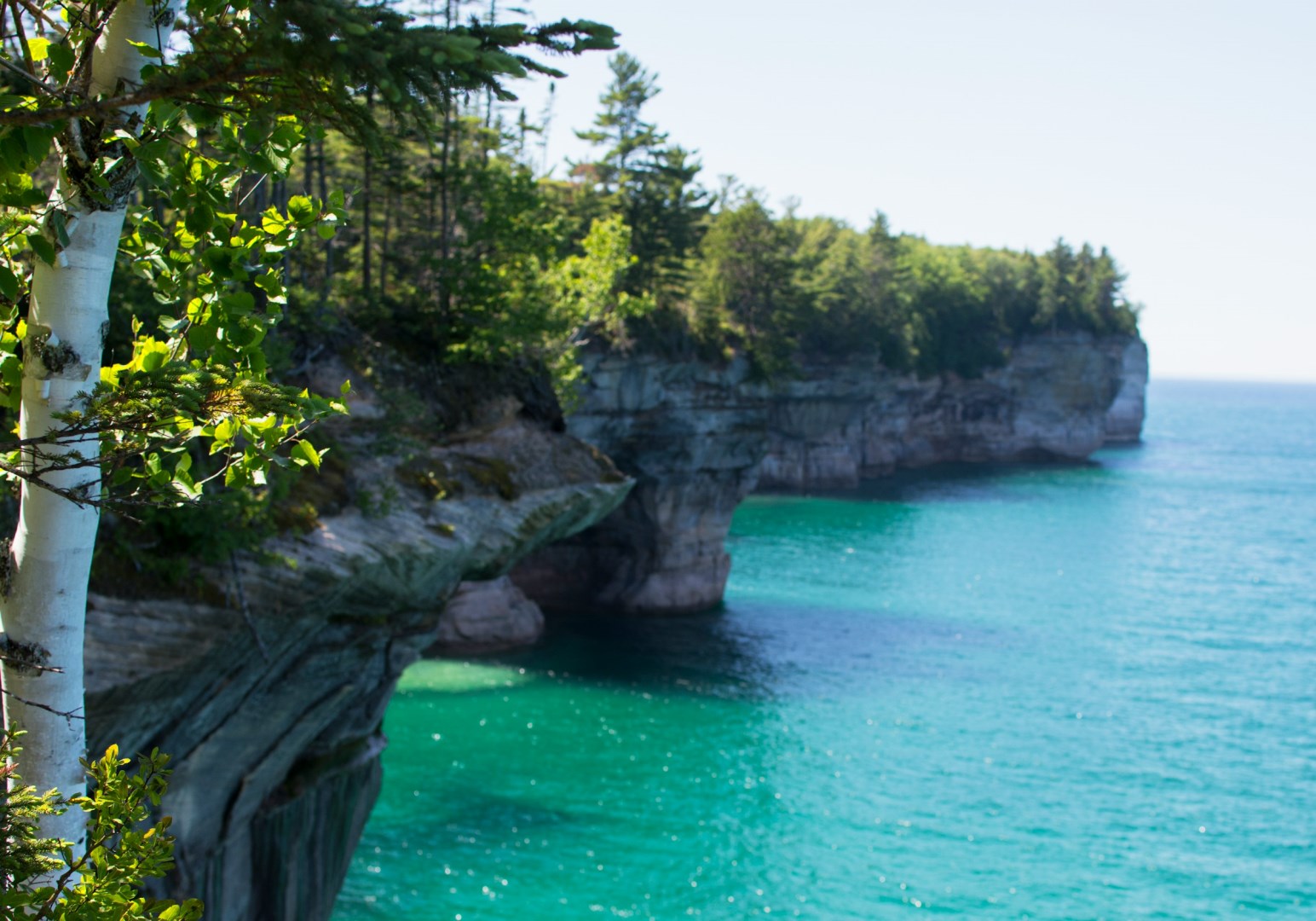
Pictured Rocks National Lakeshore
Pictured Rocks National Lakeshore stretches along more than 40 miles of Lake Superior shoreline in Michigan’s Upper Peninsula, between Munising and Grand Marais. It is known for sandstone cliffs, forested hills, beaches, waterfalls, and clear freshwater coves. The shoreline takes its name from the bands of mineral-stained sandstone visible along the cliffs, where iron, copper, and other minerals create natural patterns in the rock.
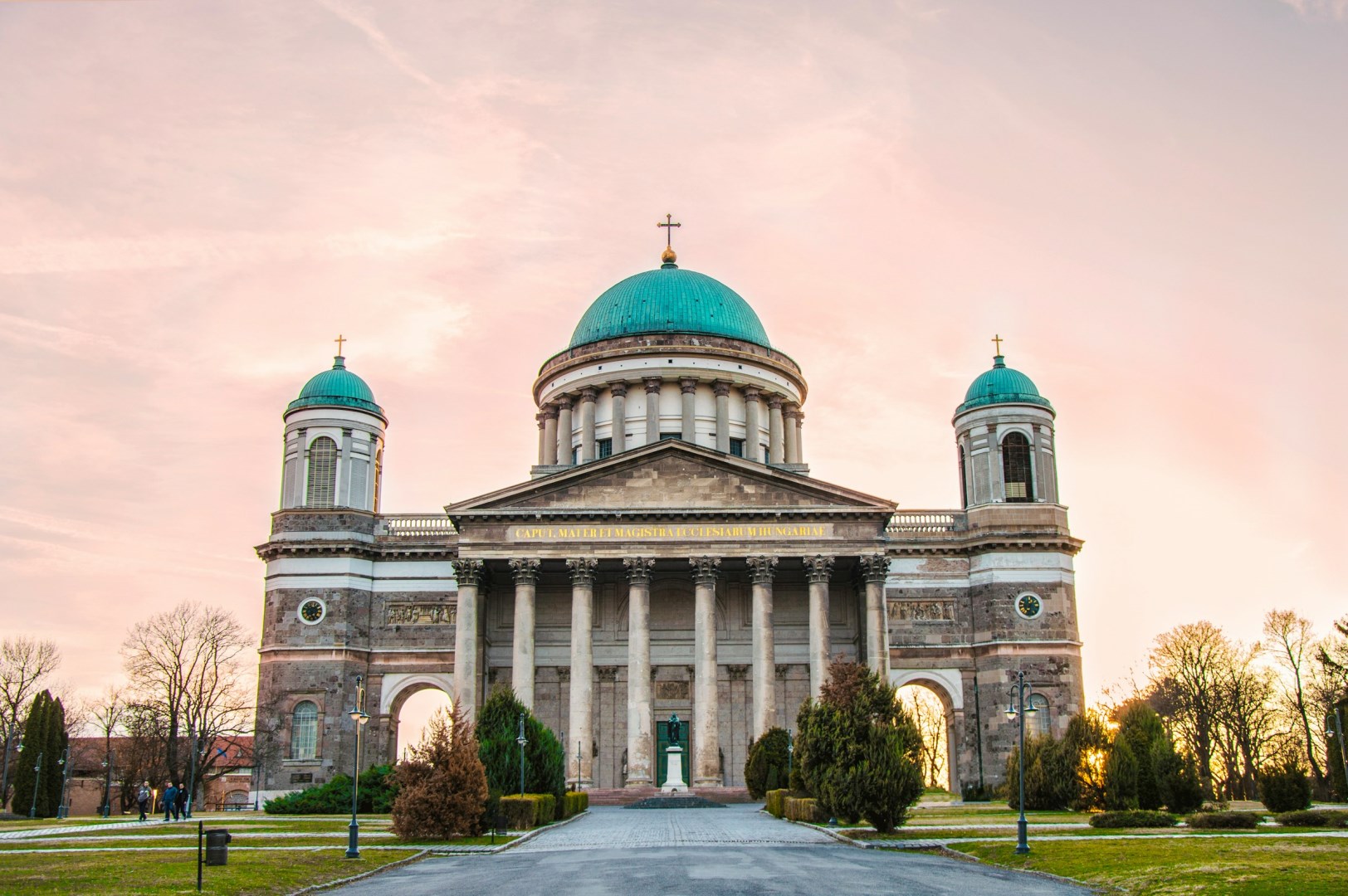
Esztergom
Esztergom is one of Hungary’s oldest and most historically significant towns, located along the Danube River just an hour north of Budapest. It was the country’s royal capital during the Middle Ages and the birthplace of its first king, Saint Stephen. Today, visitors are drawn to the Esztergom Basilica, the largest church in Hungary. Its dome rises over 70 meters high and offers panoramic views of the river, the surrounding hills, and neighboring Slovakia across the Mária Valéria Bridge.
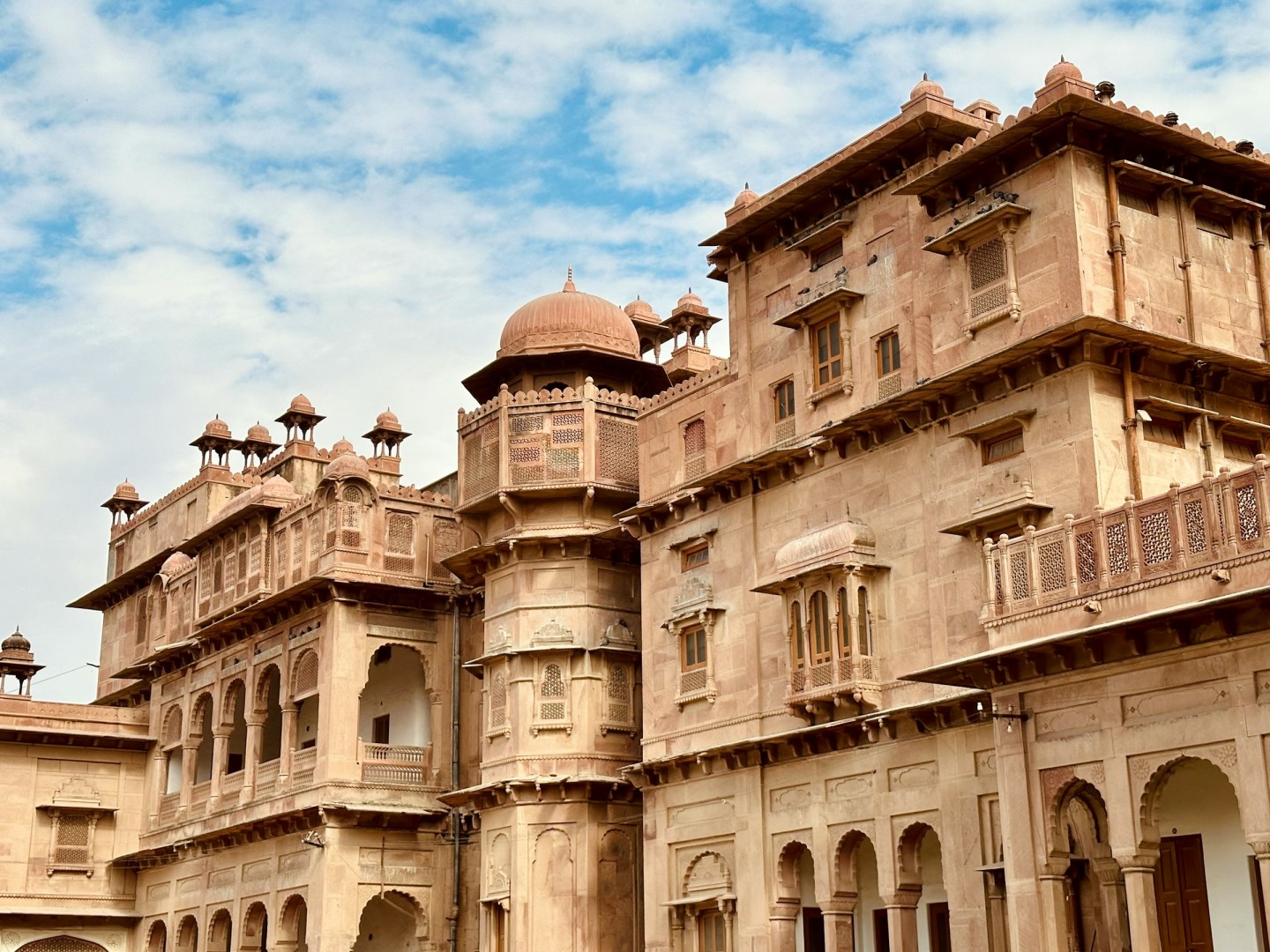
Bikaner
Bikaner is a historic city in Rajasthan, set on the edge of the Thar Desert in northwestern India. Its landscape is characterized by sandy plains, sparse vegetation, and hardy desert crops, while the city itself is known for its fortified walls, ornate havelis, temples, and busy bazaars. Bikaner developed as an important trading center on desert routes, and its architecture reflects the wealth created through commerce. Today, the city remains closely associated with desert culture, camel breedin
