

Europe
Europe is a continent where centuries of history, diverse cultures, and striking landscapes are woven together. From the snowy peaks of the Alps to the sun-soaked shores of the Mediterranean, each region offers its own distinct character and traditions.

Shanghai
Shanghai is a city where contrasting timelines meet at every corner. Once a small fishing village along the Huangpu River, it grew rapidly during the 19th century into a major trading port. Today, its skyline tells a story of that transformation. On one side, the Bund’s colonial-era buildings stand tall in limestone and granite; on the other, the futuristic towers of Pudong, like the Shanghai Tower and Jin Mao, stretch into the clouds.
Tampico
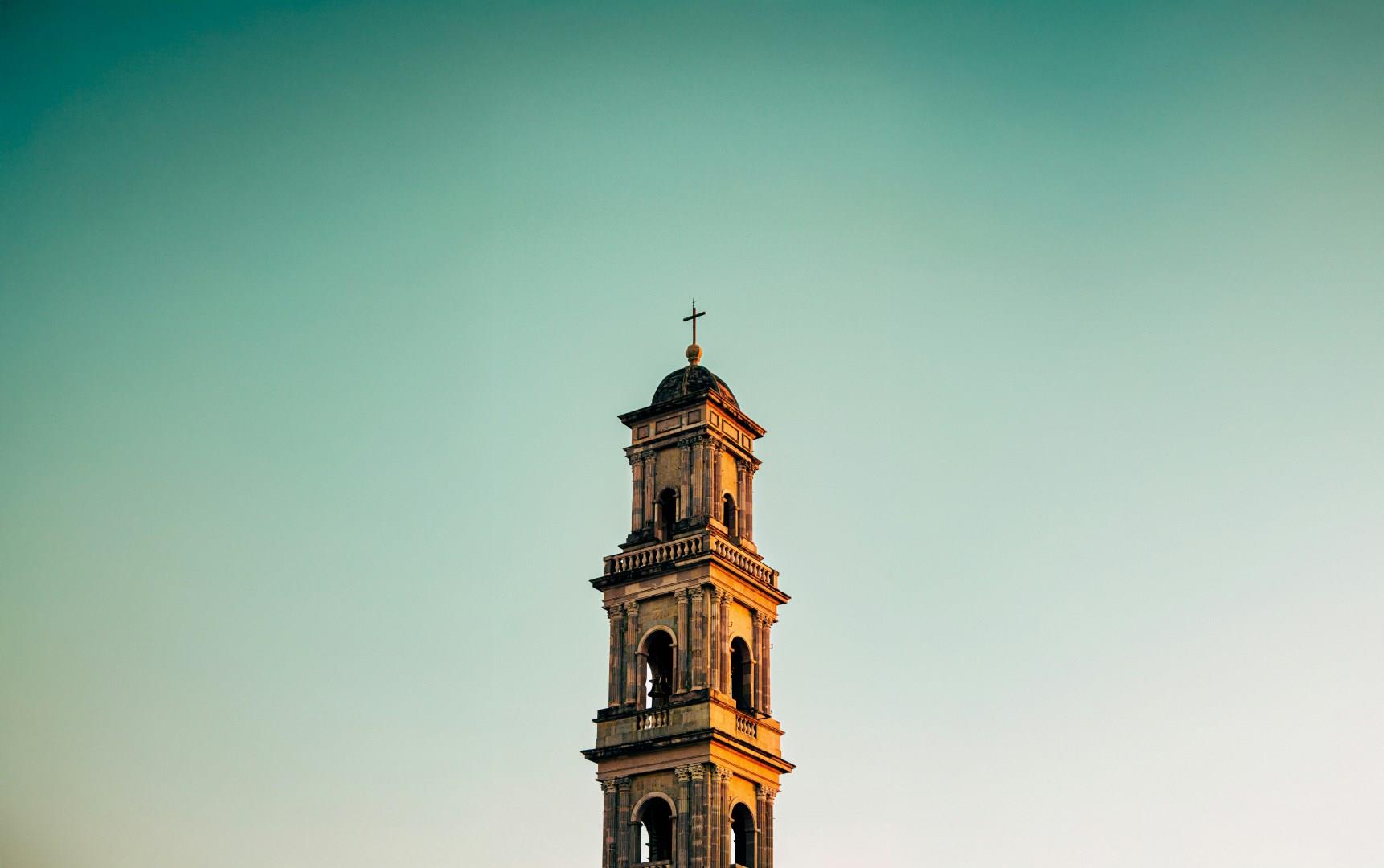
Tampico, located on the Gulf Coast of Tamaulipas, is a port city with a layered history shaped by trade, oil, and immigration. Its downtown district is known for neoclassical buildings, many of which were constructed with imported bricks and ironwork from Europe during the oil boom of the early 20th century. One of Tampico’s most photographed structures is the Mercado Municipal, rebuilt in recent years but still functioning as a central hub for daily life.

Aarhus
Aarhus, Denmark's second-largest city, offers a captivating blend of historical charm and modern vibrancy. Founded in the 8th century, Aarhus boasts a rich history that visitors can explore at the Old Town Museum, an open-air museum that recreates Danish life through the ages with its historical buildings and interactive exhibits. The city's medieval roots are also visible in the well-preserved Aarhus Cathedral.
Alexandria
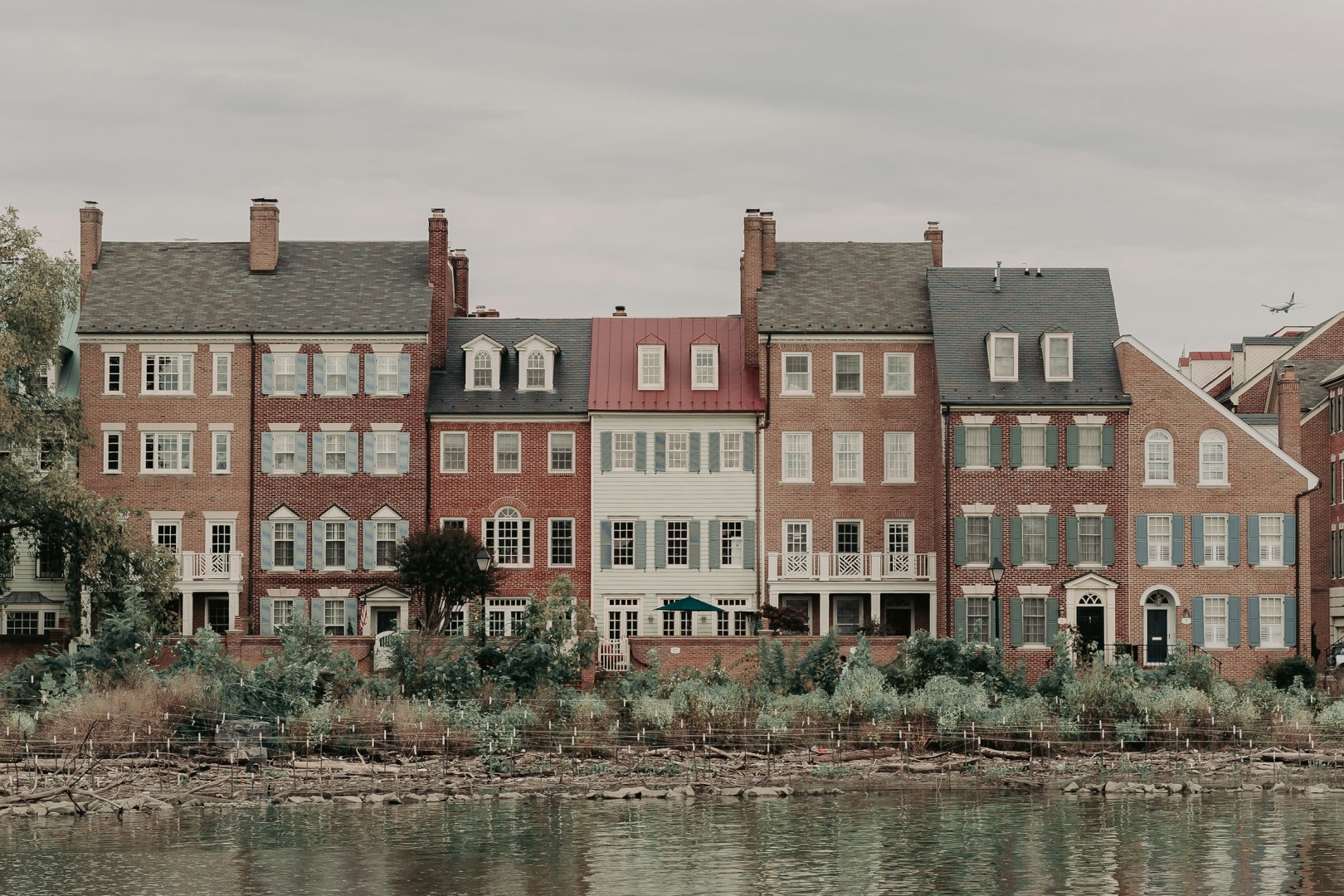
Alexandria is an unique and historic place that keeps pace with the modern world. The City is part of a large metropolitan area surrounding the nation's Capital, yet it has retained its period character. About one-quarter of the town's 15 square miles has been designated as a national or local historic district.
