
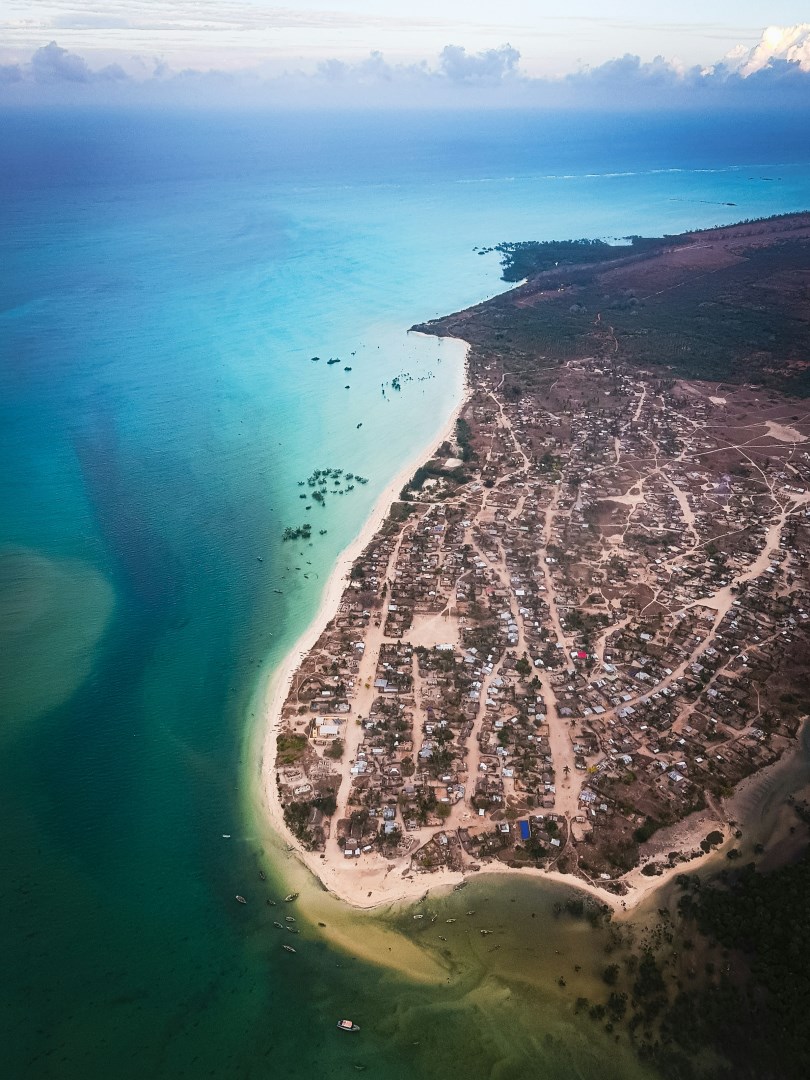
Arimba
Arimba is a coastal village in Cabo Delgado Province in northern Mozambique, situated along the mainland shore near the Quirimbas Archipelago. Its setting combines sandy coastline, coral-rich waters, coconut palms, and low coastal vegetation. The village has traditionally been connected to fishing and small-scale coastal trade, while its position near the Quirimbas has linked it with maritime routes serving communities along northern Mozambique.
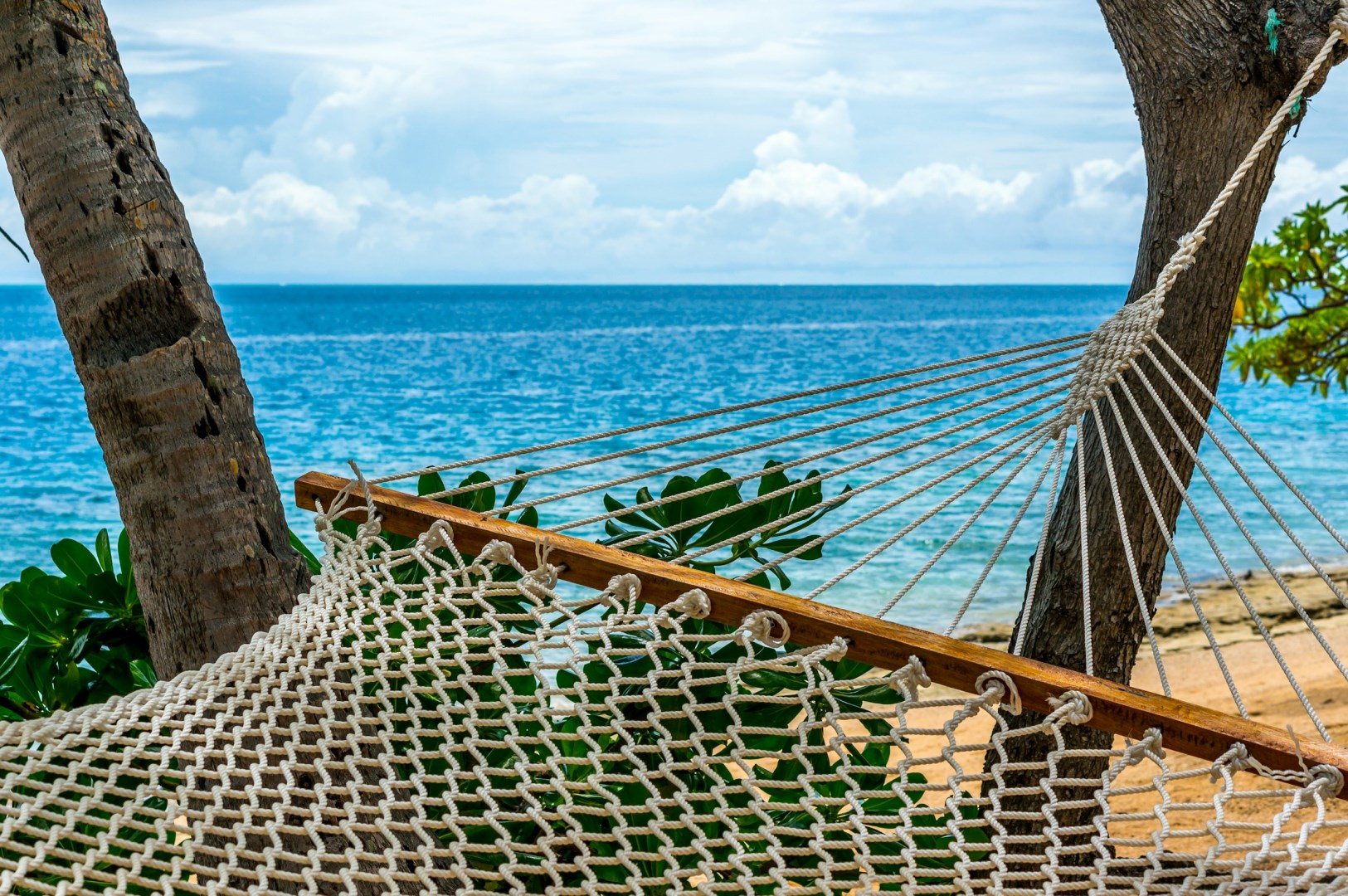
Malolo Island
Set among Fiji’s Mamanuca Islands, Malolo Island combines a lush, hilly interior with palm-fringed beaches, clear lagoons, and coral-rich waters. Visitors can spend their days swimming, snorkelling, kayaking, or sailing before settling into the island’s unhurried pace.

French Polynesia
An enchanting paradise in the heart of the South Pacific, French Polynesia is made up of over 100 islands known for their crystal-clear lagoons, lush mountains, and vibrant coral reefs. The islands’ warm, tropical climate combined with its stunning landscapes, from towering waterfalls to dramatic volcanic peaks, invite travelers to step into a world of natural wonder and beauty.
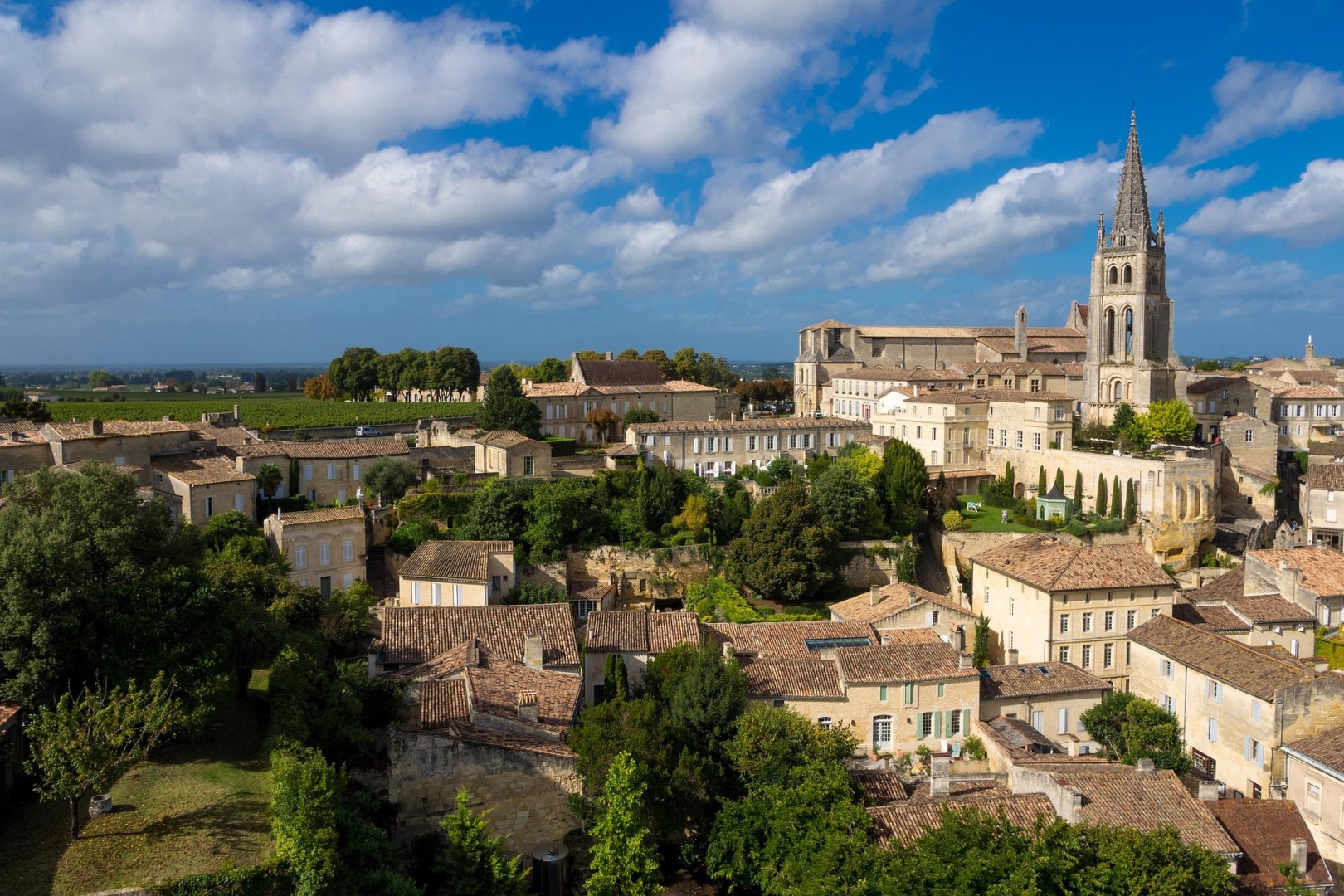
Saint-Émilion
Saint-Émilion, nestled in the heart of southwest France, is a living monument to centuries of craftsmanship, faith, and wine-making. Recognized as a UNESCO World Heritage Site since 1999, this medieval town sits on a limestone plateau surrounded by vineyards that date back to Roman times. Visitors can explore cobbled streets that wind past centuries-old stone houses, descend into underground catacombs carved by monks, and visit the astonishing Monolithic Church.

Namib Desert
The Namib Desert, one of the world’s oldest deserts, stretches along the western coast of Namibia, offering a landscape of stunning, otherworldly beauty. The name “Namib” means "vast place," and fittingly so, as this desert spans over 2,000 kilometers and includes some of the tallest sand dunes on Earth, such as those found in Sossusvlei.
