
Paraty
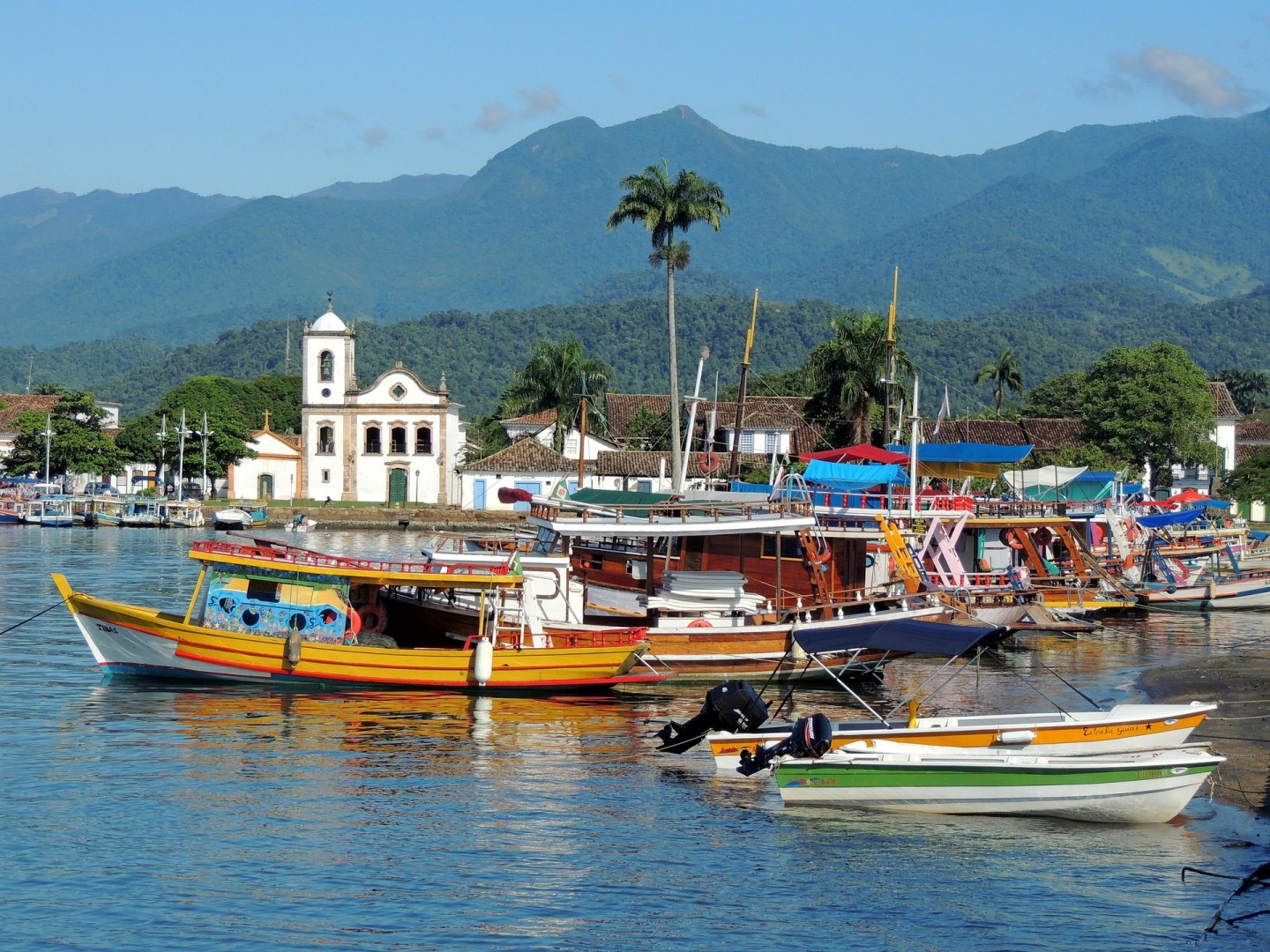
Paraty is a charming coastal town in Brazil’s Rio de Janeiro state, known for its colonial architecture, cobbled streets, and artistic heritage.
The Gambia
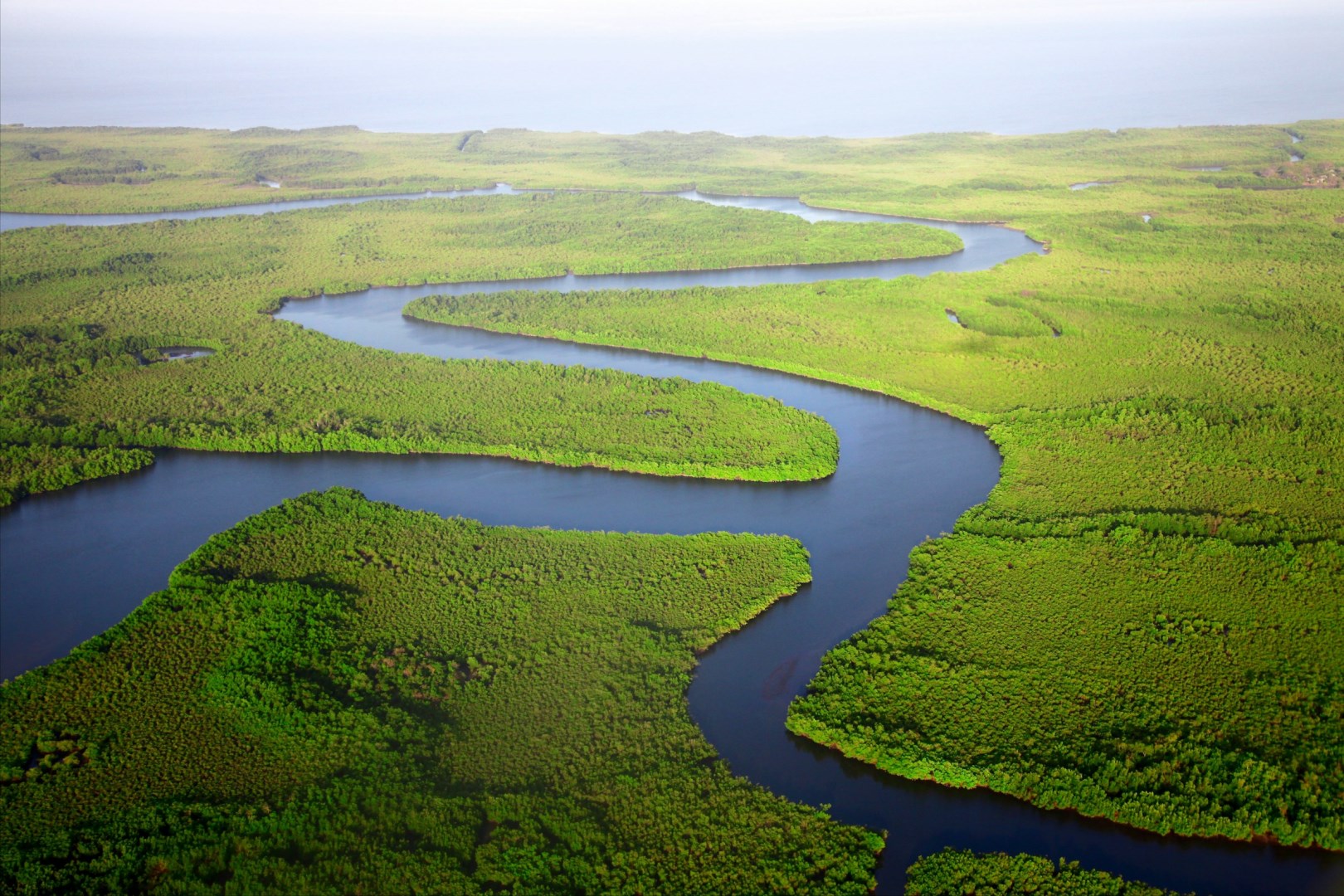
The Gambia is a small West African country known for its rich culture, scenic river landscapes, and warm, welcoming communities. The country is centered around the Gambia River, which flows through the nation and supports agriculture, fishing, and river-based tourism.
Abu Simbel
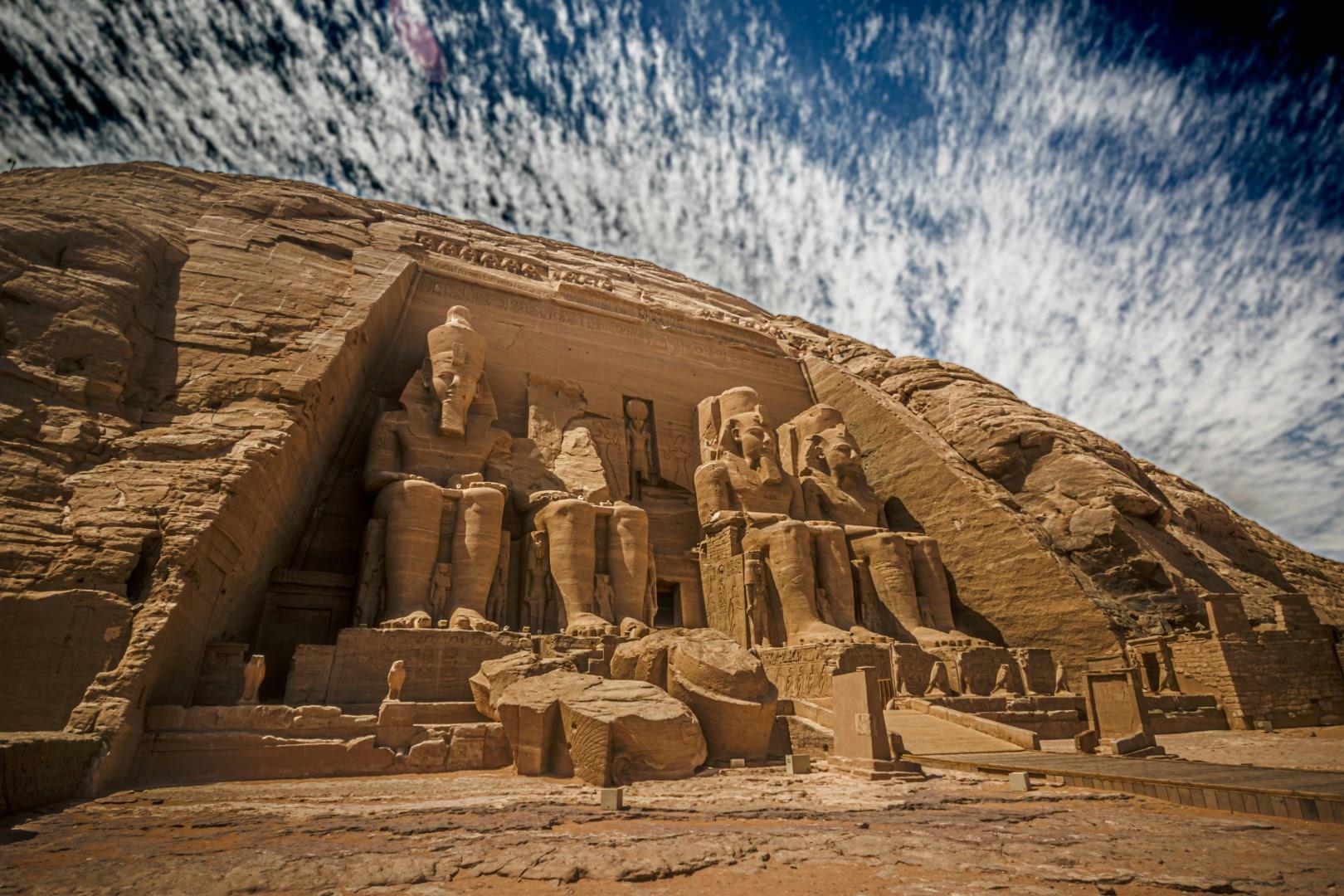
Abu Simbel, in southern Egypt near the border with Sudan, is one of the most awe-inspiring archaeological sites of the ancient world. Built during the reign of Pharaoh Ramses II in the 13th century BCE, the twin temples were carved directly into the sandstone cliffs overlooking the Nile. The Great Temple, with its four colossal statues of Ramses II seated at the entrance, was designed not only to honor the pharaoh but also to project his power to neighboring Nubia.
Nepal
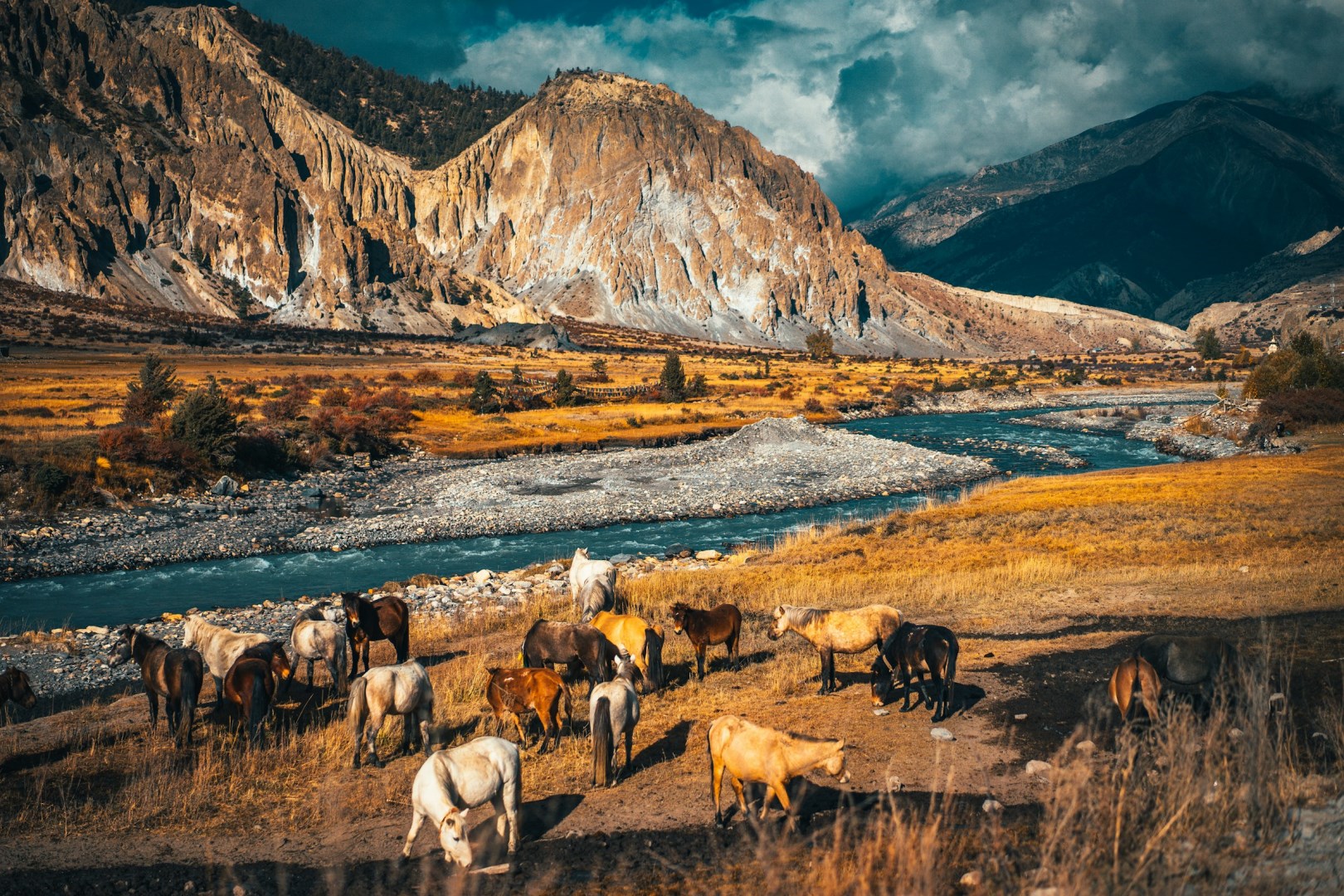
Nepal, nestled in the heart of the Himalayas, is a land of dramatic landscapes, rich traditions, and spiritual depth. Known as the gateway to the world’s tallest peaks, including Mount Everest, it offers both breathtaking natural beauty and profound cultural heritage.
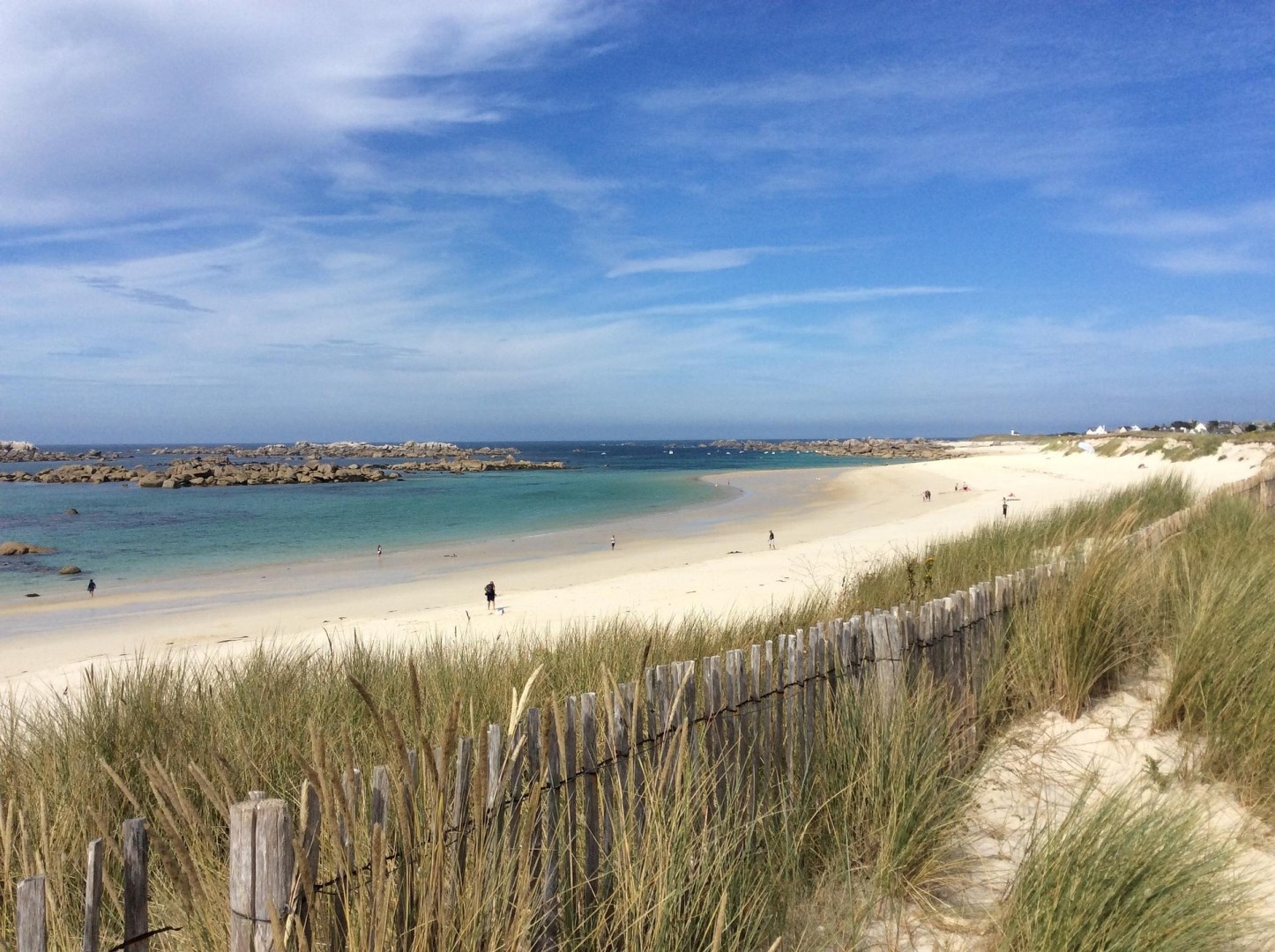
Brittany
Brittany is a region in northwestern France defined by a long Atlantic coastline, historic towns, fishing ports, farmland, and a strong regional identity. Its landscape ranges from sandy beaches and rocky headlands to tidal estuaries, islands, and inland forests. Cities such as Rennes, Saint-Malo, and Vannes provide different perspectives on Breton life, while smaller places such as Dinan, Locronan, and Rochefort-en-Terre preserve traditional architecture.
