

Montréal
Montréal is a city shaped by layers of French and British history, with modern flair built into every corner. Founded in 1642 as Ville-Marie, it’s one of the oldest cities in North America. Visitors walking through Old Montréal will find cobblestone streets, 18th-century buildings, and landmarks like the Notre-Dame Basilica, known for its deep blue interior and grand organ with over 7,000 pipes.
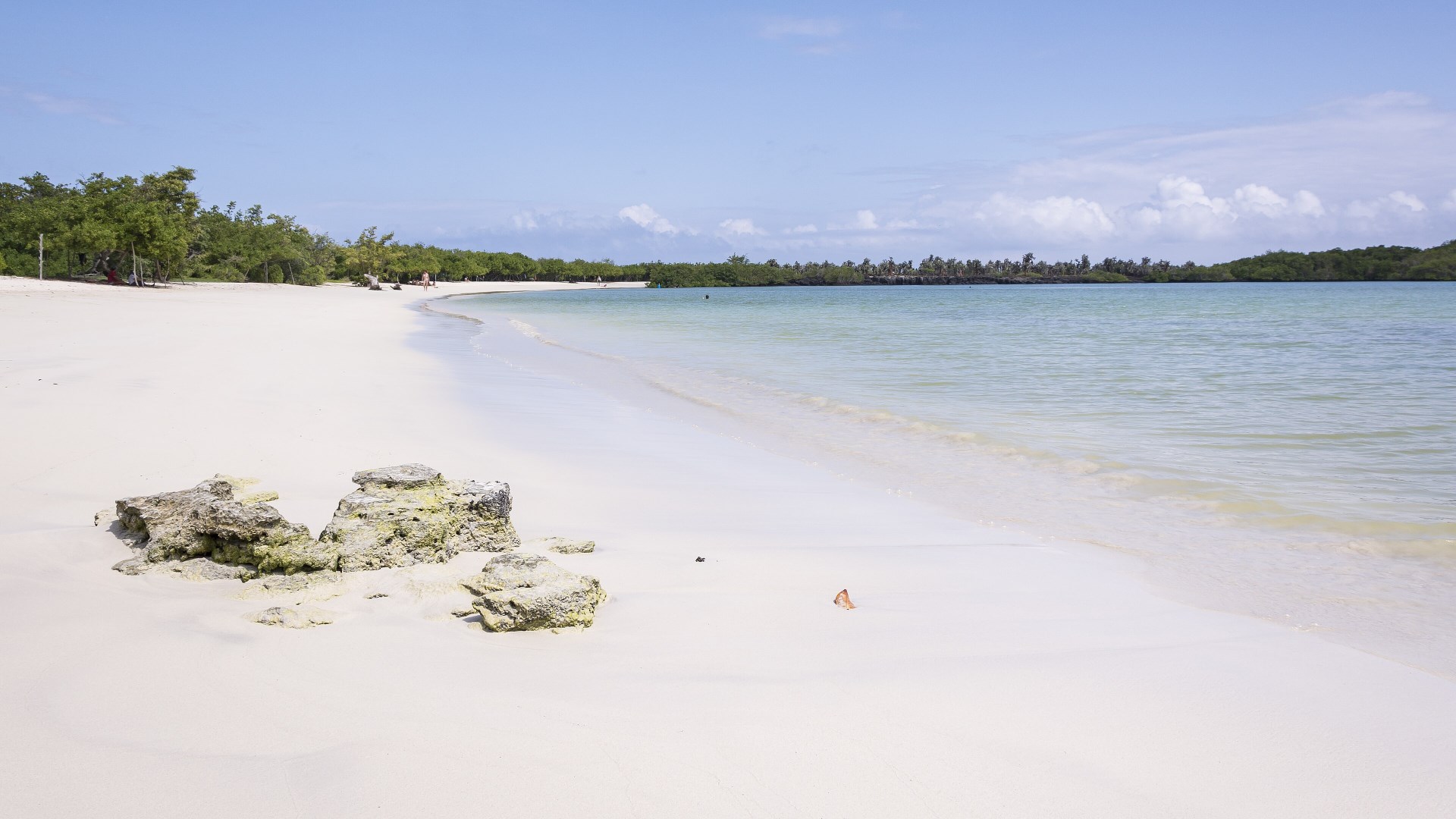
Santa Cruz Island
Santa Cruz Island is the beating heart of the Galápagos and is home to the largest town in the archipelago, Puerto Ayora, and a key access point for travelers exploring this unique region. But beyond its small port and shops, the island reveals a surprising range of ecosystems, from black lava shores to lush highlands where giant tortoises roam freely.
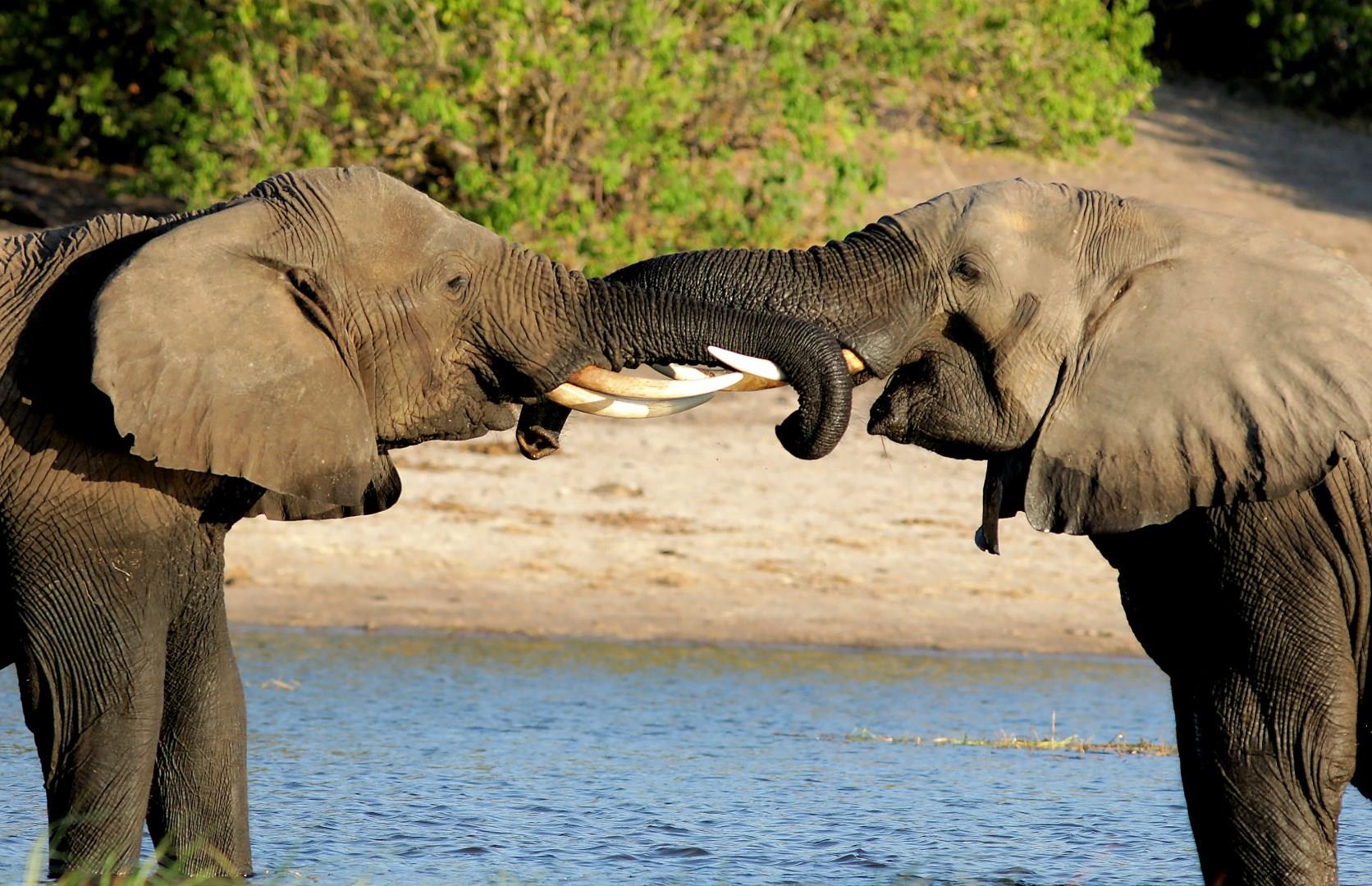
Kasane
Kasane sits at Botswana’s northeastern edge, where the Chobe River meets the borders of Namibia, Zambia, and Zimbabwe. Its development is closely tied to river transport, regional trade, and wildlife management.

Hilo, Hawaii
Hilo, the charming and laid-back gateway to Hawaii’s Big Island, offers an authentic Hawaiian experience steeped in natural beauty, history, and culture. As the largest town on the east side of the island, Hilo sits at the foot of two majestic volcanoes: Mauna Loa, the world's largest volcano, and Mauna Kea, a dormant volcano that hosts some of the world's most advanced astronomical observatories.
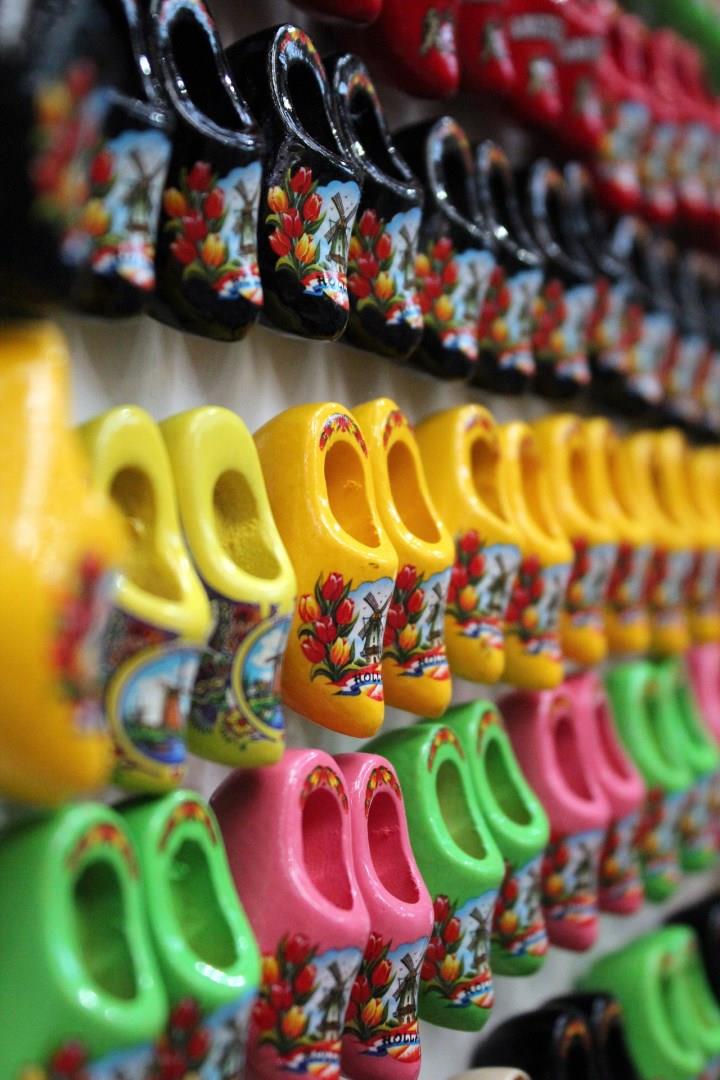
Netherlands
The Netherlands offers travelers a landscape where innovation and tradition intersect. In cities like Amsterdam, visitors can explore centuries-old canal networks and Golden Age architecture while also encountering contemporary art installations and sustainable urban design. The Rijksmuseum houses masterpieces by Rembrandt and Vermeer, while a short walk away, the Van Gogh Museum brings visitors closer to one of history’s most studied painters.
