
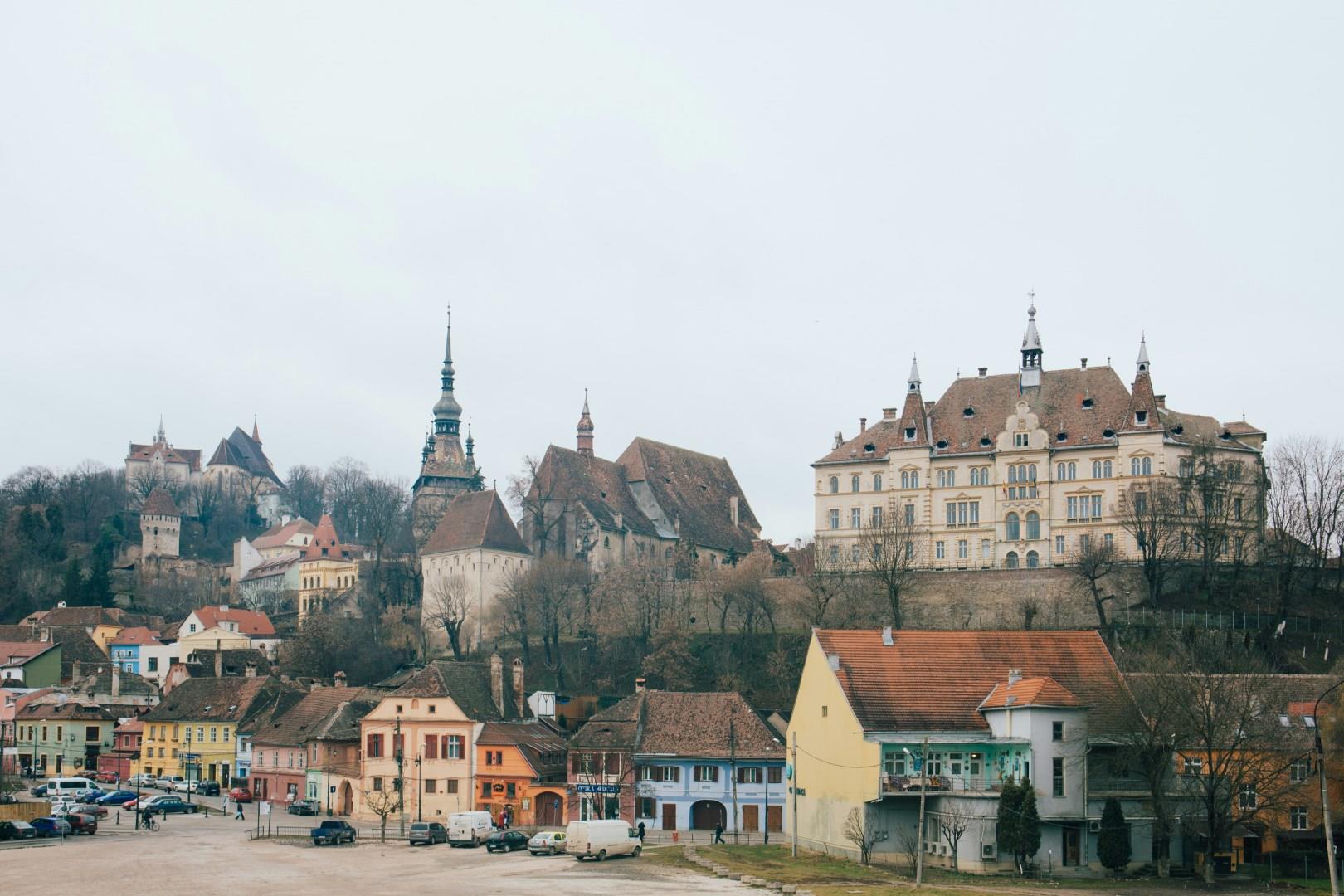
Sighisoara
Sighisoara rises above the Târnava Mare River as one of the few medieval citadels in Europe that is still lived in and admired today. Its historic center has been on the UNESCO World Heritage List since 1999, recognized for its long history as a fortified Saxon settlement and its role in trade and defense on the edges of central Europe. Wander through cobbled alleys framed by pastel-colored houses, and the layers of time feel close at hand, from the city walls and guild towers to busy cafés.
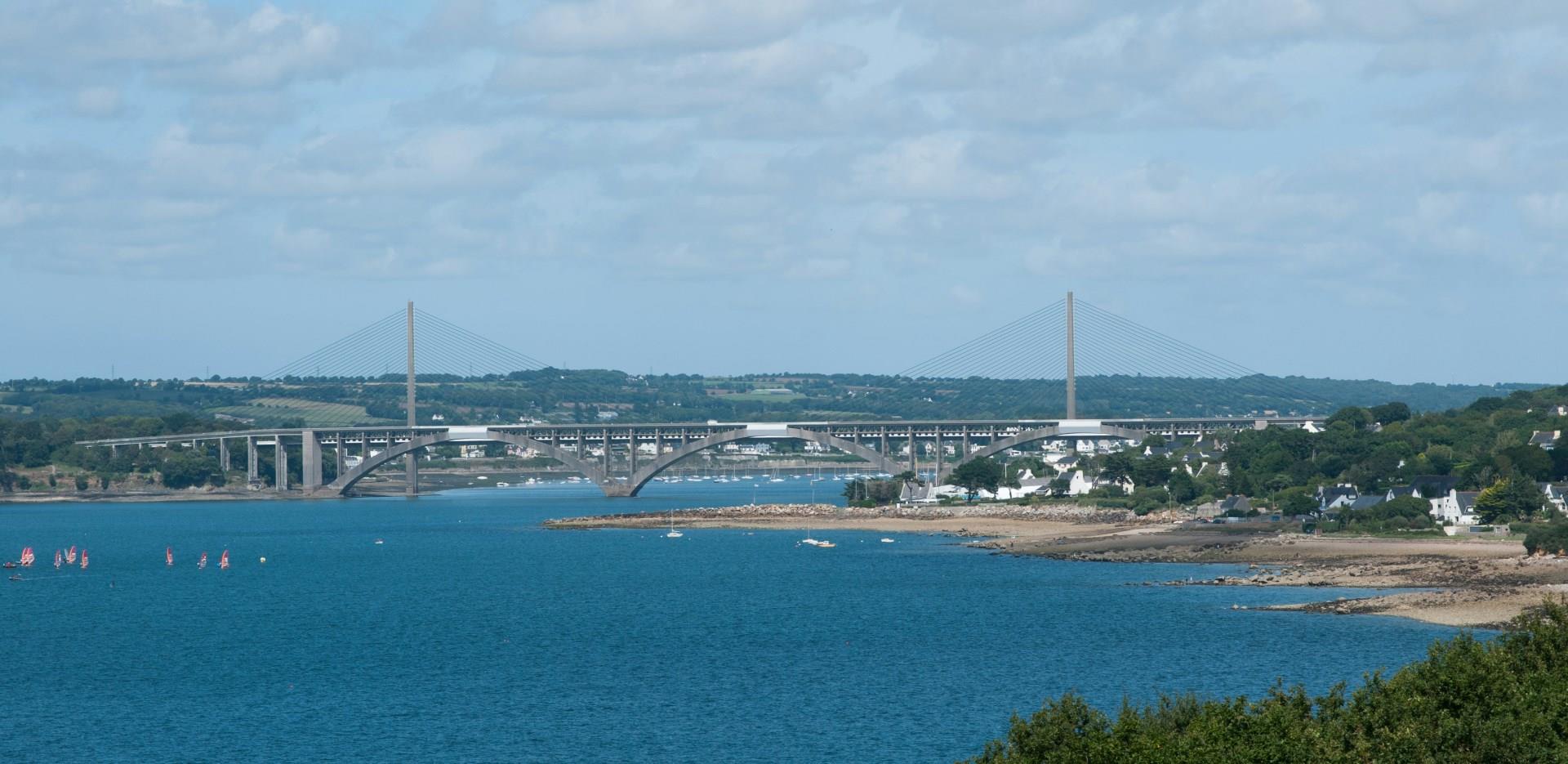
Brest
Brest sits at the western edge of Brittany, facing the Atlantic and shaped by its role as a strategic naval port. Much of the city was rebuilt after World War II, giving it a modern layout that contrasts with older Breton towns, yet its history remains closely tied to the sea.

France
France offers far more than its capital city. While Paris draws millions each year, the country’s true richness lies in its variety, from Alpine villages to Atlantic coastlines, medieval towns to Mediterranean markets. In Normandy, visitors can walk along the D-Day beaches or explore the towering abbey of Mont-Saint-Michel, which becomes an island at high tide. Further inland, the Loire Valley is dotted with over 300 castles, many of which are open for tours and even overnight stays.

Martha’s Vineyard
Martha’s Vineyard, located just seven miles off the coast of Cape Cod, feels like a world apart. This island has long attracted artists, presidents, and vacationers seeking something quieter than the mainland. With six distinct towns, each with its own style, visitors can explore everything from the stately streets of Edgartown, once a prosperous whaling port, to the laid-back vibe of Chilmark, where stone walls and sheep pastures stretch to the sea.

Chiang Rai
Chiang Rai, in northern Thailand near the borders with Laos and Myanmar, is a city where history, art, and tranquil landscapes converge. Founded in the 13th century as the first capital of the Lanna Kingdom, it retains a strong sense of heritage while also serving as a hub for contemporary Thai creativity.
