
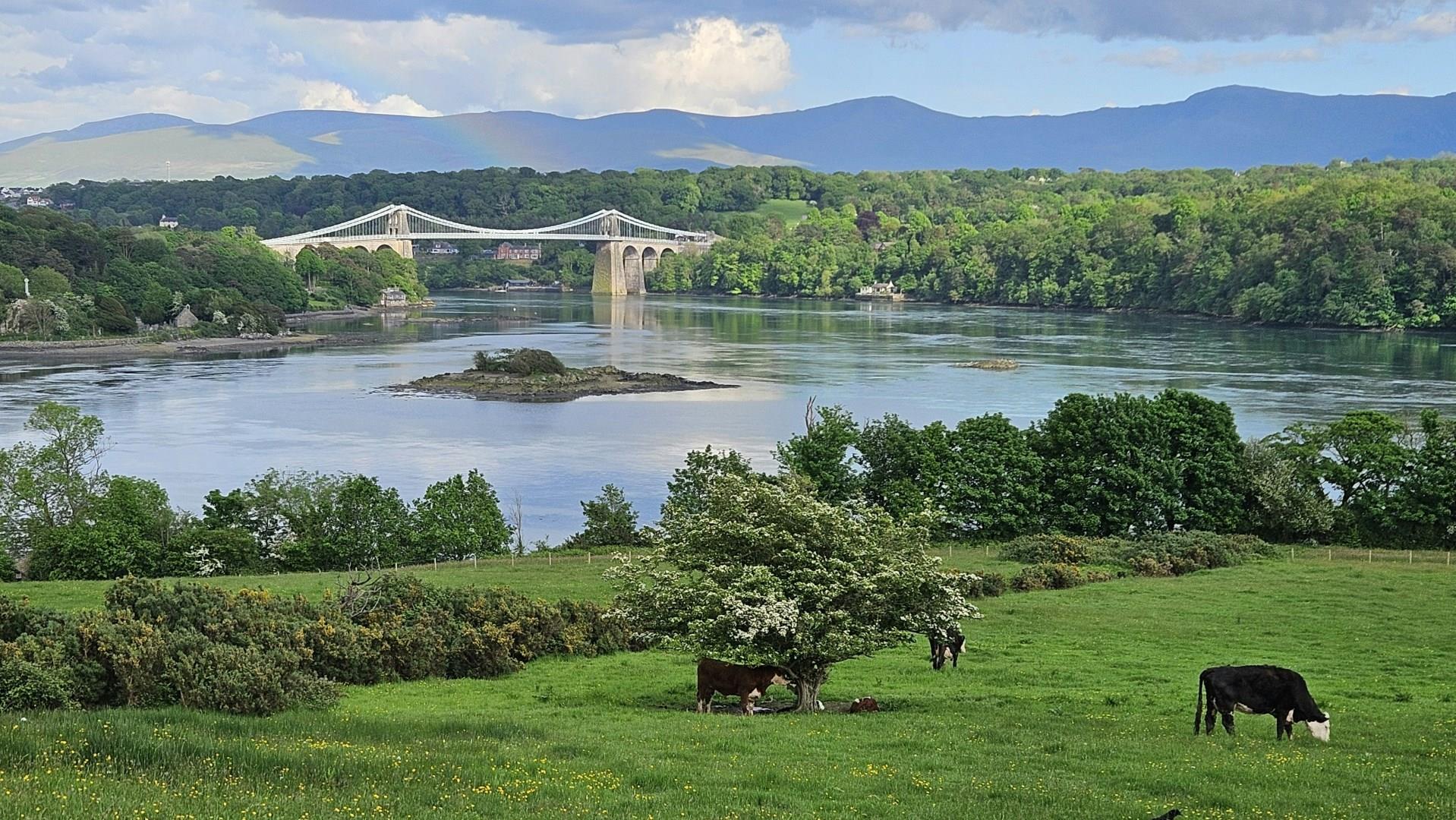
Anglesey
Anglesey is an island off the northwest coast of Wales with a history that stretches back thousands of years. Fertile lands and strategic coastal position made it an early center for agriculture, livestock, and maritime trade.

Nairobi
Nairobi, the capital of Kenya, is a vibrant city where modern energy meets untamed nature. Known as the “Green City in the Sun,” it blends bustling urban life with remarkable wildlife experiences.
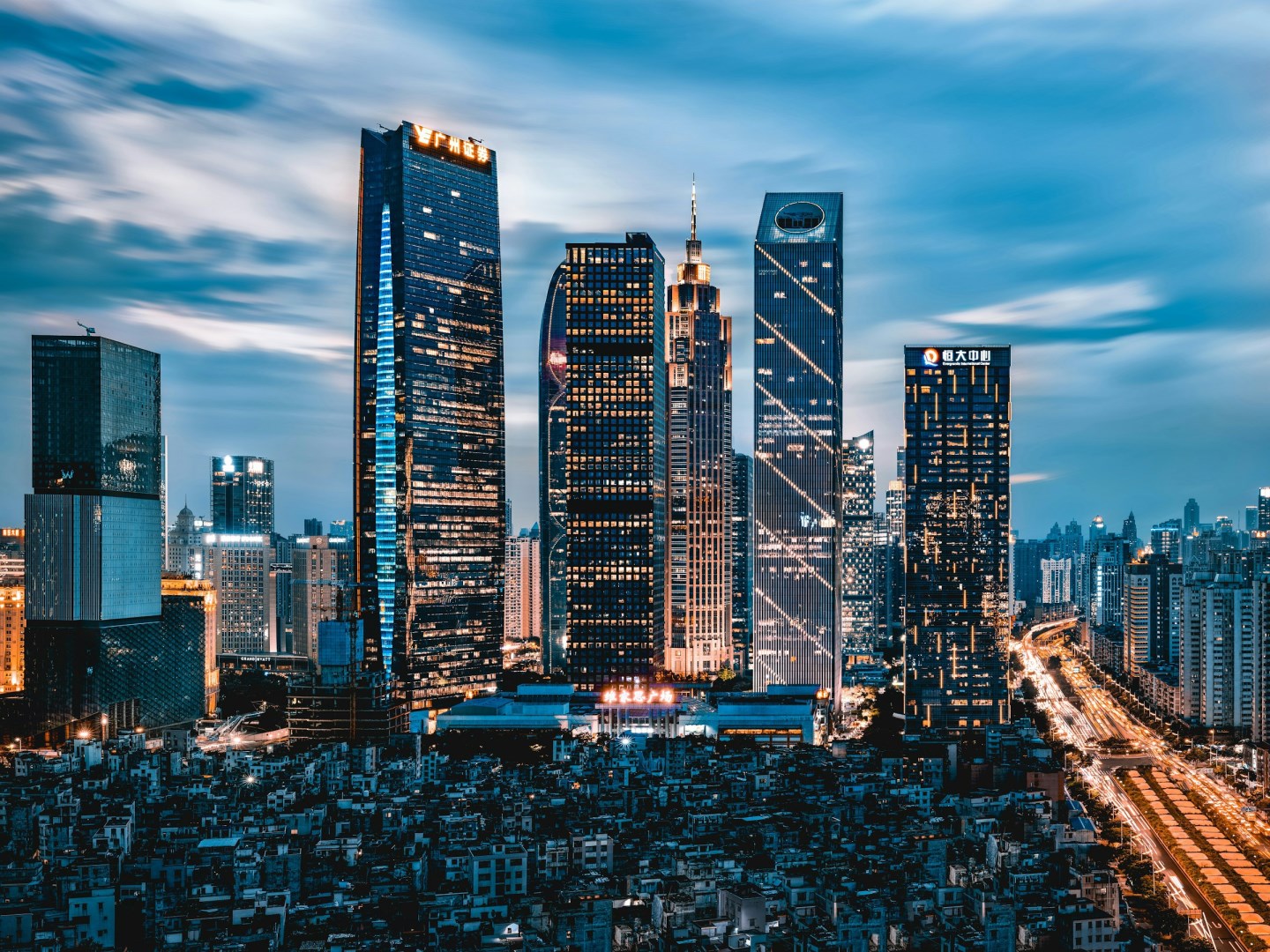
Guangzhou
Also known as Canton, it is located adjacent to Hong Kong, an important industrial and trade center in South China.

Palm Springs
Palm Springs, California, is an oasis in the Sonoran Desert that has long been a playground for Hollywood stars, artists, and sun-seekers alike. This charming desert city is renowned for its mid-century modern architecture, luxury resorts, and a year-round climate that invites outdoor activities. Visitors can explore the Uptown Design District, a treasure trove of vintage shops, art galleries, and boutique stores that celebrate Palm Springs' rich cultural heritage.
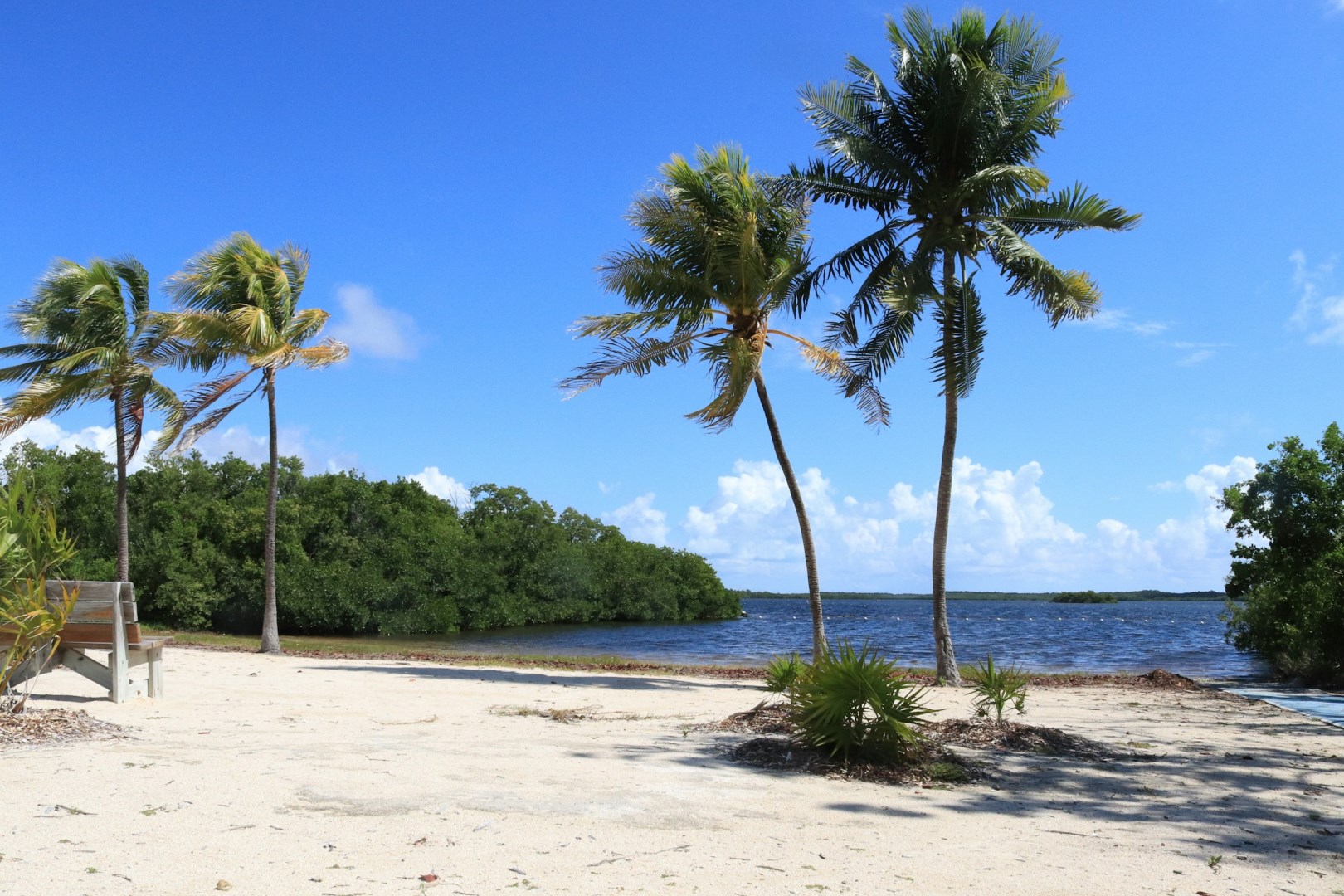
Key Largo
Key Largo, the northernmost of the Florida Keys, is renowned for its pristine natural beauty and vibrant marine life. As part of the Florida Keys archipelago, Key Largo is a gateway to the spectacular underwater world of the John Pennekamp Coral Reef State Park, the first underwater park in the U.S. Here, visitors can explore vibrant coral reefs through snorkeling and scuba diving, or take a glass-bottom boat tour to marvel at the colorful marine ecosystems without getting wet.
